 Cart is empty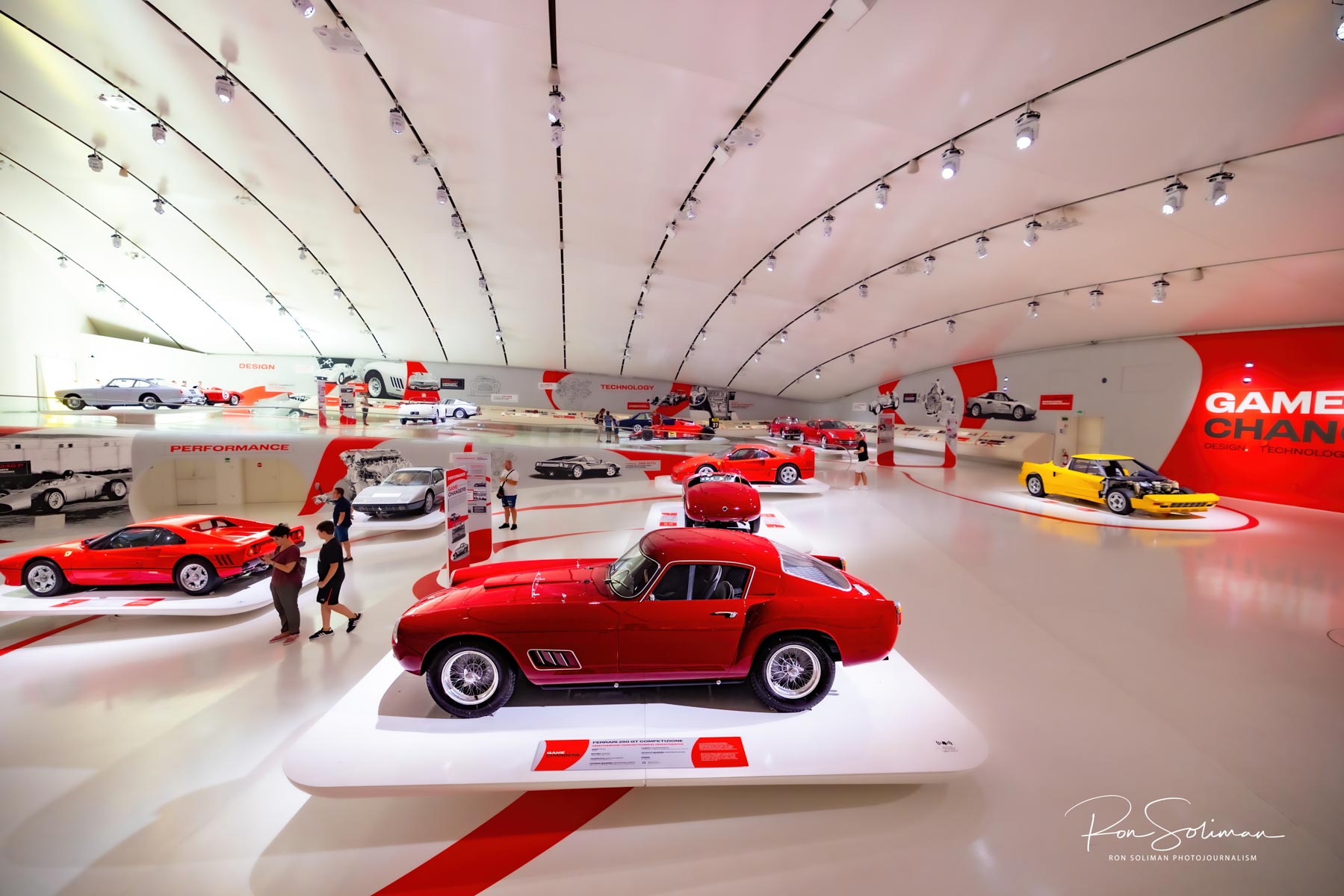








HomeBlog
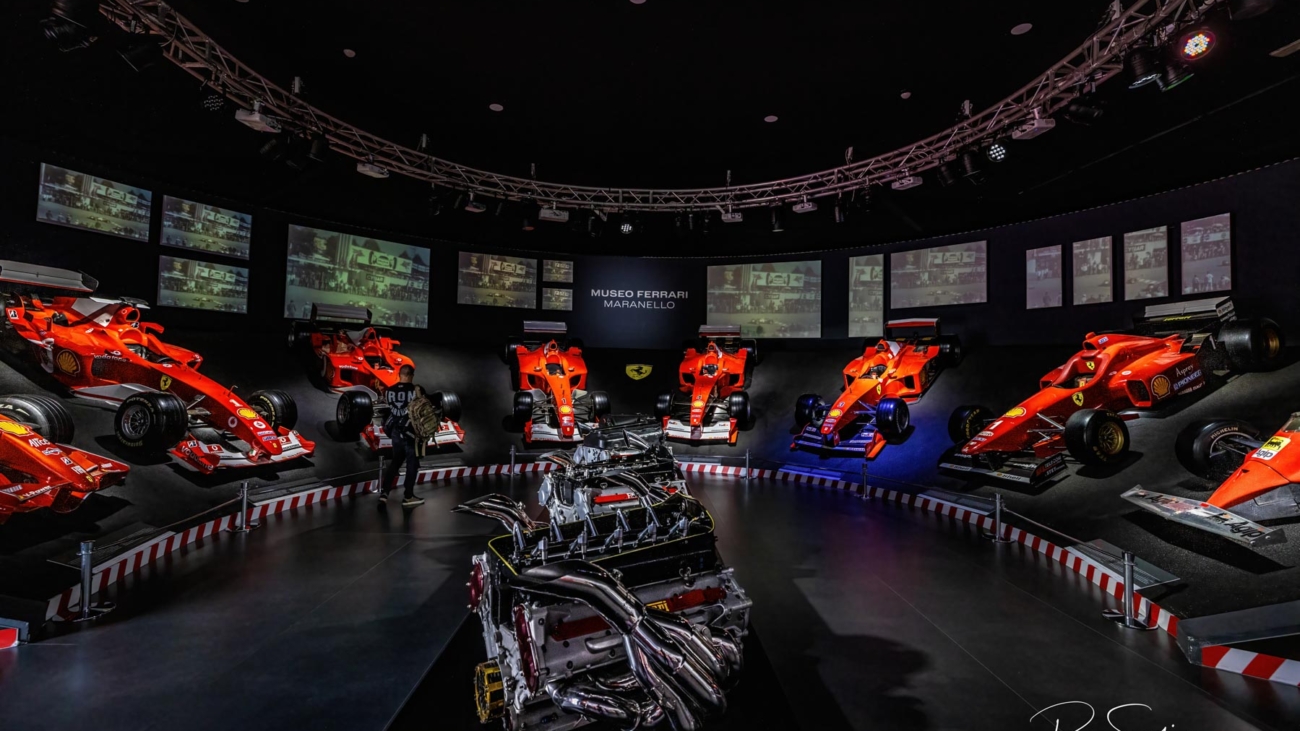
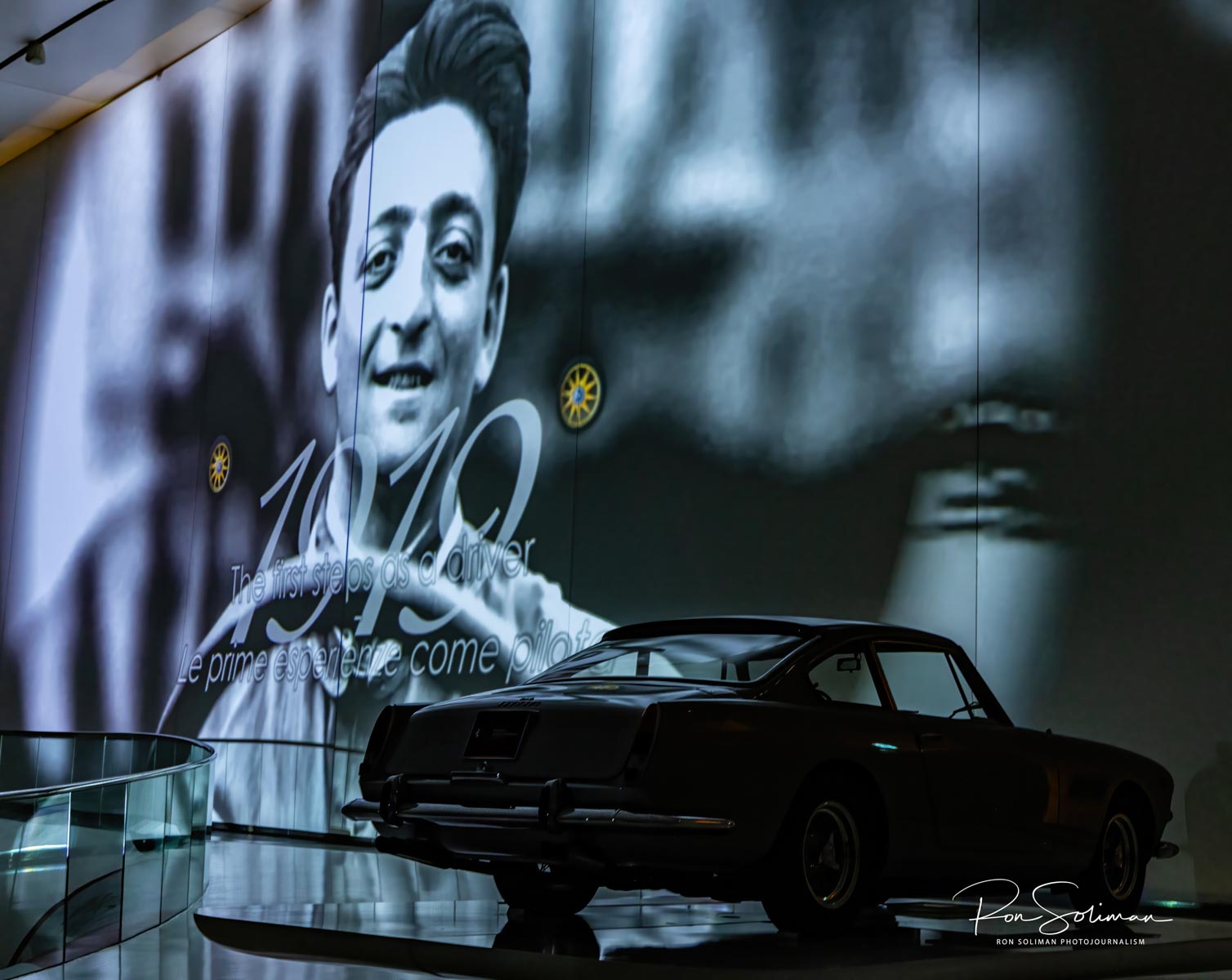
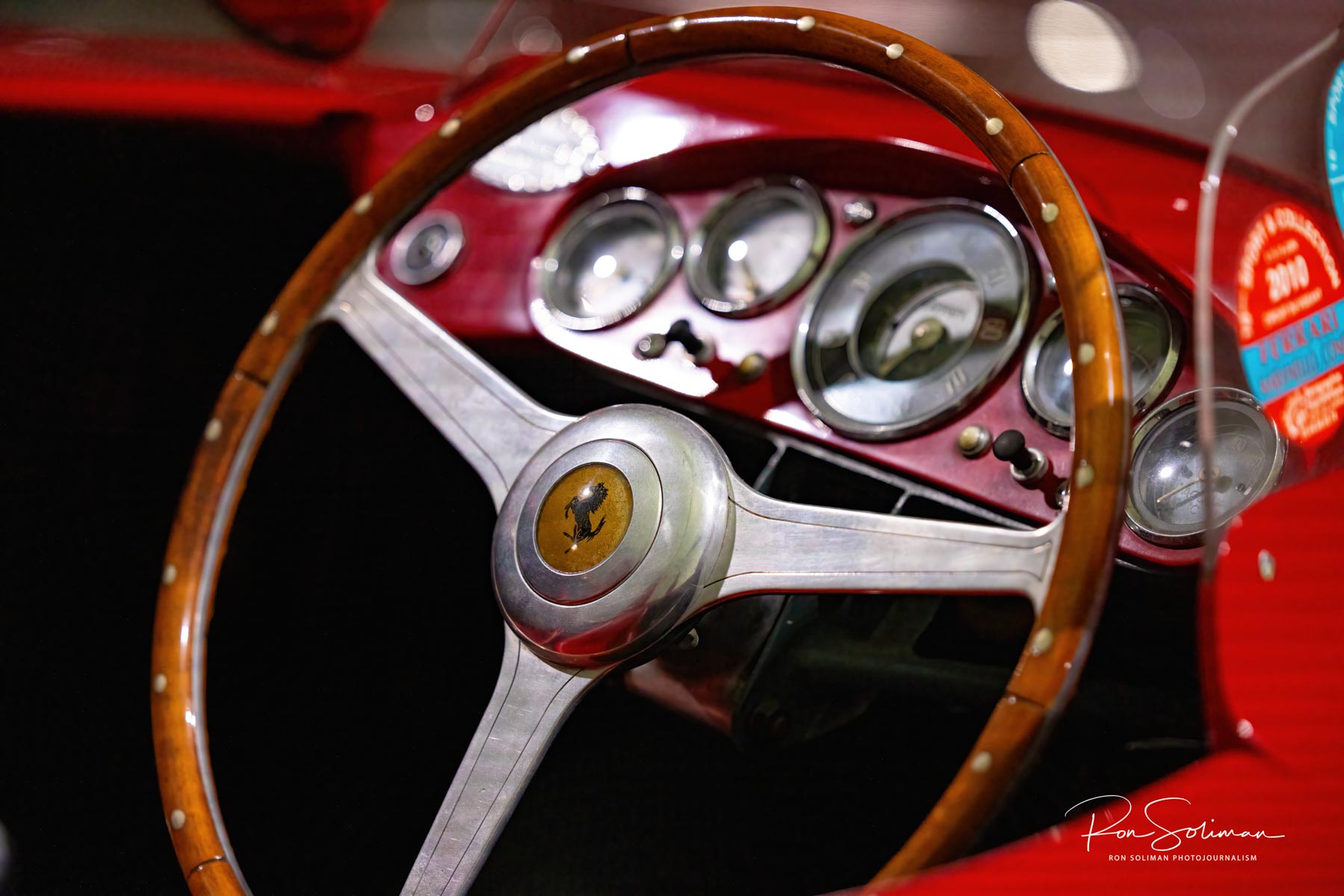
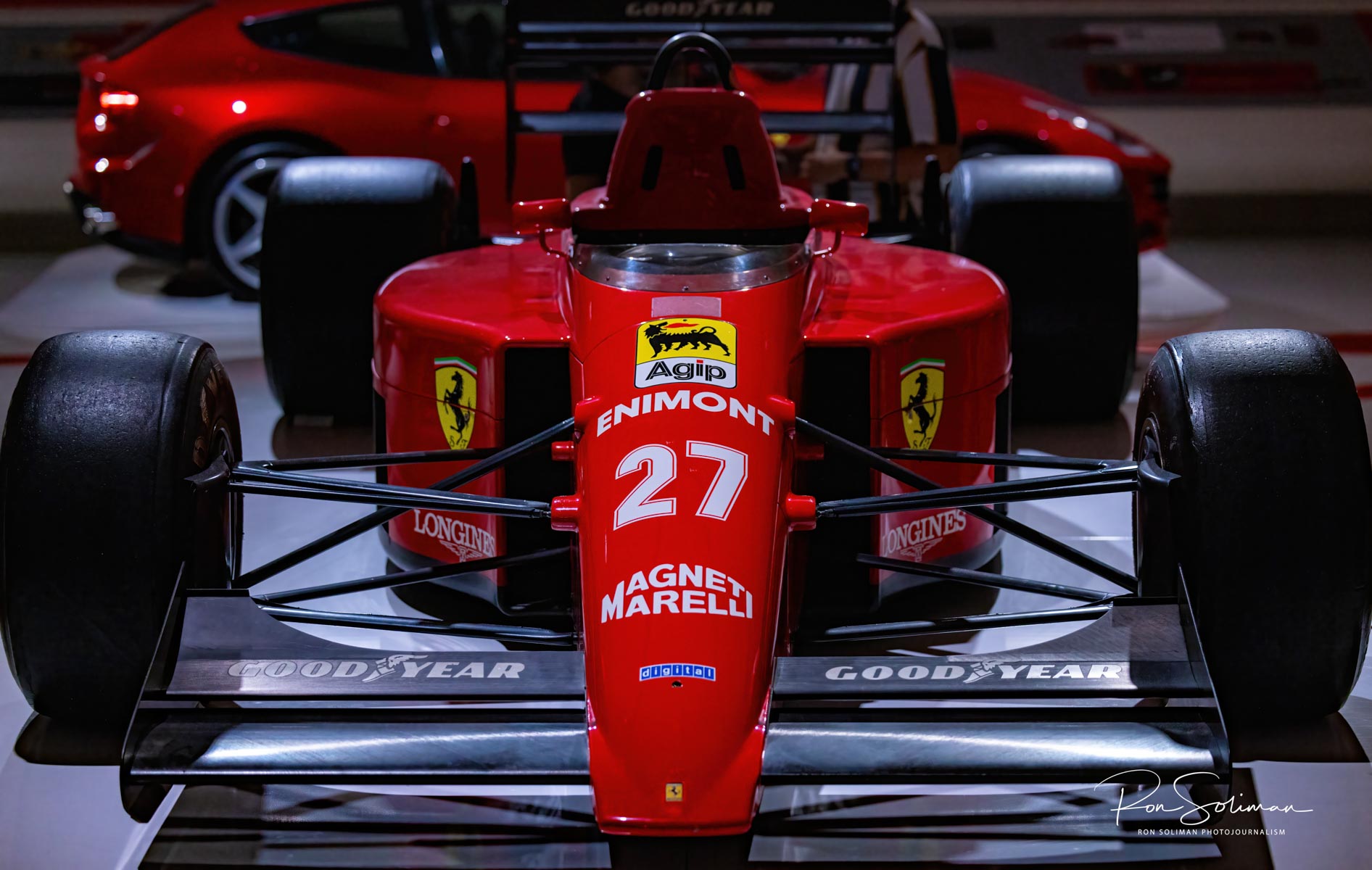
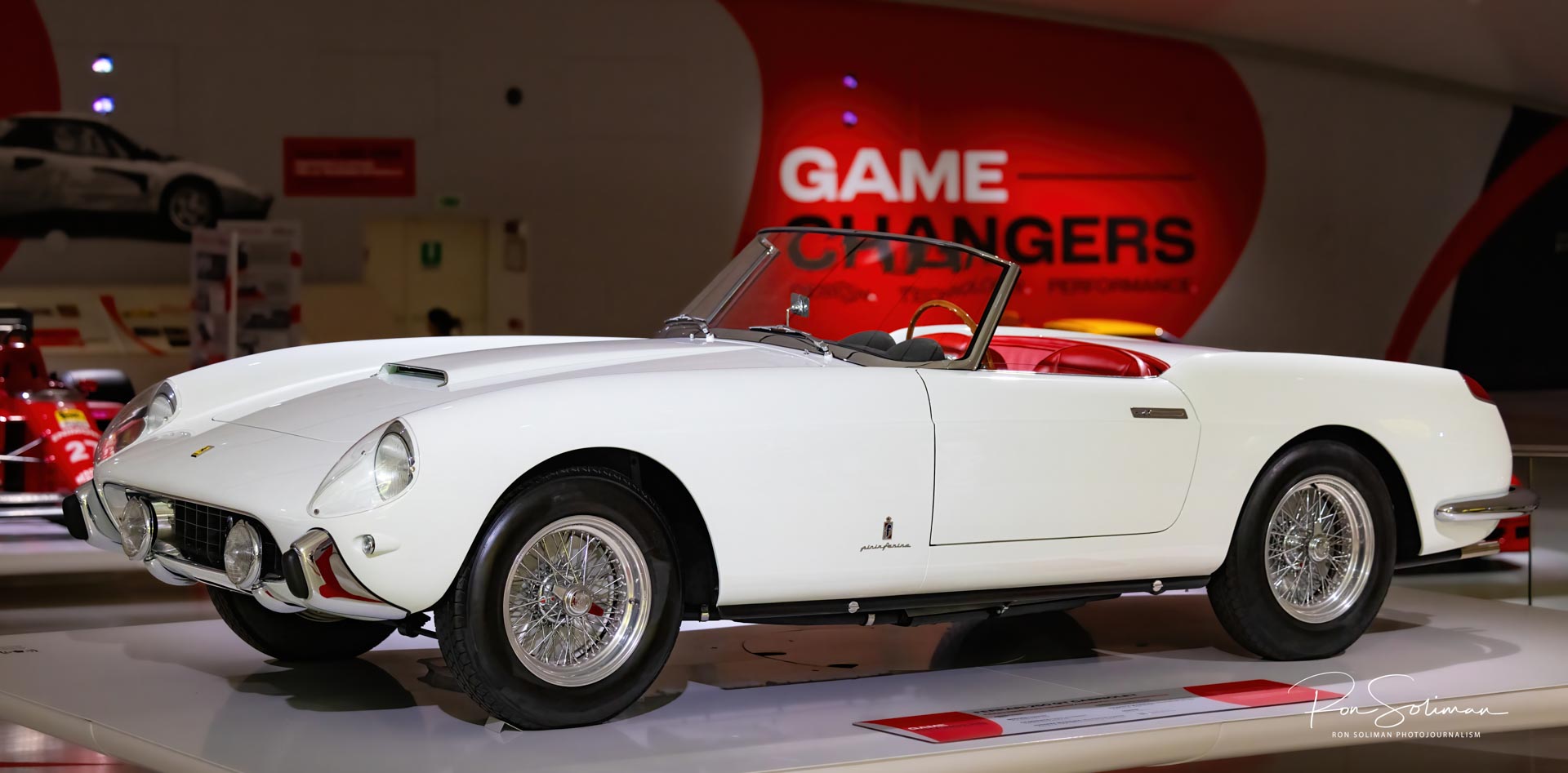
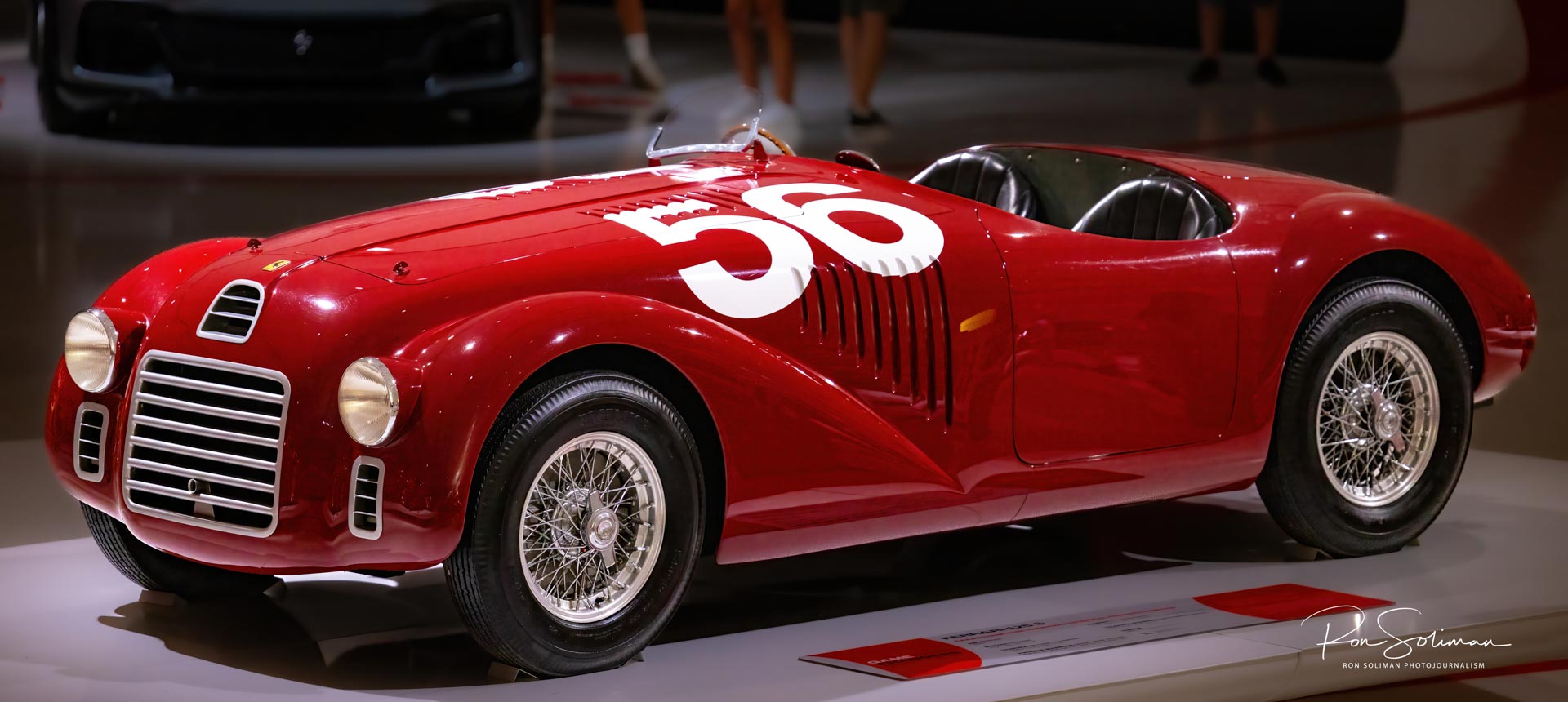
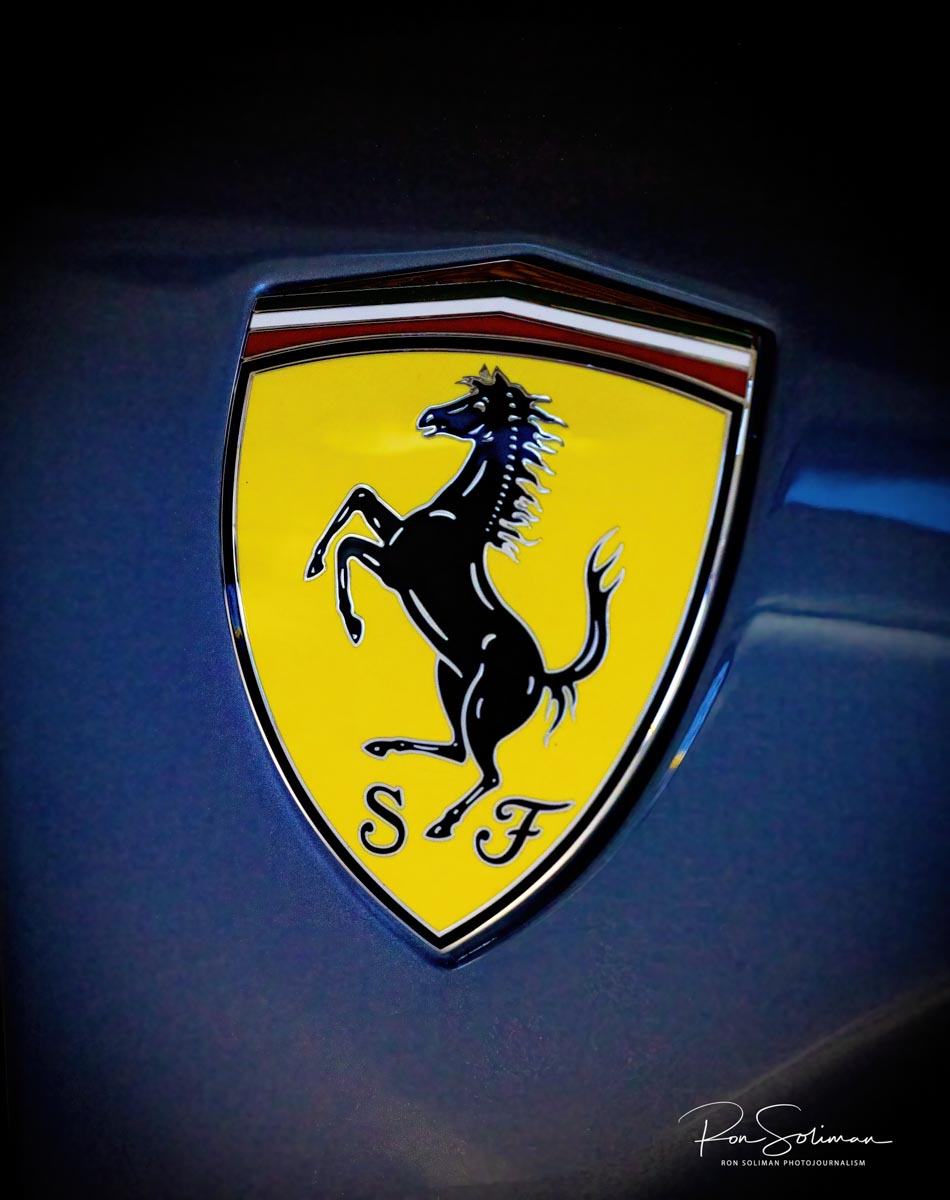
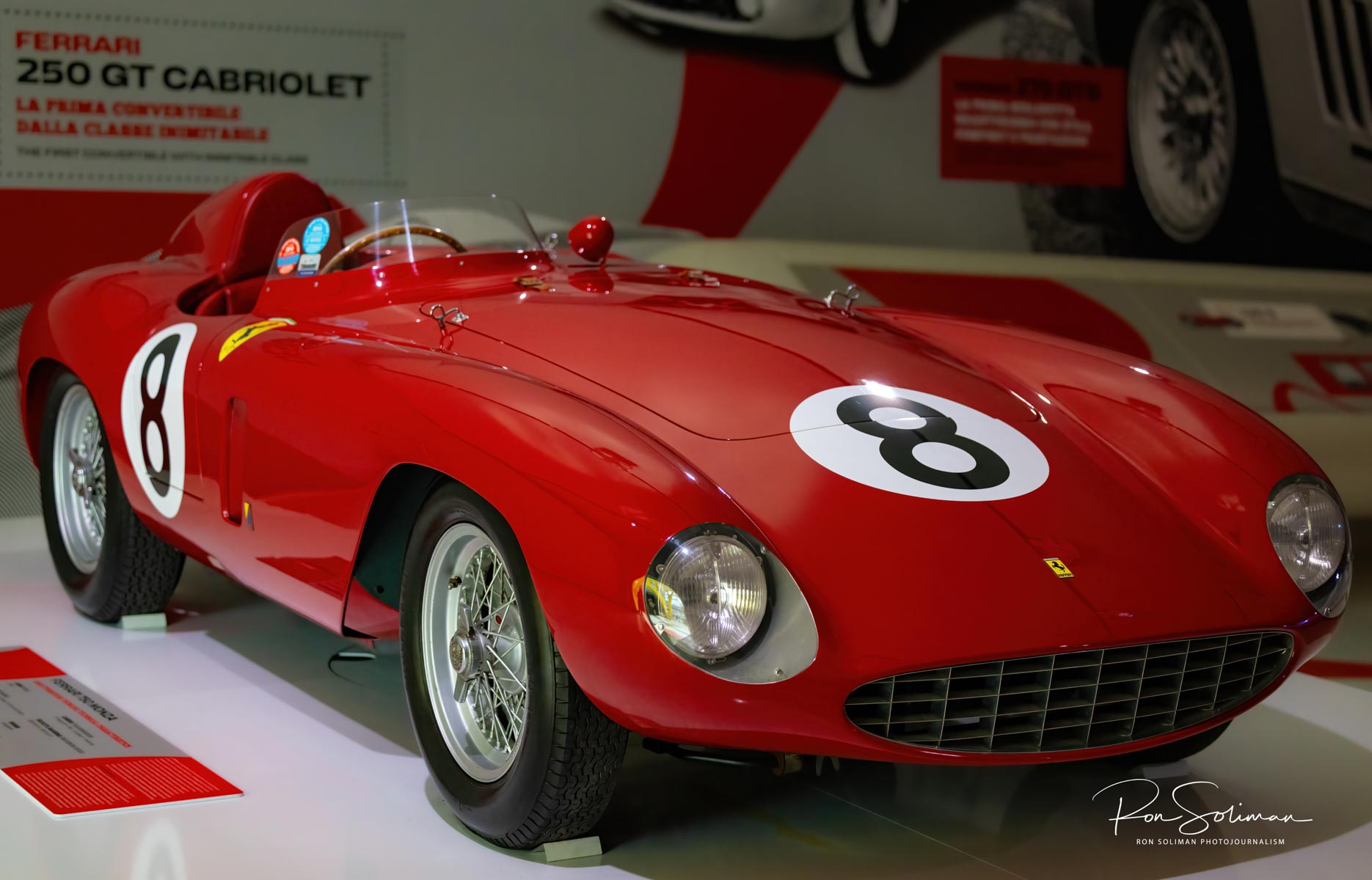
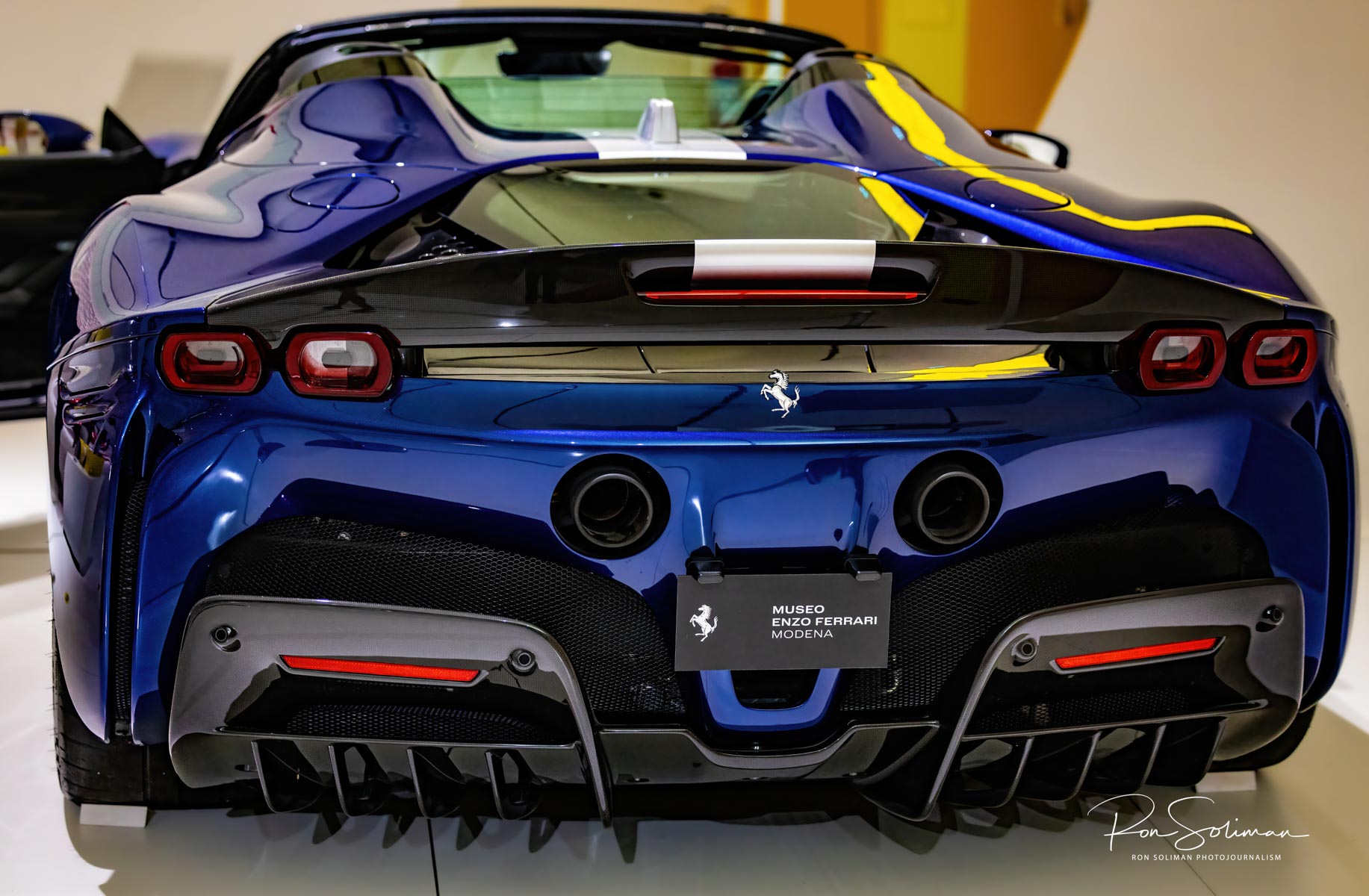
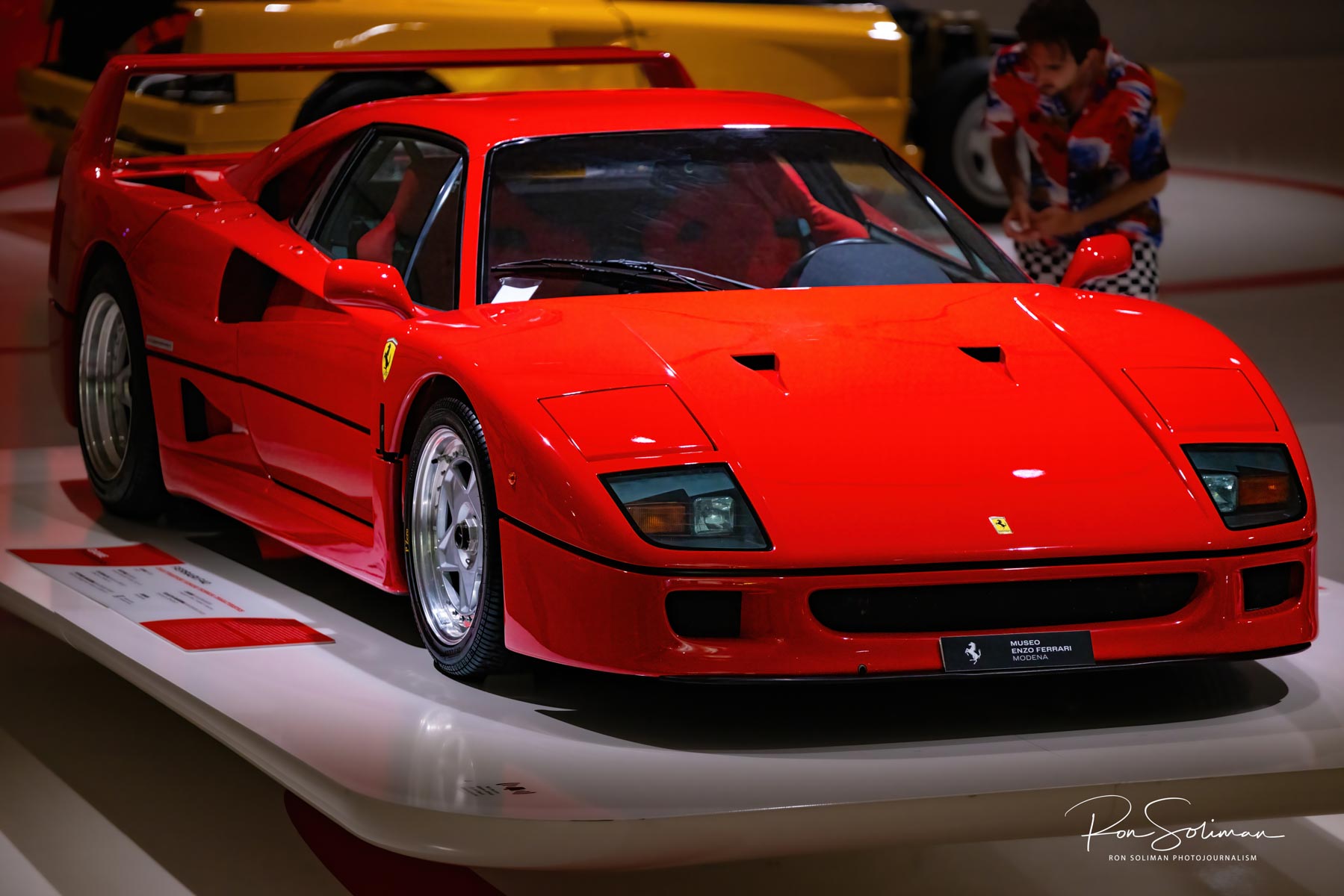
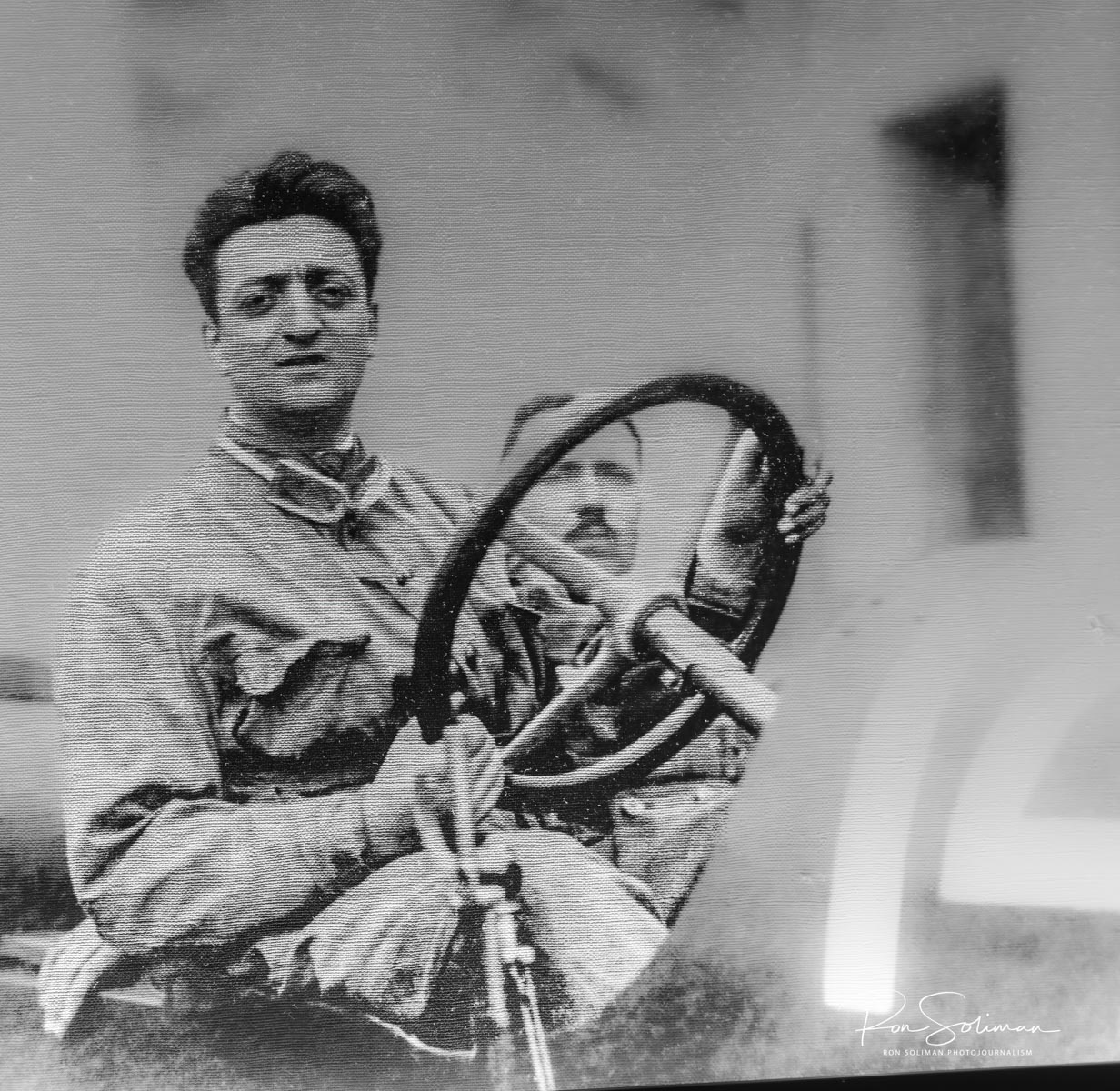
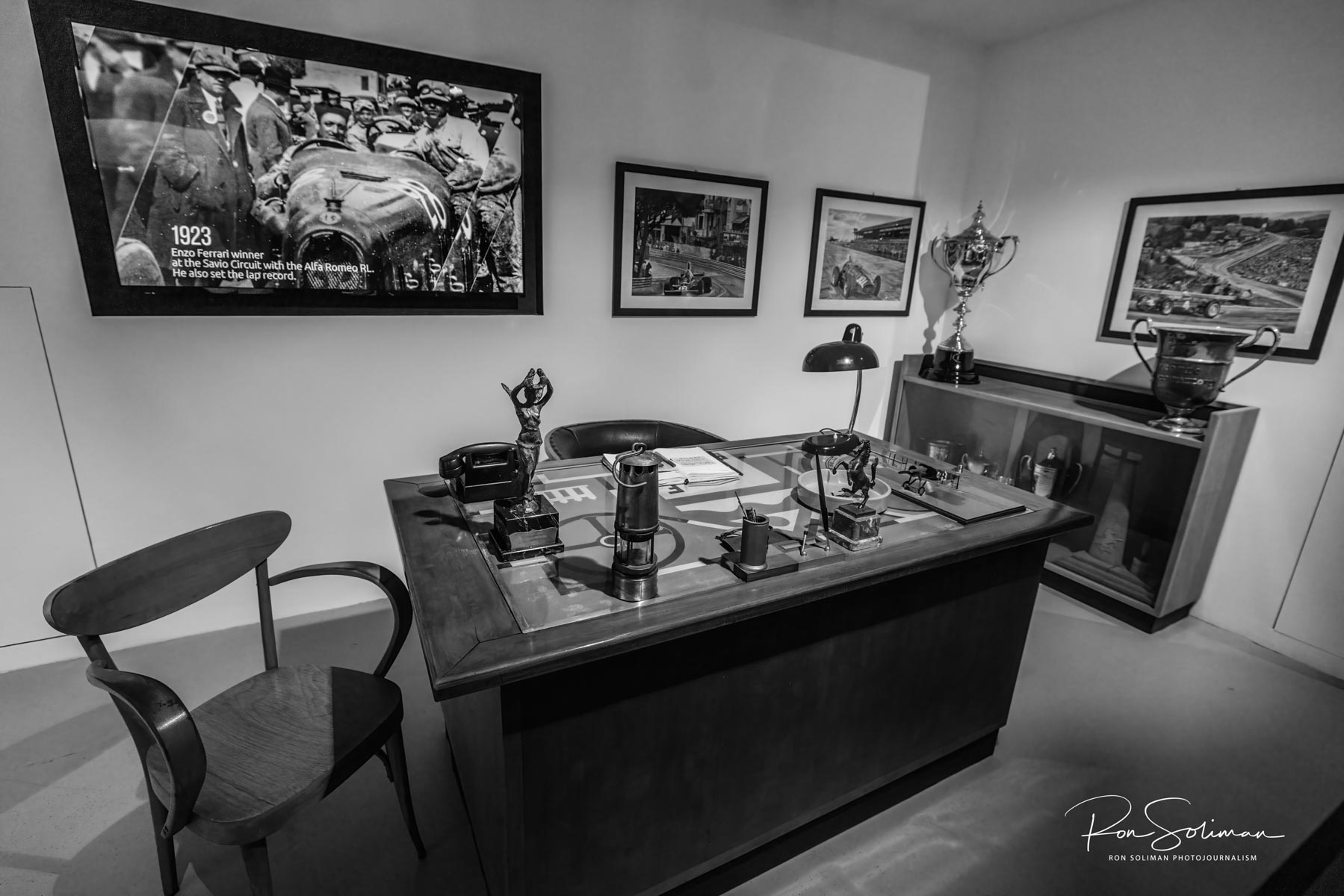
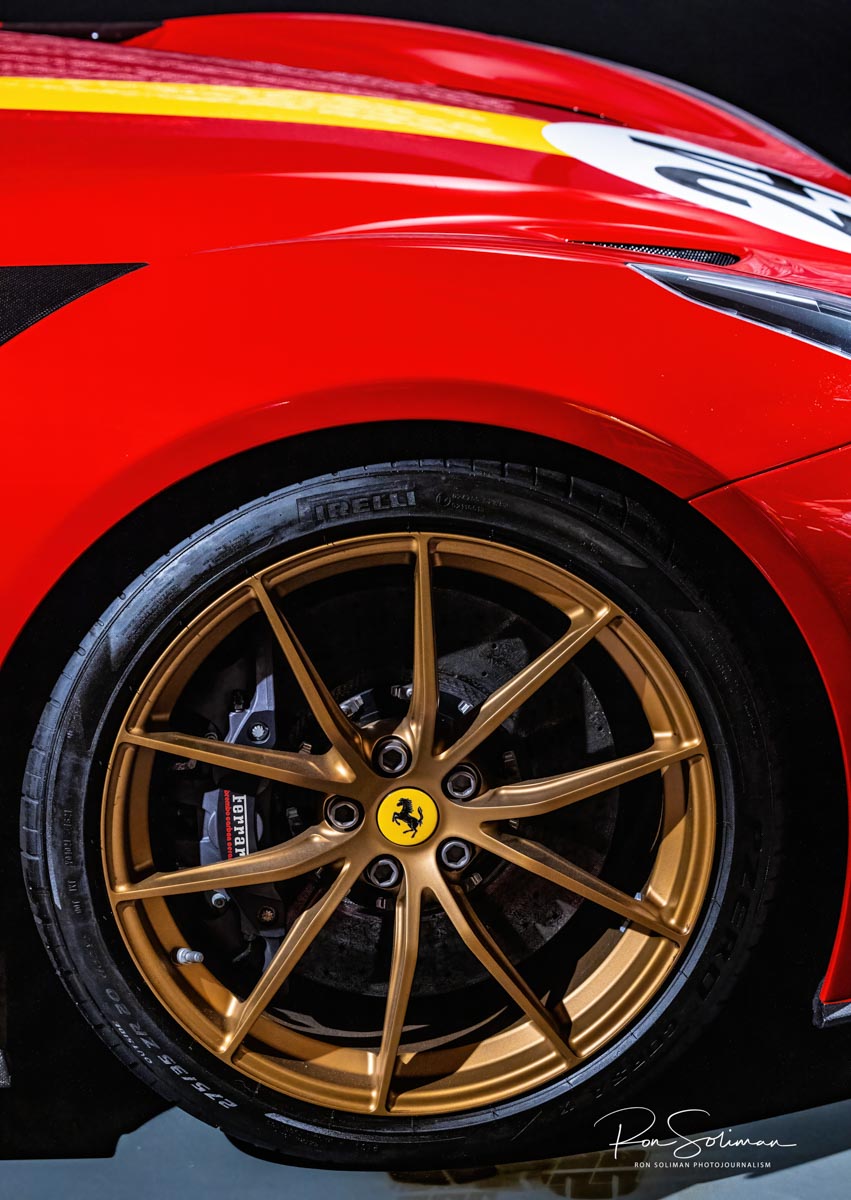
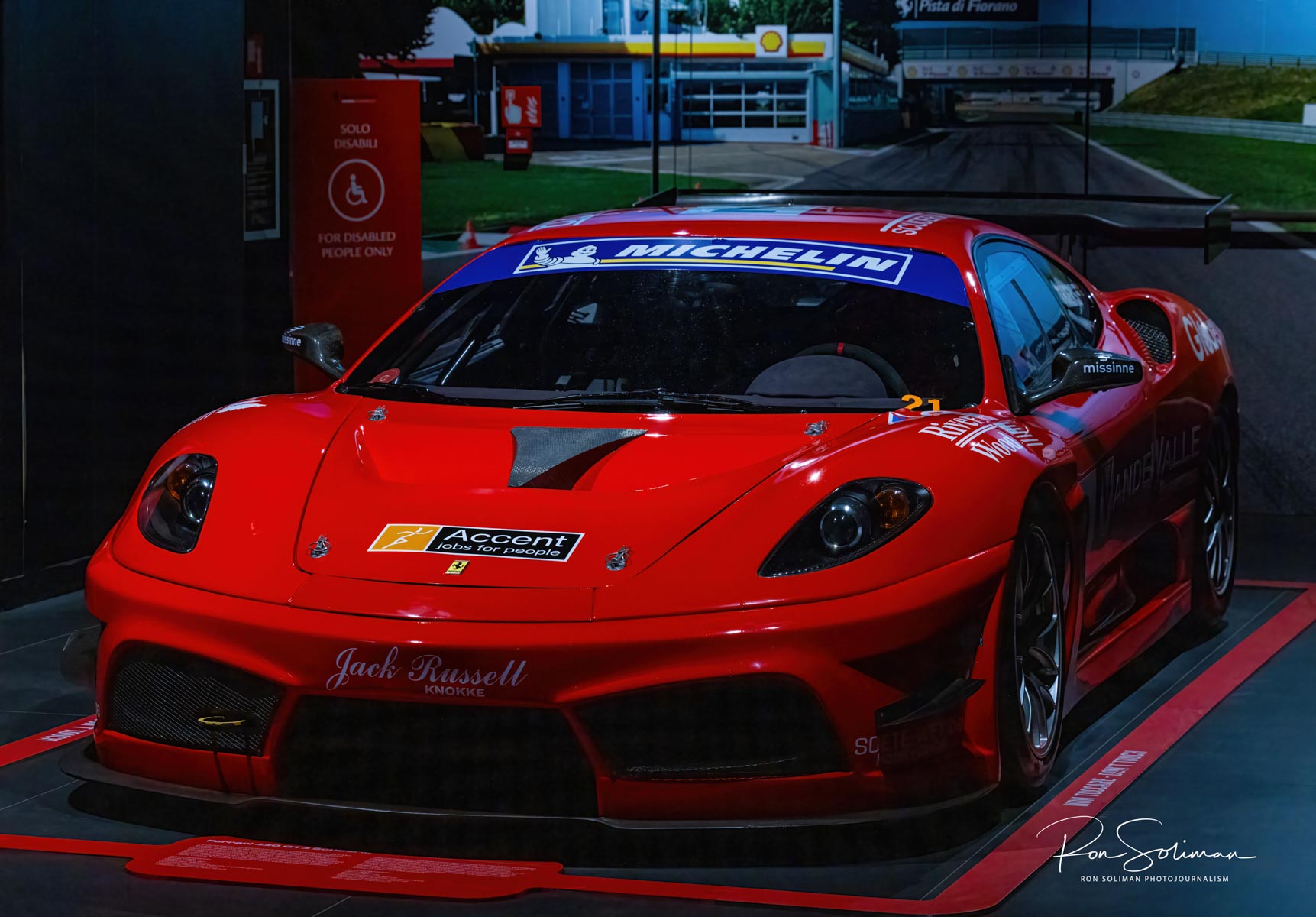
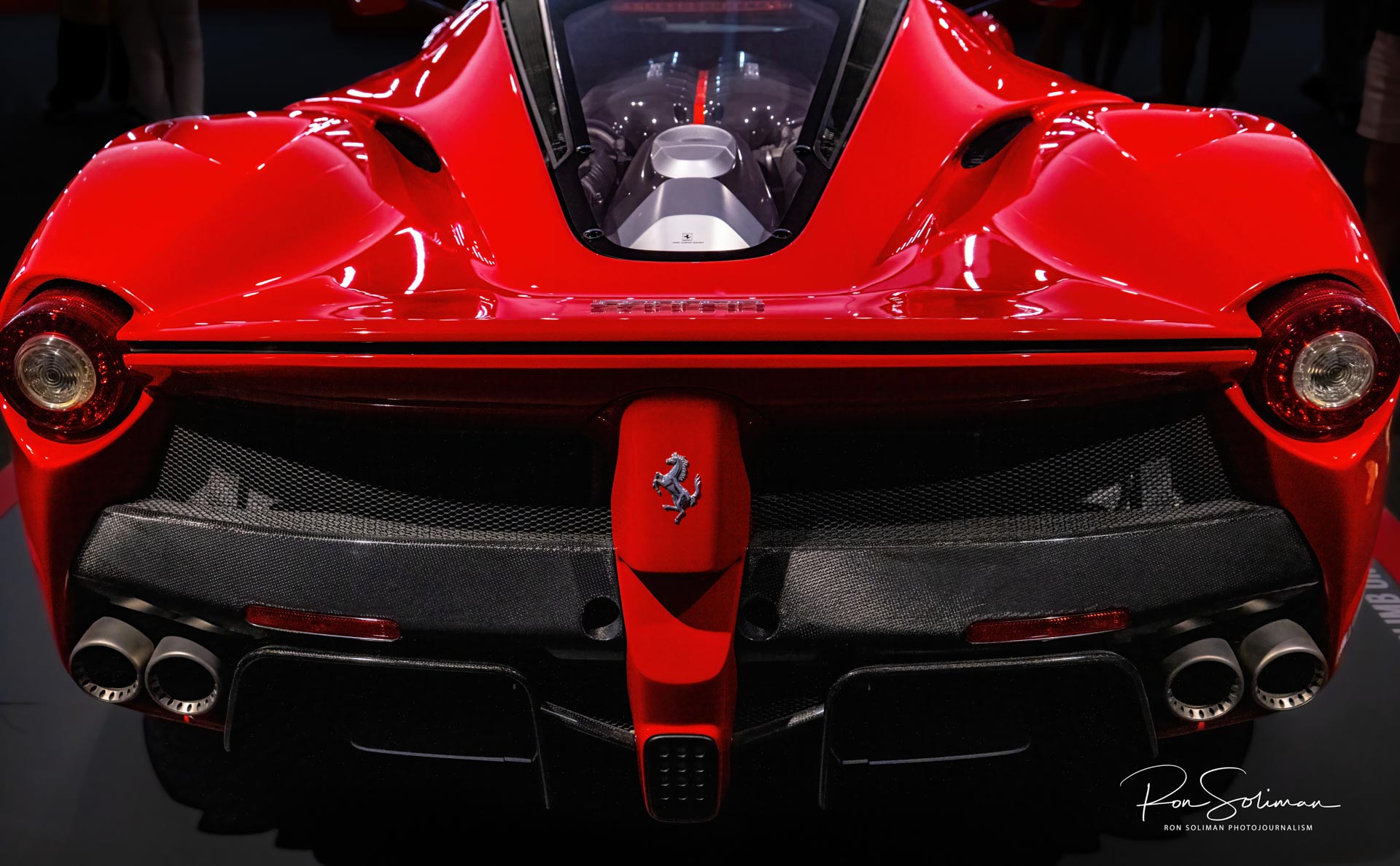
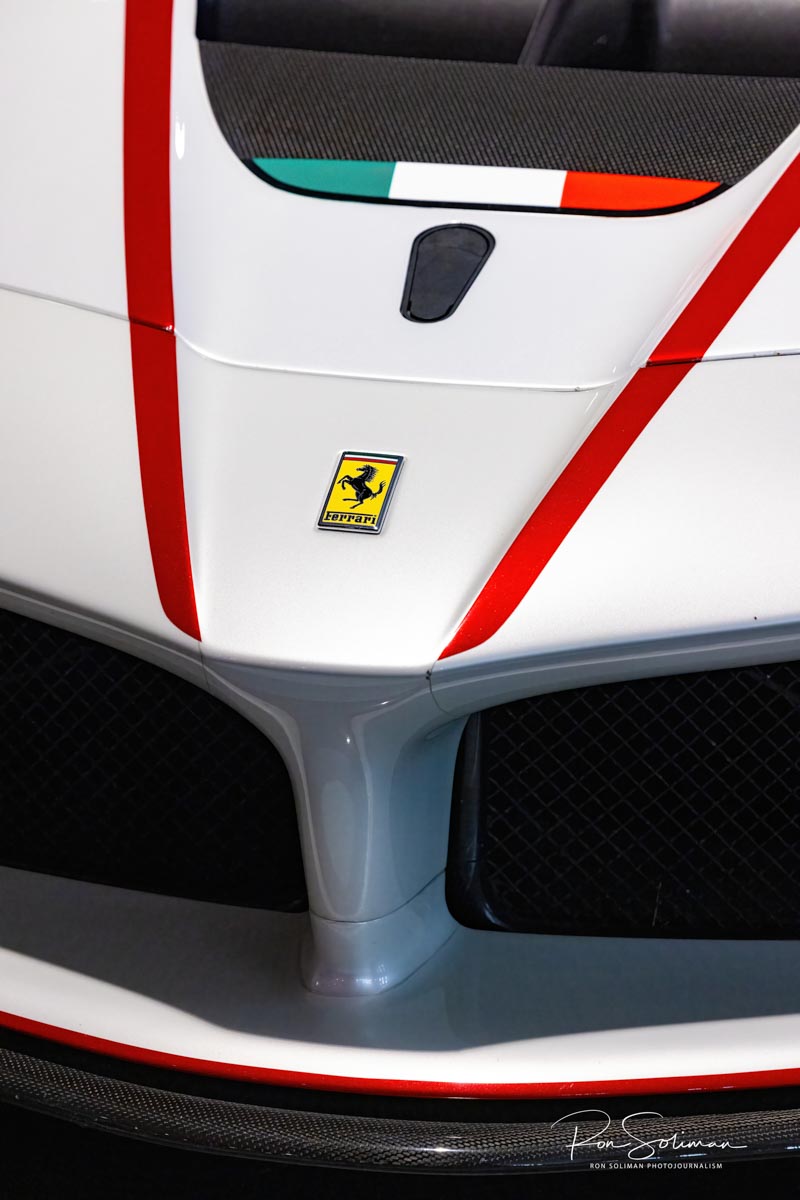
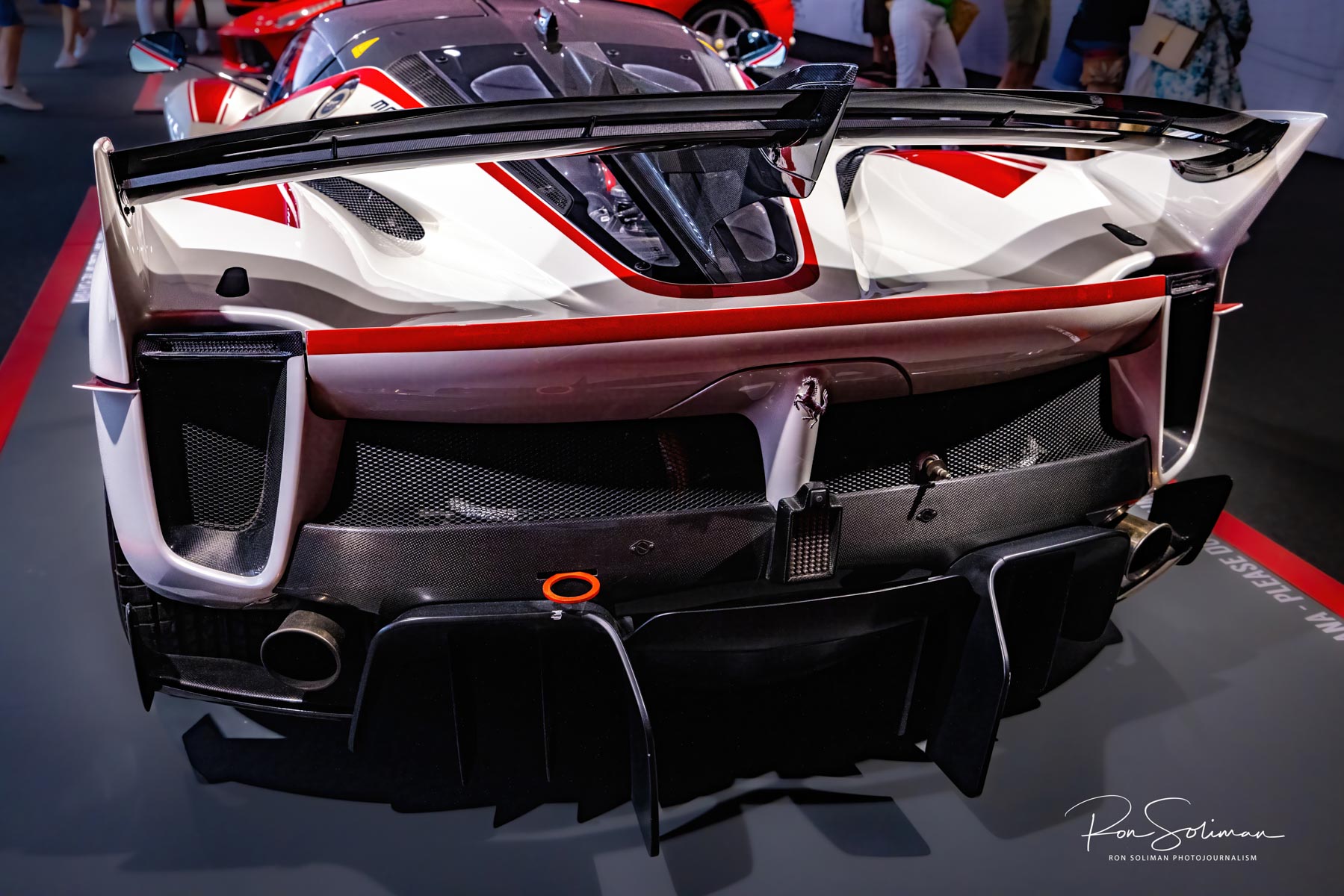
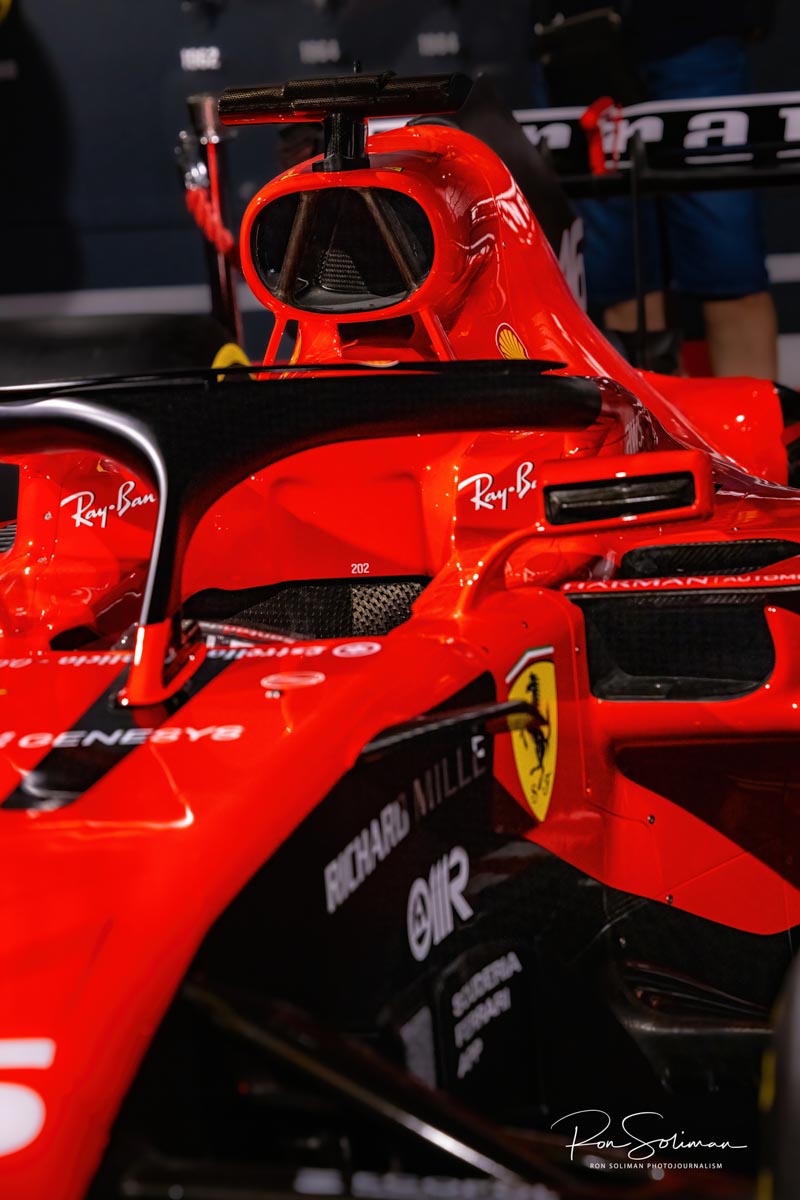
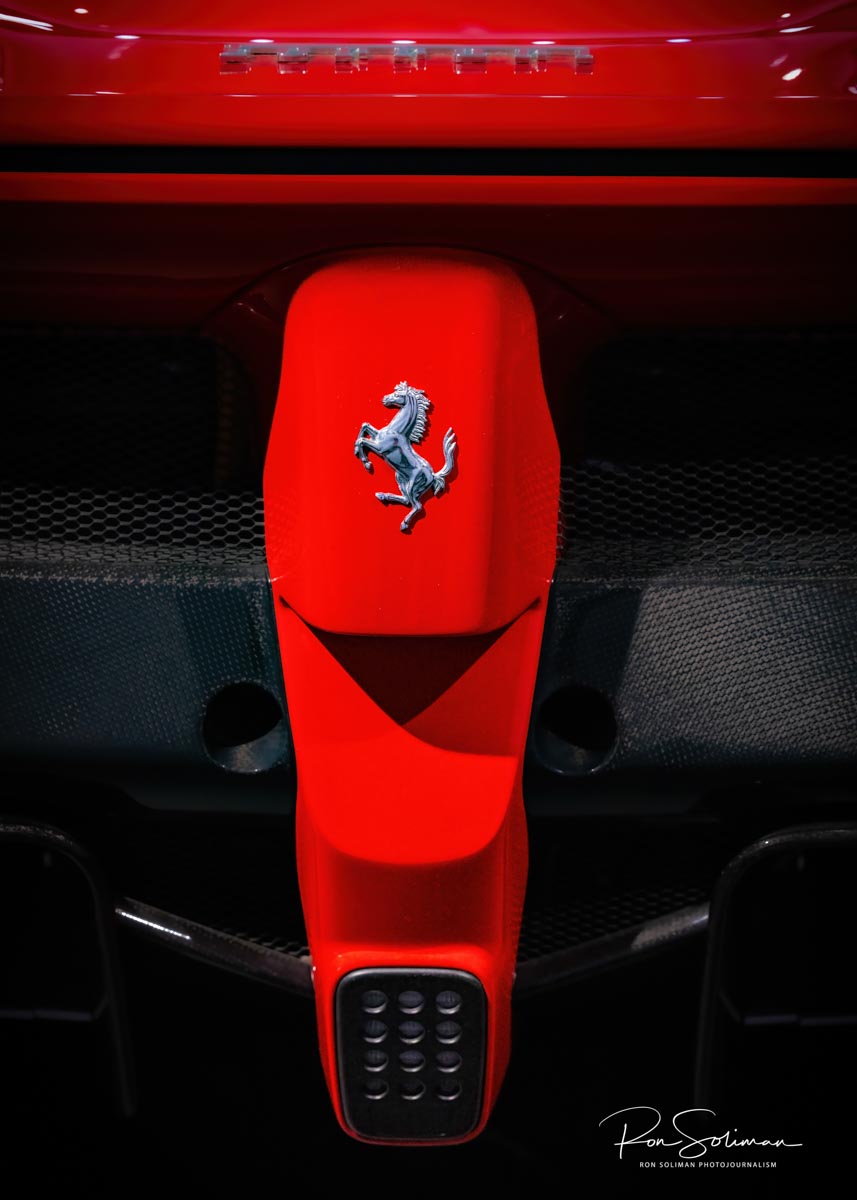
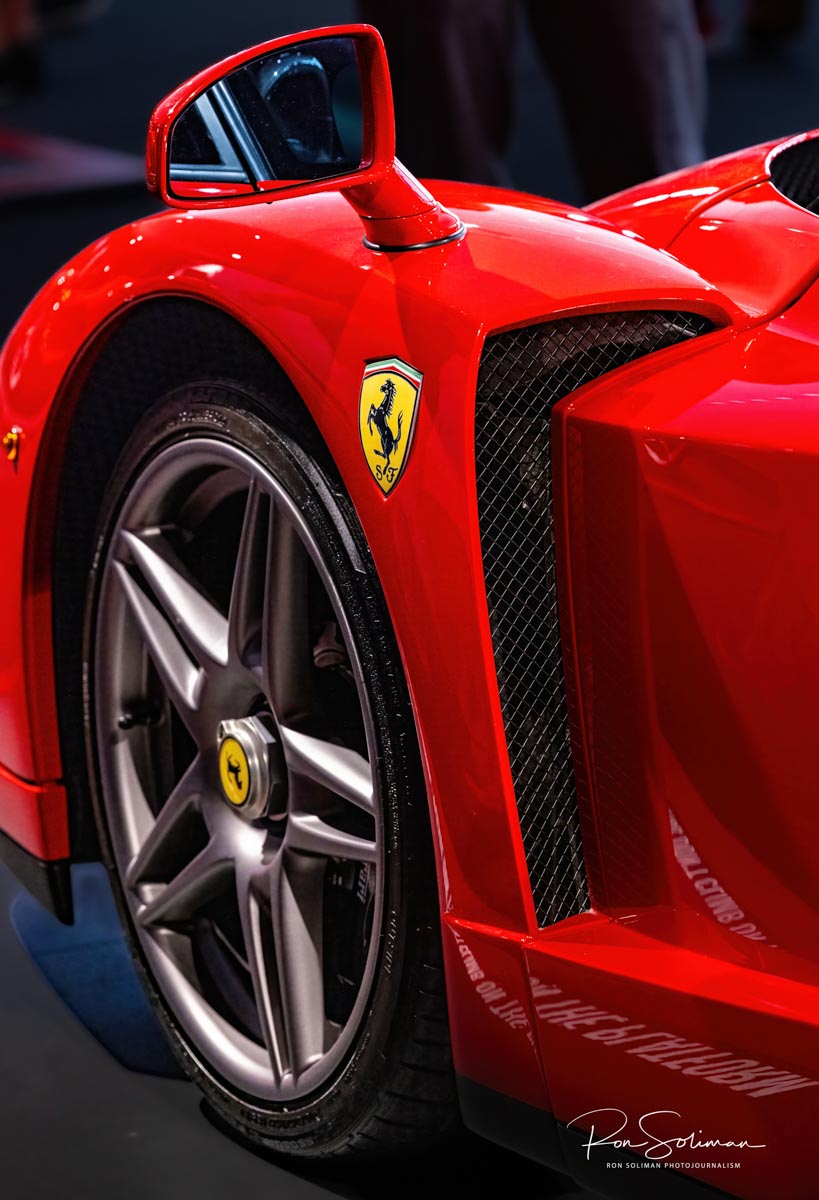
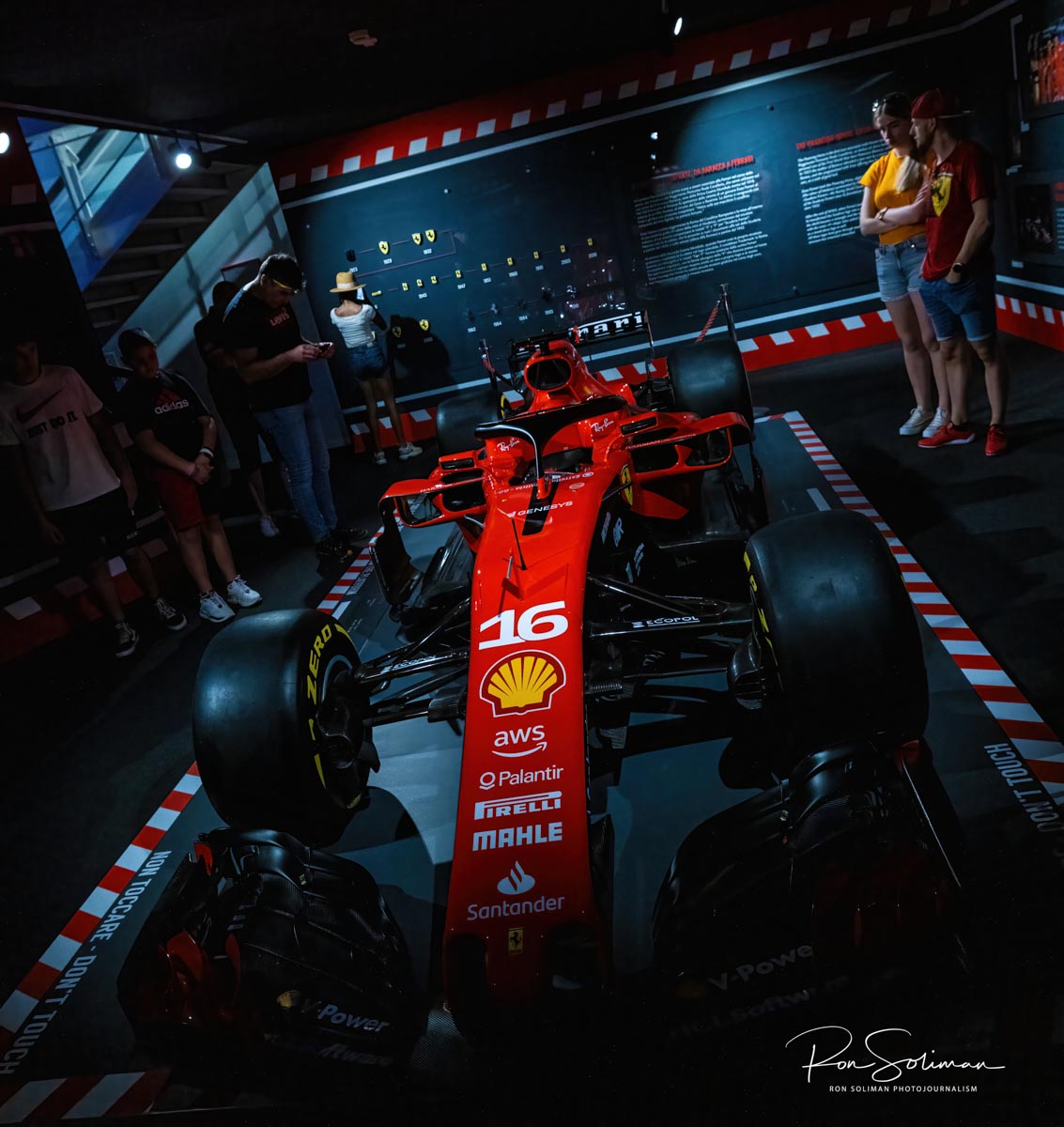
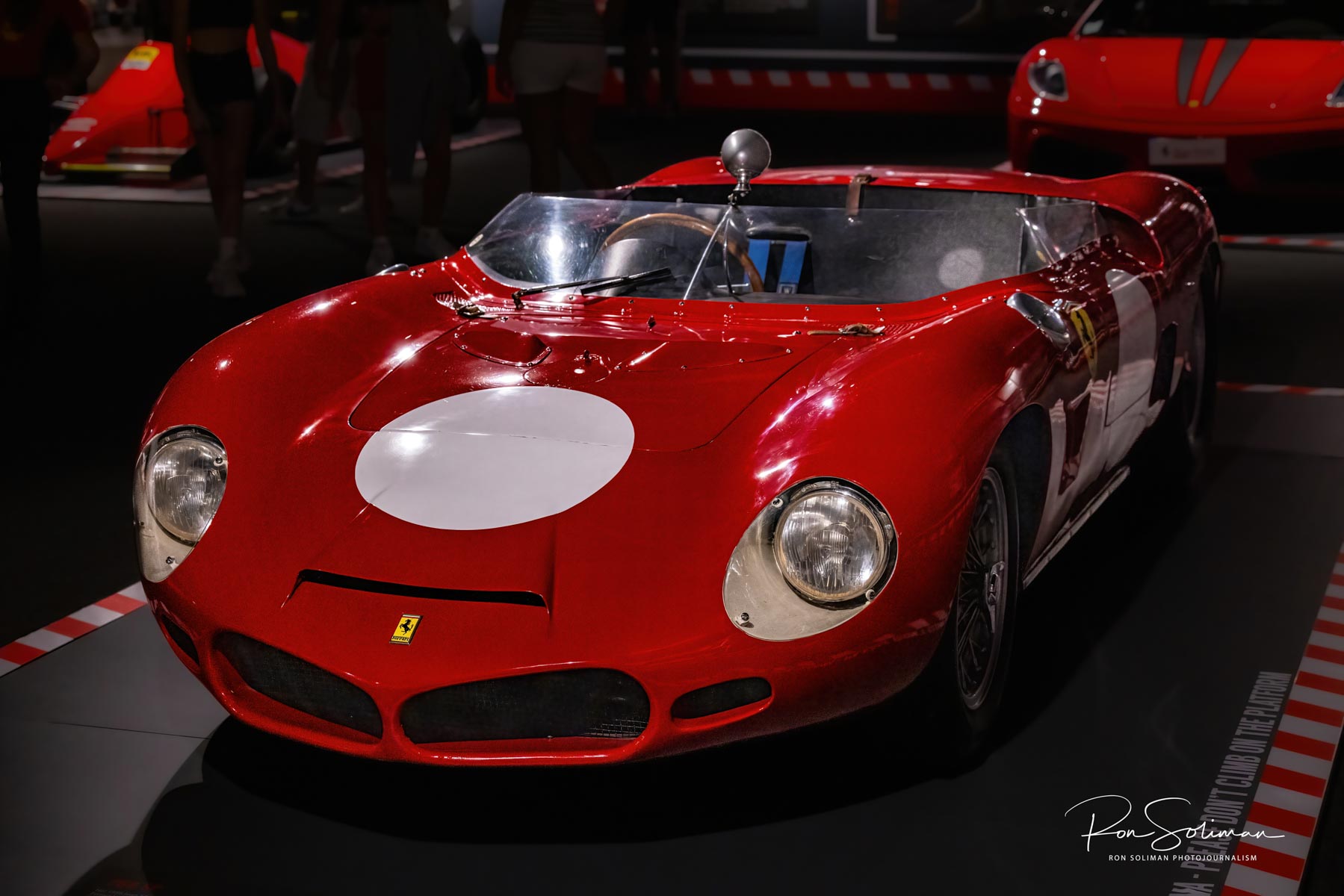
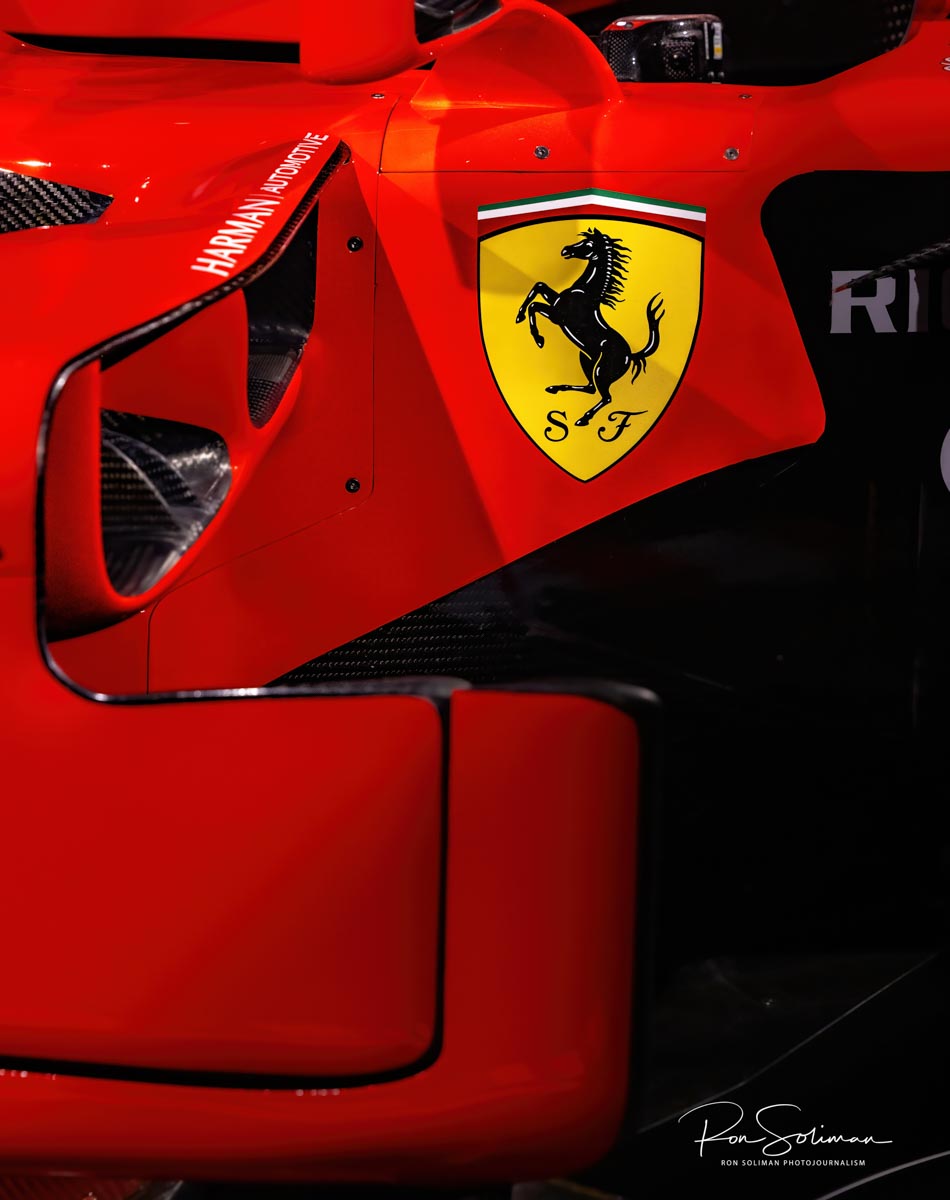
The Ferrari Museums of Modena and Maranello – Visiting the birthplace of Enzo Anselmo Ferrari in Modena, Italy was an amazing experience for me as a race car enthusiast. At 10 years old, Enzo began his journey to becoming the founder of the most successful Formula 1 team and most famous car company of all time.
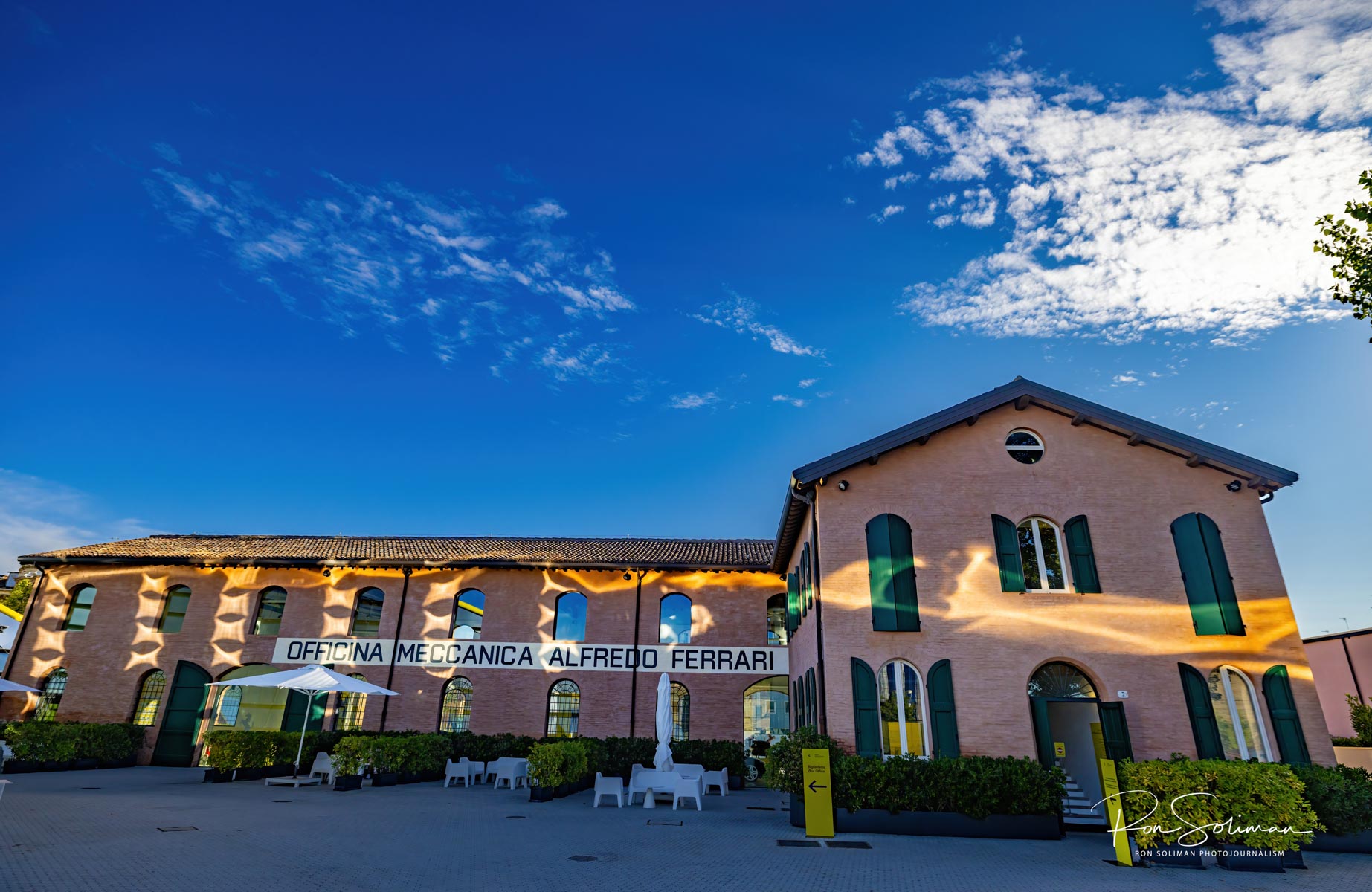
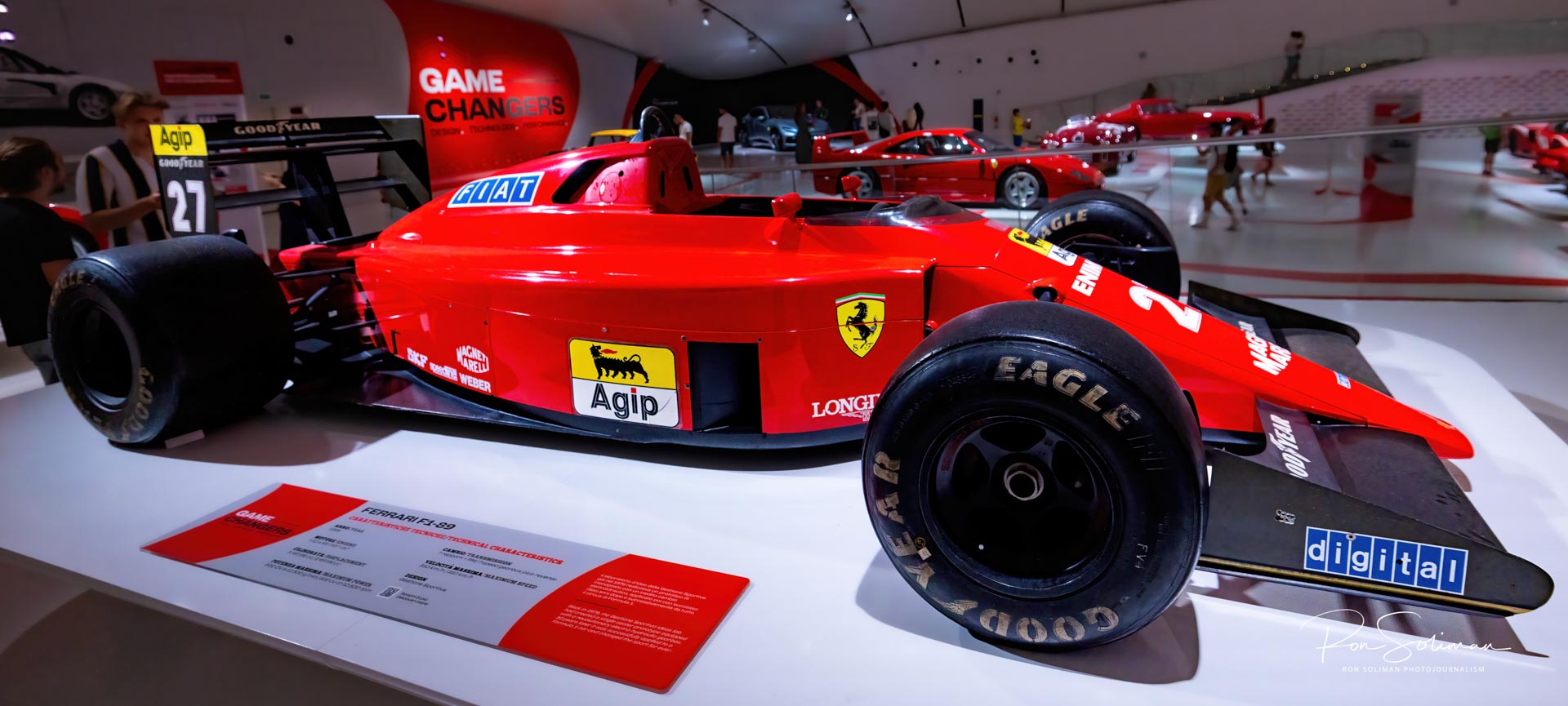
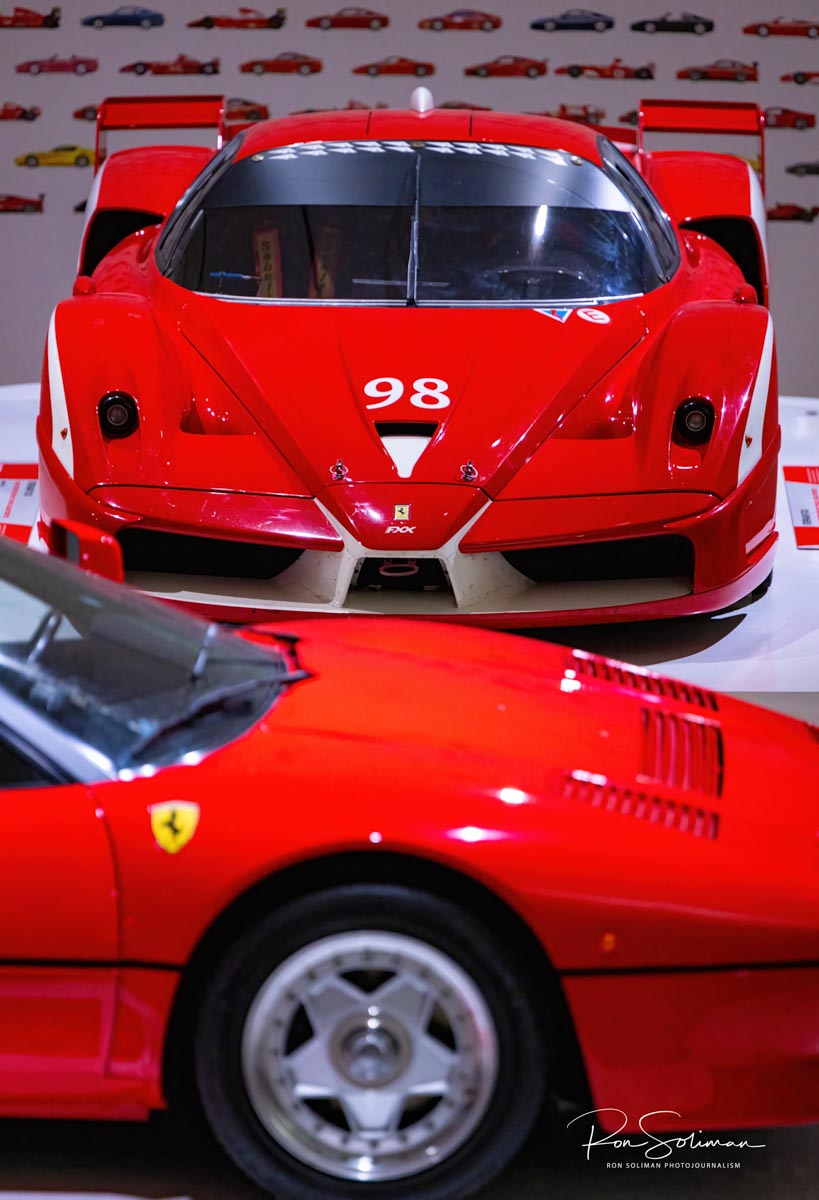
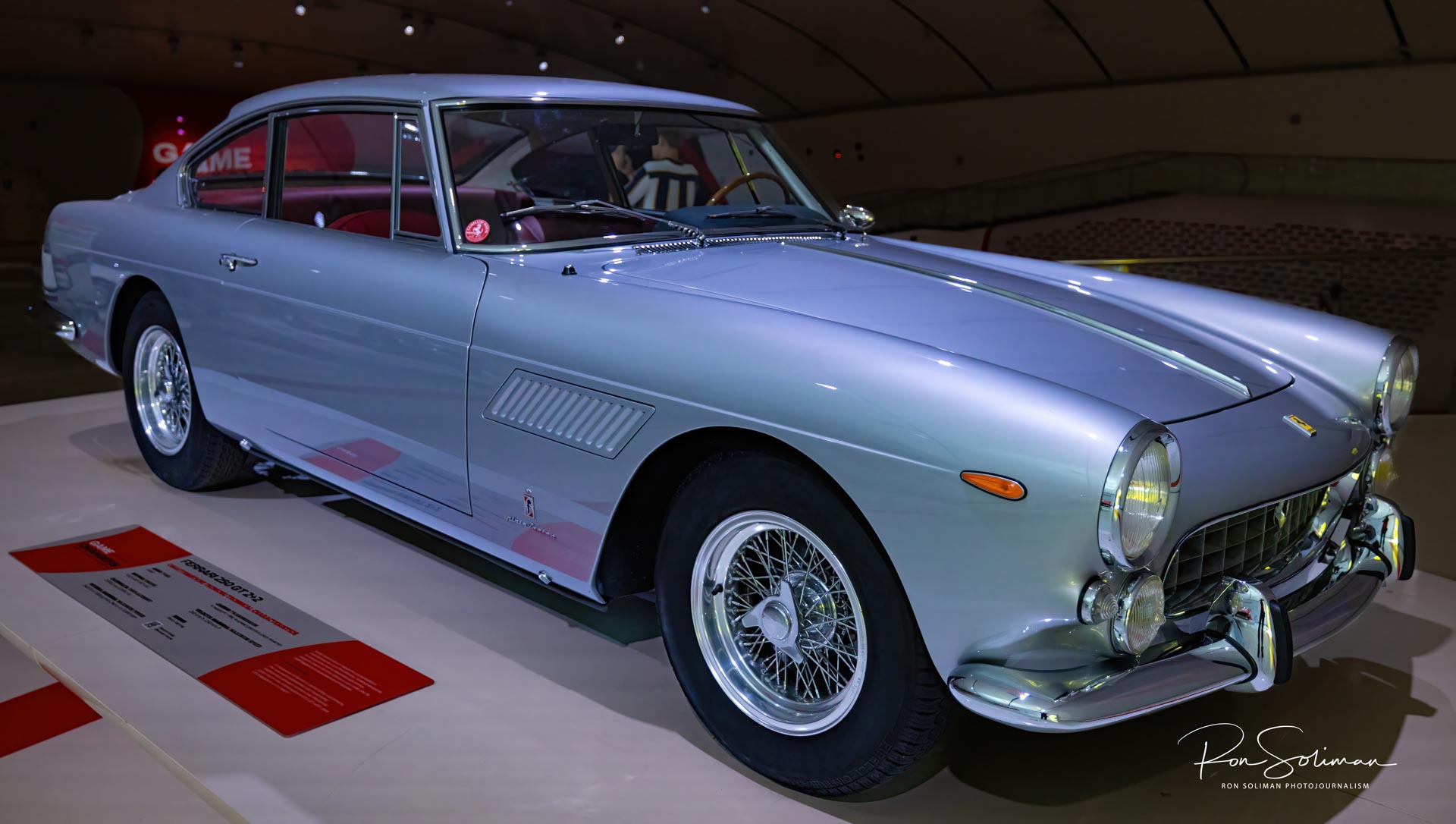
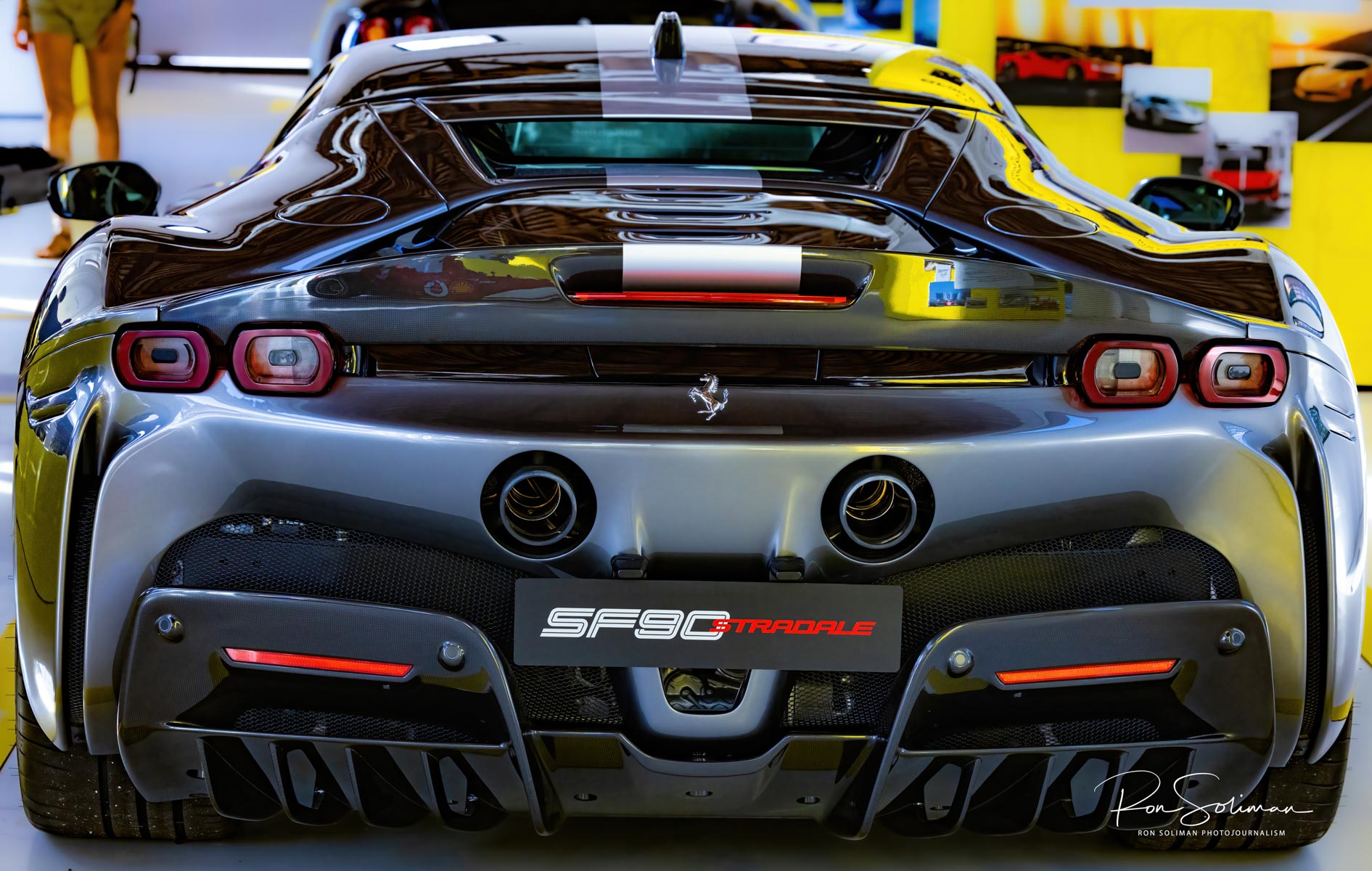
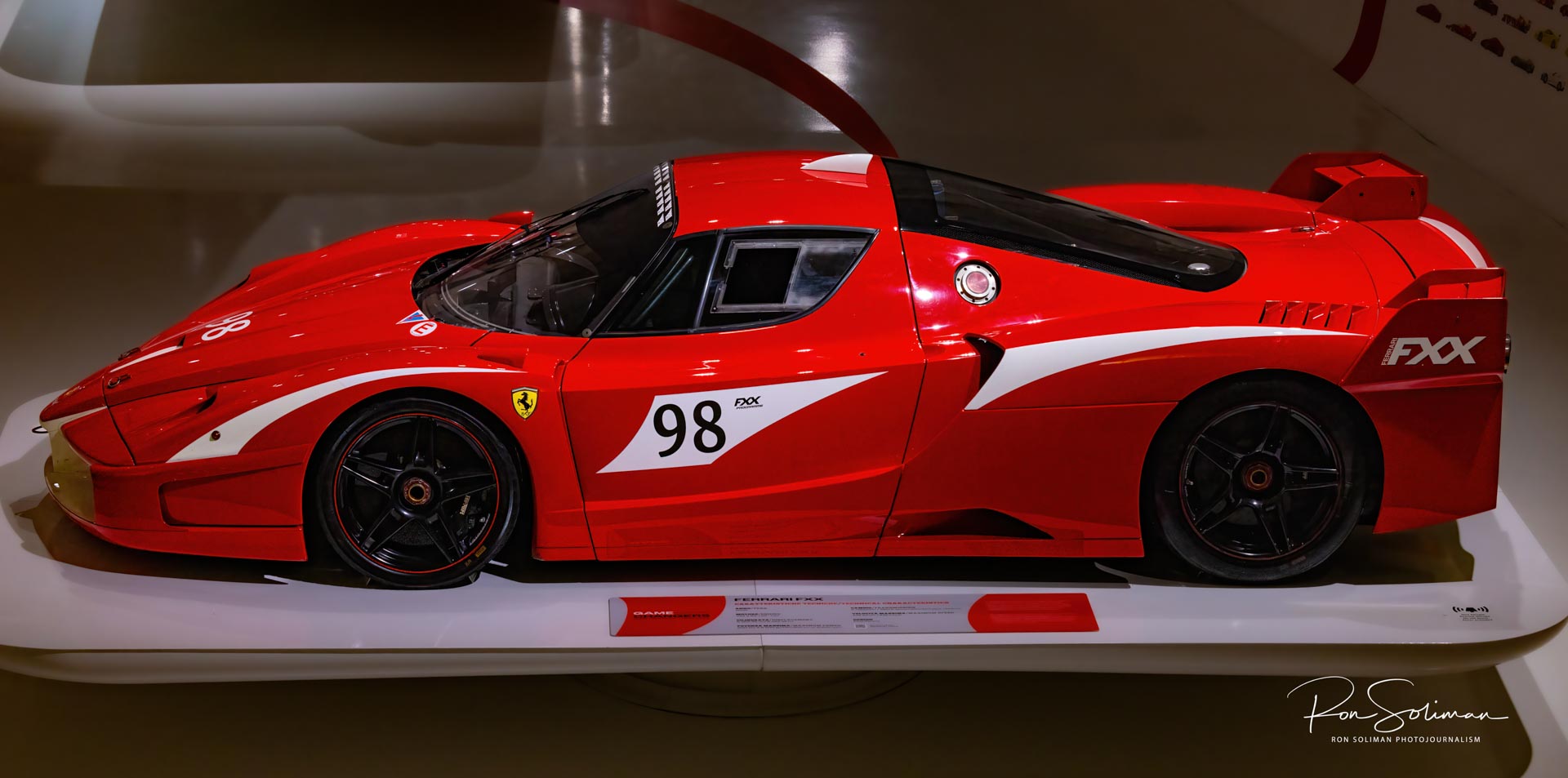
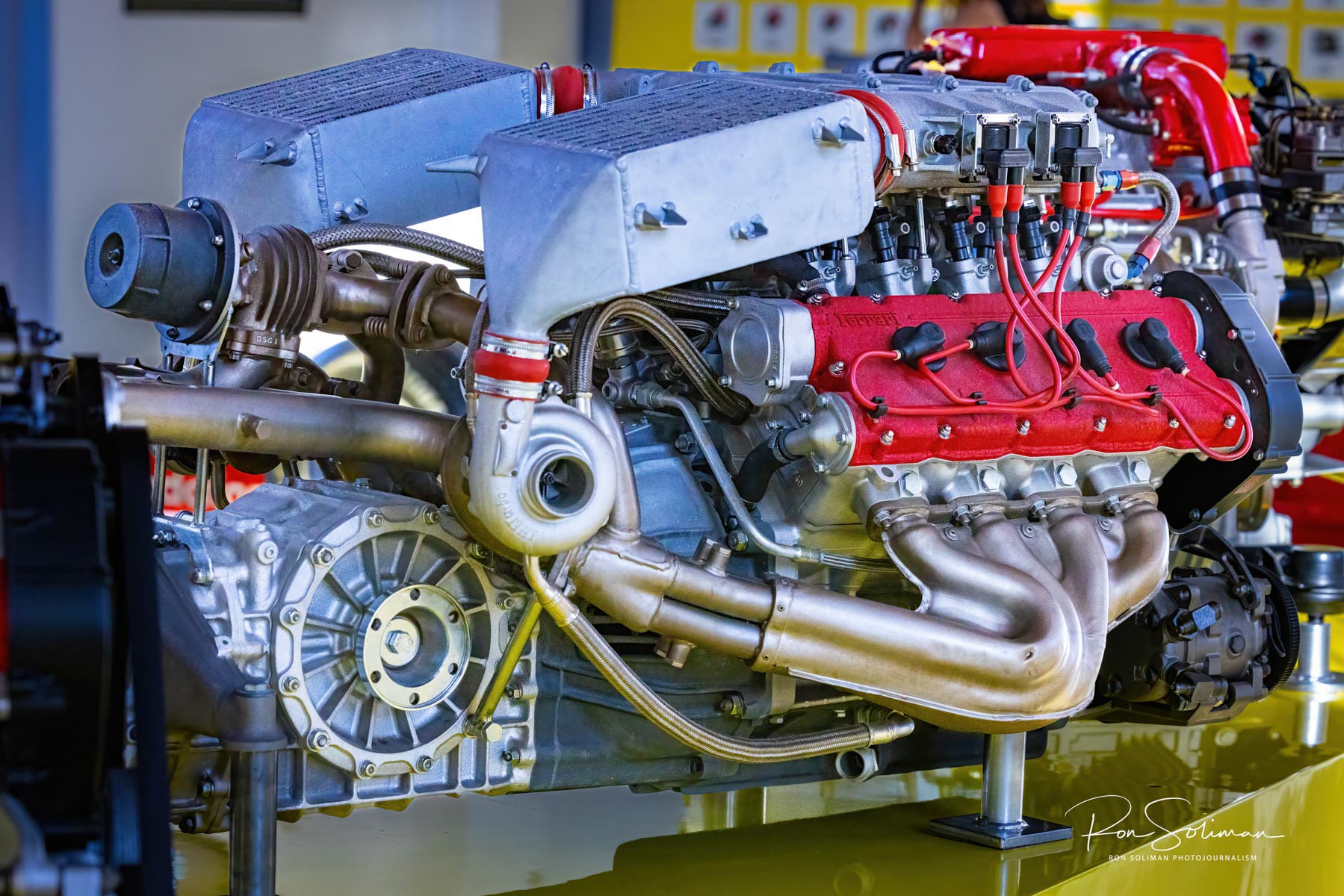
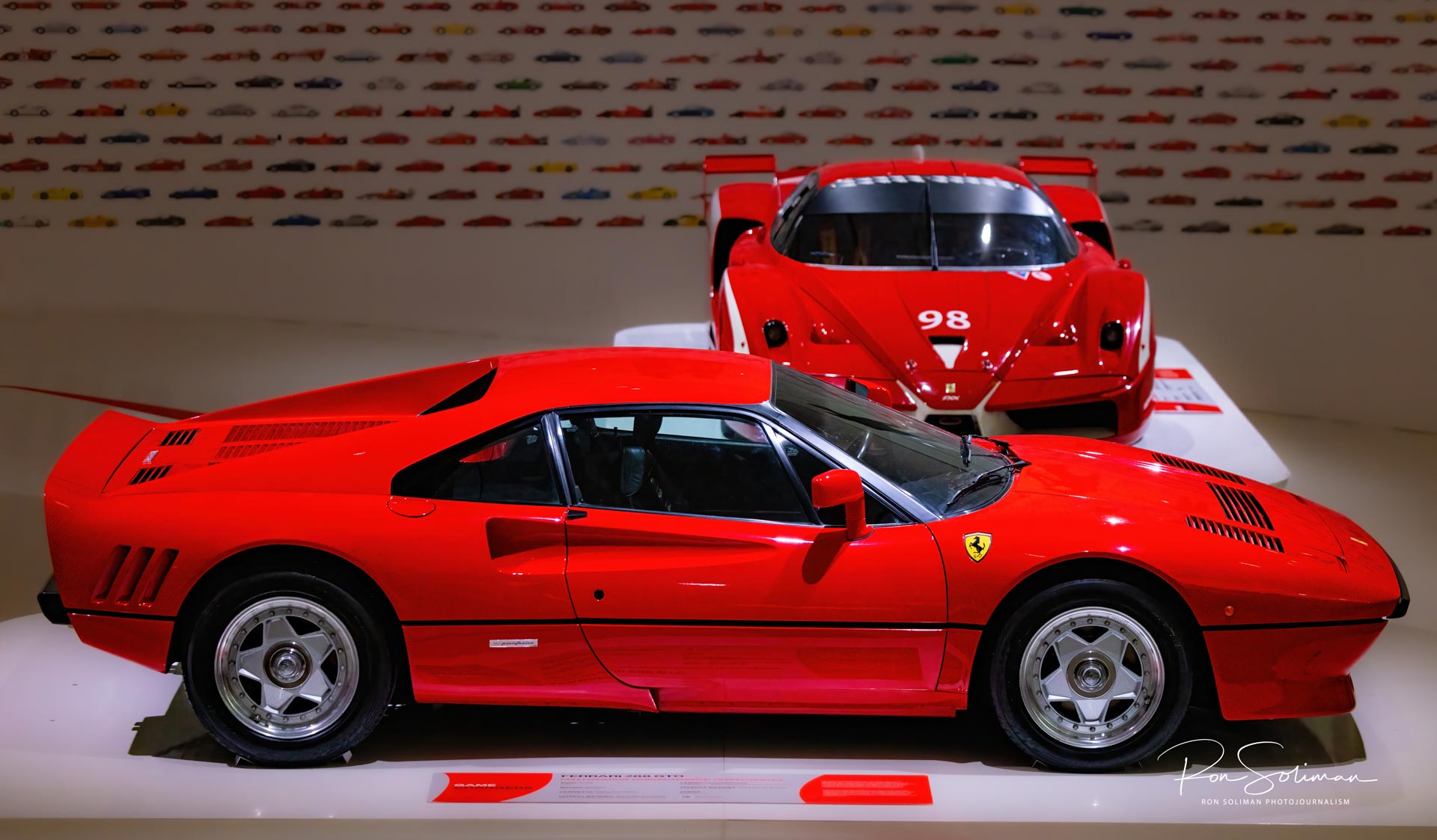
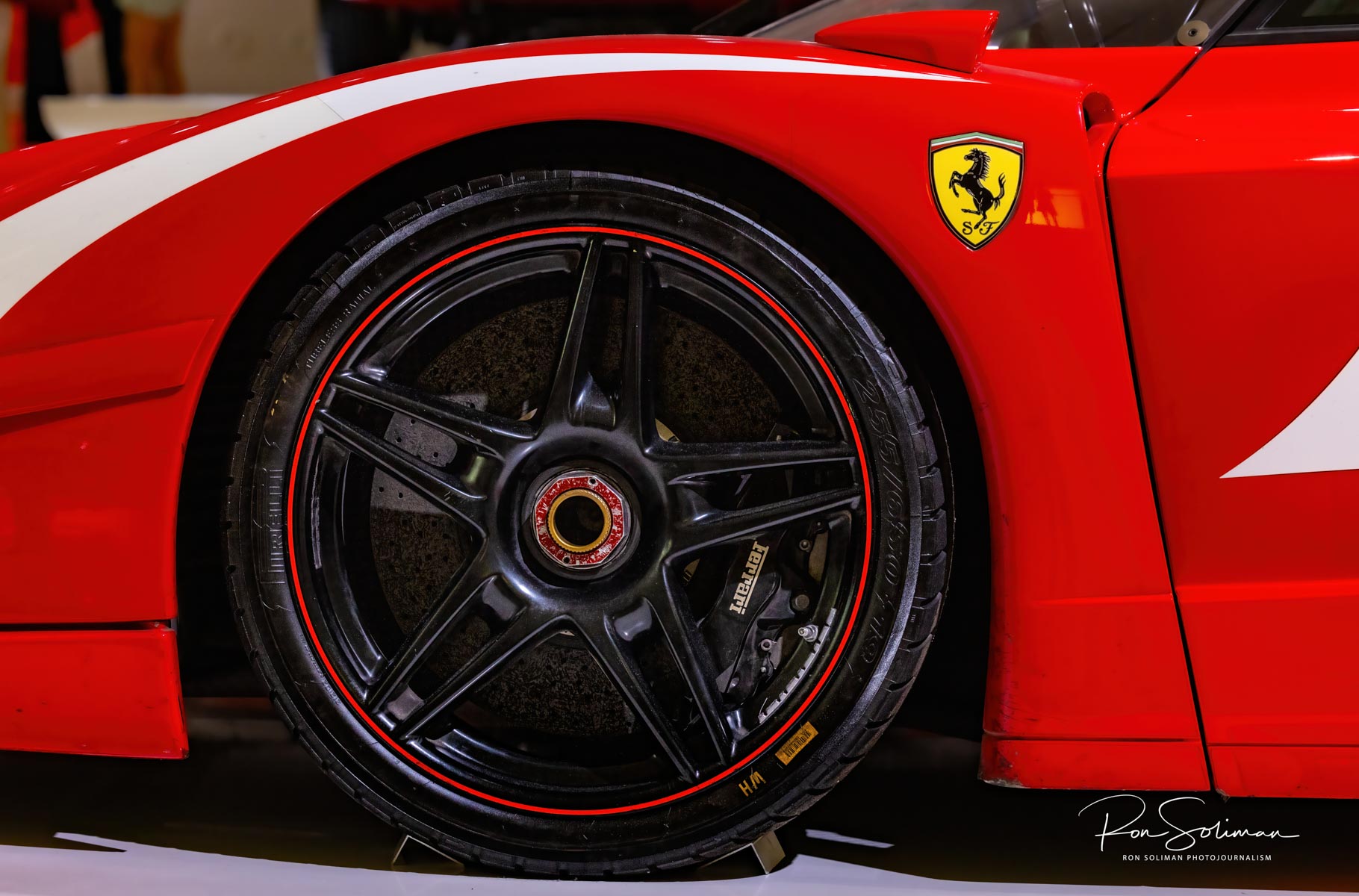
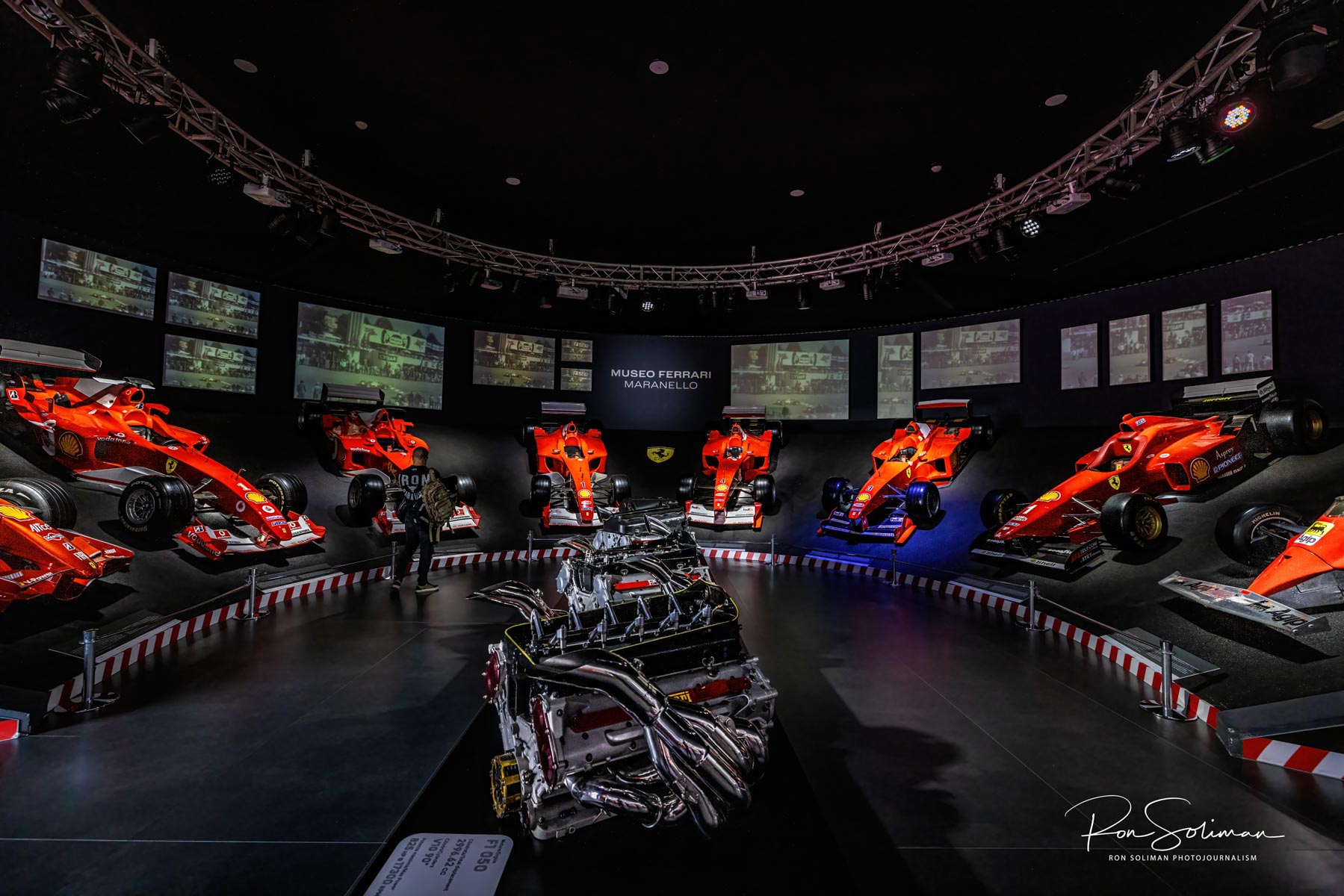
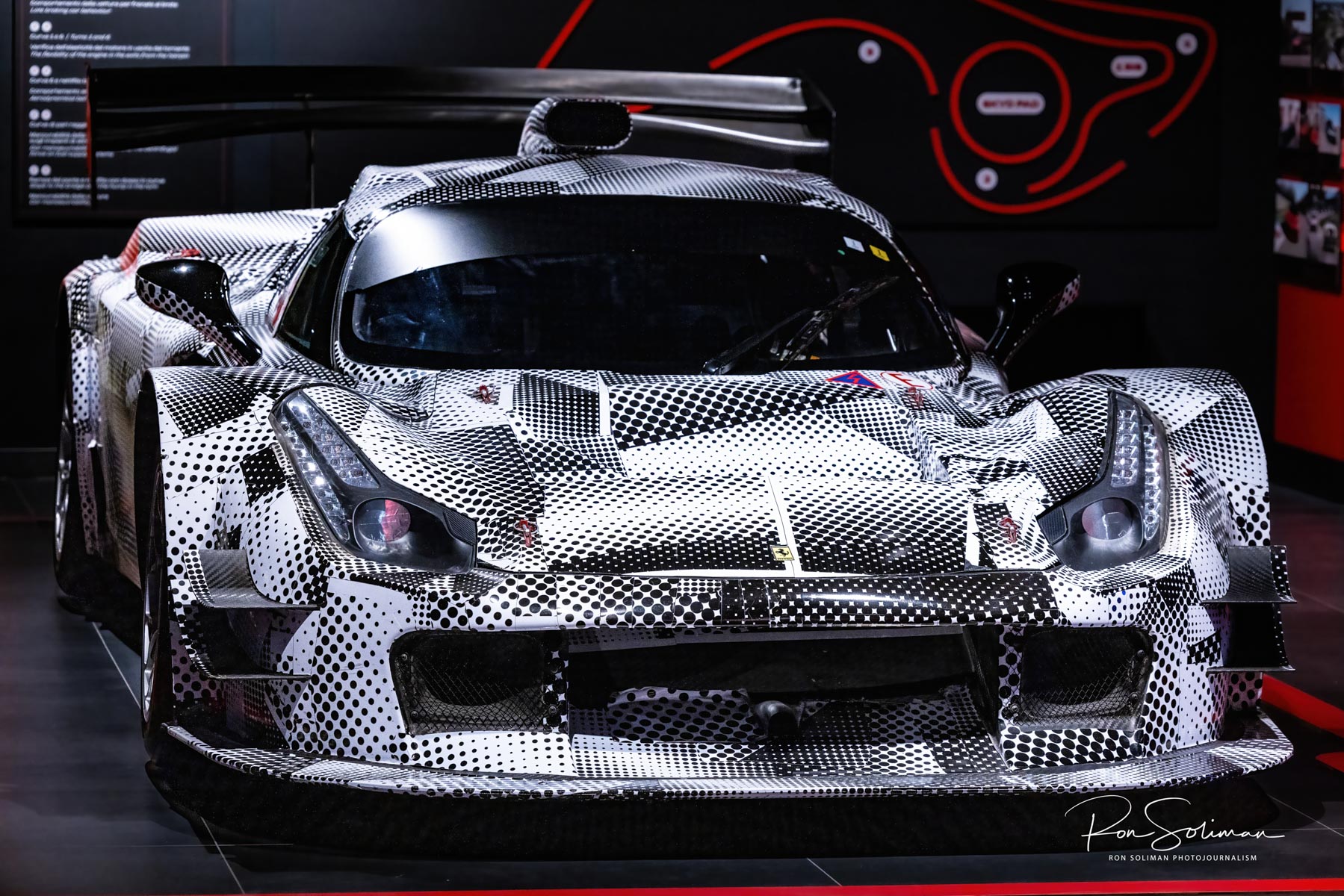
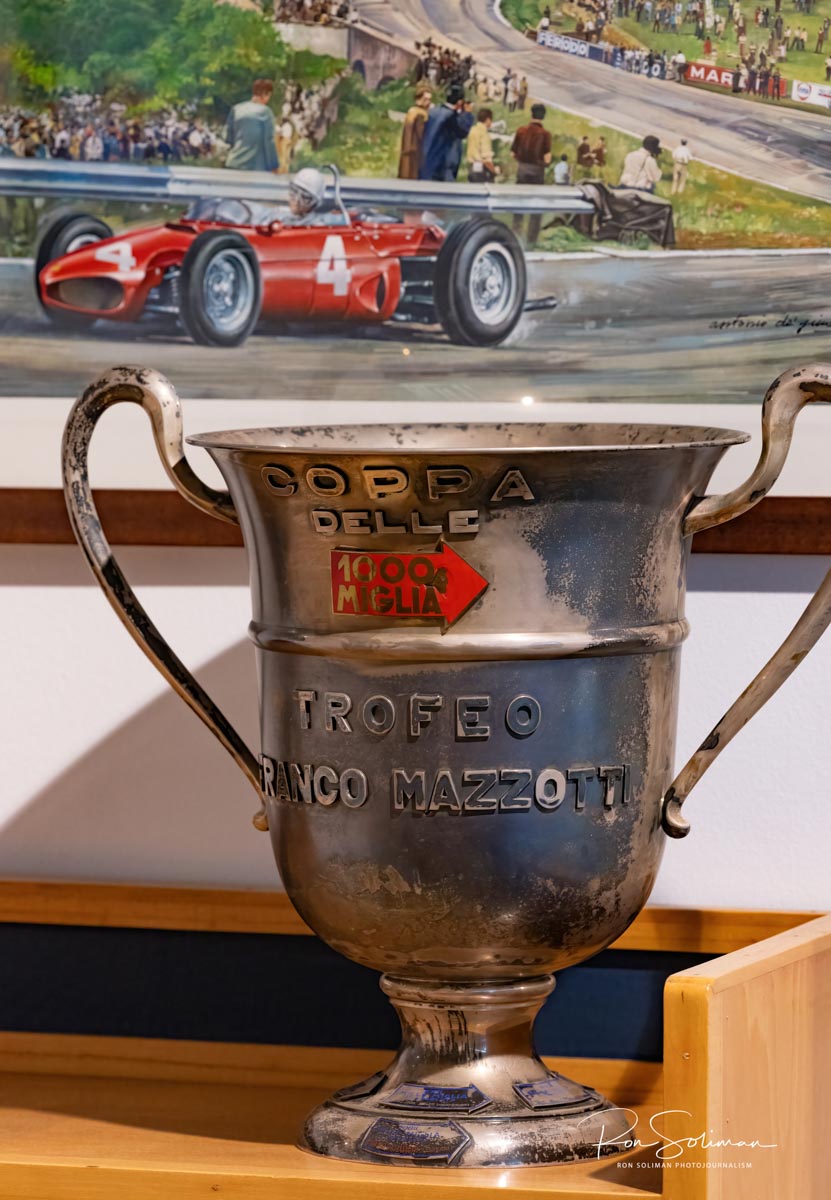
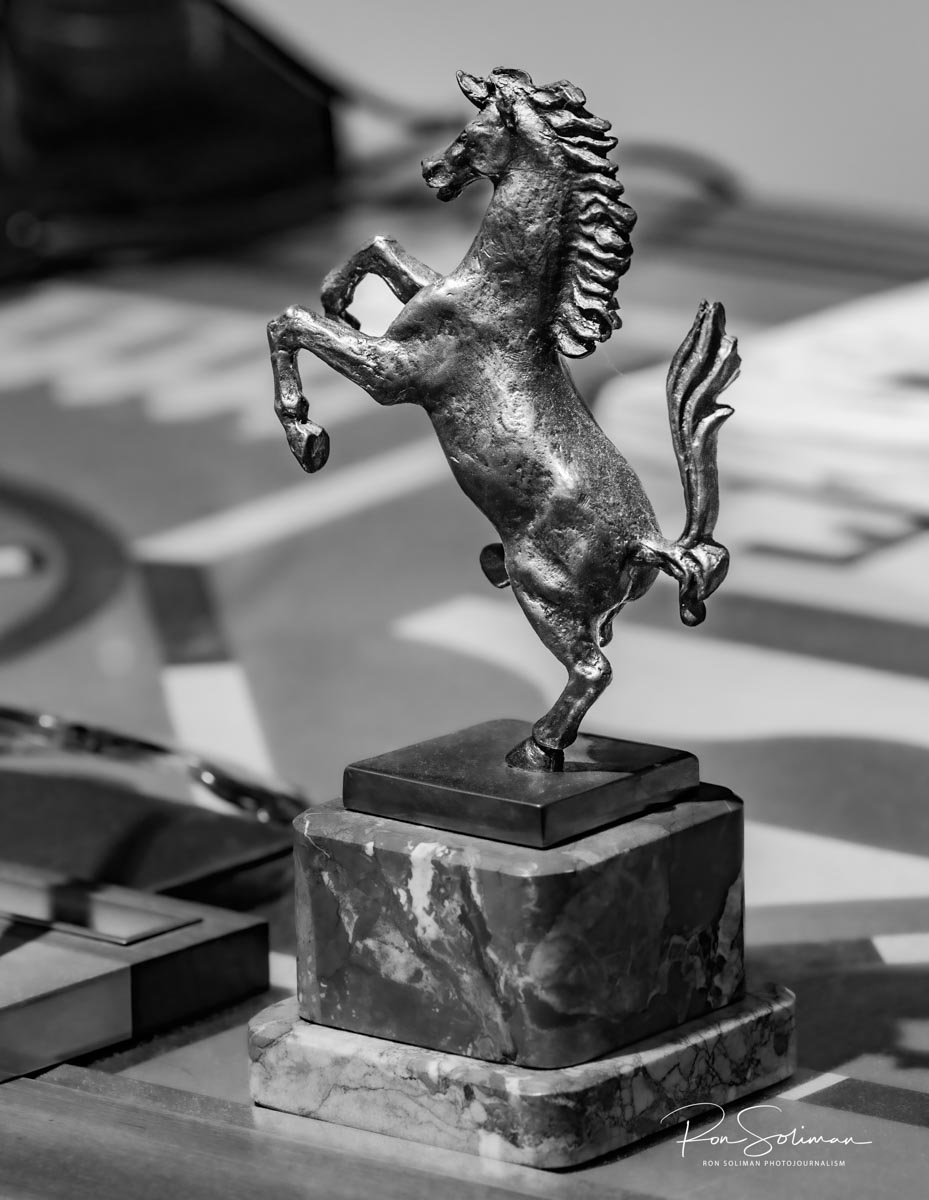
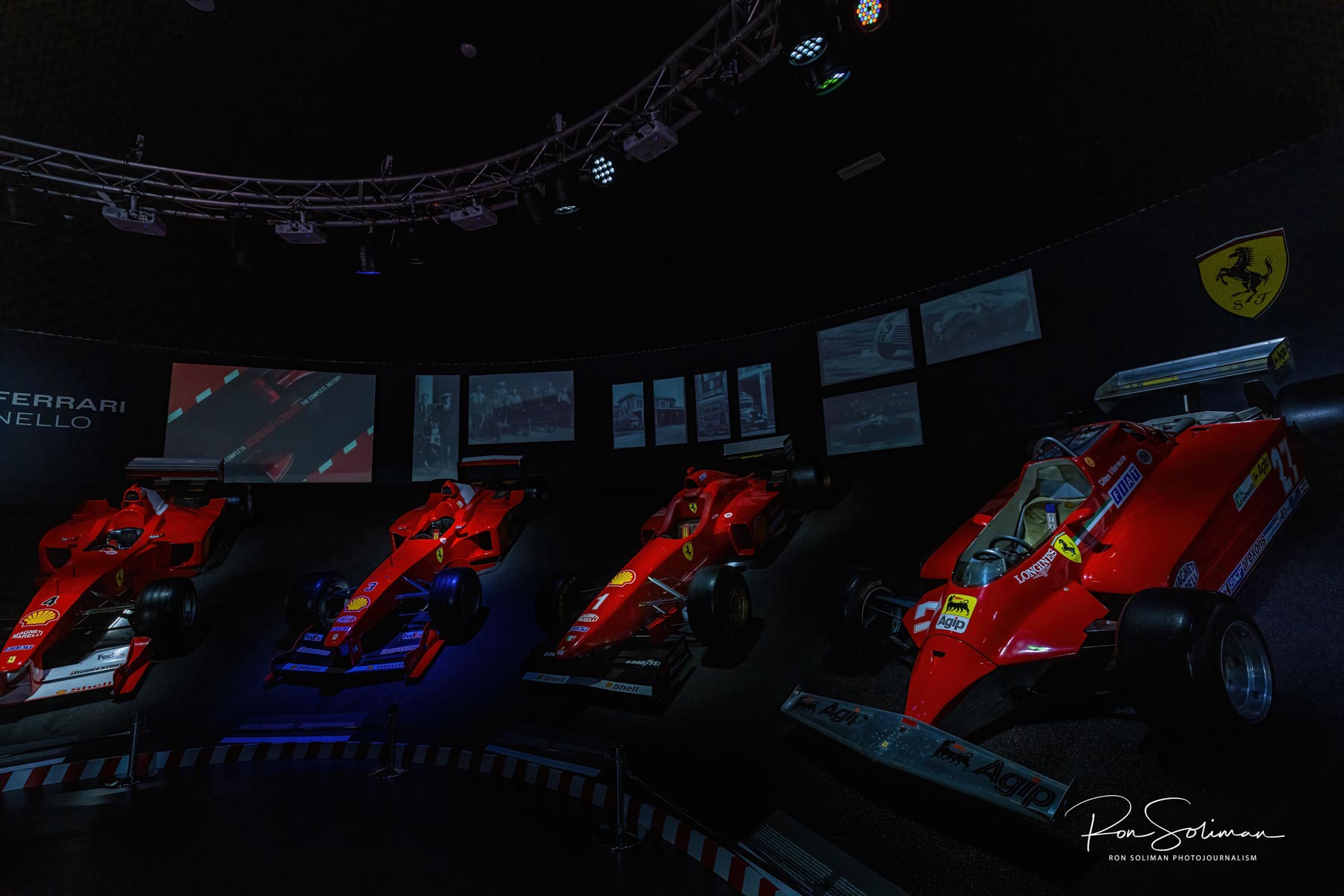
While on a road trip around Italy, we were able to visit two museums devoted to Ferrari’s legacy. The first one we visited was the Museo Enzo Ferrari in Modena, which focused on Enzo’s legacy and racing history. And a few miles away from Modena is the Museo Ferrari Maranello, which showcased the evolution of Ferrari cars, its engines, and technology. Photographing both of the Ferrari Museums of Modena and Maranello was a truly incredible experience and I’m so glad I had the opportunity to learn more about the incredible legacy of Enzo Ferrari.
Check out these photos….
For more information on the hours of operation, how to purchase tickets, or how to get to both Museums, click on each picture below –
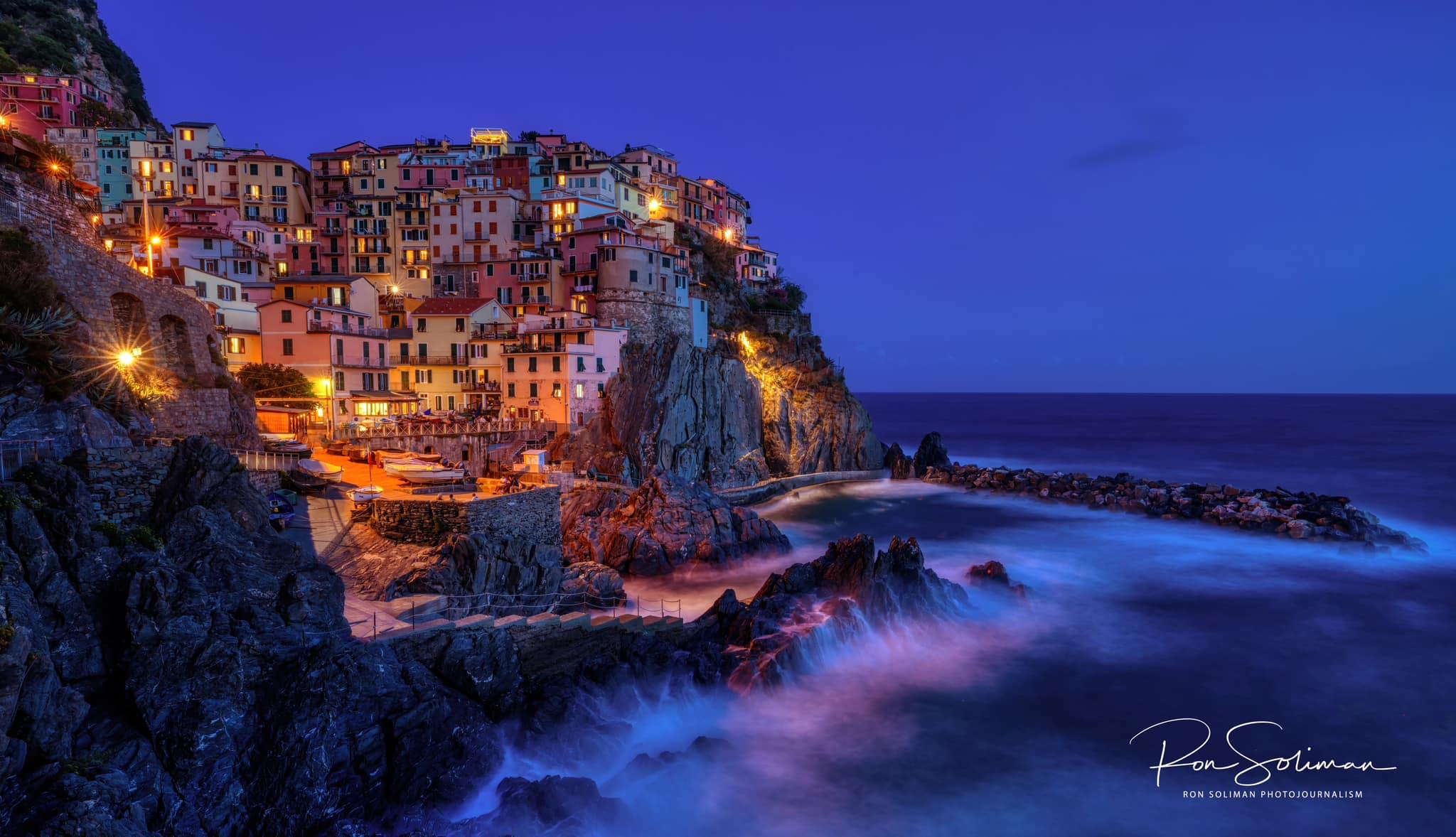
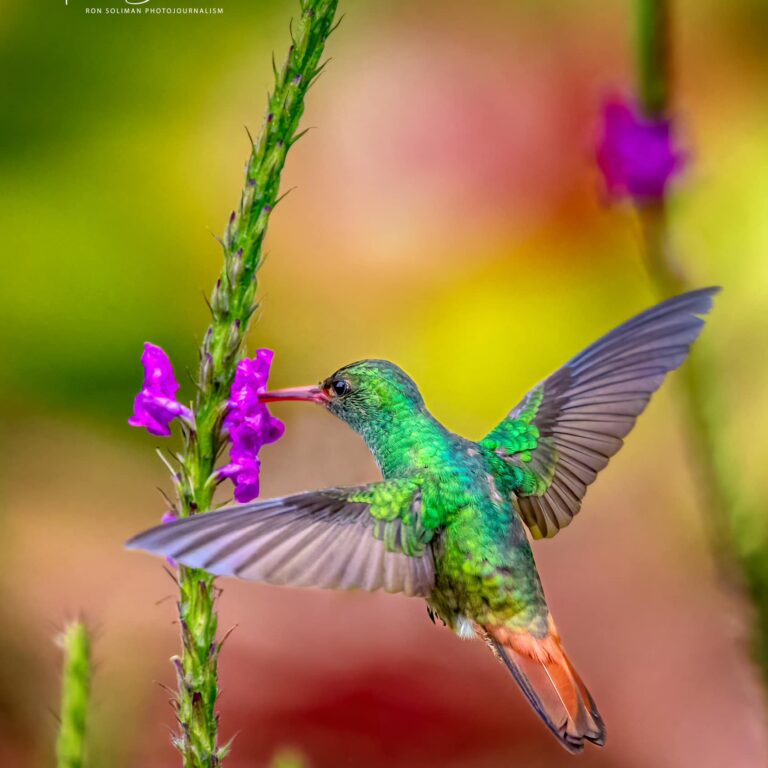
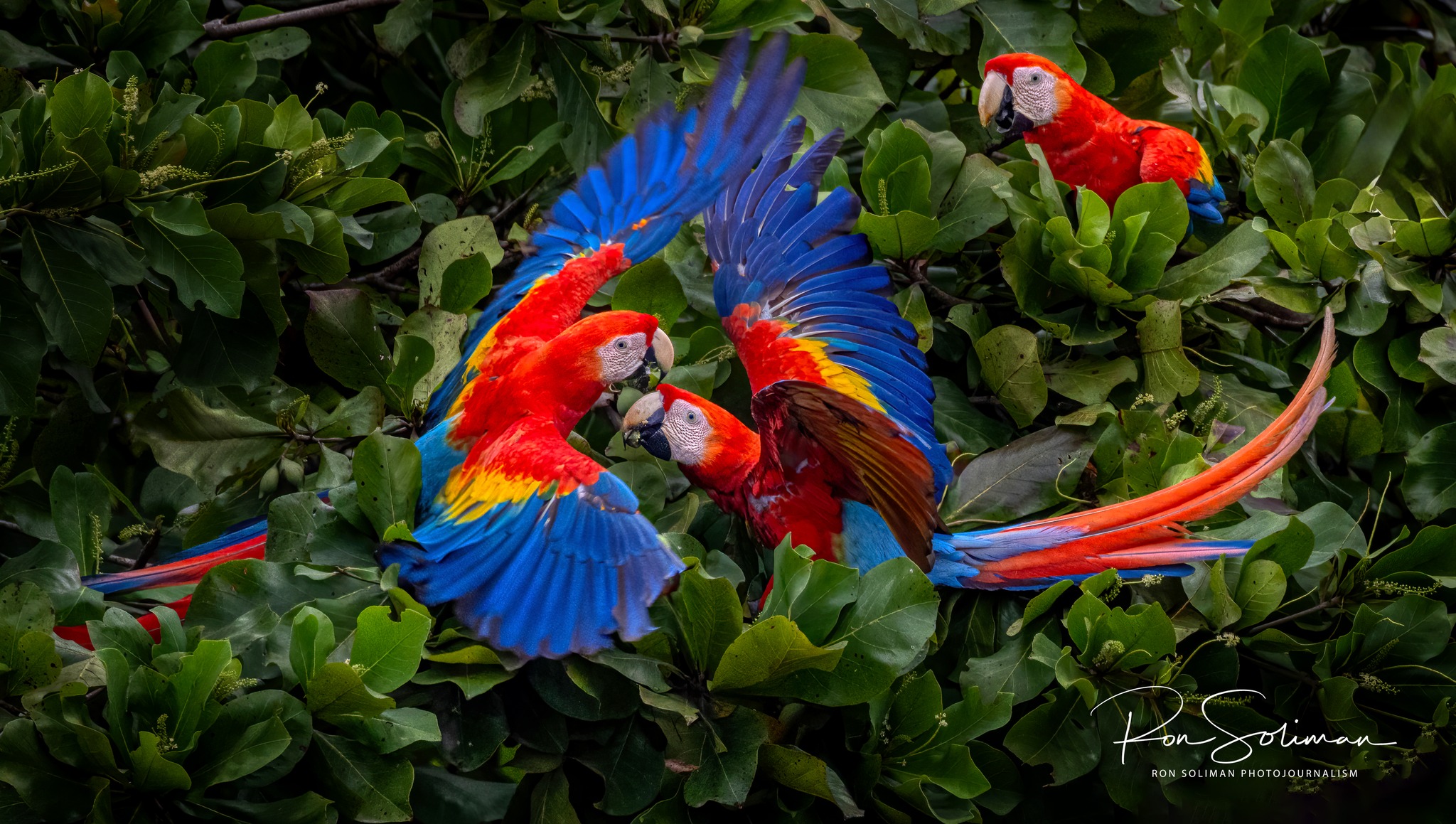
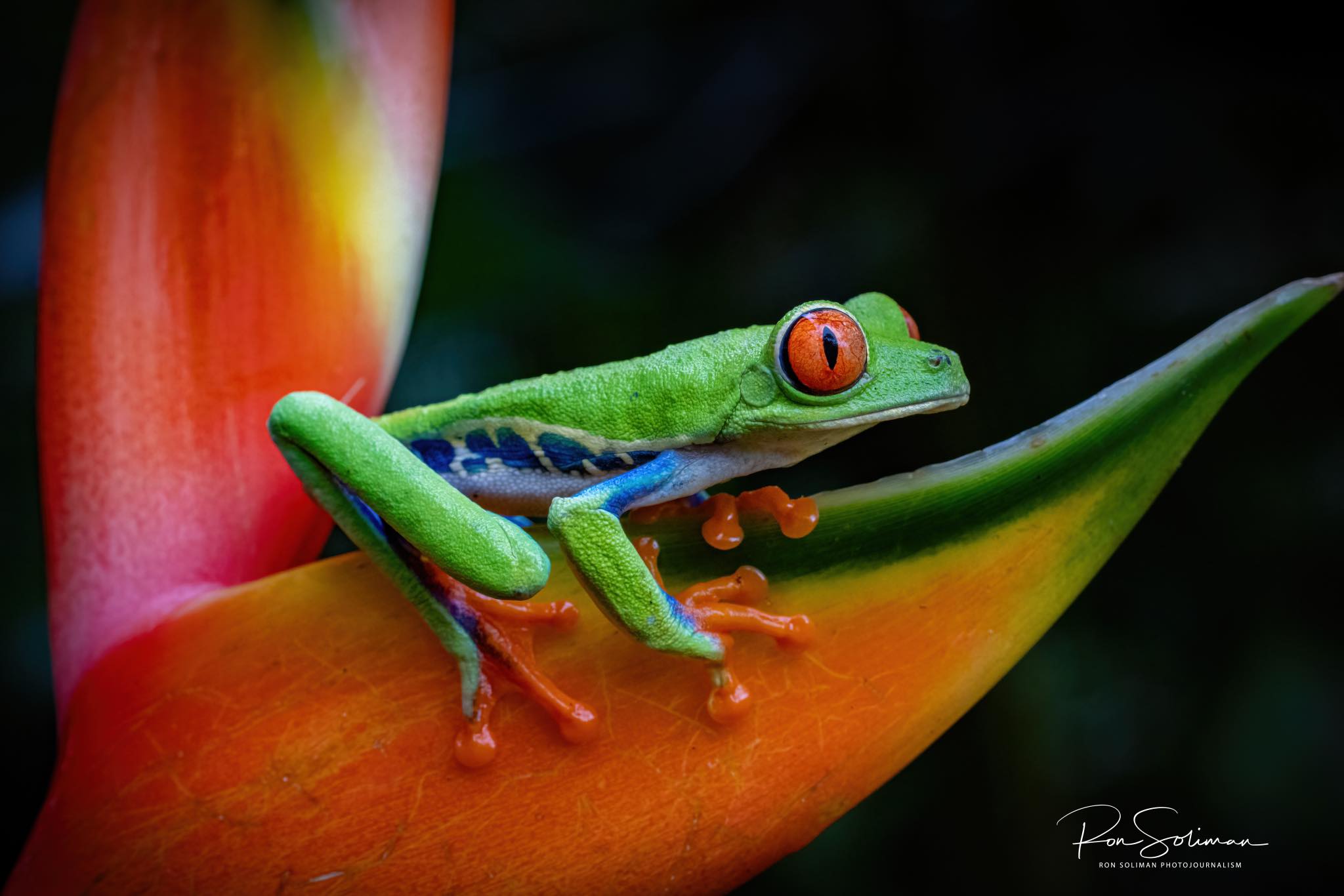
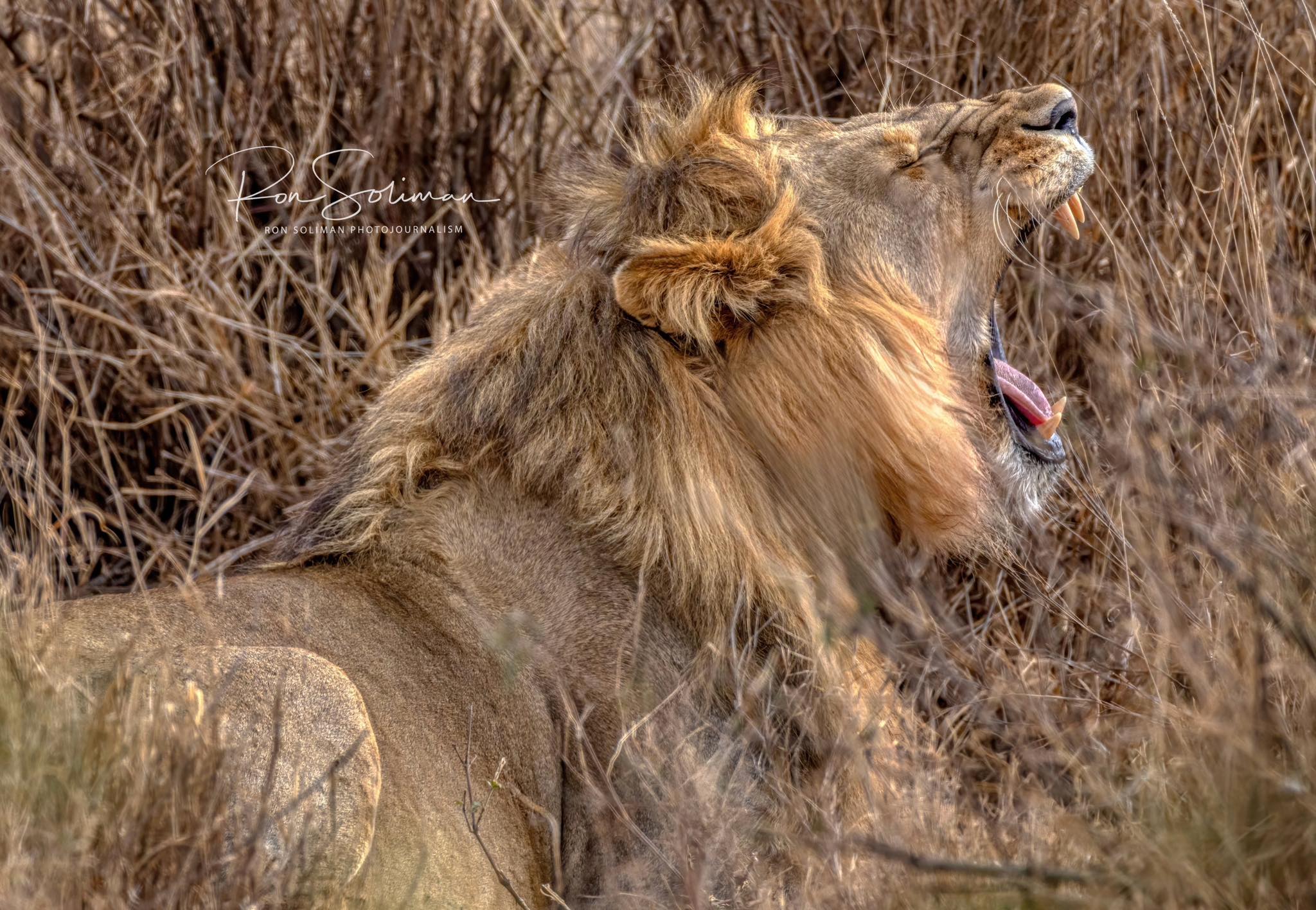
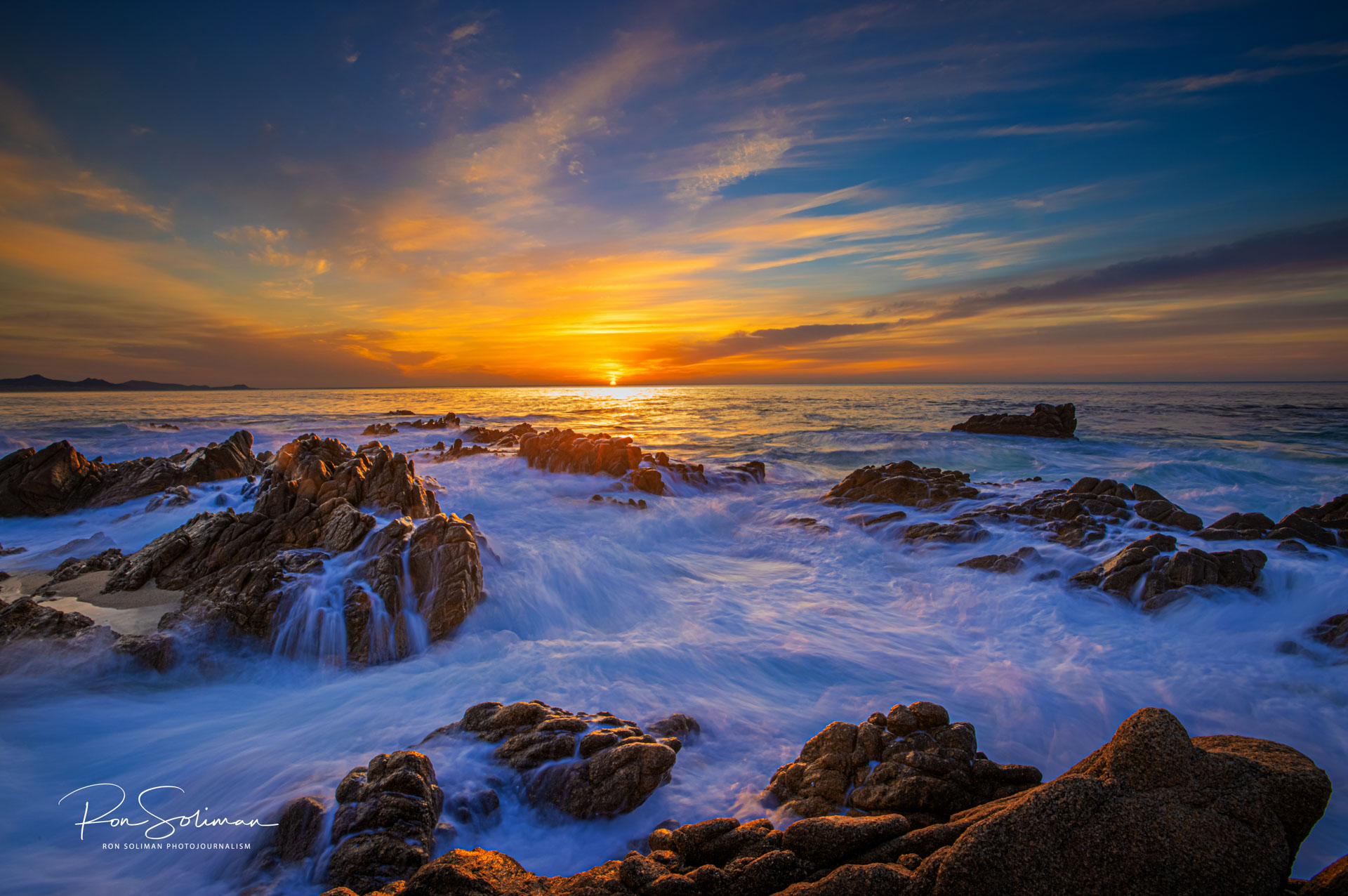
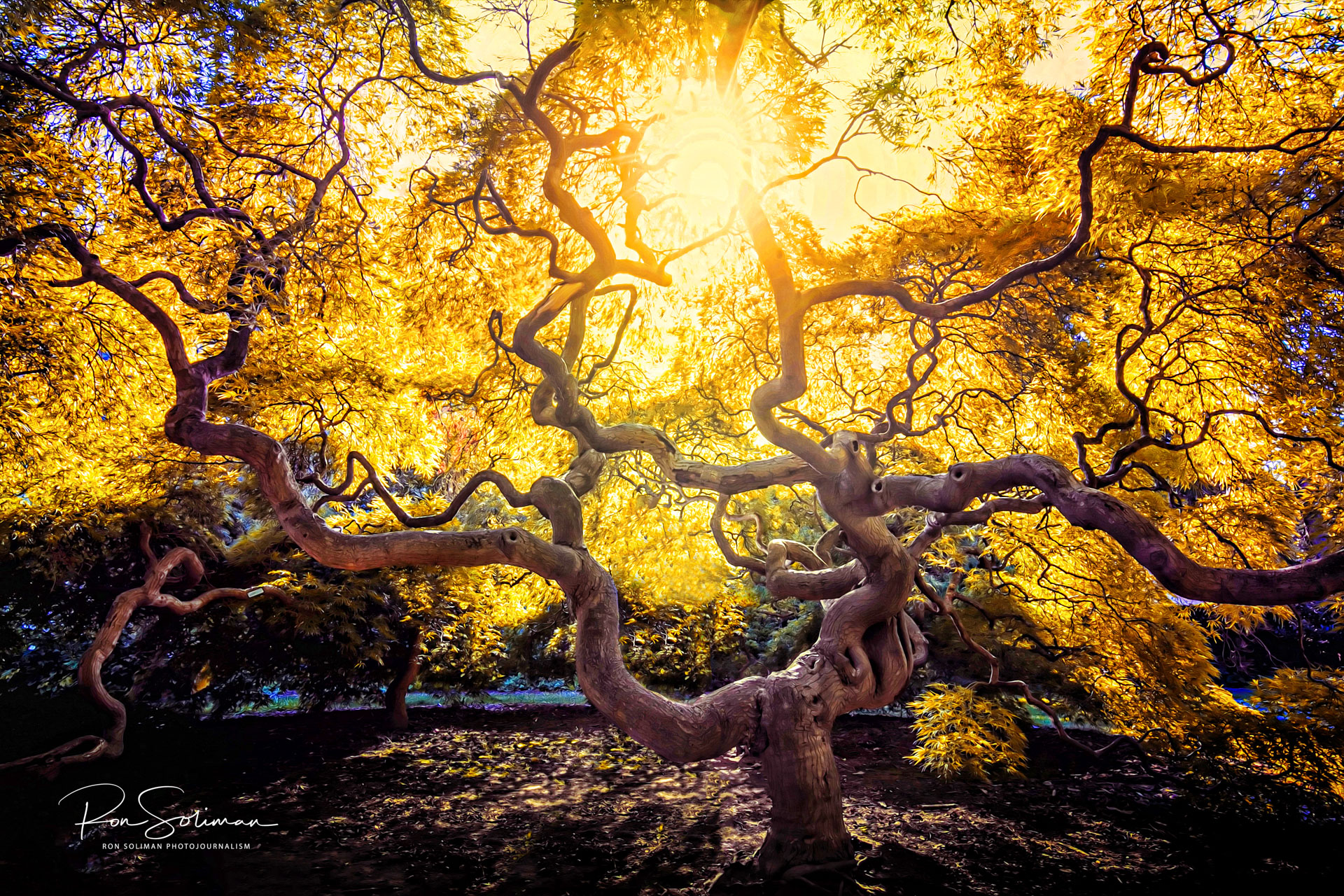
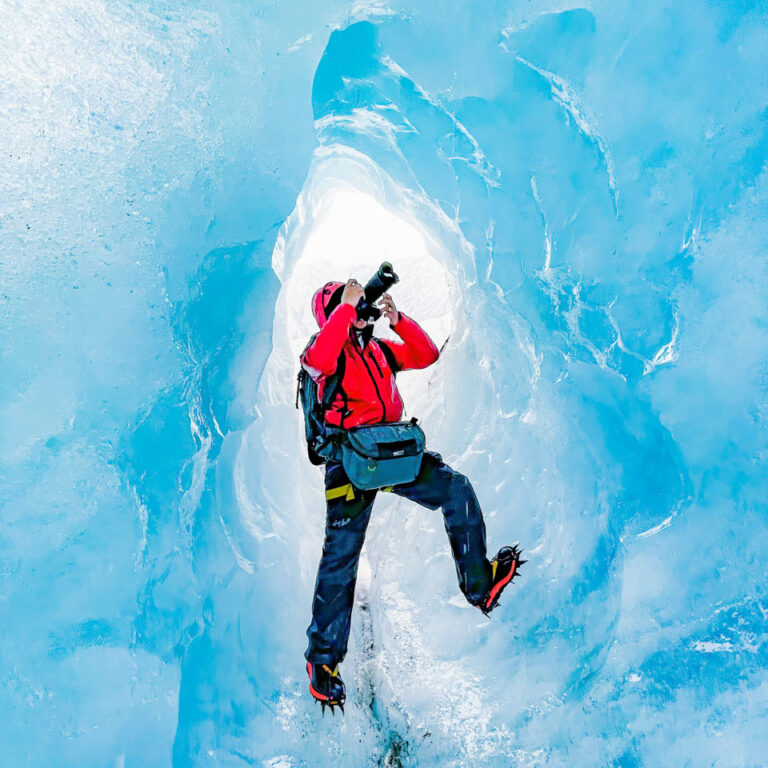
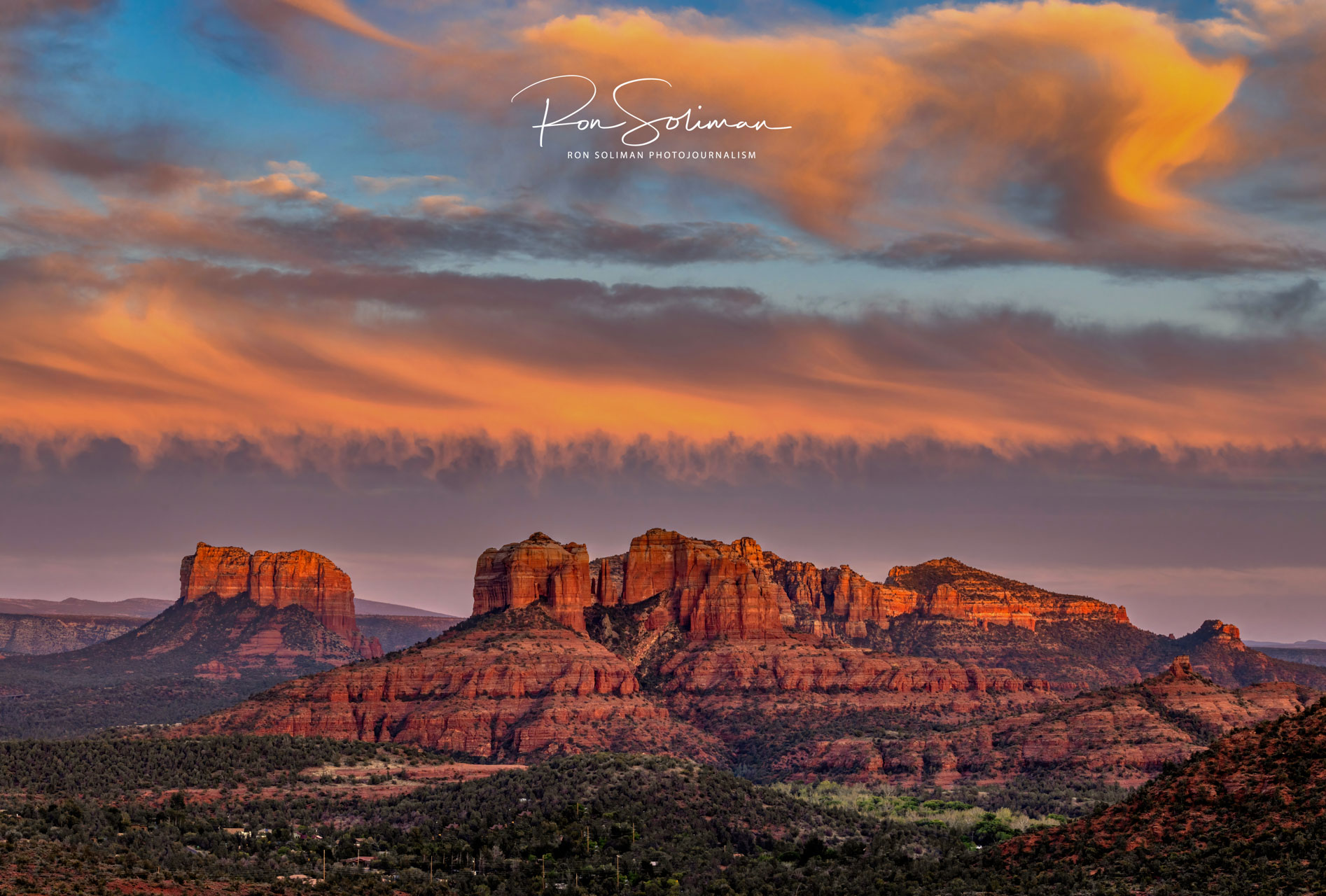
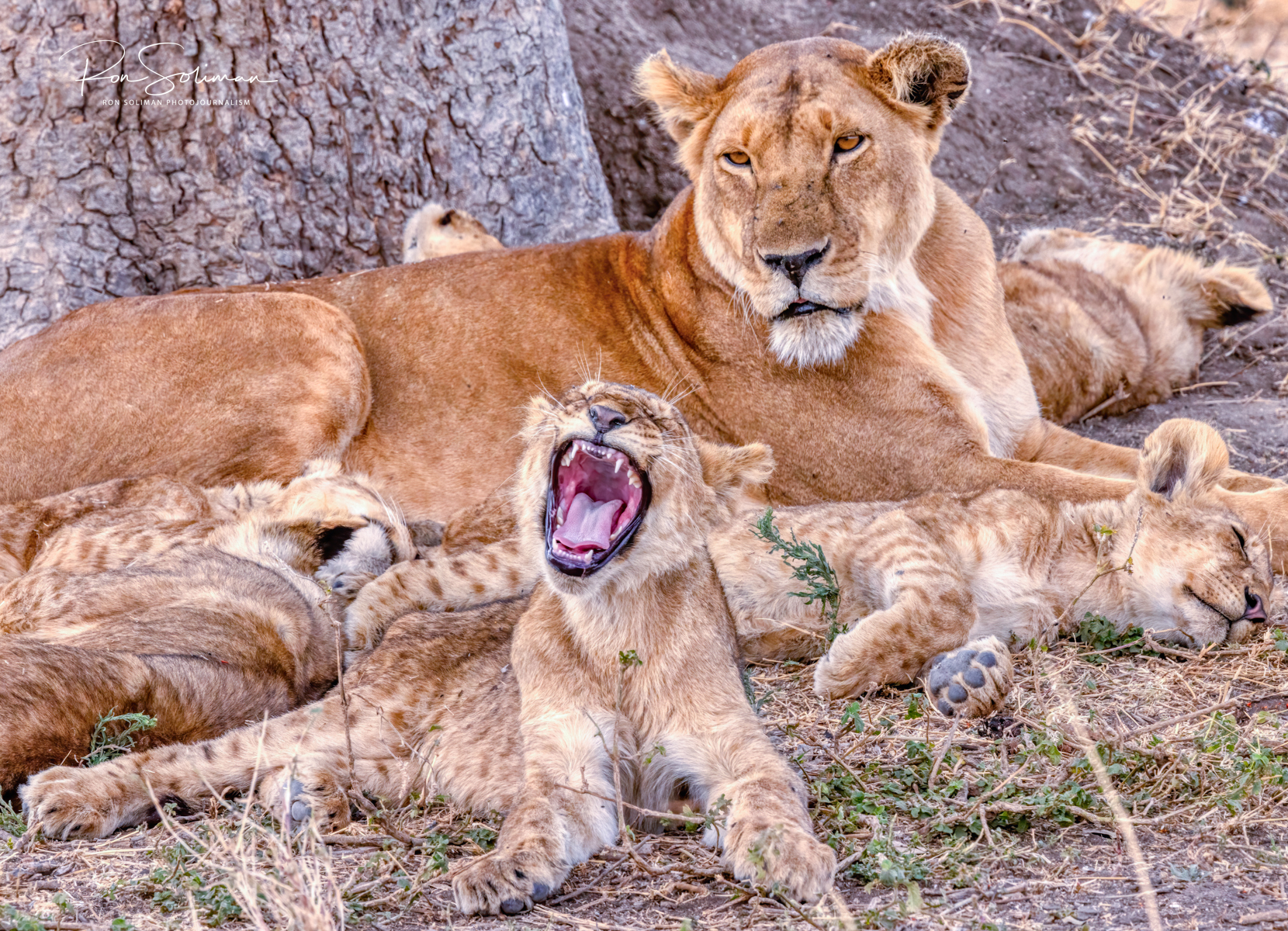
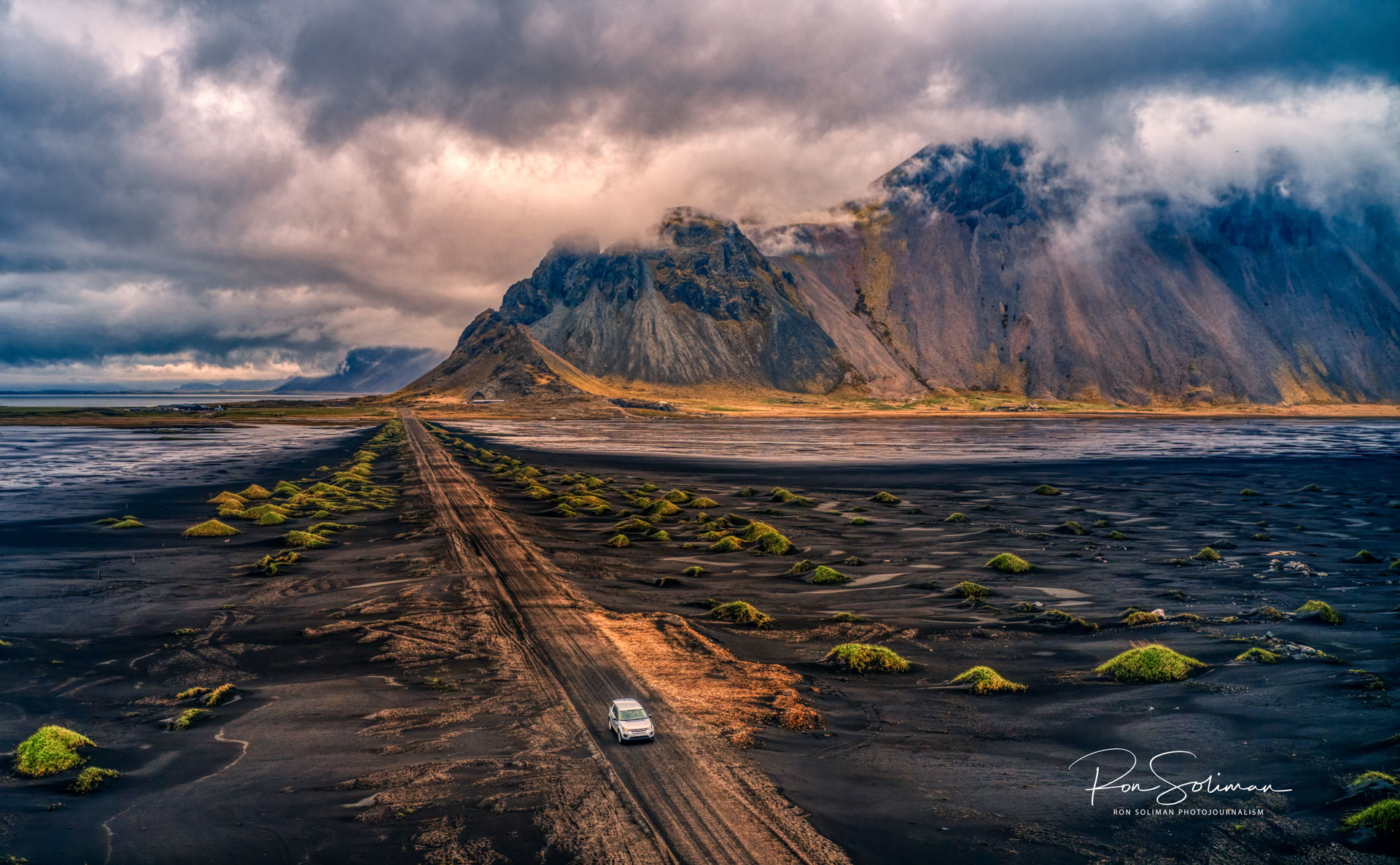
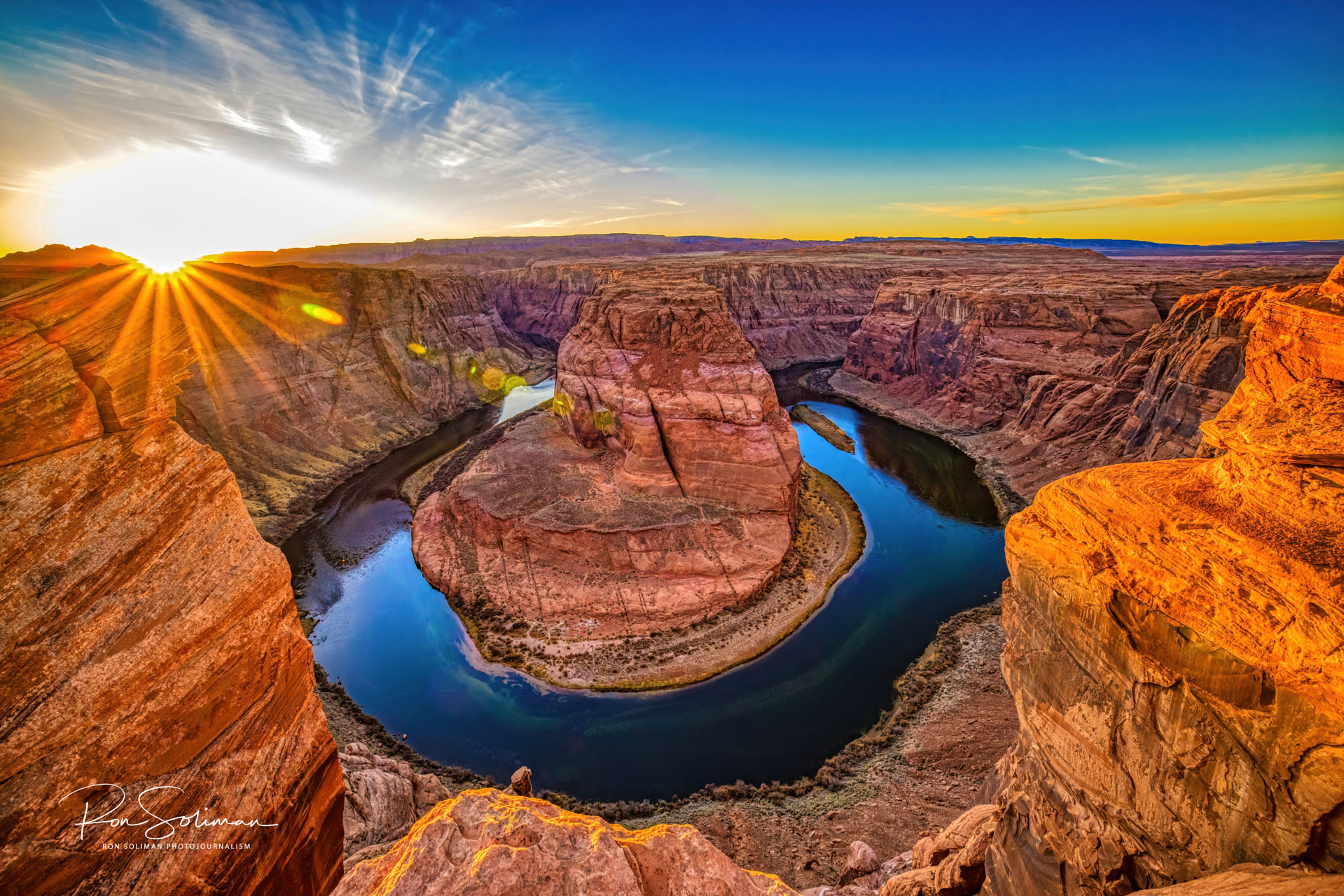
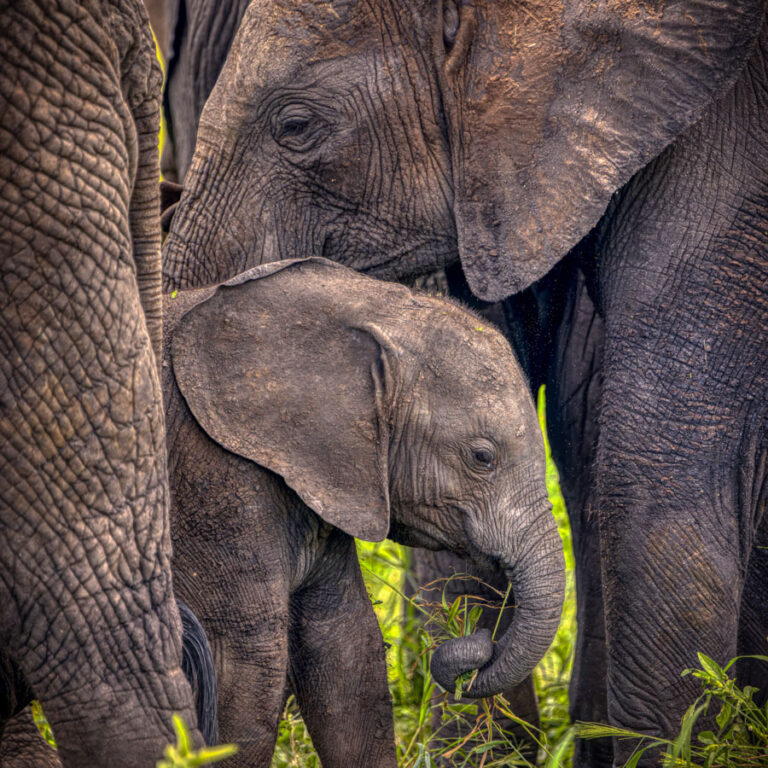
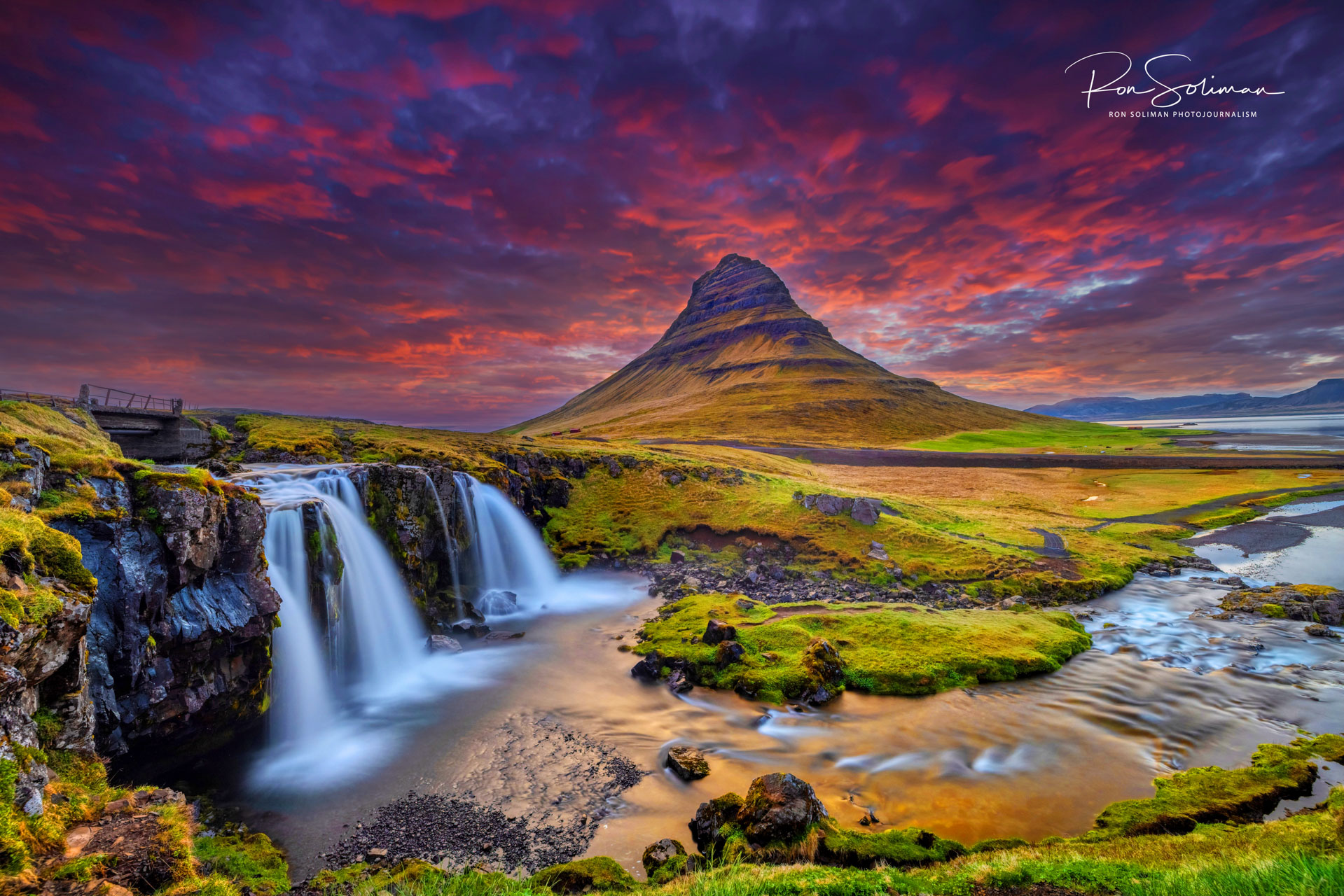
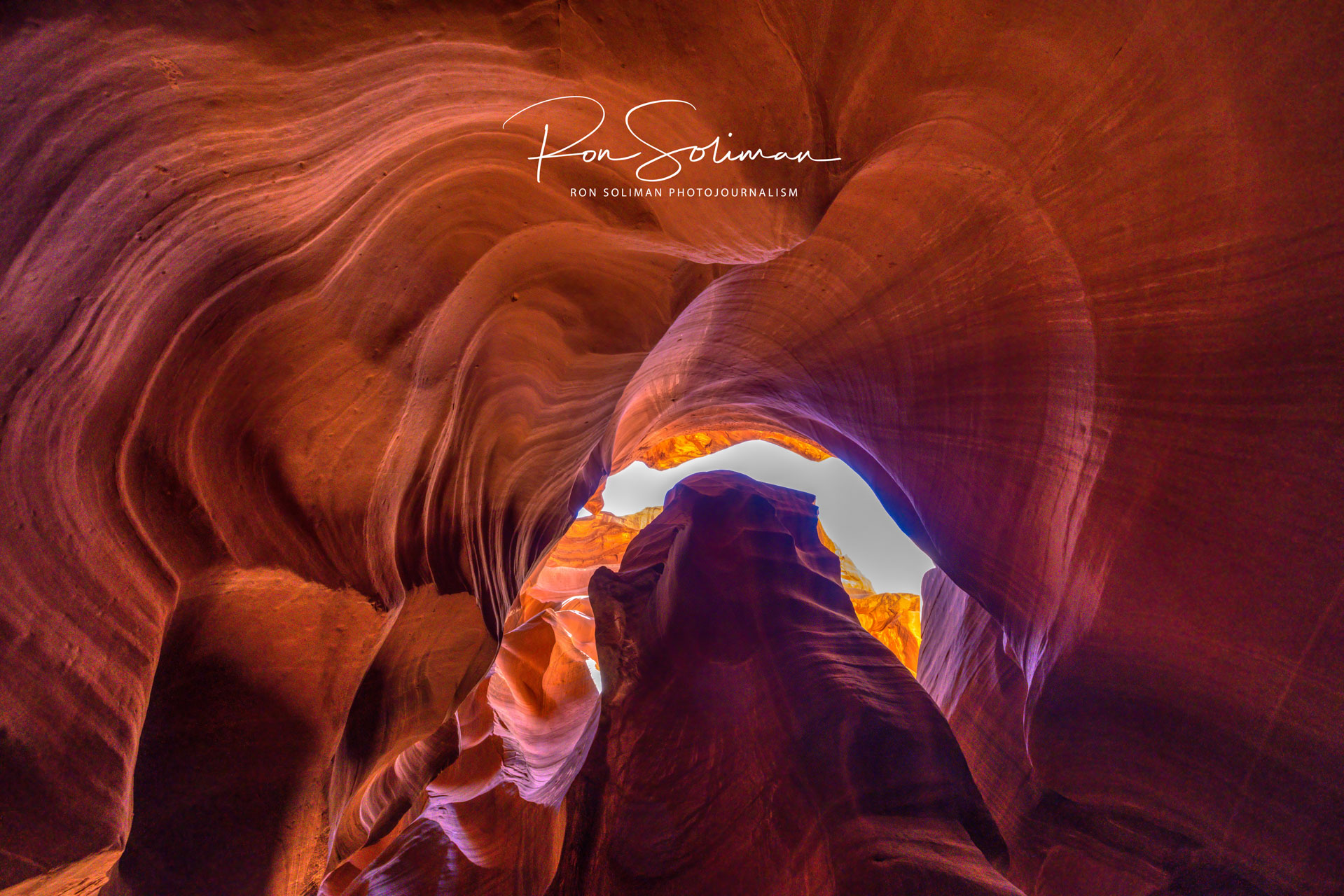
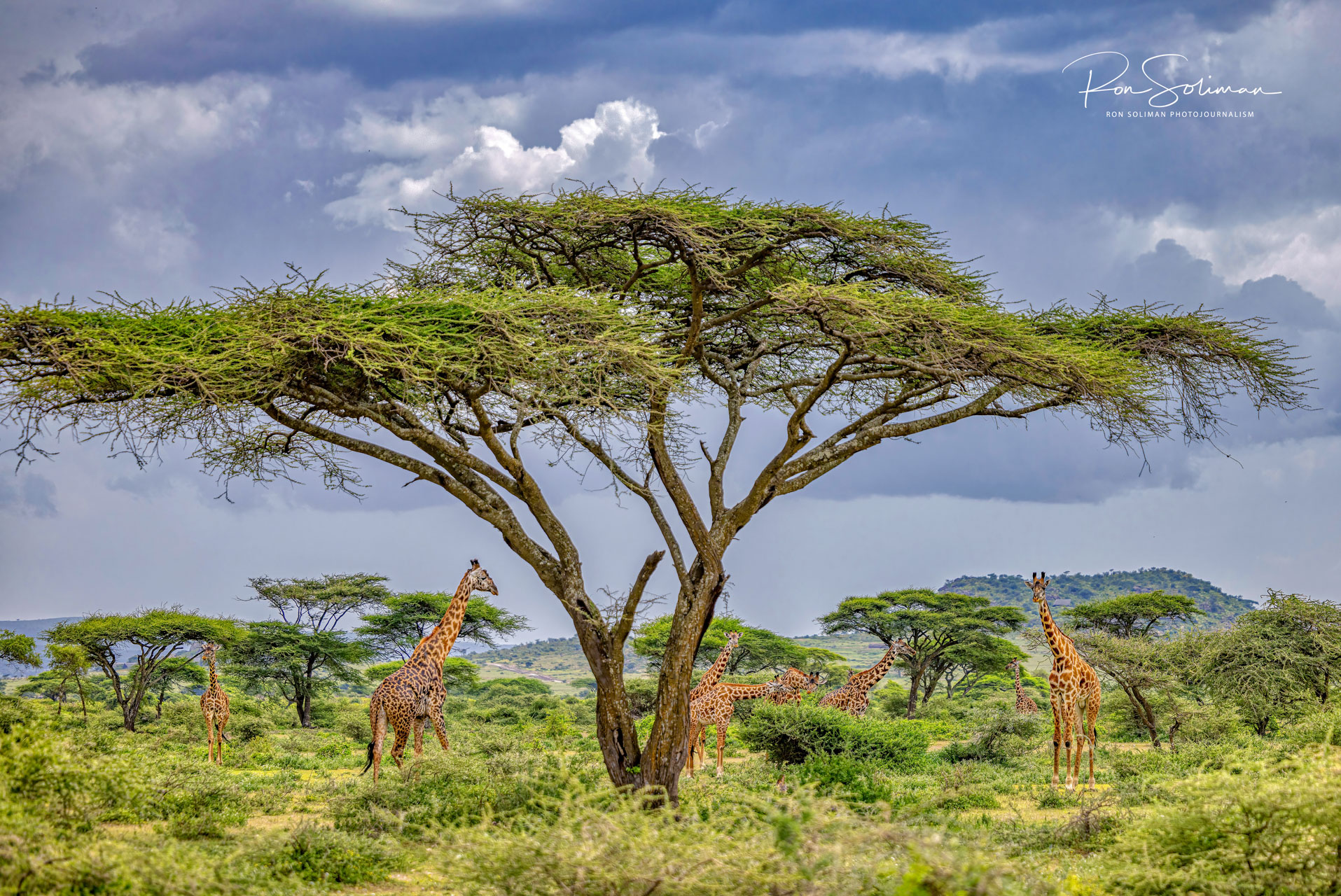
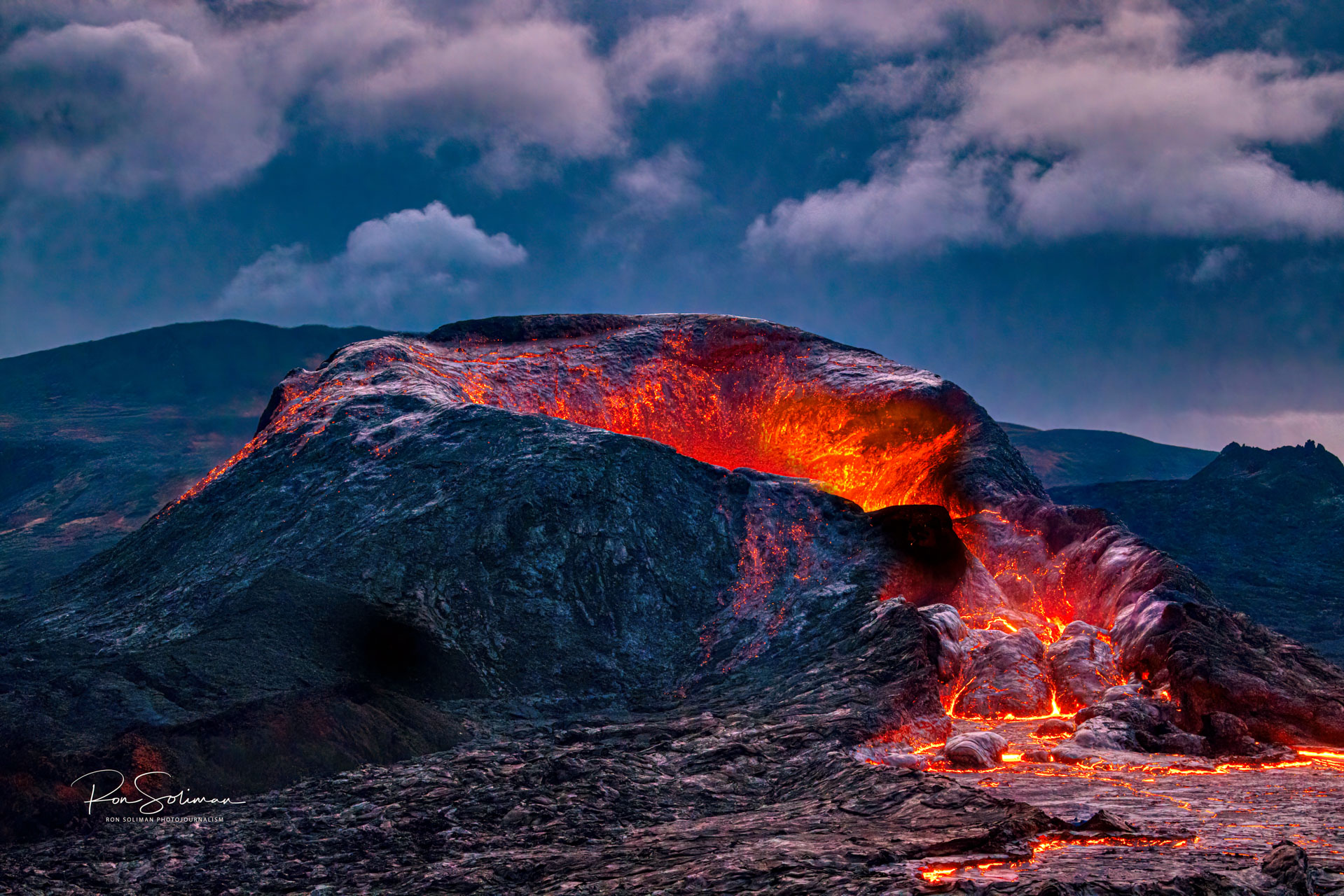
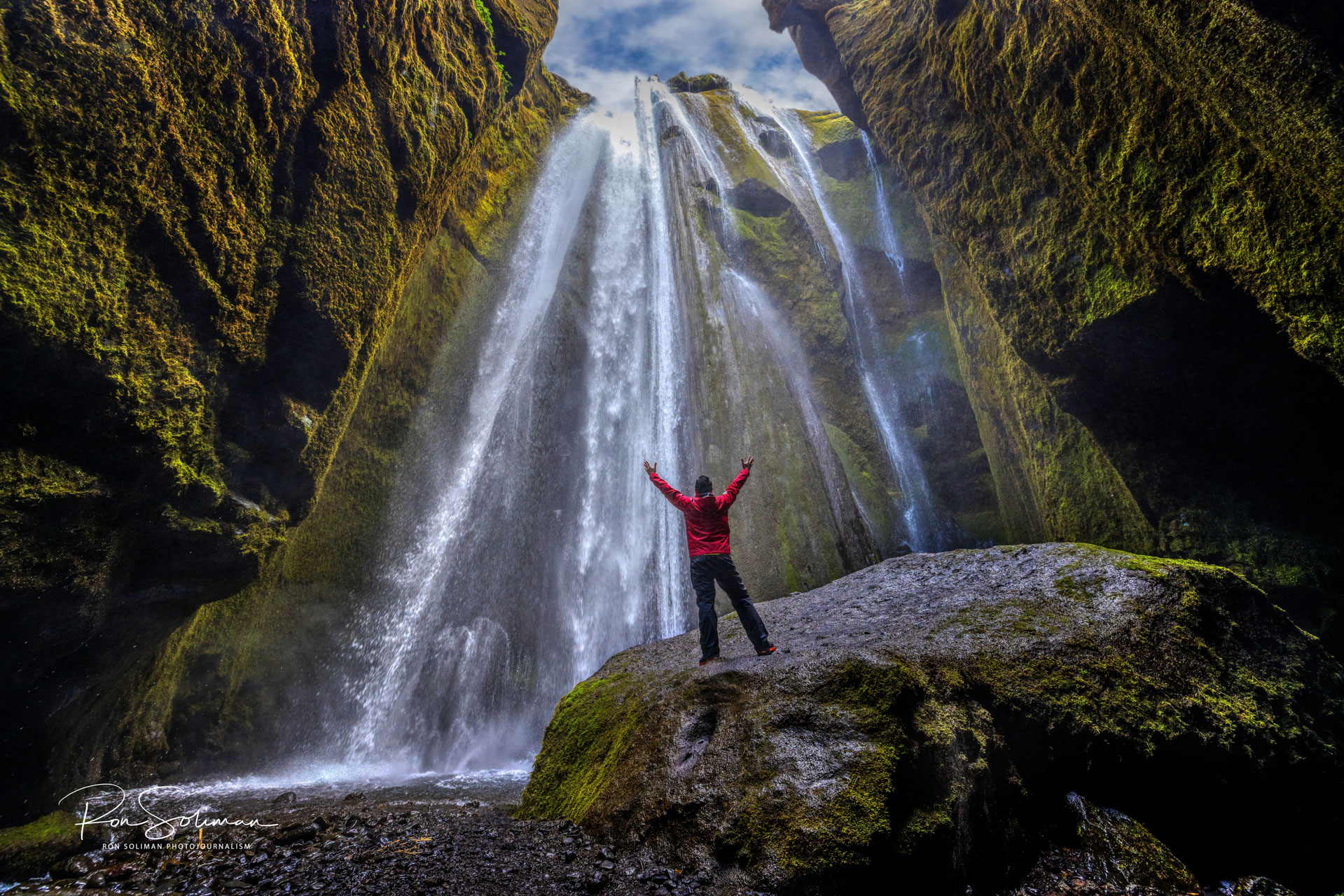
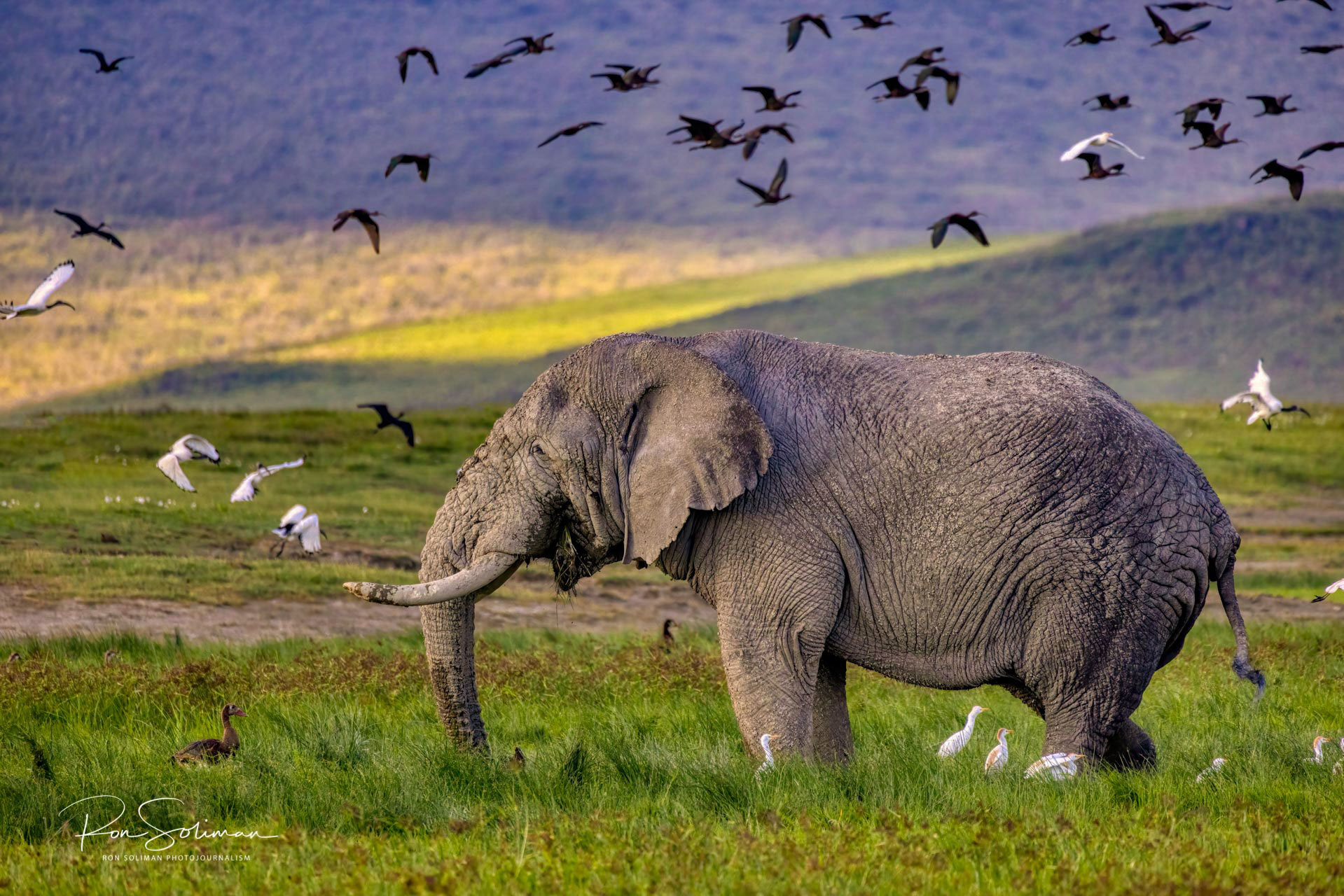
Celebrating the Beauty of Planet Earth in Pictures – Earth Day is a day to celebrate the beauty and wonder of our planet, a day to reflect on our relationship with the natural world, and a day to commit ourselves to protect our planet’s precious natural resources for generations to come.
As a travel and a wildlife photographer, I’ve had the privilege of not only witnessing stunning natural wonders but also capturing their beauty through my camera lens. I want to take you on a journey with me to explore some of my favorite images from around the world. Through my art, I hope to inspire others to appreciate the beauty of the natural world and to take action to protect it.
HAPPY EARTH DAY to everyone! Enjoy!





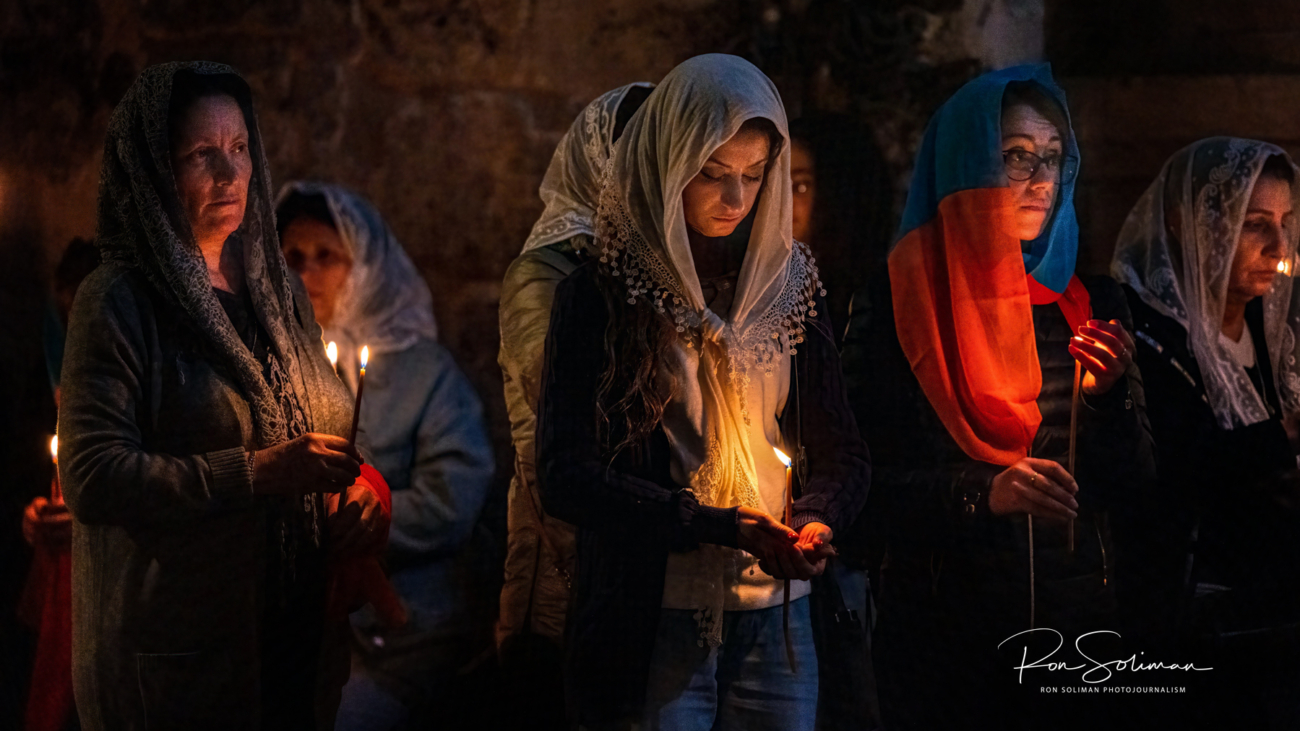
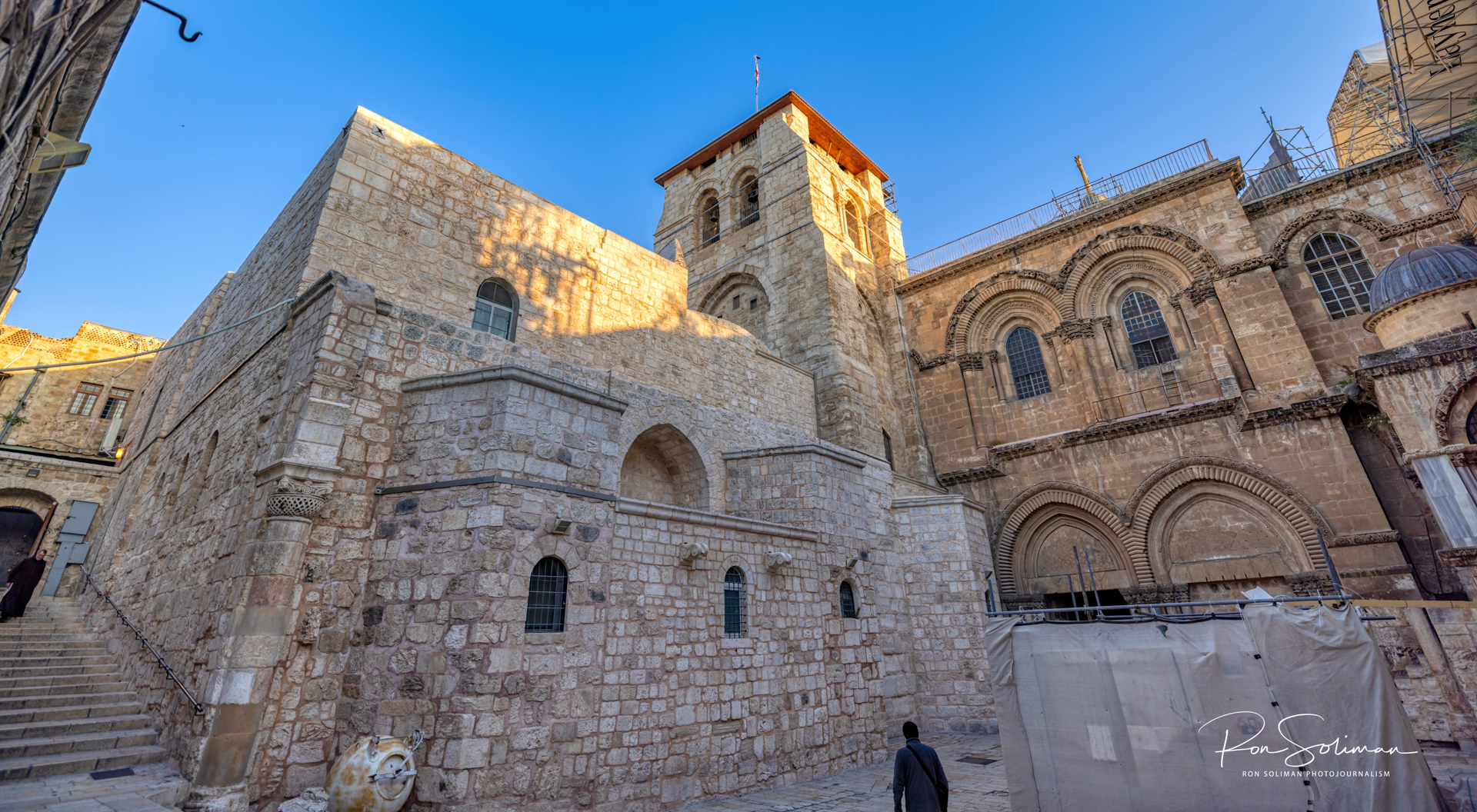
Happy Easter Sunday! Today, as we celebrate the resurrection of Jesus, I’m sharing a visual journey with you inside the heart of Christianity: the Church of the Holy Sepulchre in Old City Jerusalem.
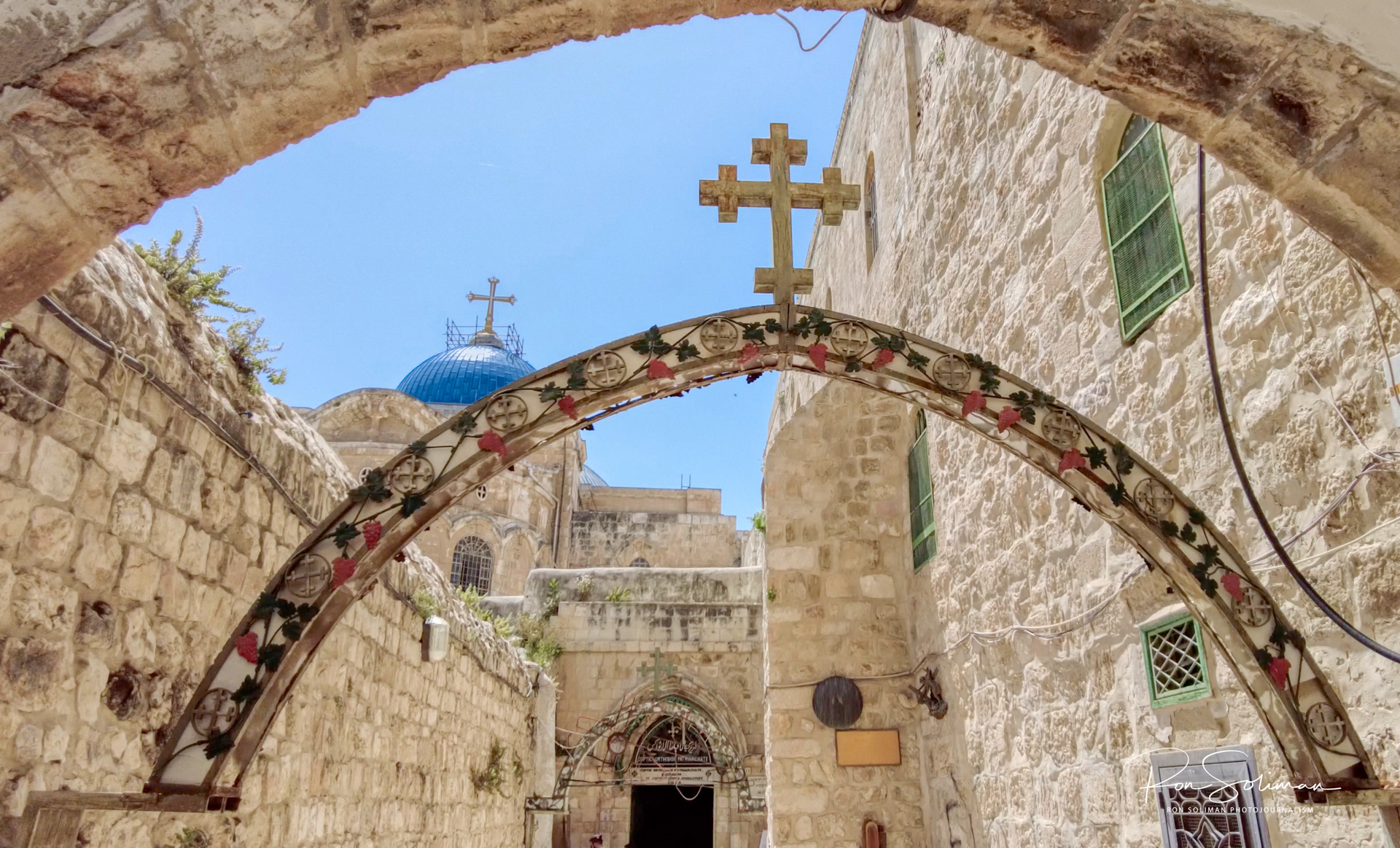
Through my photographs, I aim to transport you to this magnificent fourth-century church, also known as the Church of the Resurrection, nestled in the Christian Quarter of Jerusalem’s Old City. It stands as the revered seat of the Greek Orthodox Patriarchate of Jerusalem and holds profound significance for Christians across the globe.
For nearly two millennia, pilgrims have journeyed to this sacred site, believed by many to be the very ground where Jesus was crucified, buried, and rose again. Join me as we visually explore its ancient stones, each holding echoes of history and the deep devotion that fills its halls.
While a photograph captures a moment, I hope this visual glimpse on this holy day offers you a moment of reflection and connection to this extraordinary place. Enjoy!
And Happy Easter!
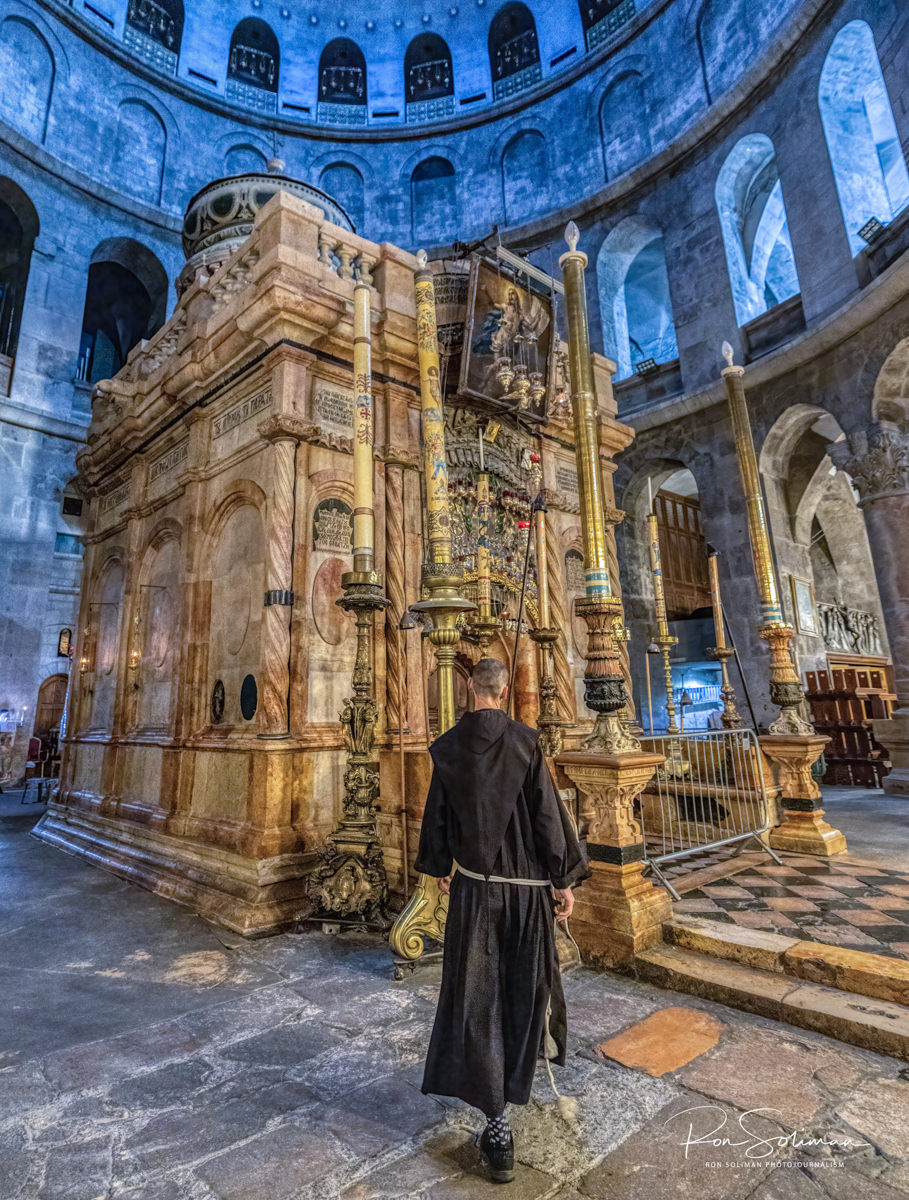
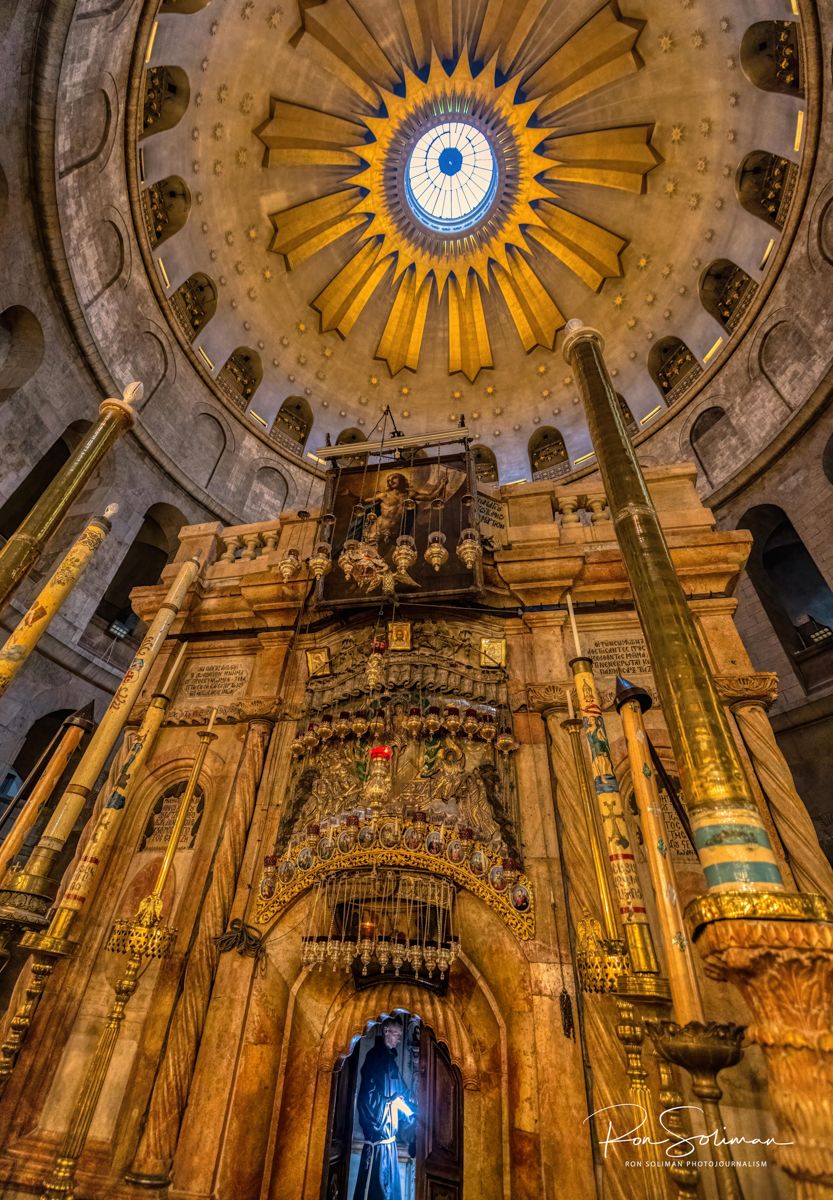
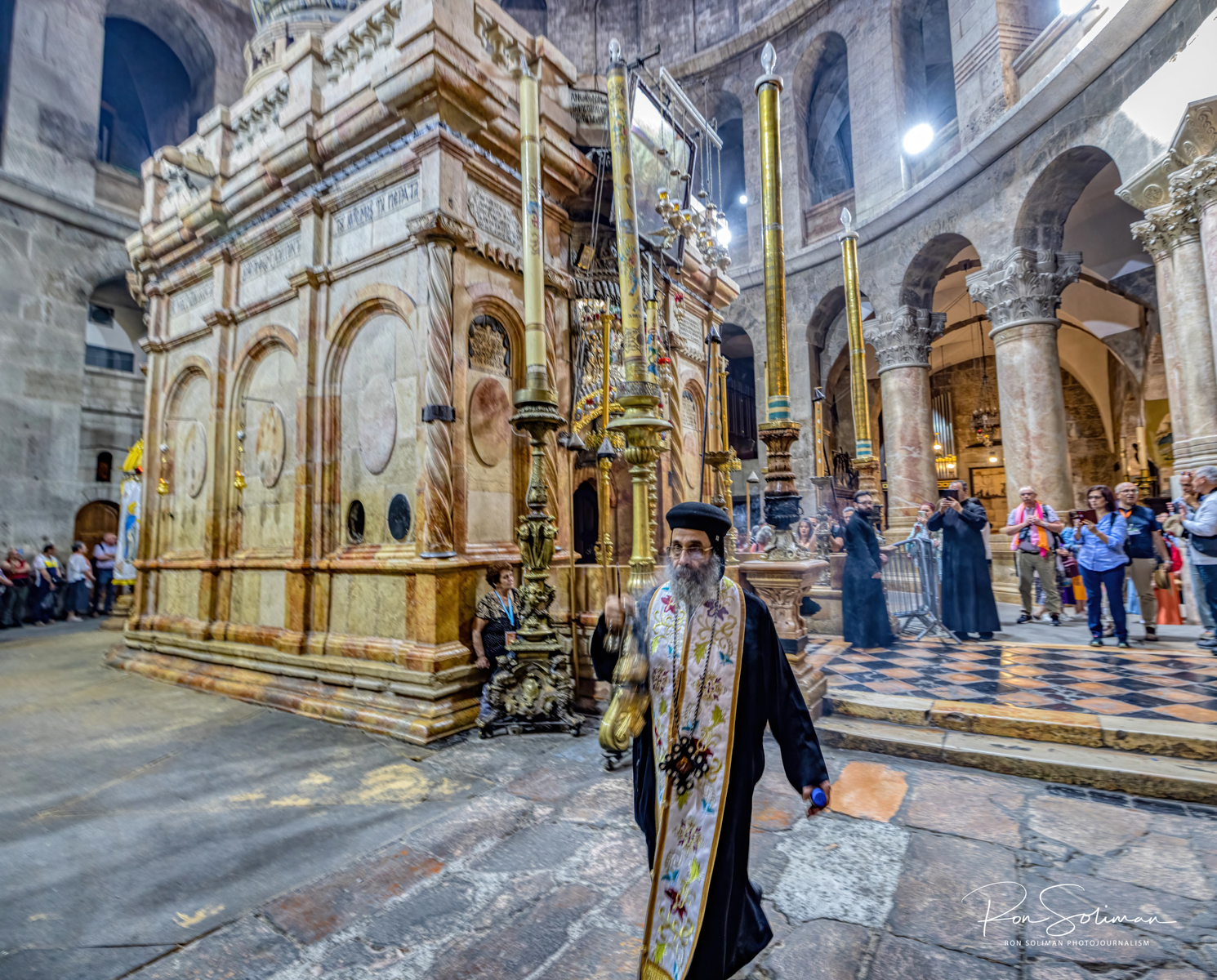
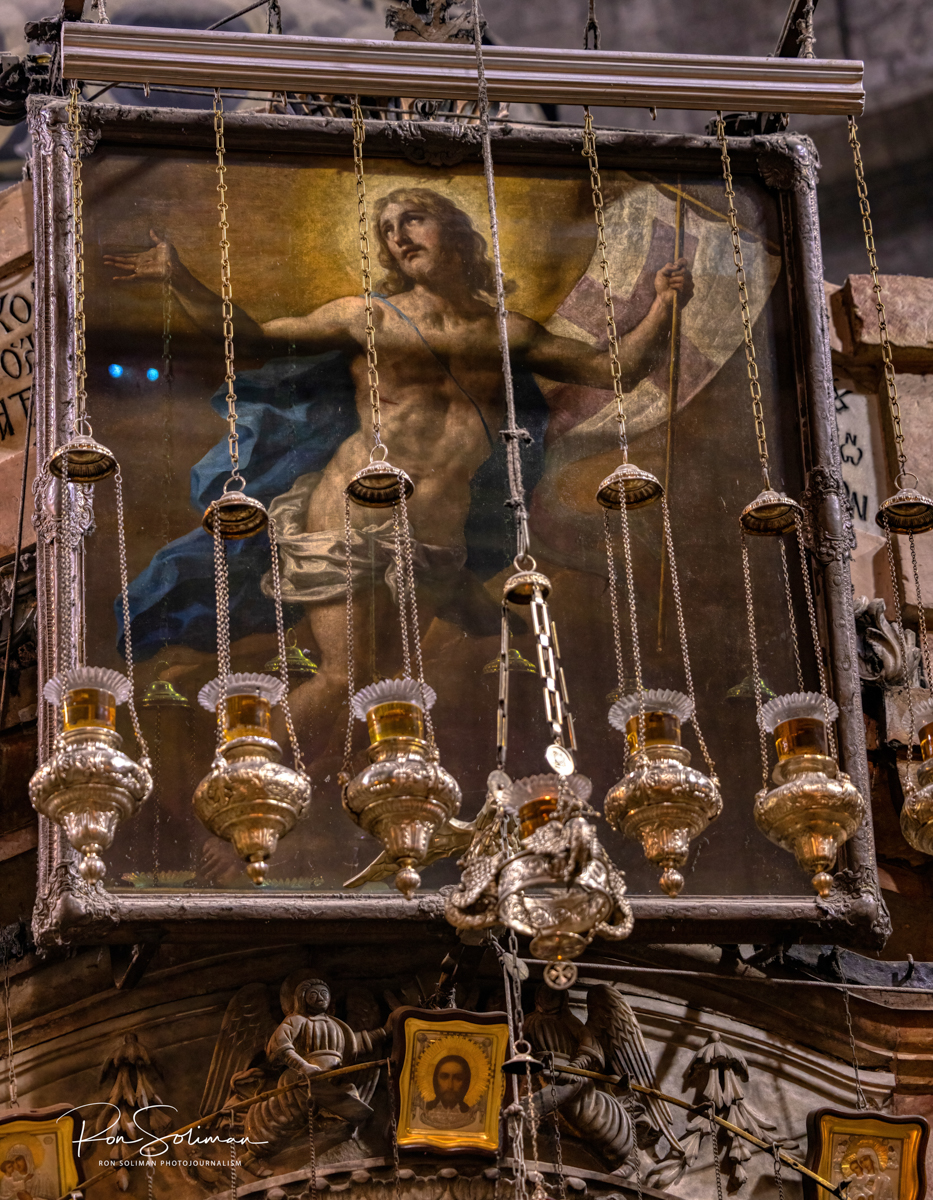
Inside the Church of the Holy Sepulchre lies the Edicule, enshrining the Tomb of Christ. The first chamber, the Chapel of the Angel, holds a fragment of the stone rolled away on Easter morning. Beyond it, the Tomb of Christ features the marble slab where Jesus was laid, marked by a vase of candles and a seasonal banner proclaiming, “Christ is Risen” after Easter. This is the most sacred Catholic site, the very place of the Resurrection.
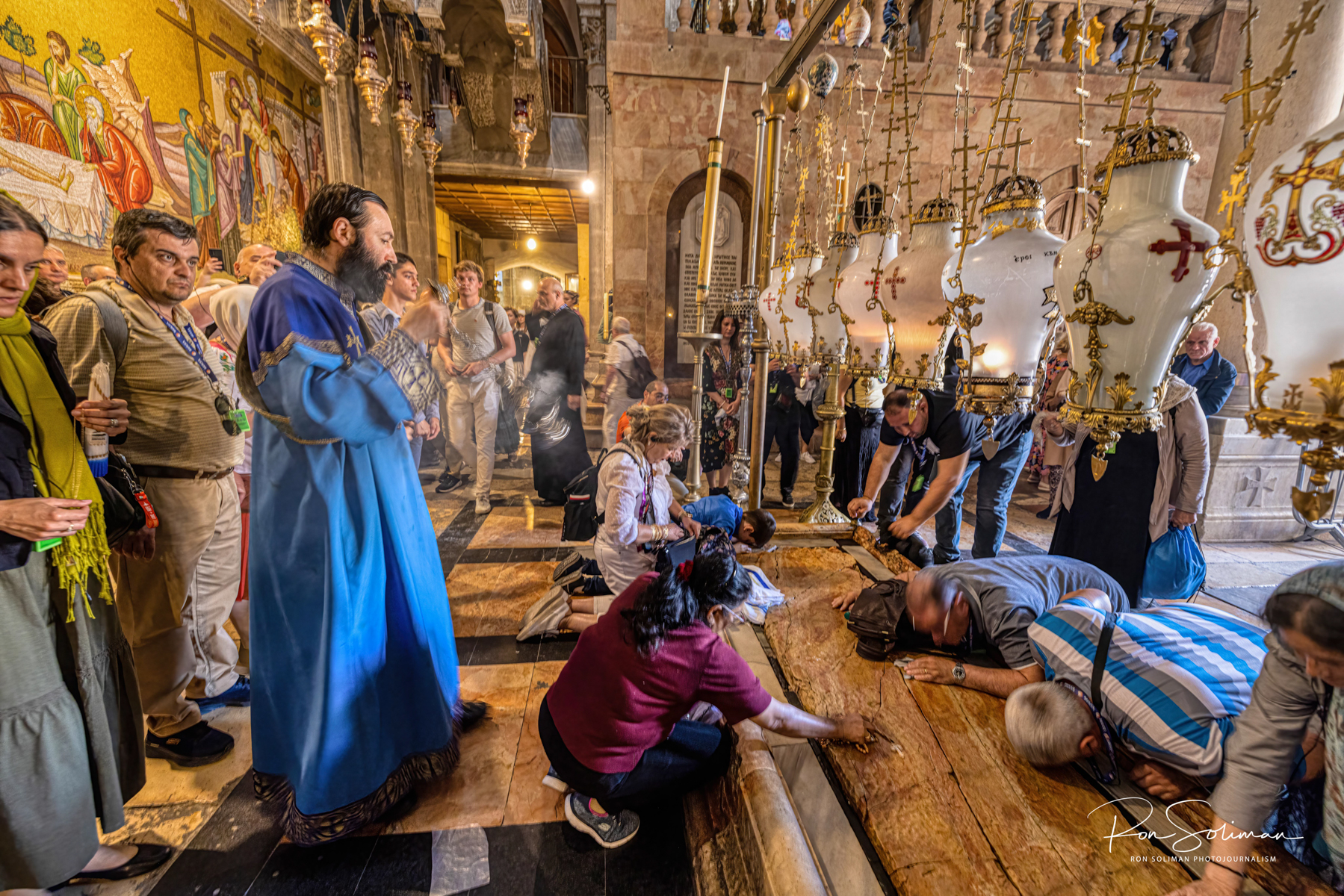
Here lies the Stone of Anointing, where, after Jesus was taken down from the cross, Joseph of Arimathea tenderly prepared His body for its final rest. The accompanying images illustrate the solemn veneration of this slab by visiting pilgrims for thousands of years.
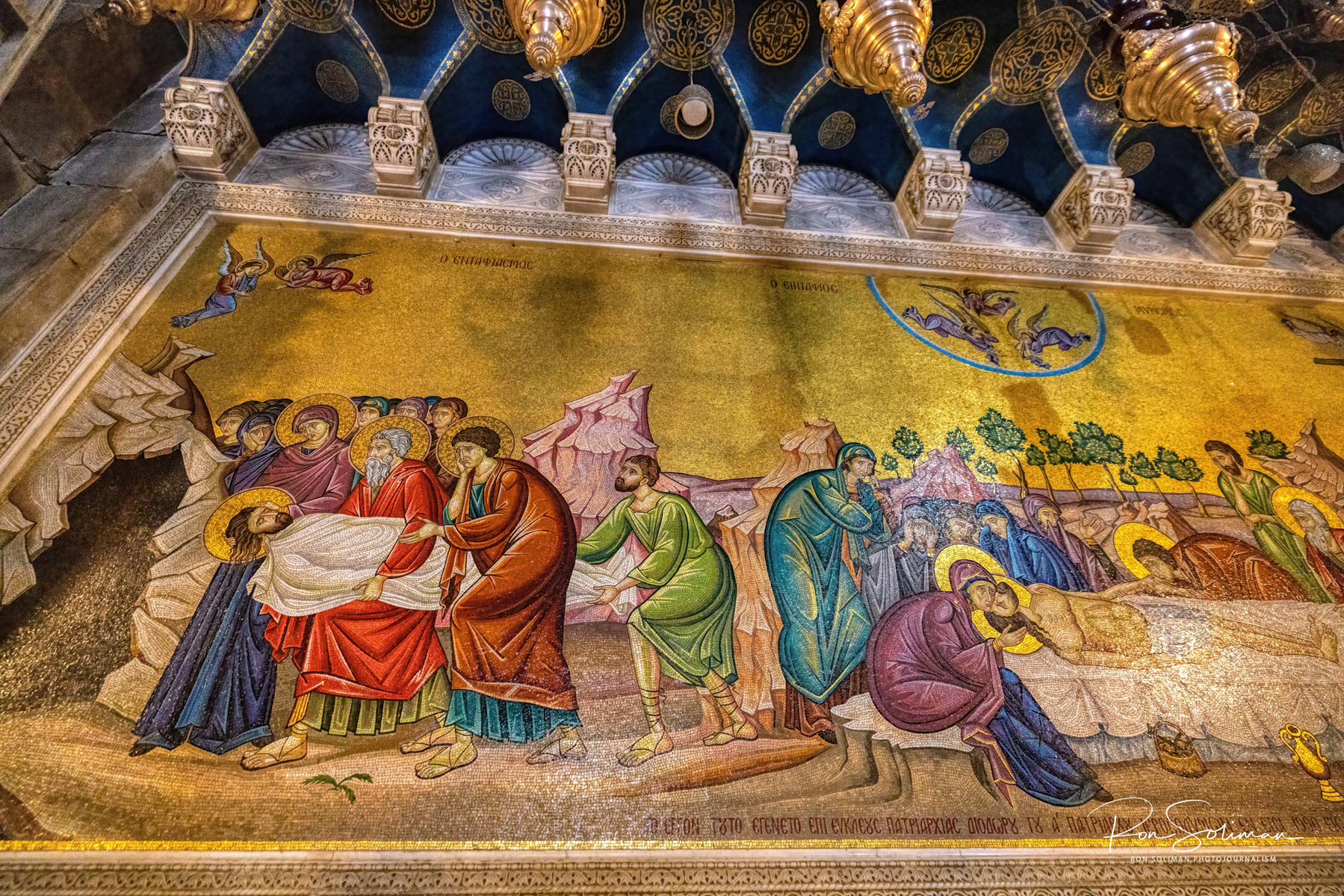
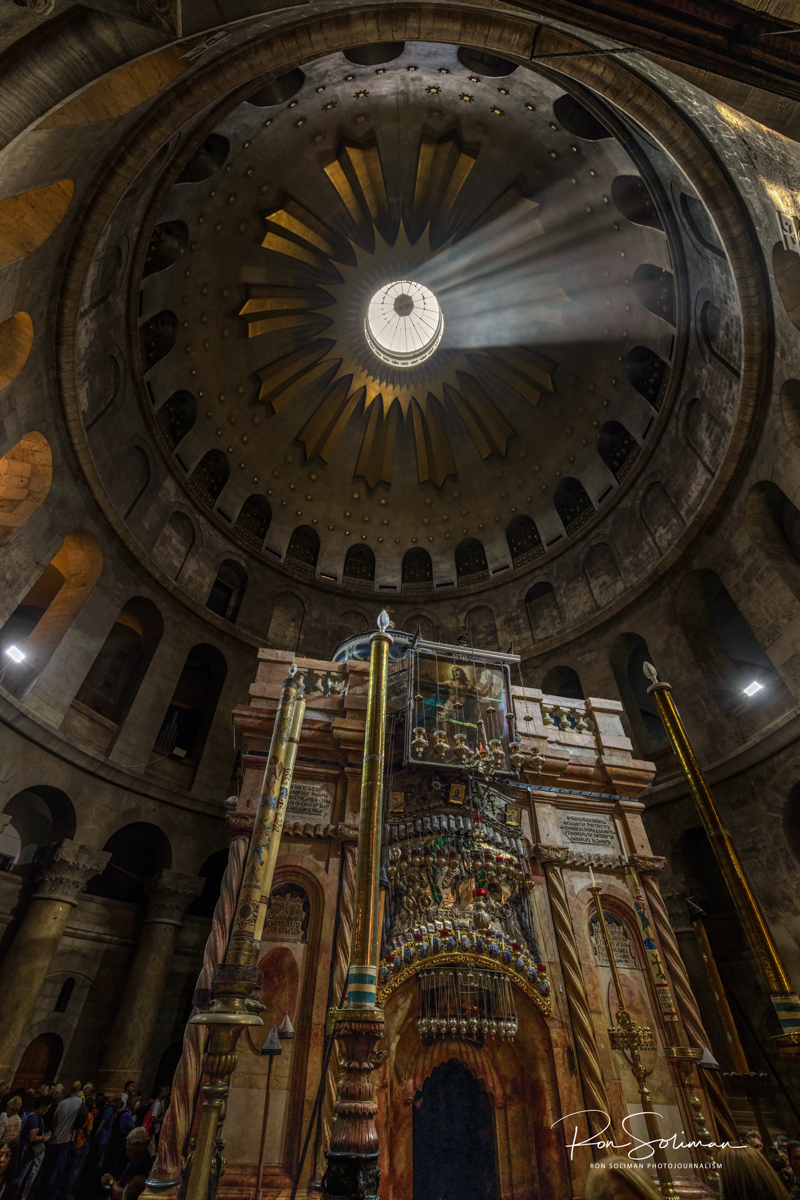
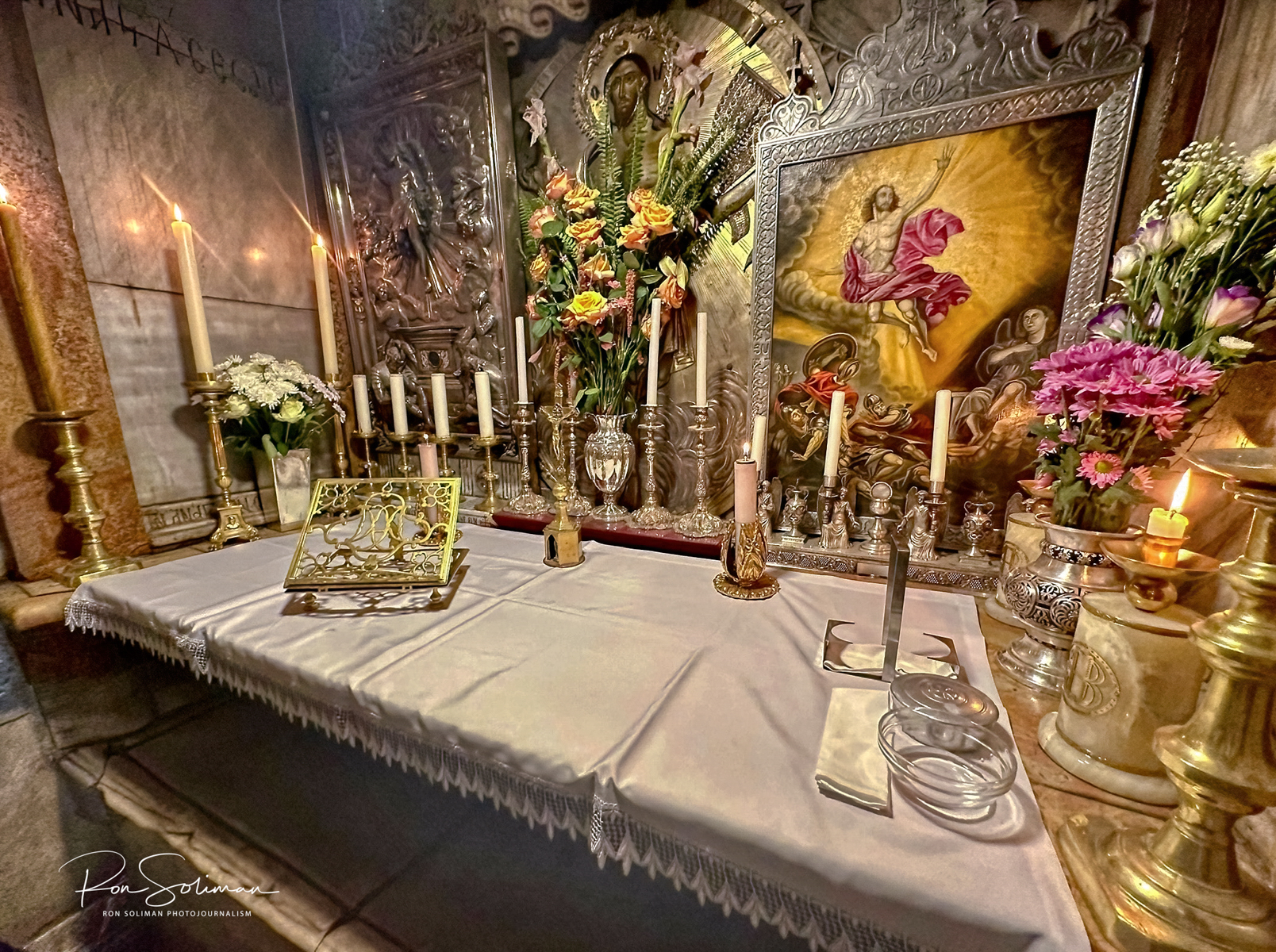
This is the second chamber, the “Tomb of Christ.” Here, the marble slab where Jesus’s body was laid is venerated. Notice the candles marking where His head lay and the banner overhead, currently celebrating the Easter message: “Christ is Risen.”
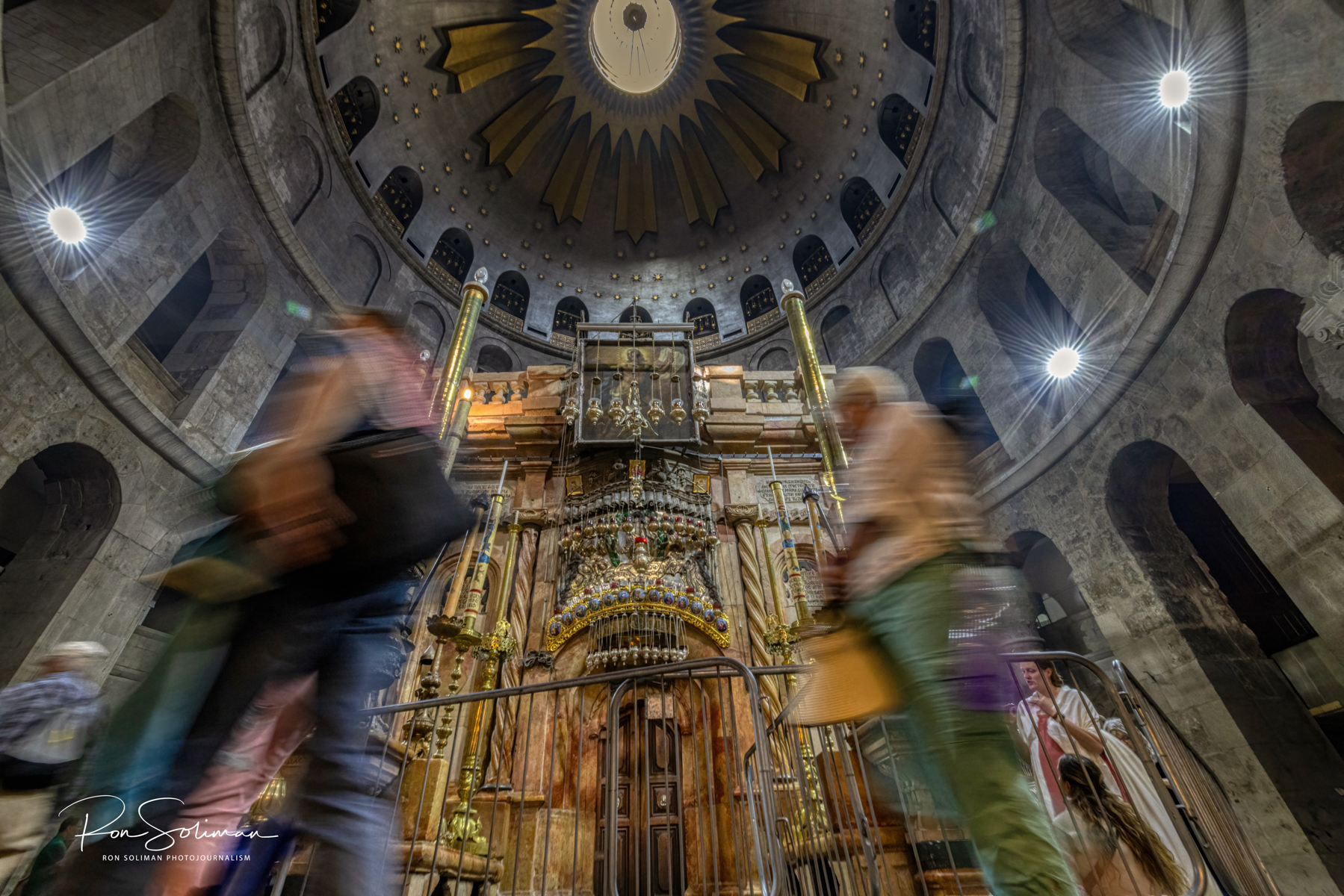
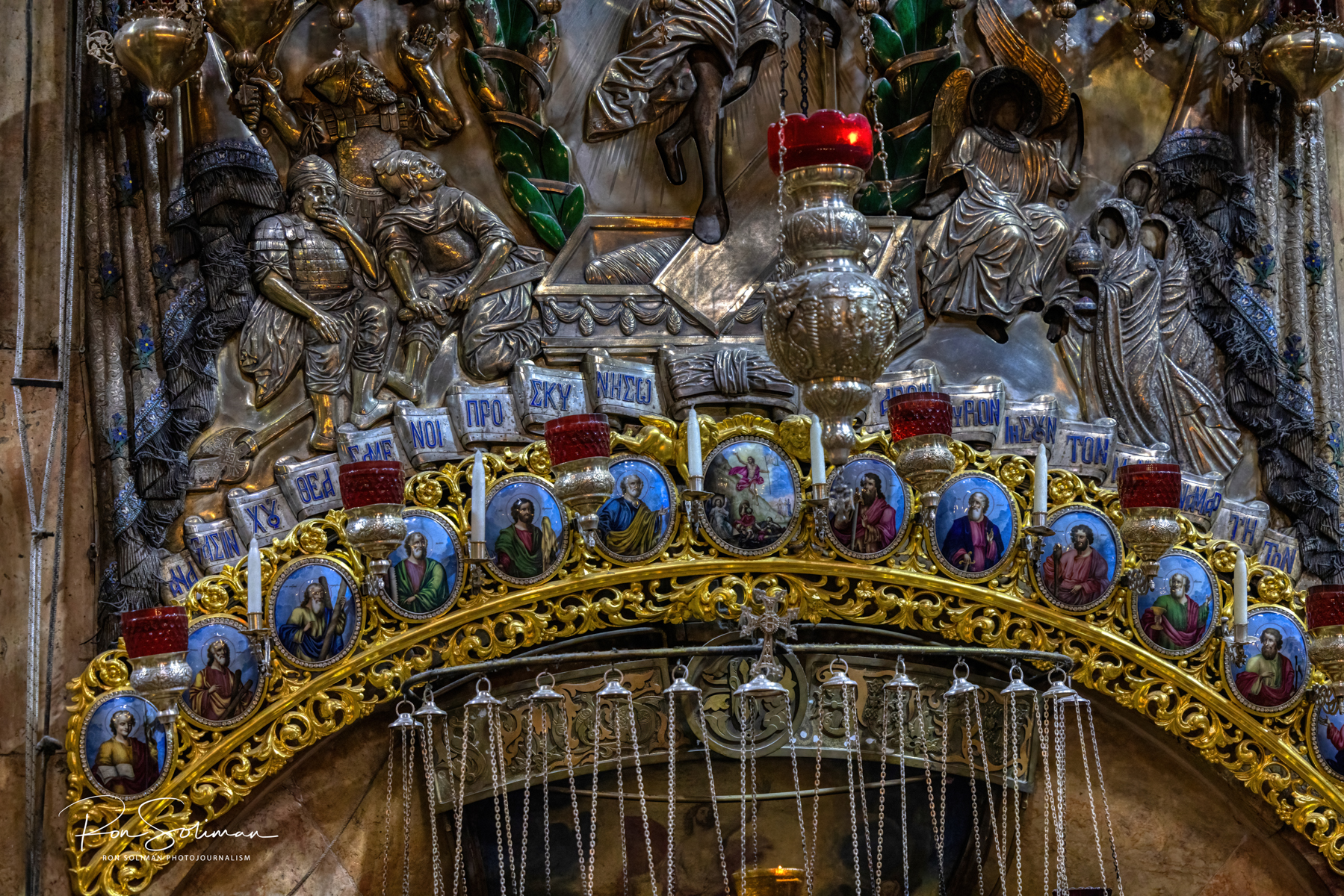
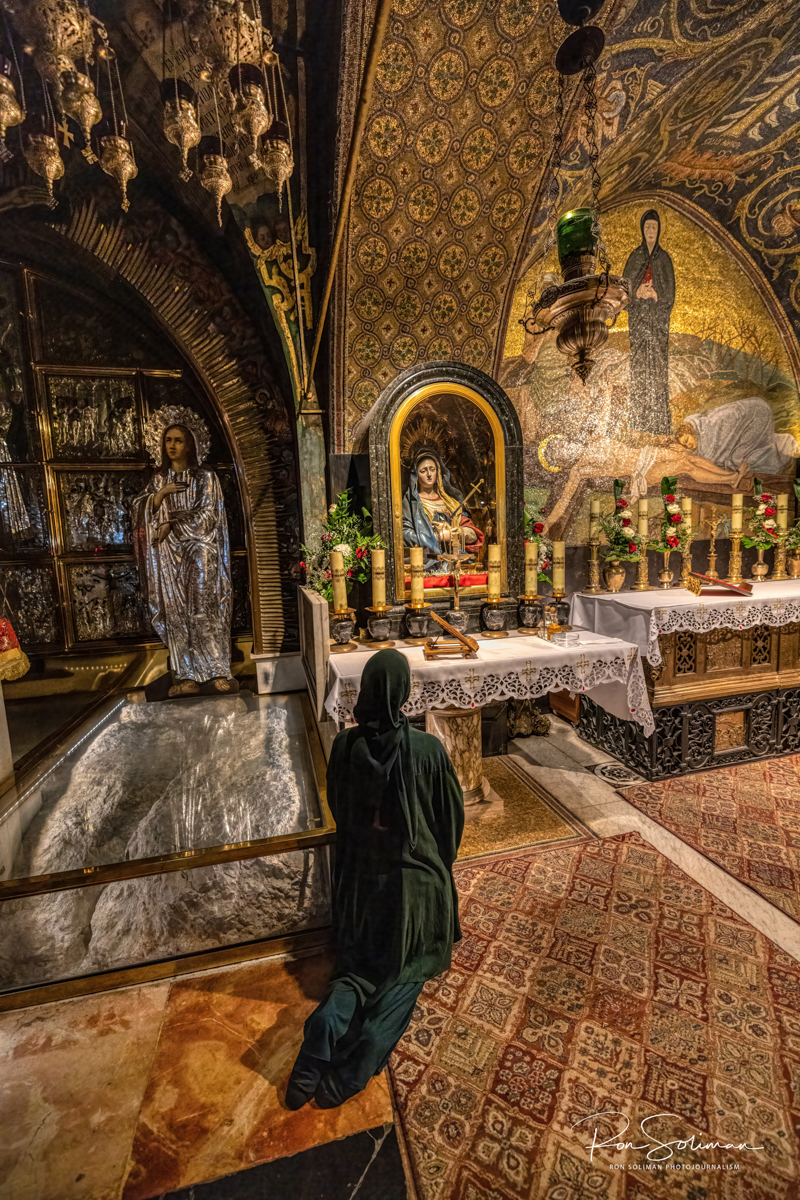
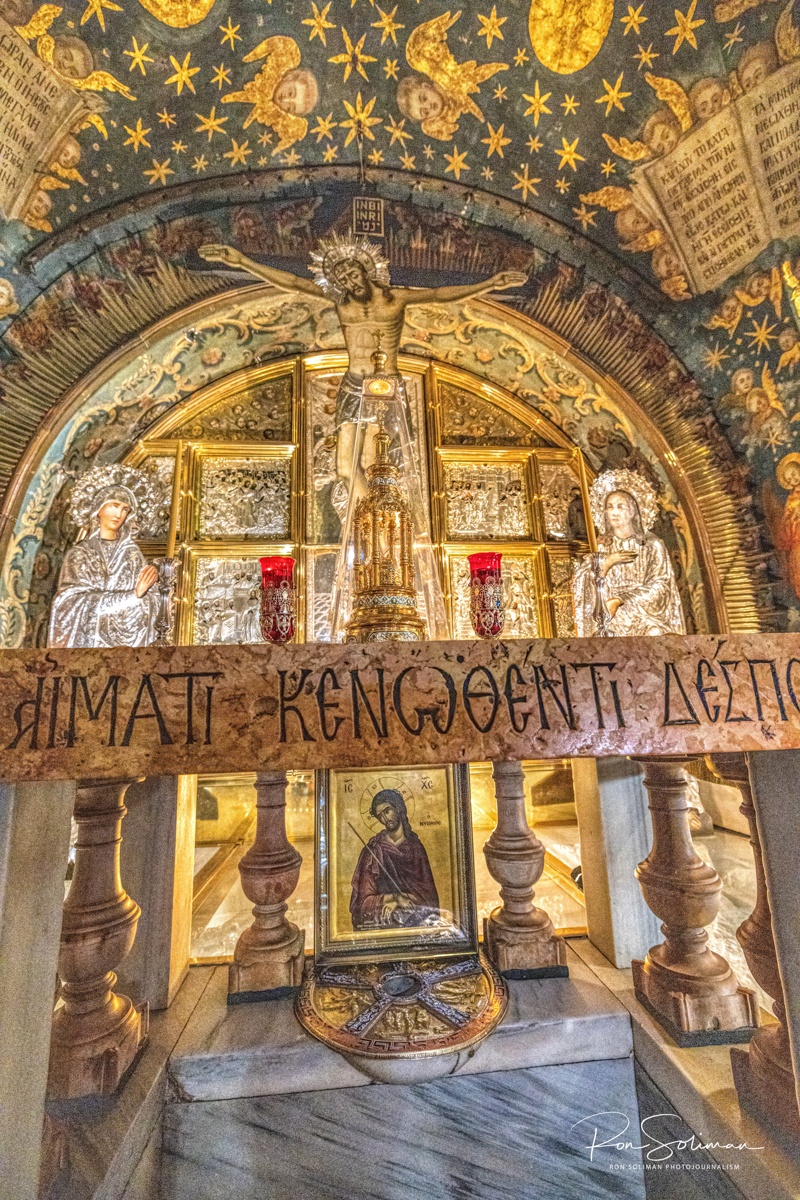
On the very ground of Calvary, or Golgotha, where the Cross stood and Jesus Christ died for humanity, a woman kneels in prayer. Within the Church of the Holy Sepulchre, this altar marks the precise location where Our Saviour’s earthly life concluded before His miraculous Resurrection, inviting pilgrims to touch this sacred spot.
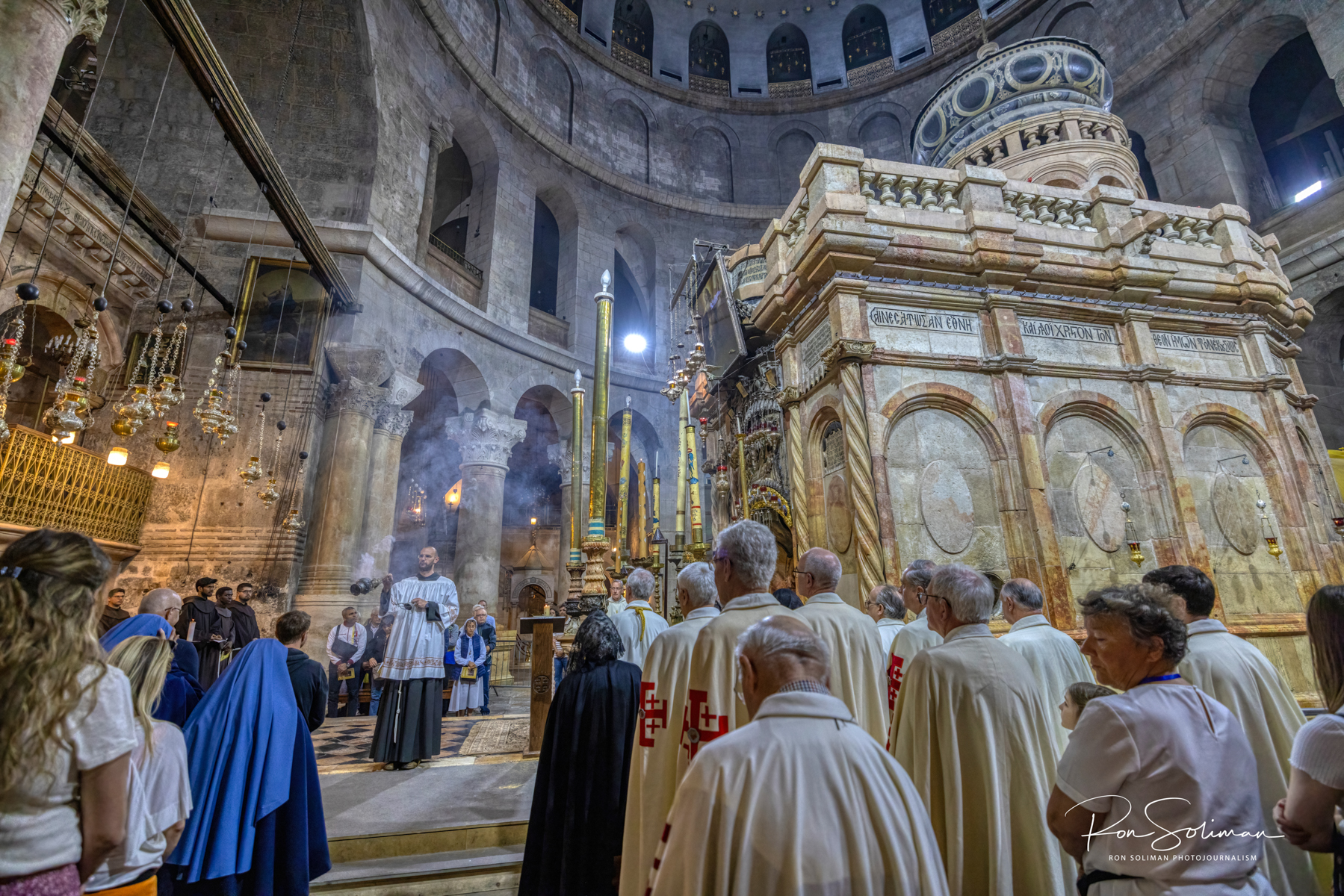
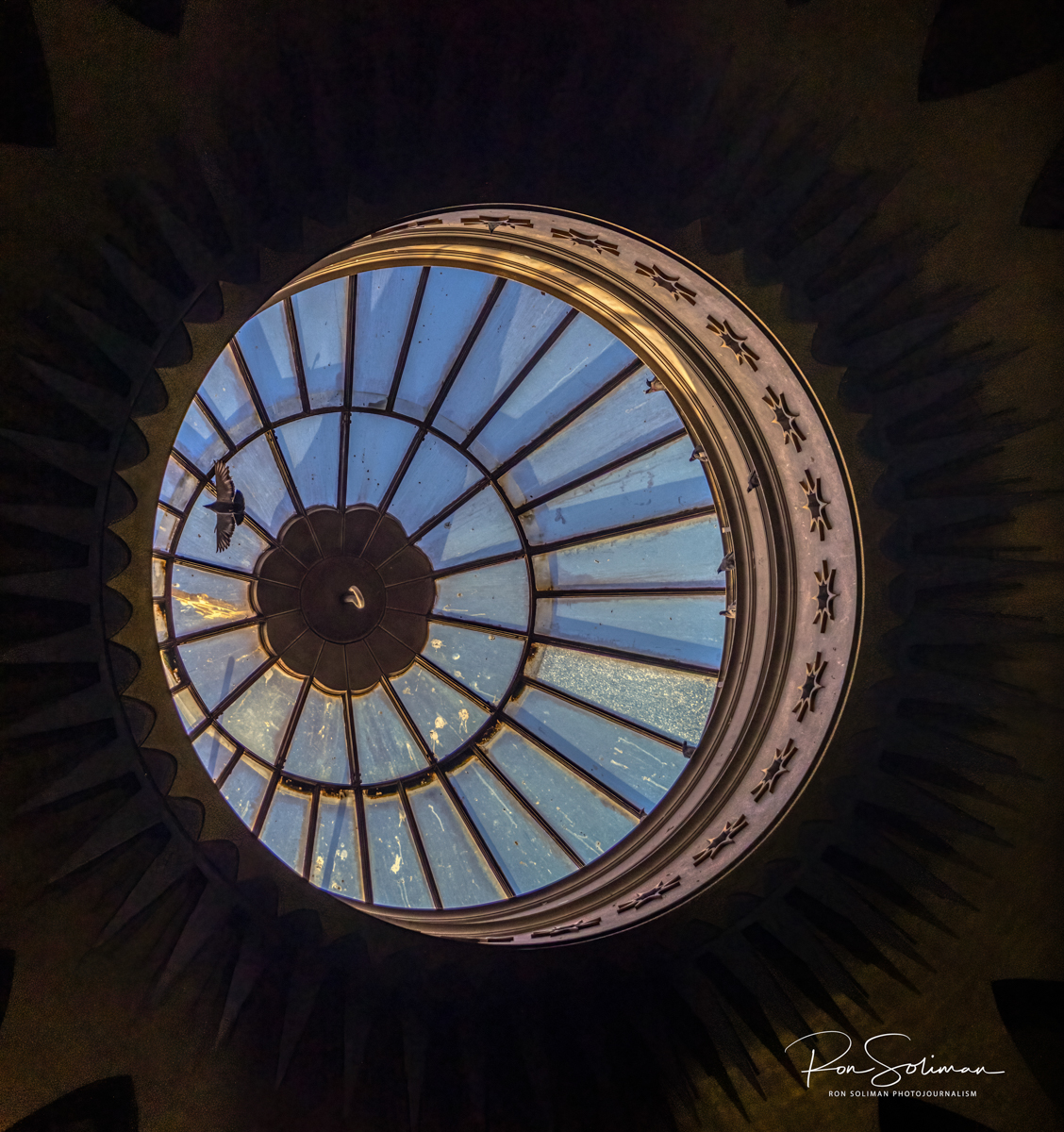
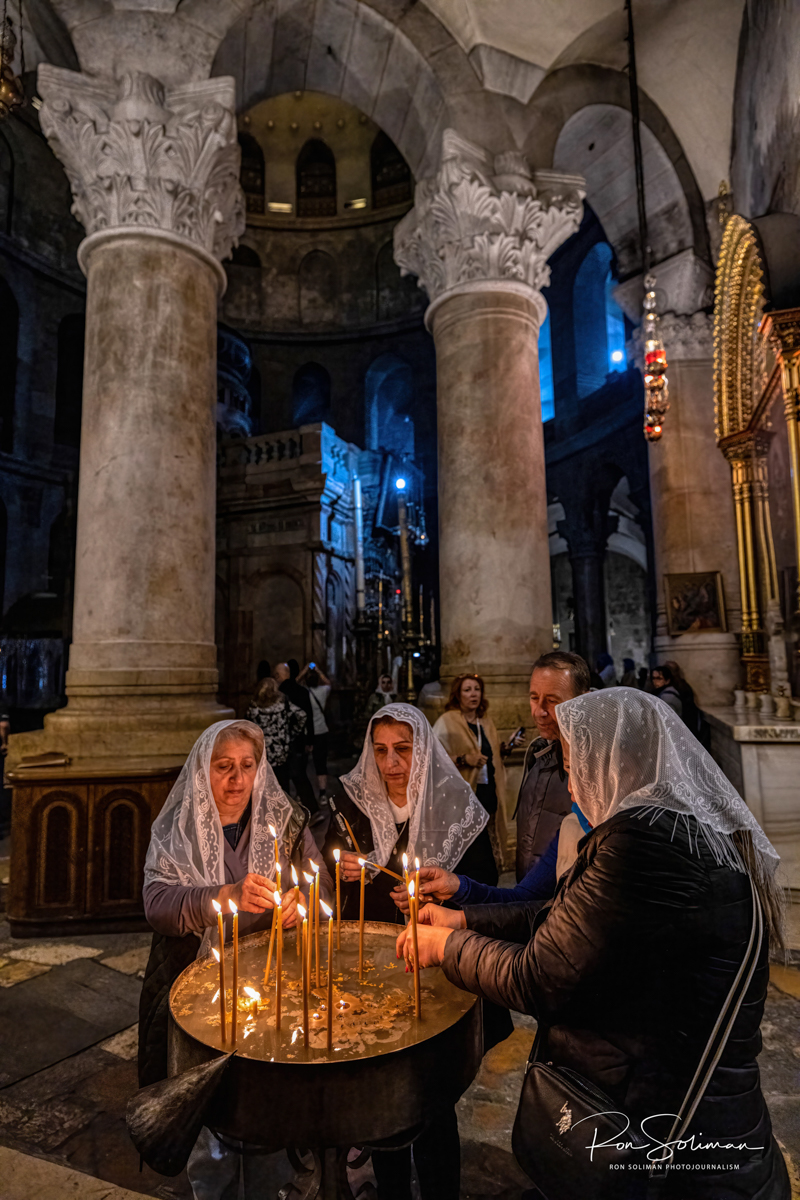
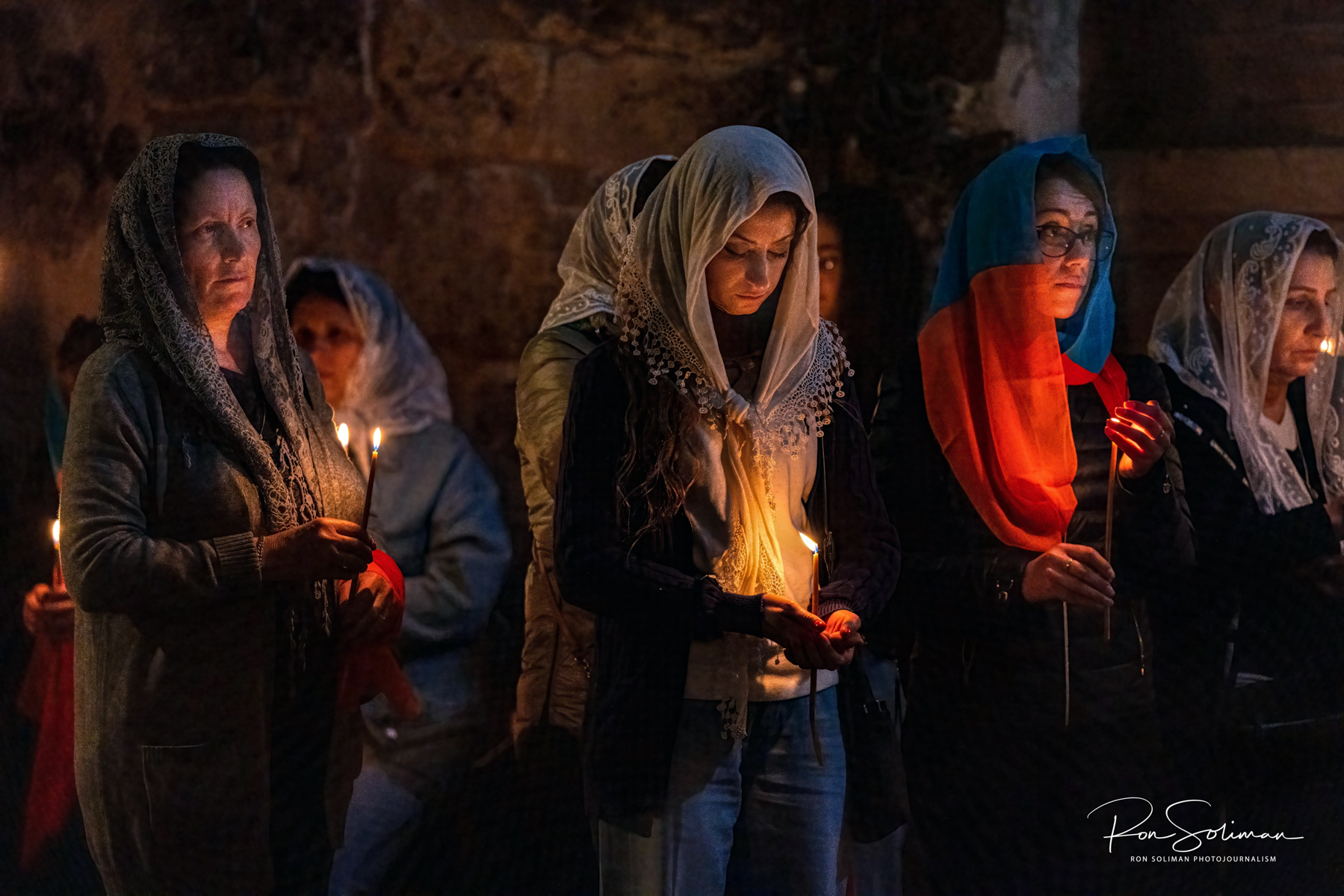
Pilgrims from all corners of the globe gather at the Church of the Holy Sepulchre, lighting candles in reverence. This sacred site, believed to be the location of Jesus’ crucifixion, burial, and resurrection, holds immense spiritual significance for Christians worldwide.
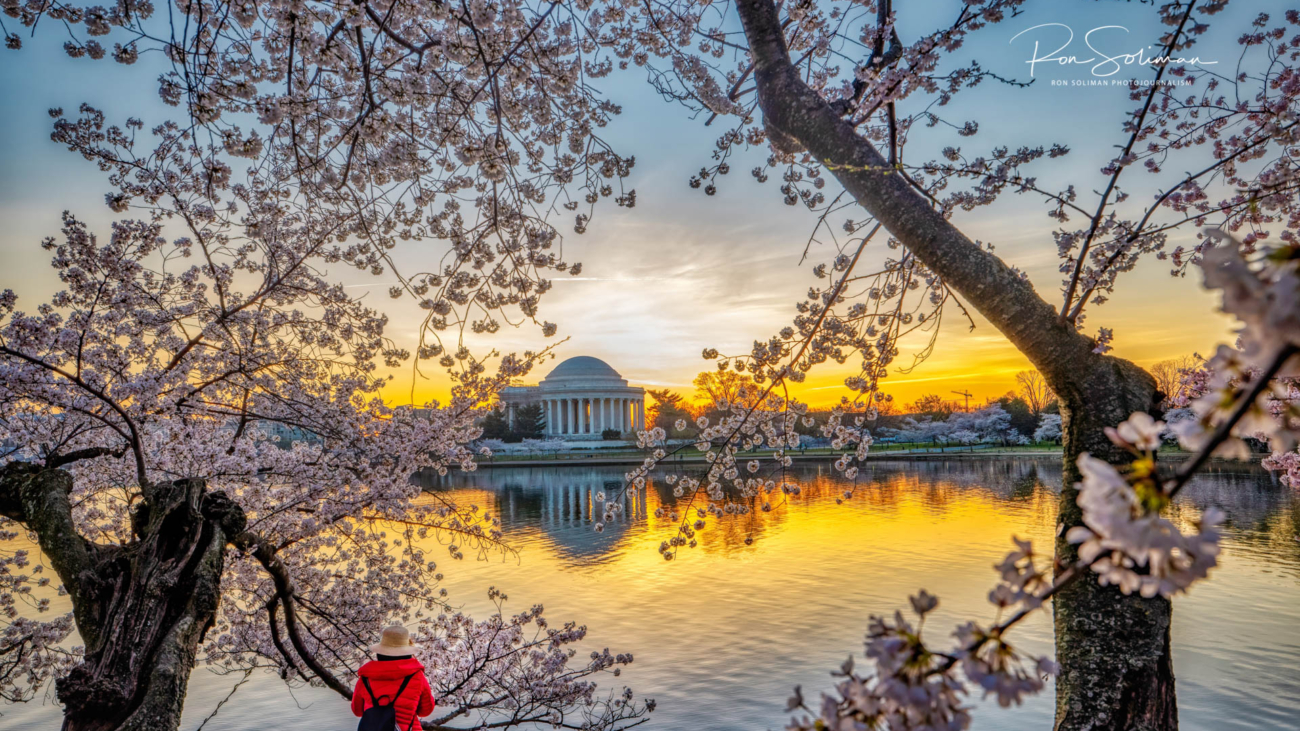

Okay, friends, Spring is officially here, and let’s be real – that means one thing: the annual cherry blossoms frenzy in Washington DC! It’s like nature decided to throw the most Instagrammable party ever, and we’re all invited. LOL
But as gorgeous as those pink blooms are, capturing them? Well, let’s just say it’s a bit like trying to find a parking spot at a Black Friday sale – chaotic but totally worth it. I’ve been there, battling the crowds and trying to keep my gear from getting splashed by over-enthusiastic tourists. So, I’m here to share my hard-earned wisdom (and a few funny stories) to help you get those killer shots without losing your sanity.
Here are my Tips in Photographing Cherry Blossoms in Washington DC. Enjoy!
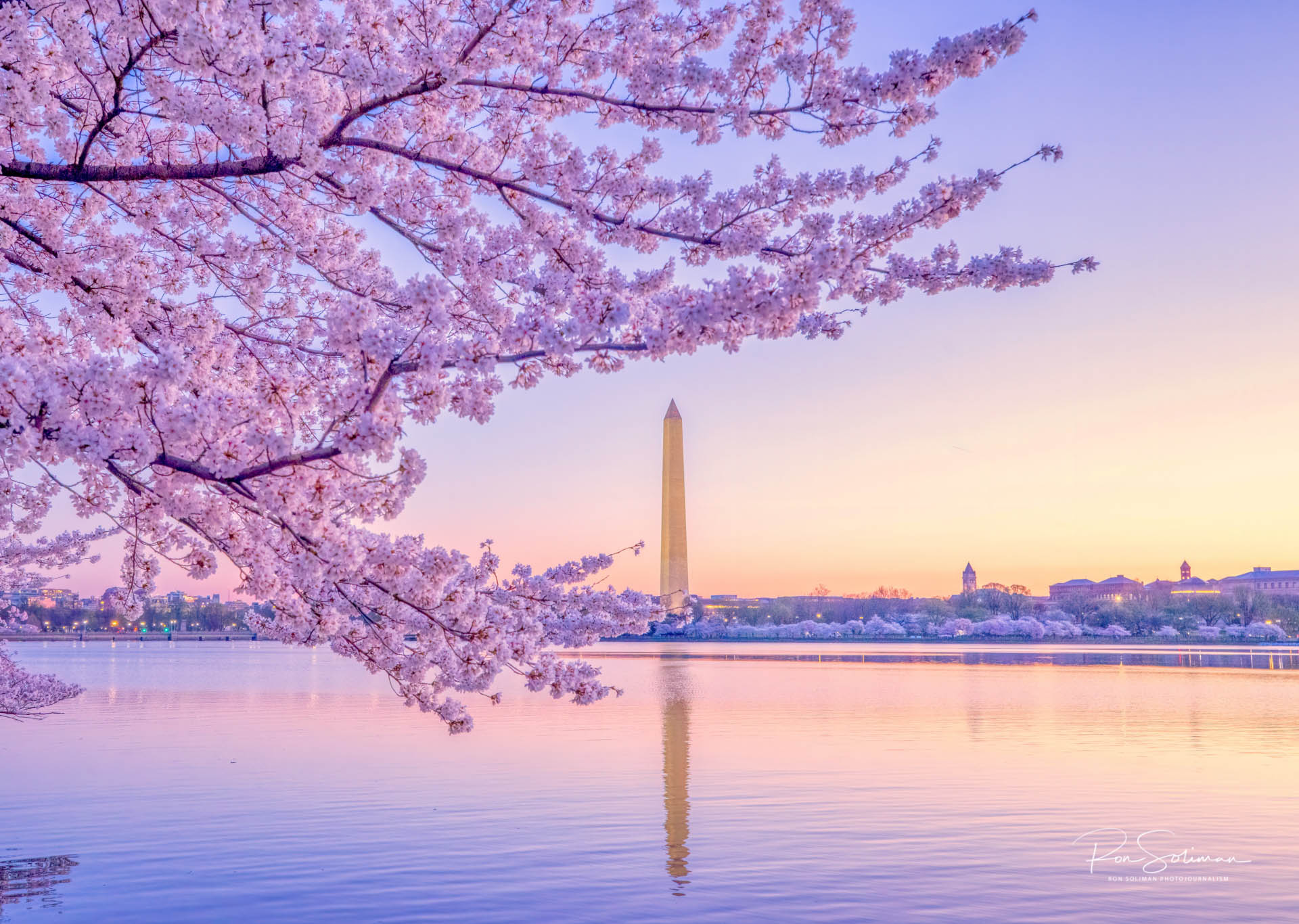


Gear Talk
If you are curious on what’s in my camera bag on this trip – here’s a list and links of camera gear I brought with me for this shoot:
Using the amazing Canon EOS R5 or similar cameras with an in-body stabilization allowed me to hand-hold my camera when shooting at slow shutter speed without depending on a tripod at certain situations.

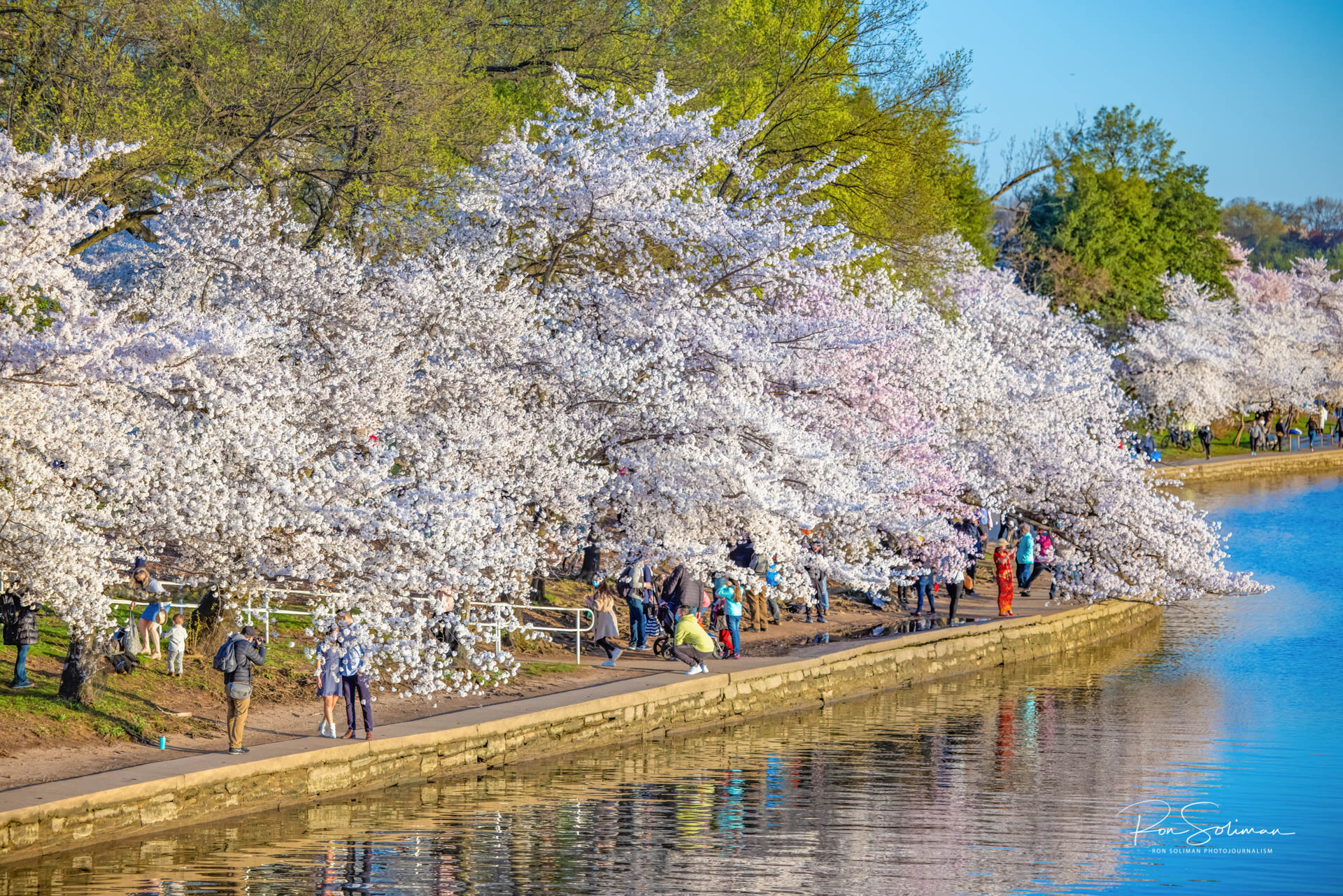
Sunrise: My Love-Hate Relationship (But Mostly Love)
• Relatable Tip: Pack a thermos of hot coffee, and maybe a snack. You’ll thank me later.

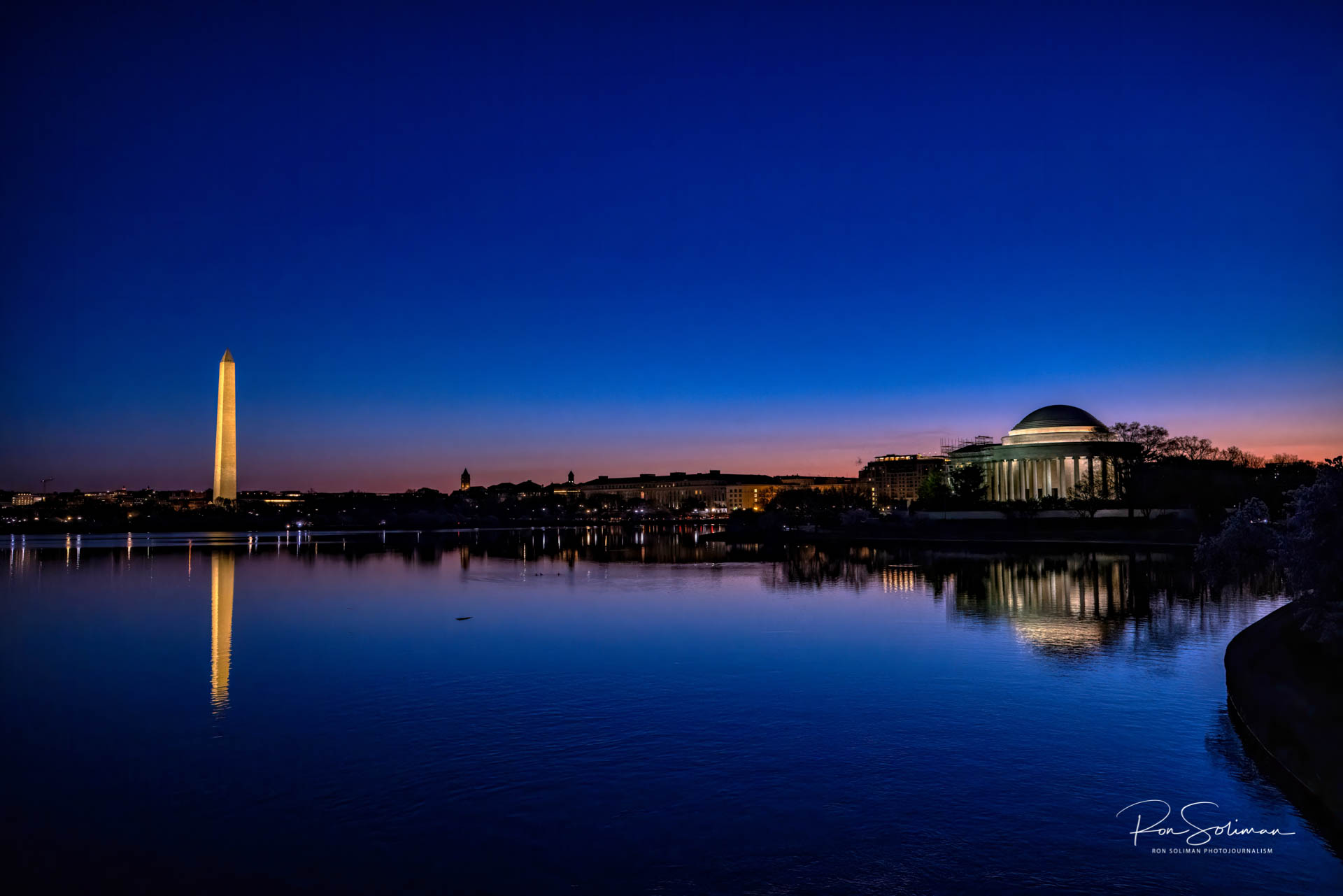


Tidal Basin Adventures (and Where to Find the Good Stuff)
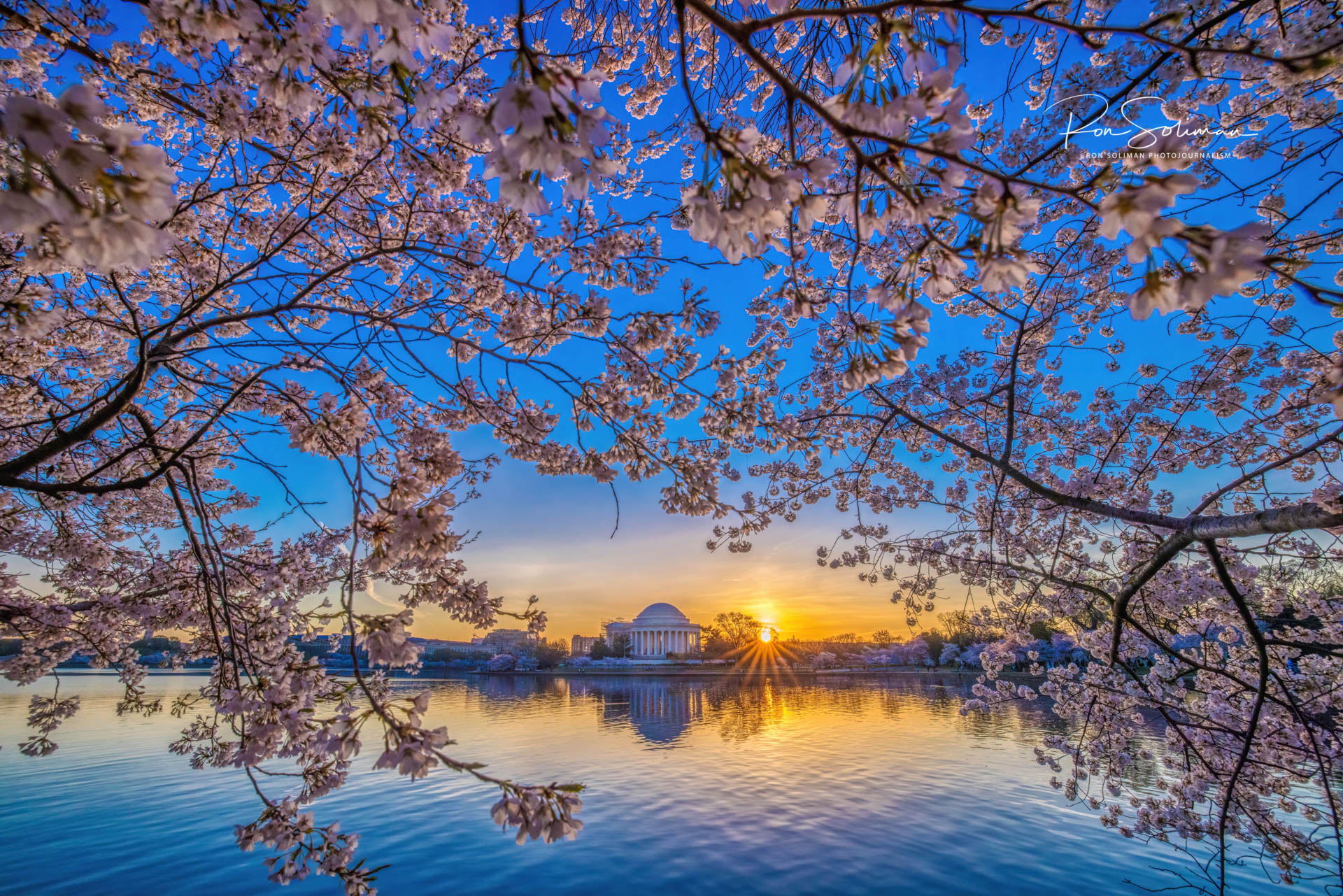
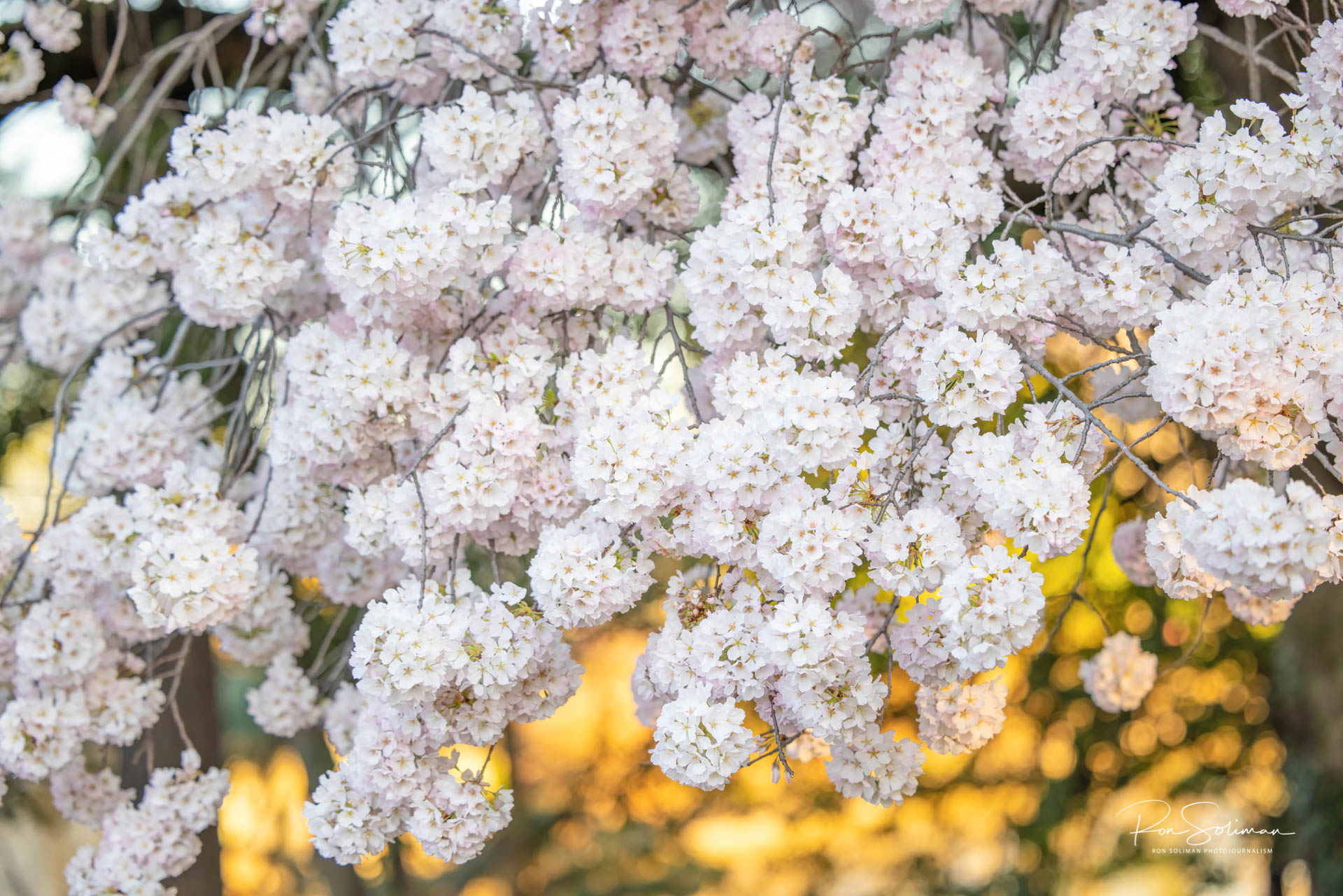
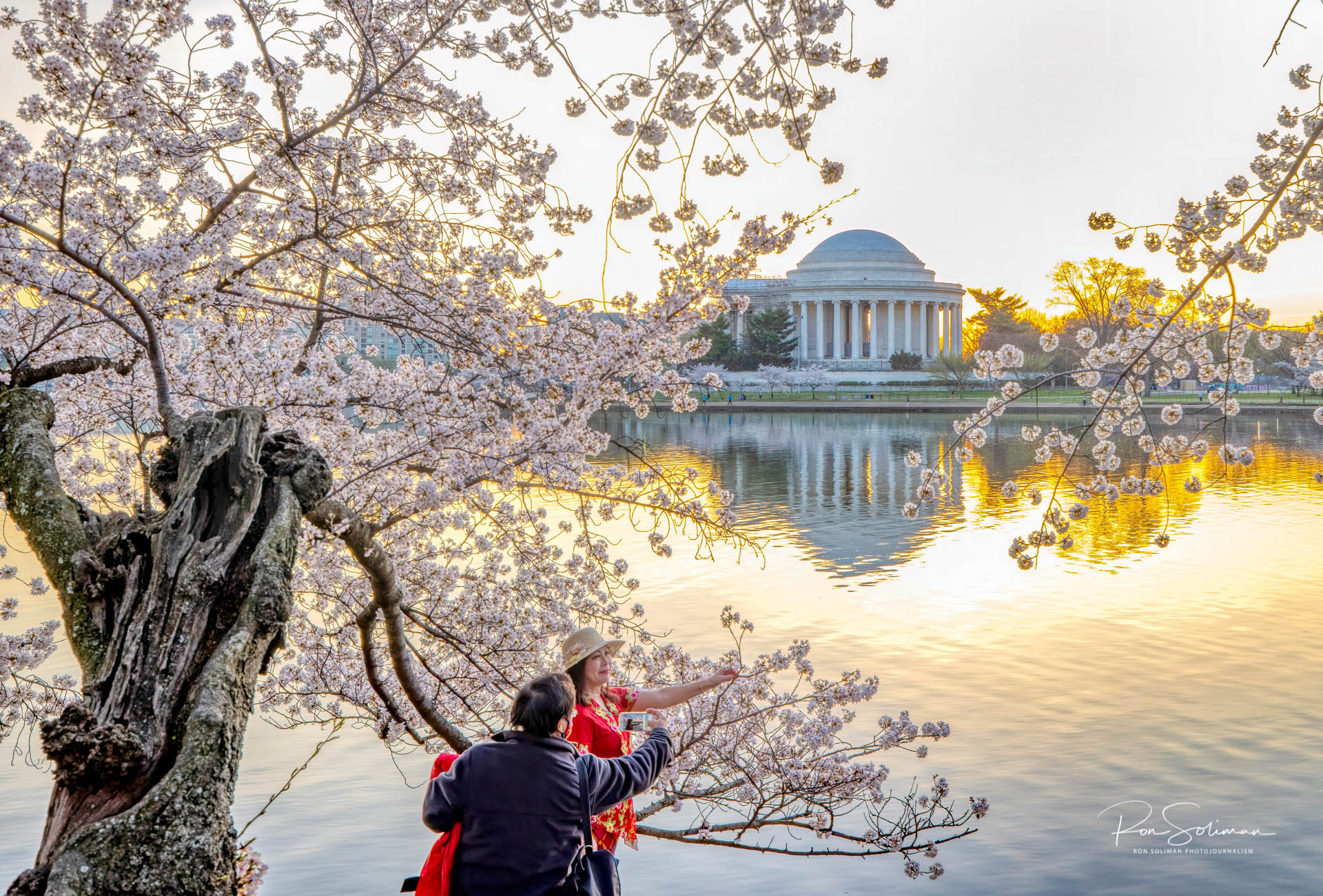
Spot #2 – Cross the Ohio Drive bridge and make your way to the walkway along the Tidal Basin towards the Martin Luther King statue. Along this walkway, you will see a fantastic view of the Thomas Jefferson Memorial with the sun rising from behind! I know it could be overwhelming while shooting. But try to focus on being a little creative through the process. One good trick is to frame your shot of the memorials with the beautiful blooms around you. Don’t just take photos of the cherry blossoms but tell a story with your photos – show a sense of place while showcasing the beauty of nature.

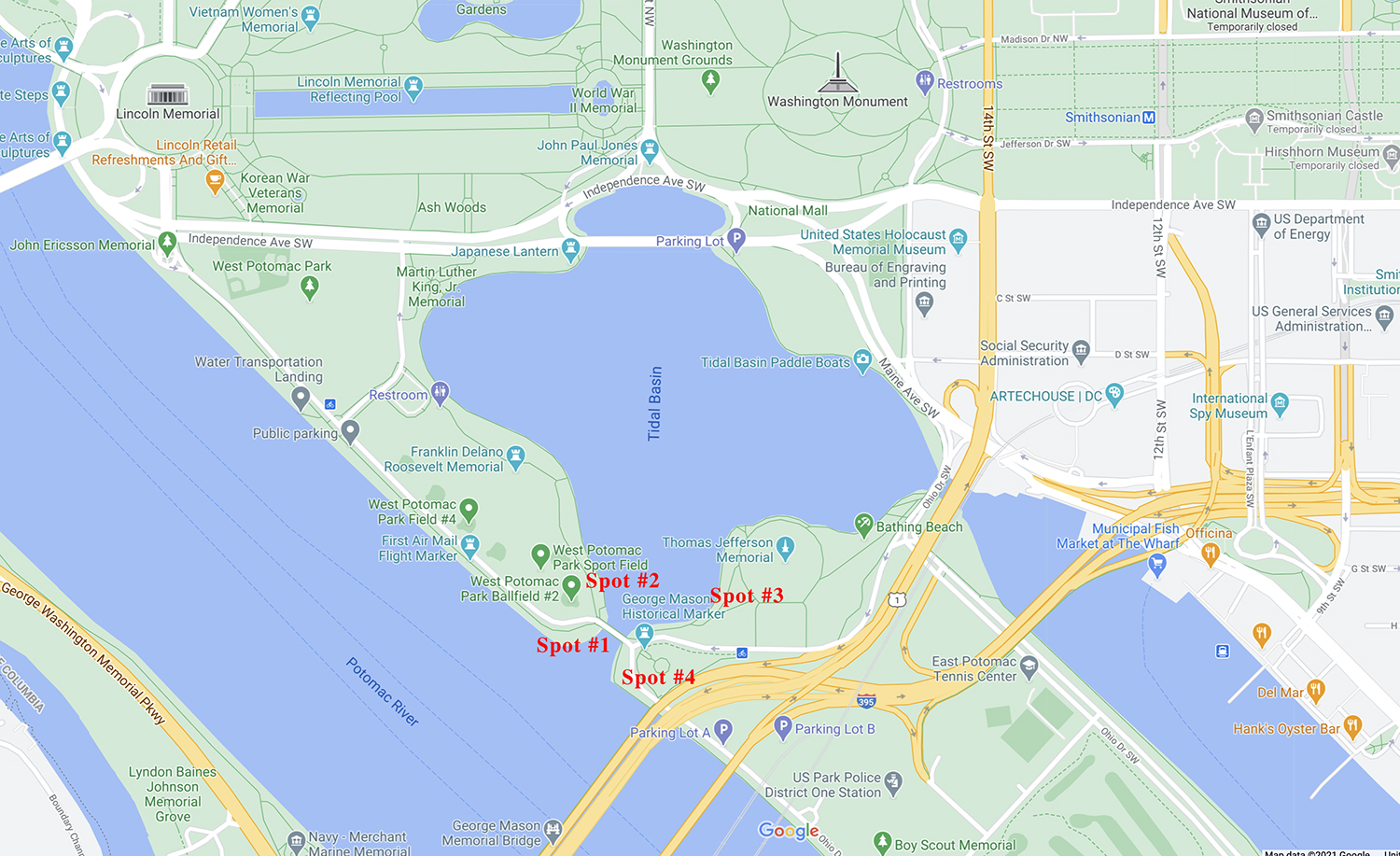
Source: Google Maps

4. Portrait Golden Hour Magic
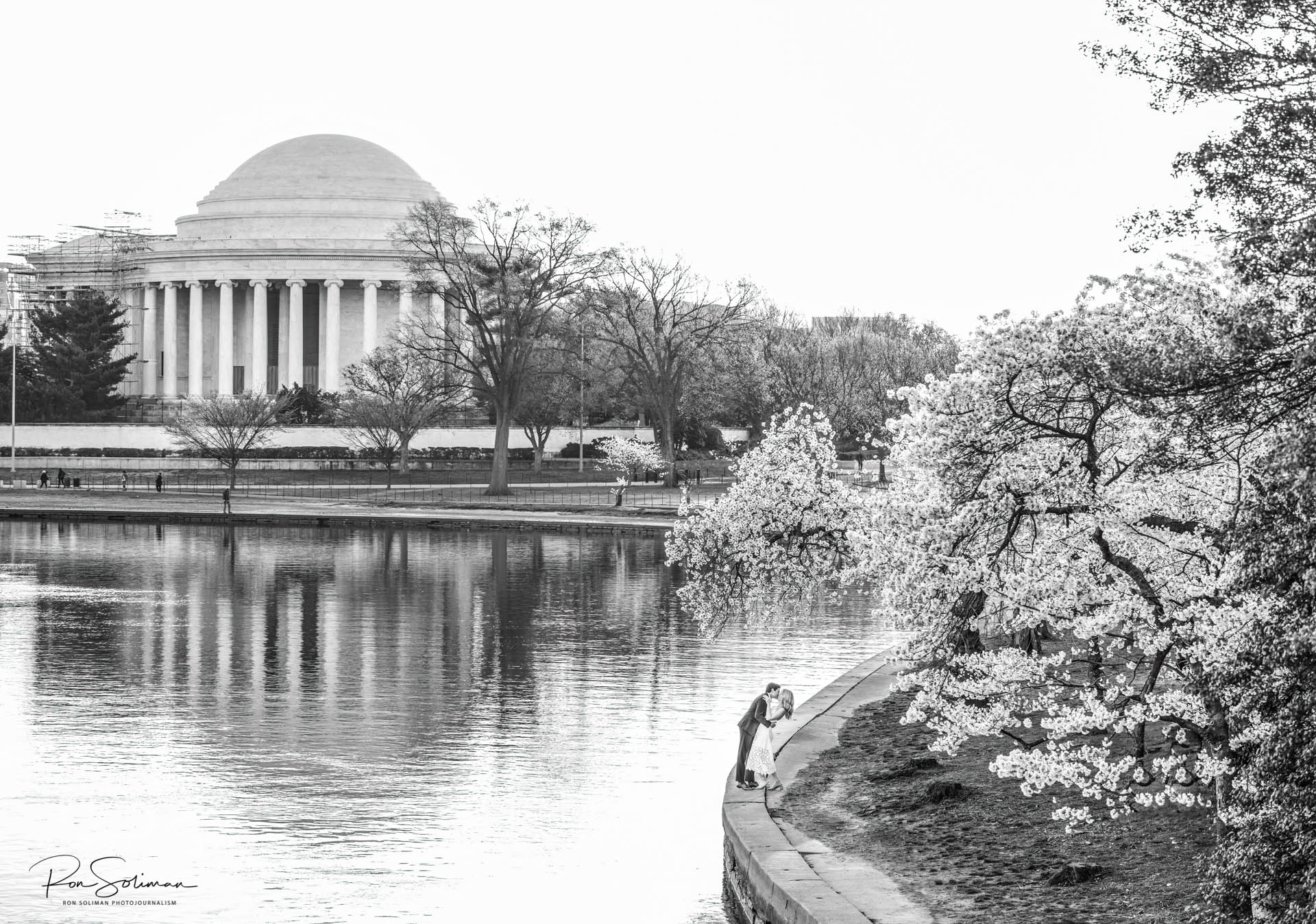
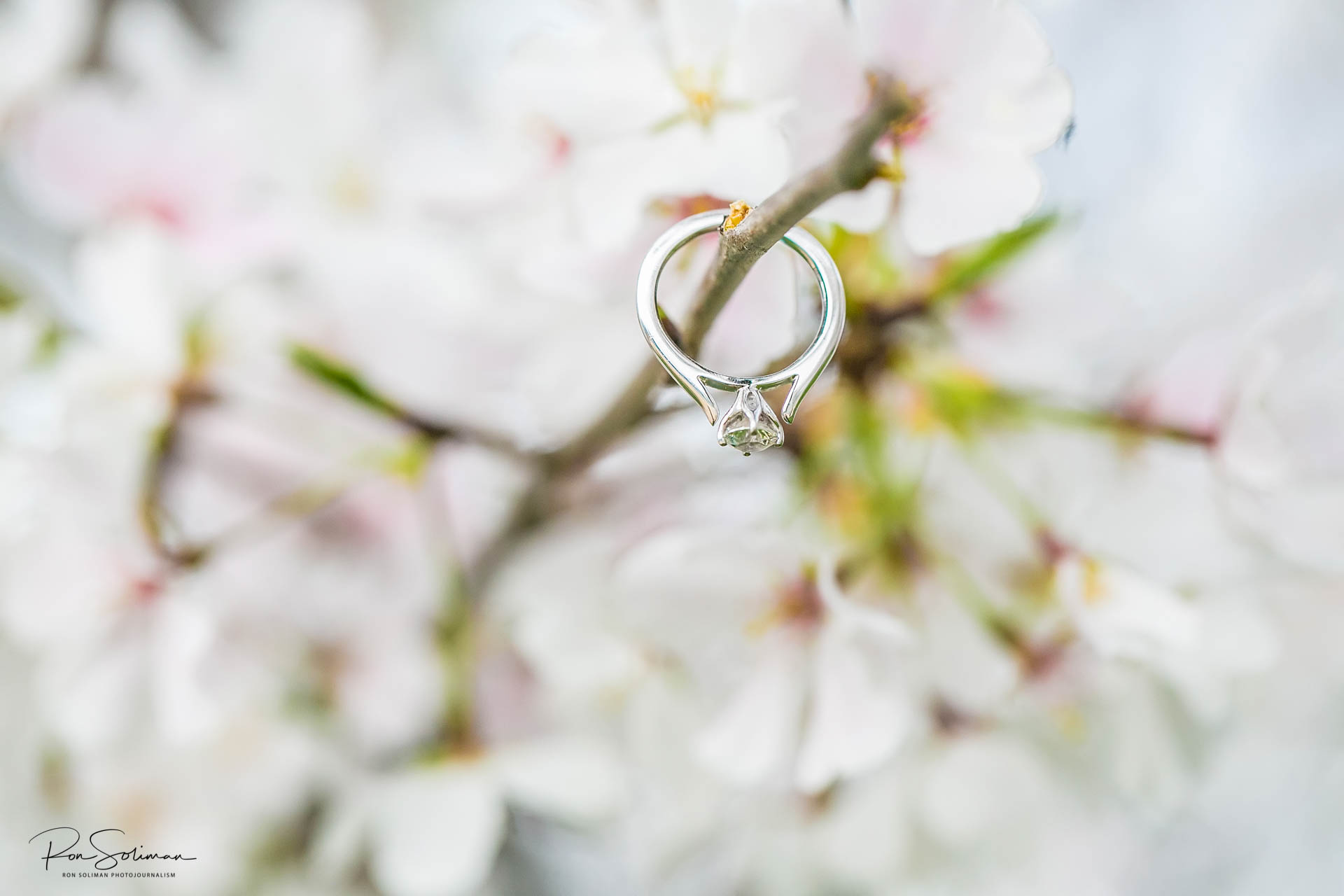
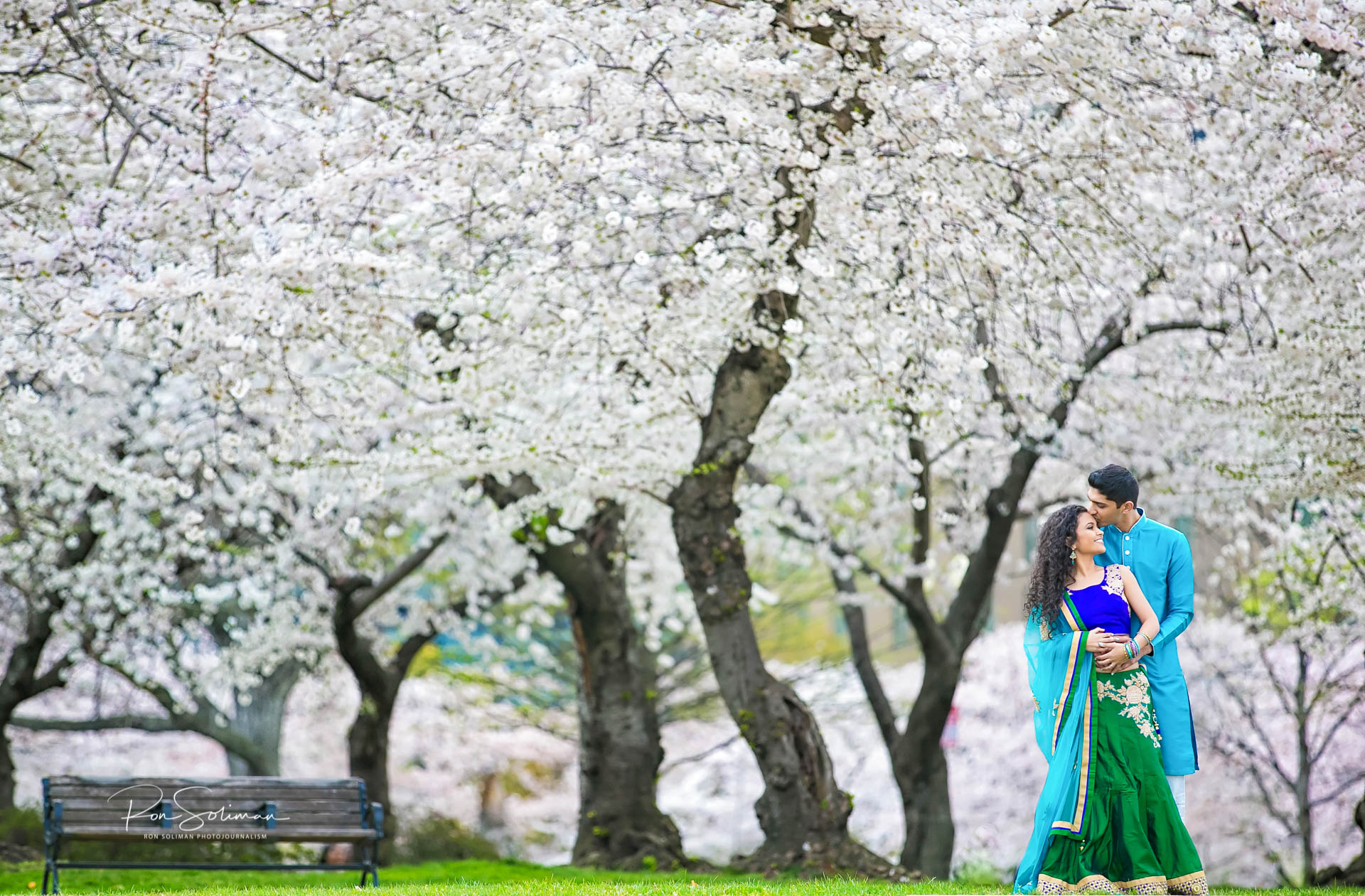
5. Parking (The Ultimate DC Challenge)
If you are driving to the location, then parking would be difficult. The usual street parking along the Potomac River is all blocked during the festival. So your best bet is to come early, you can save yourself a parking spot along Ohio Drive.
Directions: Pass the Jefferson Memorial on the right, then make a left on Ohio drive, and you will find parking lots A and B. Try to come before 6 am because they get full very soon! After 7 AM you have to park miles away or get dropped off by Taxi or Uber.

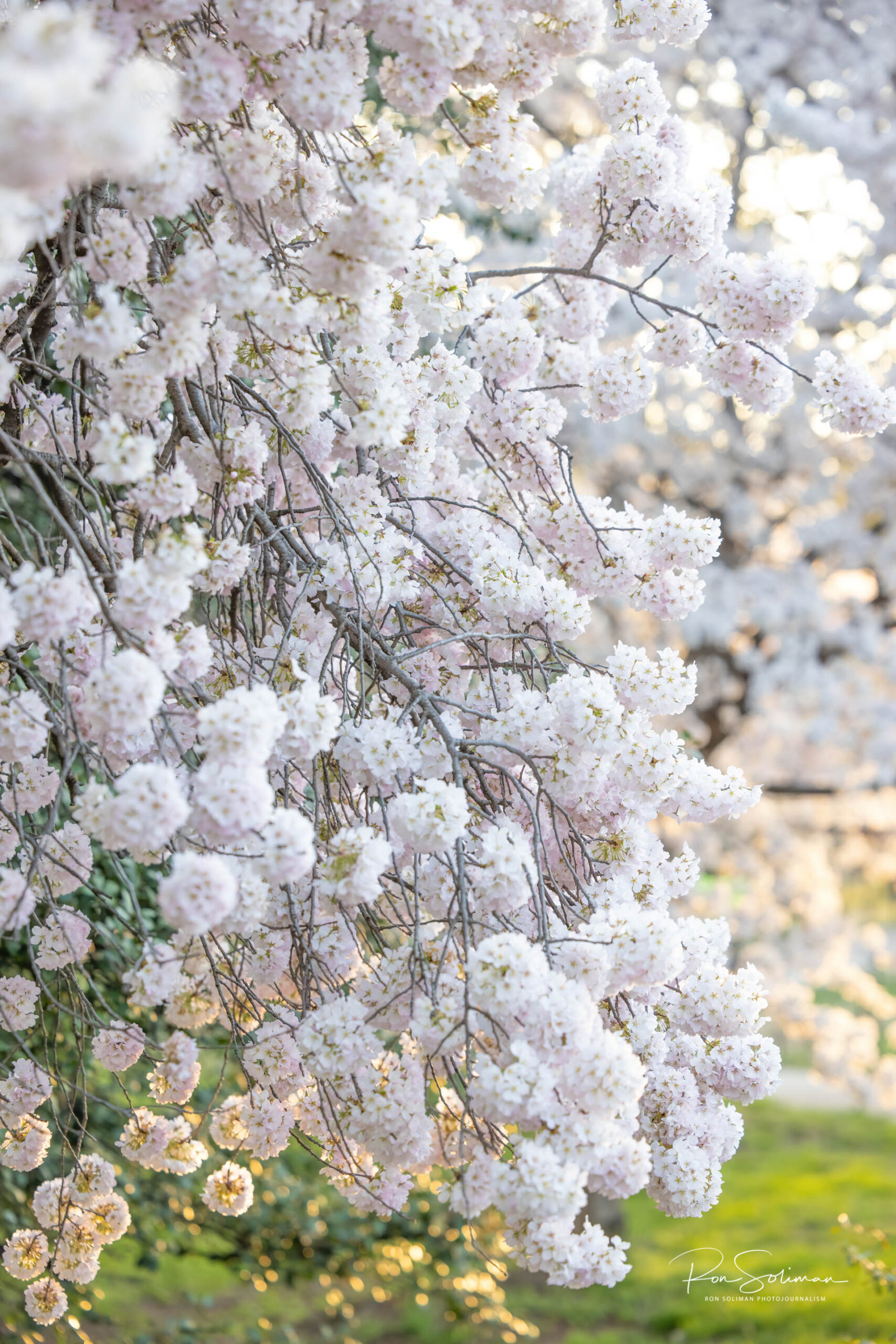

6. Breathe and Enjoy (Seriously)
Ultimately, photographing the cherry blossoms is an adventure. There will be crowds, early mornings, and maybe a few “oops” moments. But the beauty you capture? It’s totally worth it. Happy shooting, and don’t forget to share your stories!

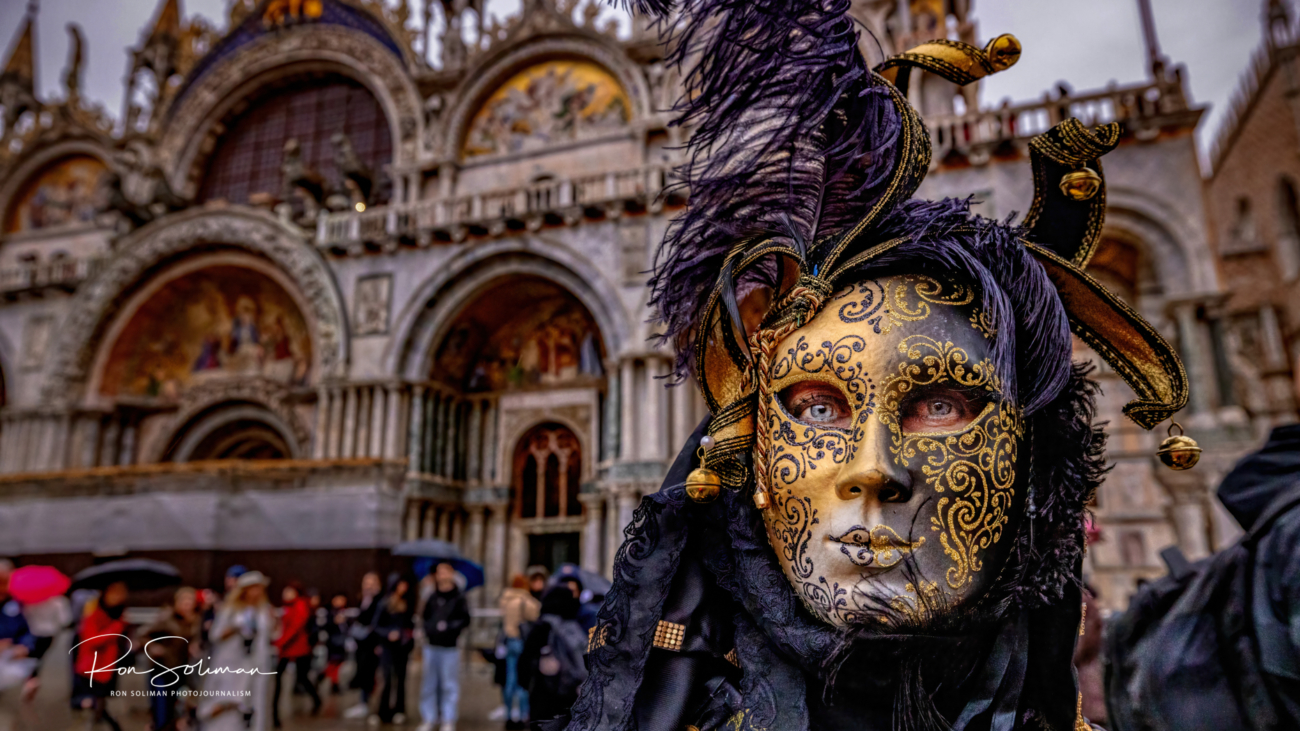
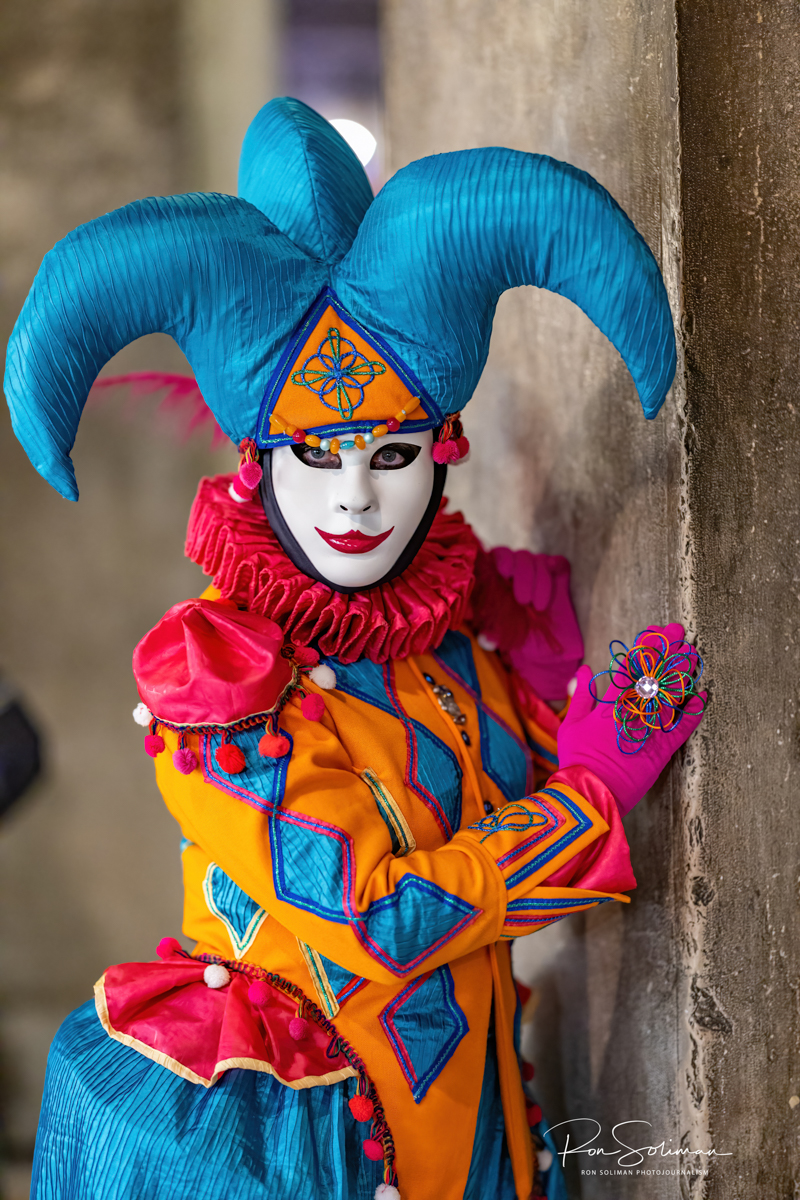
The Venice Carnival. Just the name whispers promises of vibrant masks, elaborate costumes, and a palpable sense of mystery. As a travel photographer, I had the privilege of capturing this unique event in Venice, Italy, and I can confidently say: it’s an absolute feast for the senses, and a photographer’s dream. In celebration of this year’s Carnevale, I want to share some of my images and offer tips to help you capture the magic of this extraordinary event.
The Venice Carnival has a long and colorful history, dating back to the 11th century. It began as a time of celebration and disguise before the religious observance of Lent. People wore masks to hide their identities, allowing them to break free from social norms. Over time, these masks transformed into elaborate works of art, used for entertainment and even political commentary. The Carnival reached its peak in the 18th century, attracting visitors from all over Europe. While its popularity declined for a time, it was revived in the late 20th century and now stands as a major cultural event.


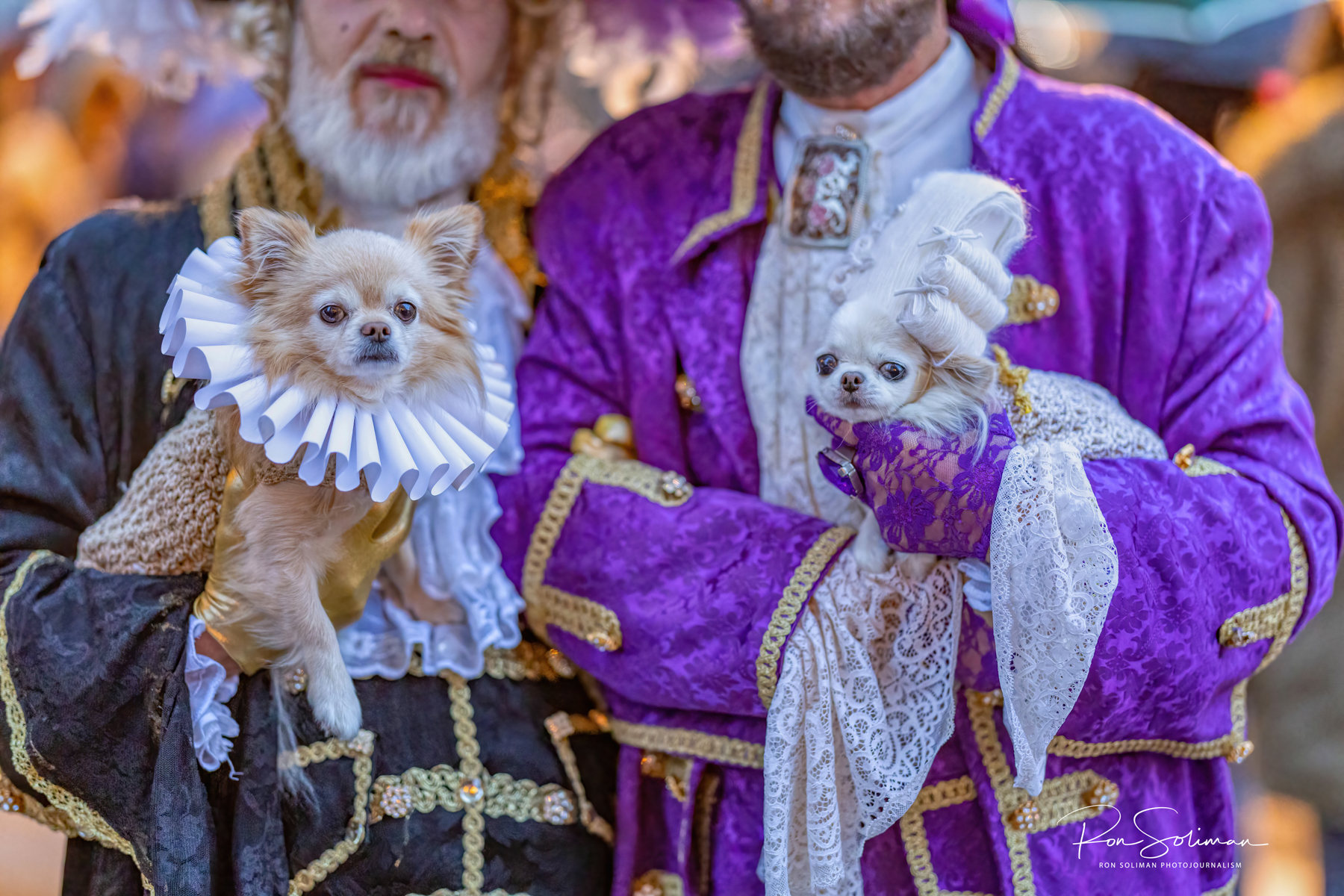


Forget the guidebook – here’s the real insider scoop for photographers. I’ve developed a few strategies for photographing the Venice Carnival that I’ve found particularly effective. I want to share these with you so you can avoid making the mistakes I did and effectively photograph while enjoying this event at the same time.


The Venice Carnival is an unforgettable experience for photographers. It’s a whirlwind of color, creativity, and human expression. Embrace the chaos, be patient, and most importantly, have fun! Capture the essence of the moment – the laughter, the music, the unexpected interactions. Let the magic of Venice inspire you. And remember, the best photographs often come from the heart.
Join me in 2026 for an unforgettable photography adventure at the Venice Carnival! I’ll be leading a small-group workshop, offering personalized guidance and expert tips to help you elevate your photography and capture the true essence of this magical event.
Sign up for my mailing list at [email protected] to receive exclusive updates on dates, pricing, and itinerary for the 2026 Venice Carnival Photography Workshop by Ron Soliman.
Let’s capture the magic together!


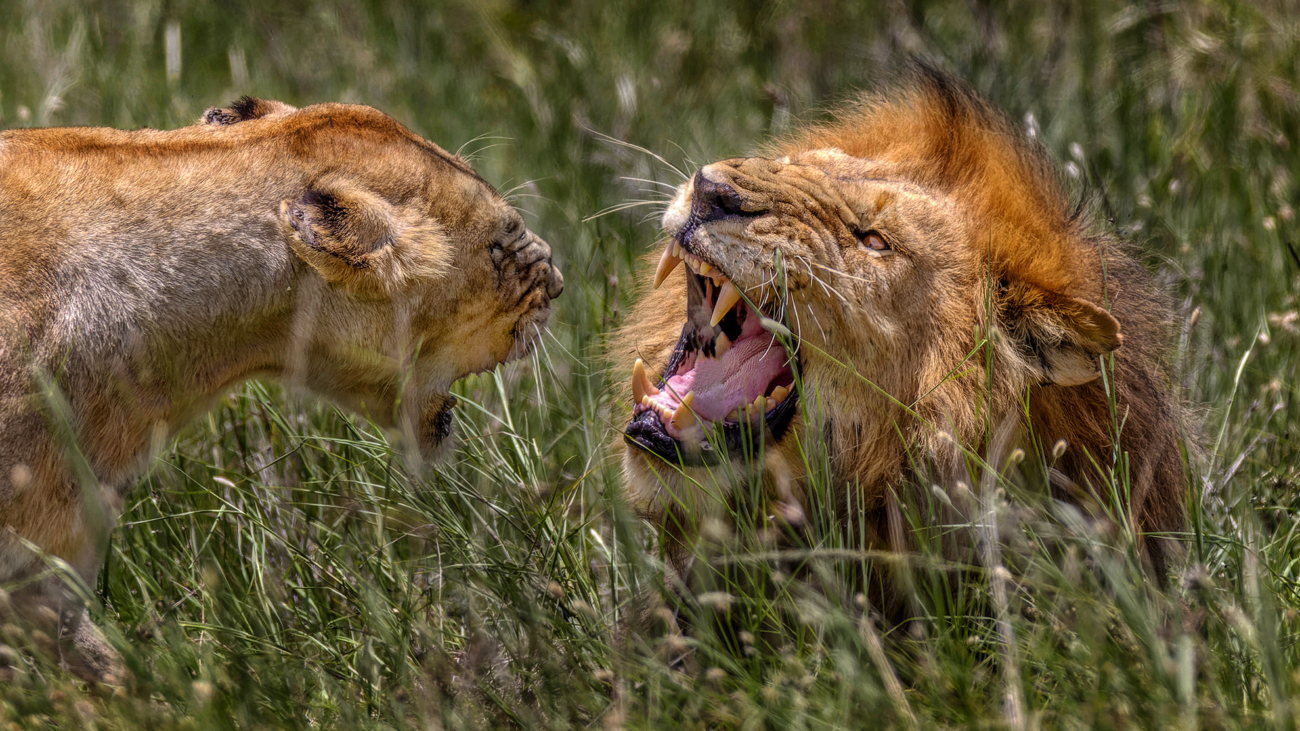
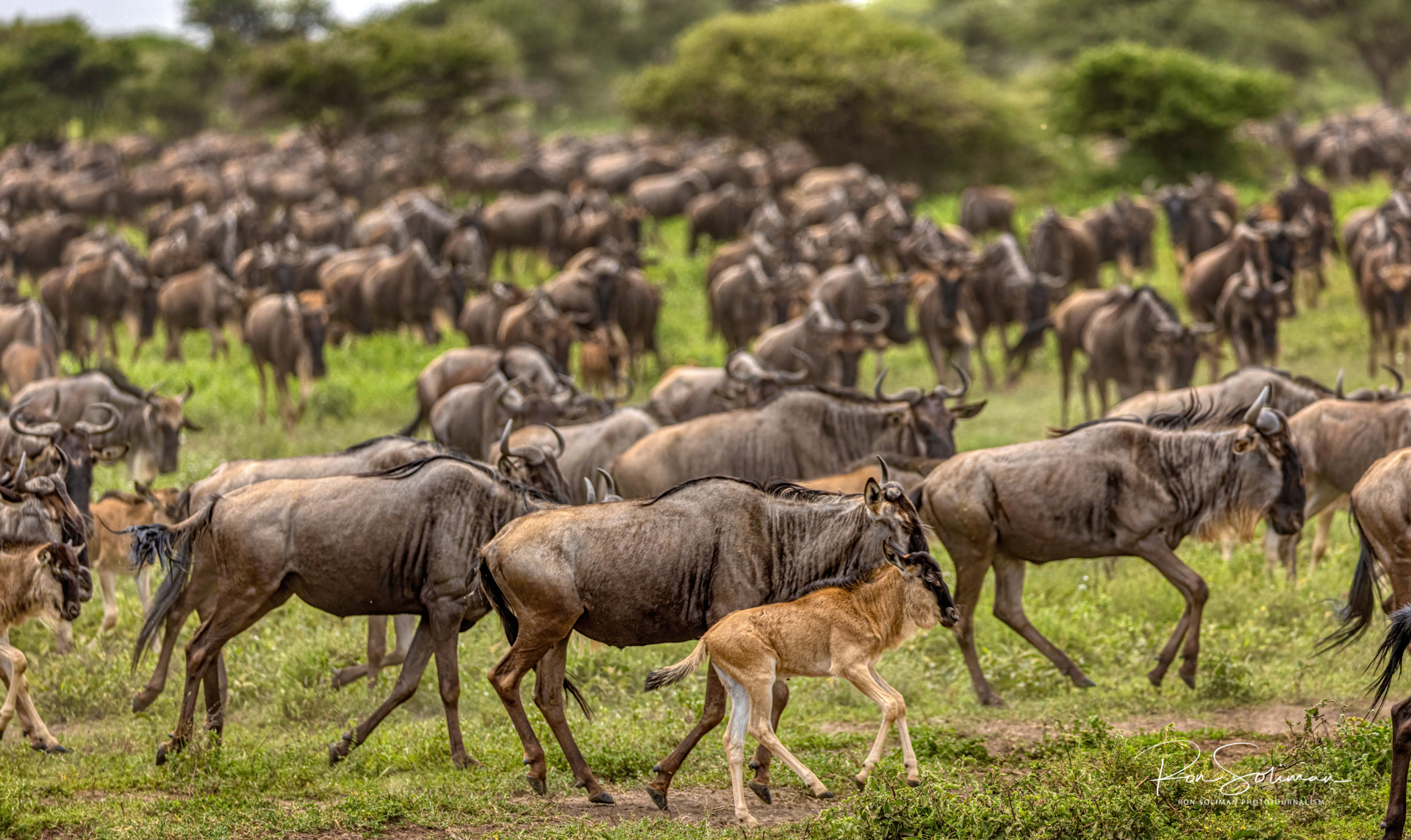
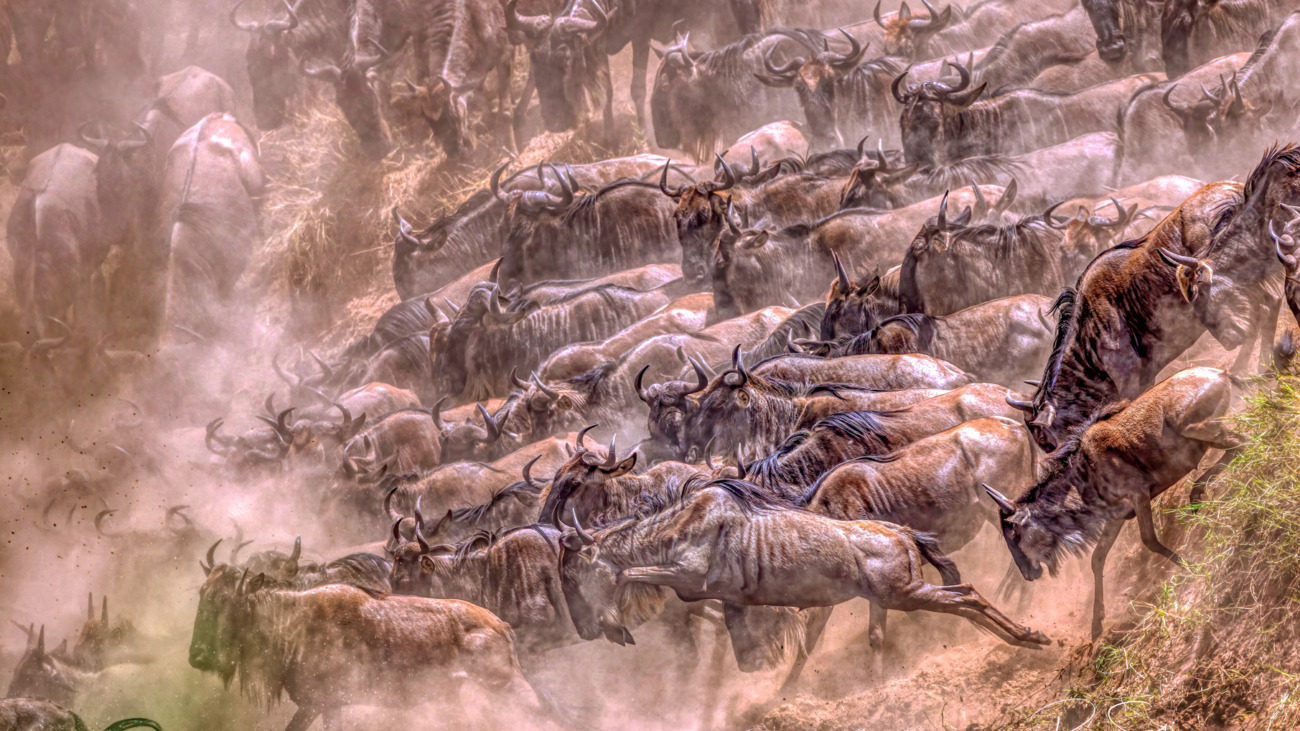
Stories are told about the Great Migration, but nothing compares to the first-hand experience. Serengeti is one of the most exciting safari destinations in Africa. It is also one of the best national parks in the world and it is known to be the place to watch the greatest wildlife show on earth – the Great Wildebeest Migration.
So few months before I turn 50 years old this June, my wife and I embarked on a photographic journey to Tanzania to photograph the wild and witness this amazing phenomenon.
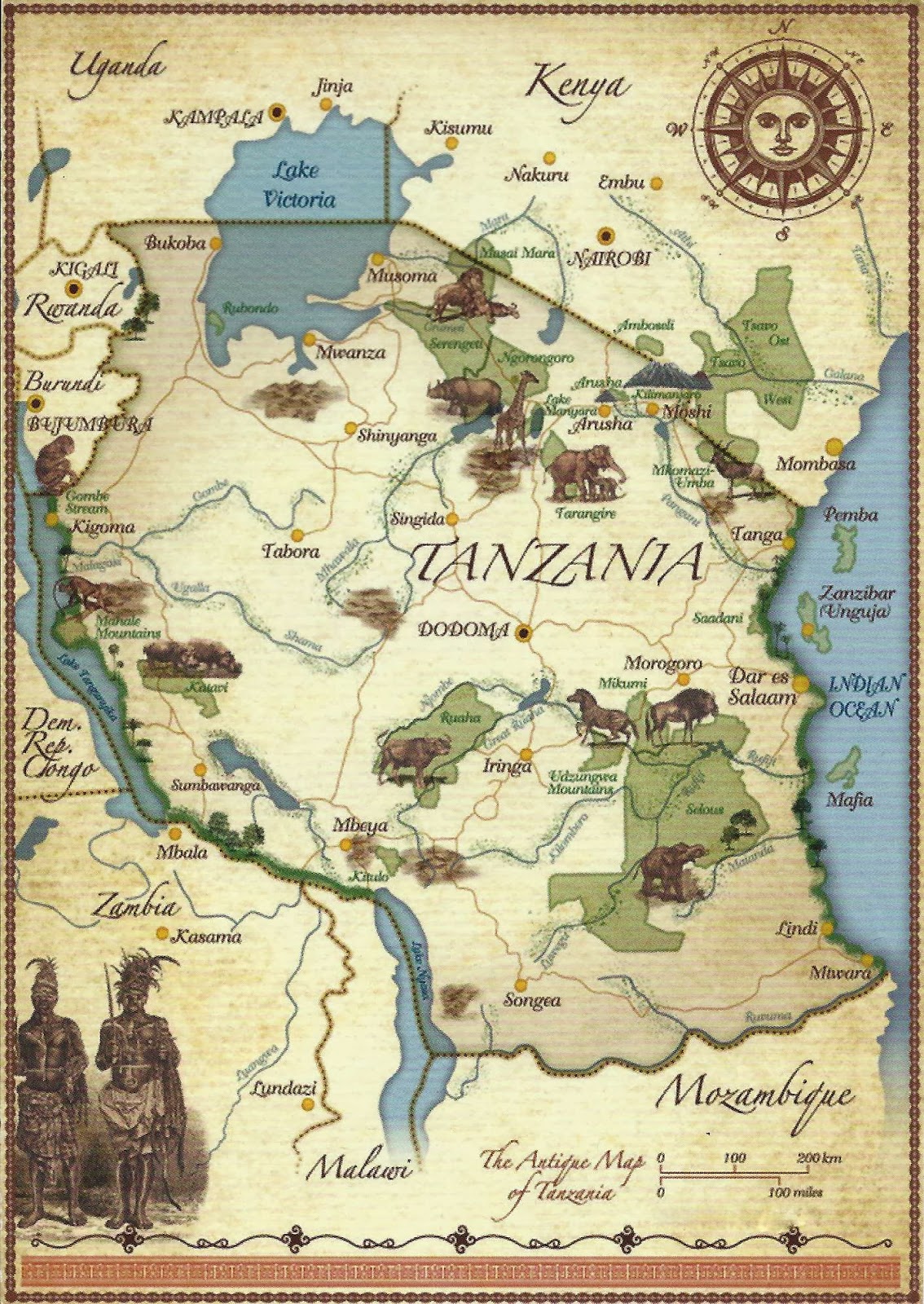
Located in East Africa, Tanzania is well known for its vast wilderness areas including the plains of the Serengeti National Park. It is the largest country in East Africa and its neighboring countries are Uganda, Kenya, Burundi, Rwanda, DR Congo, Mozambique, Zambia, and Malawi.
Here’s a little history of Tanzania –
Arab traders first began to colonize the area in the year 700. Portuguese explorers reached the coastal regions in 1500 and held some control until the 17th century when the sultan of Oman took power.
With what is now Burundi and Rwanda, “Tanganyika” became the colony of German East Africa in 1885. In 1964 Zanzibar, an island off the coast of Tanzania, and Tanganyika merged into a new country: Tanzania.
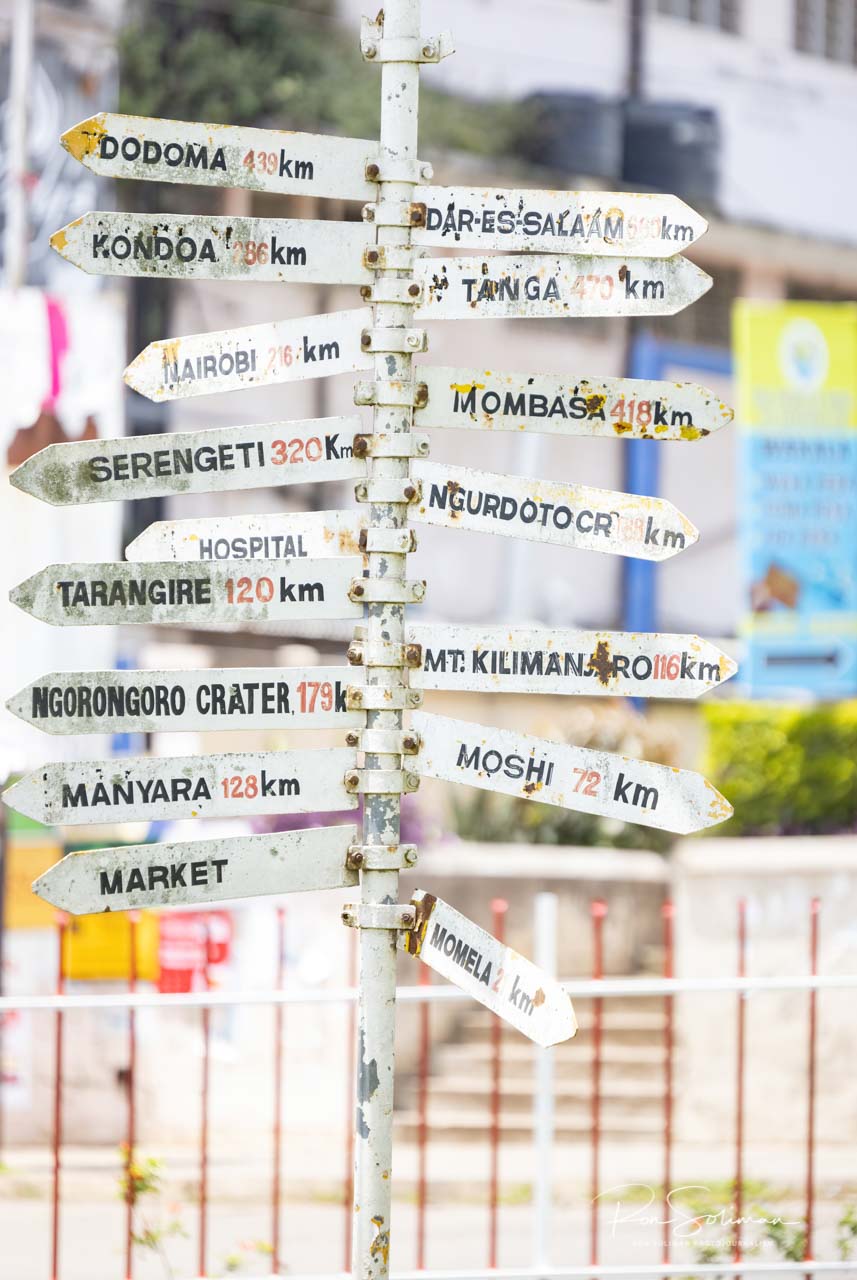
The famous Mt. Kilimanjaro, the highest point of Tanzania, is located in the North. Dar es Salam was the capital of Tanzania but the city of Dodoma became the country’s capital in 1973. As of 2021, it has now a population of 59,678,000. Its official languages are Swahili and English.
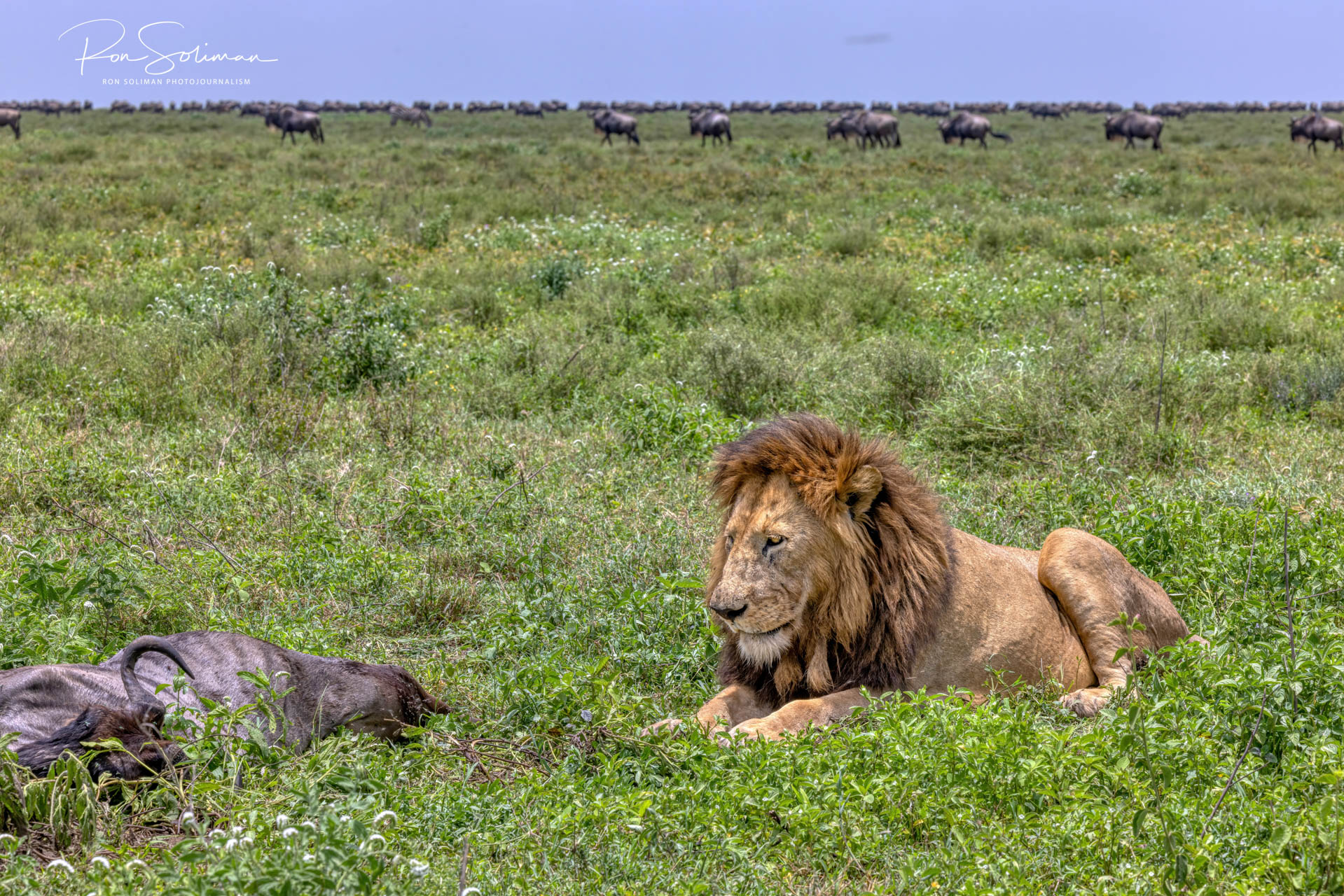
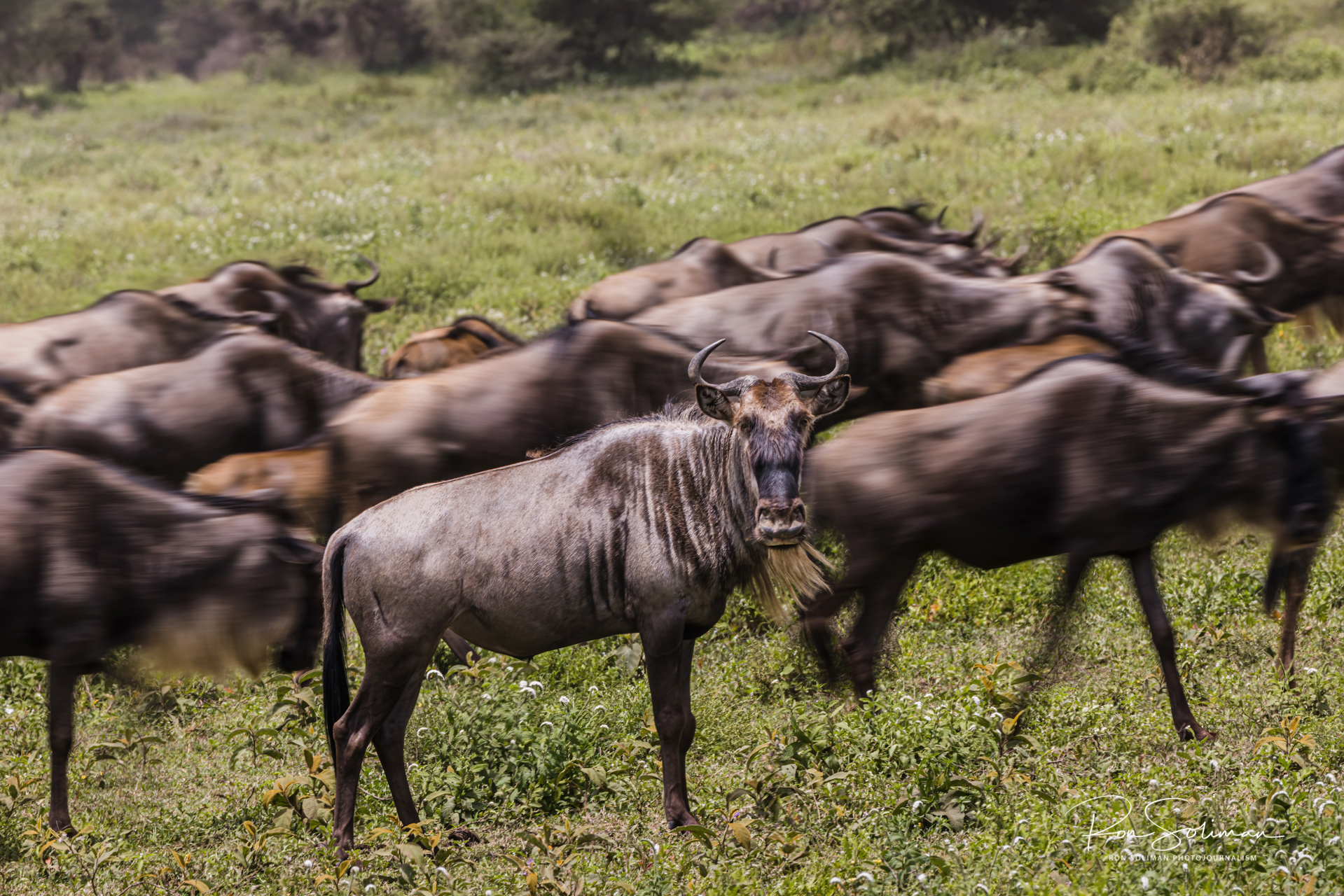
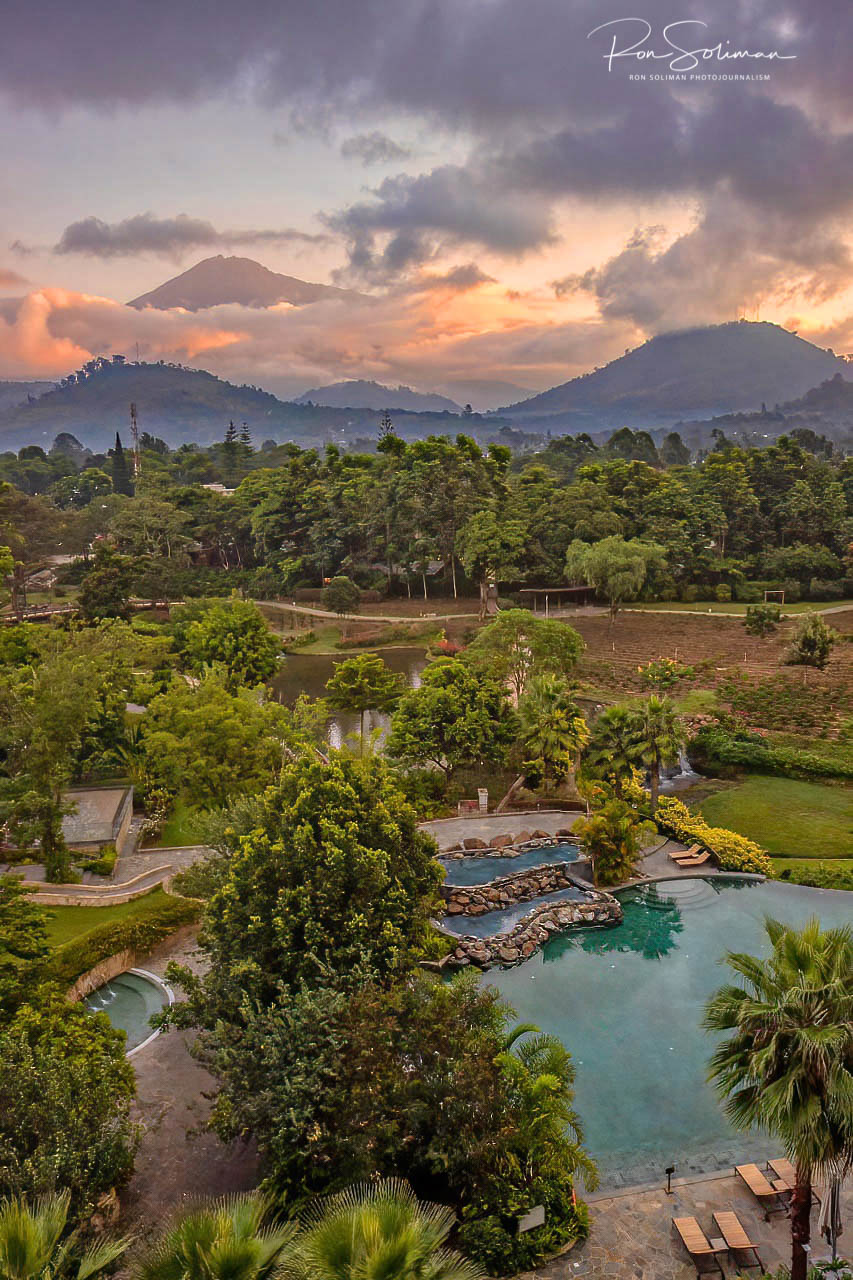
We flew from Philadelphia to Kilimanjaro Airport and stayed for a couple of nights in Arusha to recover from jet lag after a 23- hour-flight. We stayed at the Gran Melia Resort. Upon arrival at this hotel, we pretty much right away felt the Tanzanian hospitality. The staff was amazing and the rooms are very clean and comfortable. Number One Tip – Make sure you ask for a room that has a great view of Mt. Meru, the 2nd highest mountain in Africa.
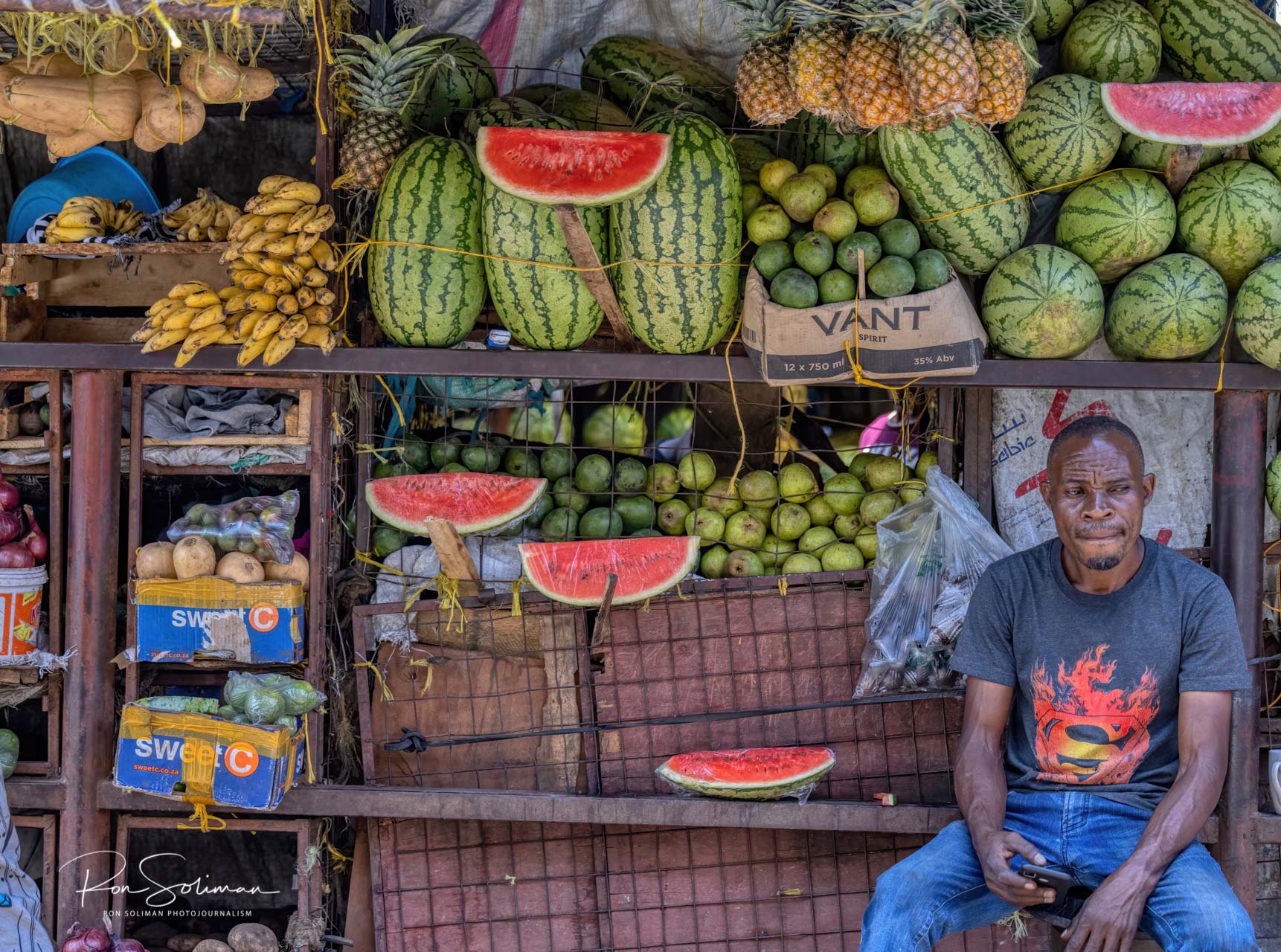
There are two ways to get to the Serengeti National Park – by plane or by a 4X4 Safari SUV from Arusha. If you choose to fly, you can fly to Seronera Airport, which is inside the national park. I believe it is only an hour flight either from Nairobi or Kilimanjaro airport. While it would have been more convenient to fly, we took the longer route and decided to drive from Arusha to explore the countryside, interact with the locals, and learn about their culture. Driving along on the bumpy dirt roads, felt as though we were in a National Geographic documentary segment. If you drive straight from Arusha it will take at least 6-7 hours to get to the Serengeti. So we chose to do stopovers along the way and spend overnight at a nearby lodge.
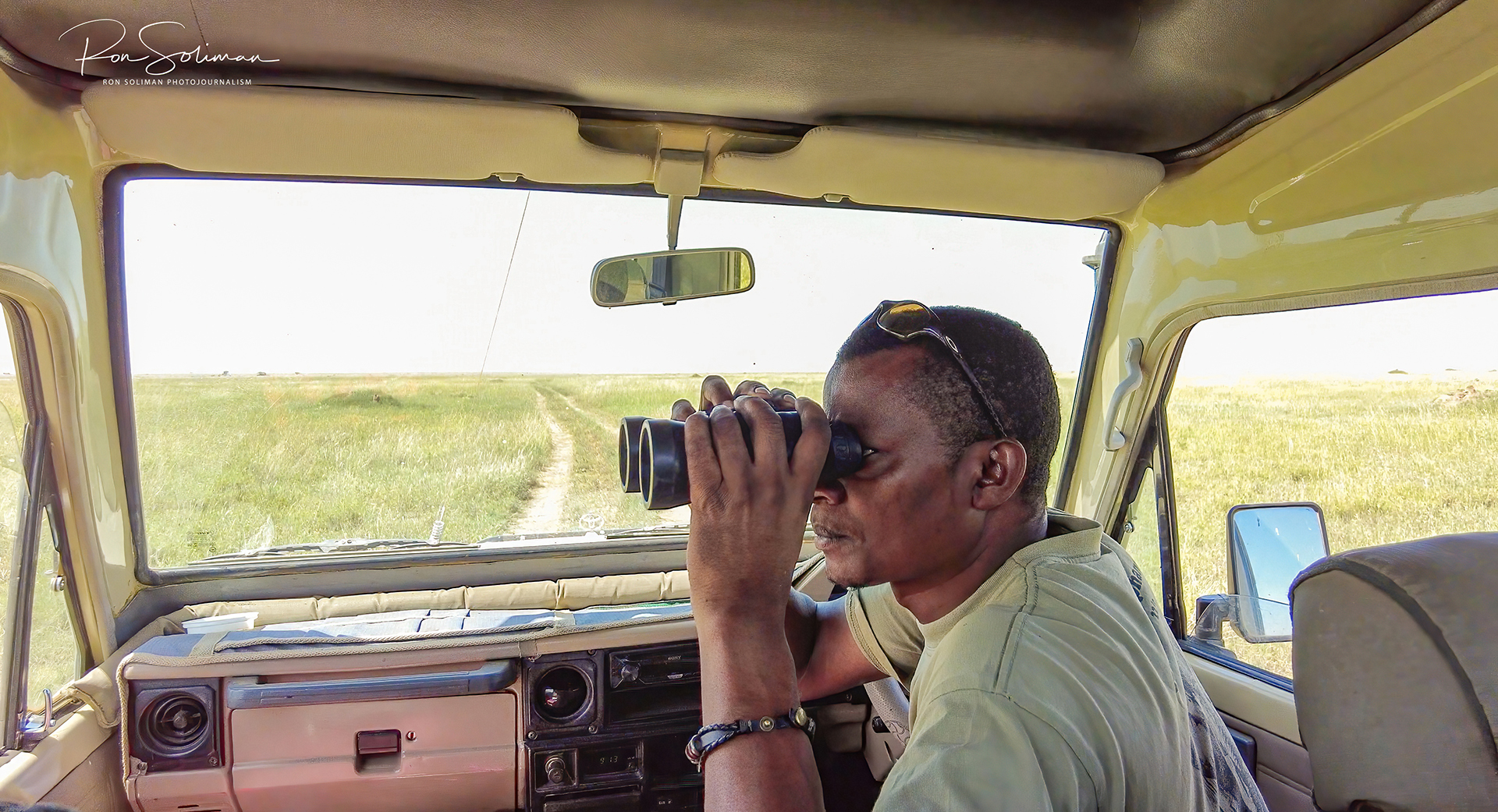
Along the way, our safari guide and driver Lorry from Pooja Travel and Tours educated us about each amazing wildlife we spotted. It is very important to have a very good safari guide who knows all the roads and who knows where to find the animals during each safari game drive.
Our journey set off from Arusha. Most tour operators offering Serengeti safaris organize your transport from Arusha for you. They call the city of Arusha the gateway to the Serengeti and to Mount Kilimanjaro. It is also sometimes called the safari capital of the world due to it’s close proximity to an international airport and to the popular national parks like – Serengeti National Park, the Ngorongoro Conservation Area, Lake Manyara National Park, Olduvai Gorge, Tarangire National Park, Mount Kilimanjaro, and Mount Meru in the Arusha National Park.
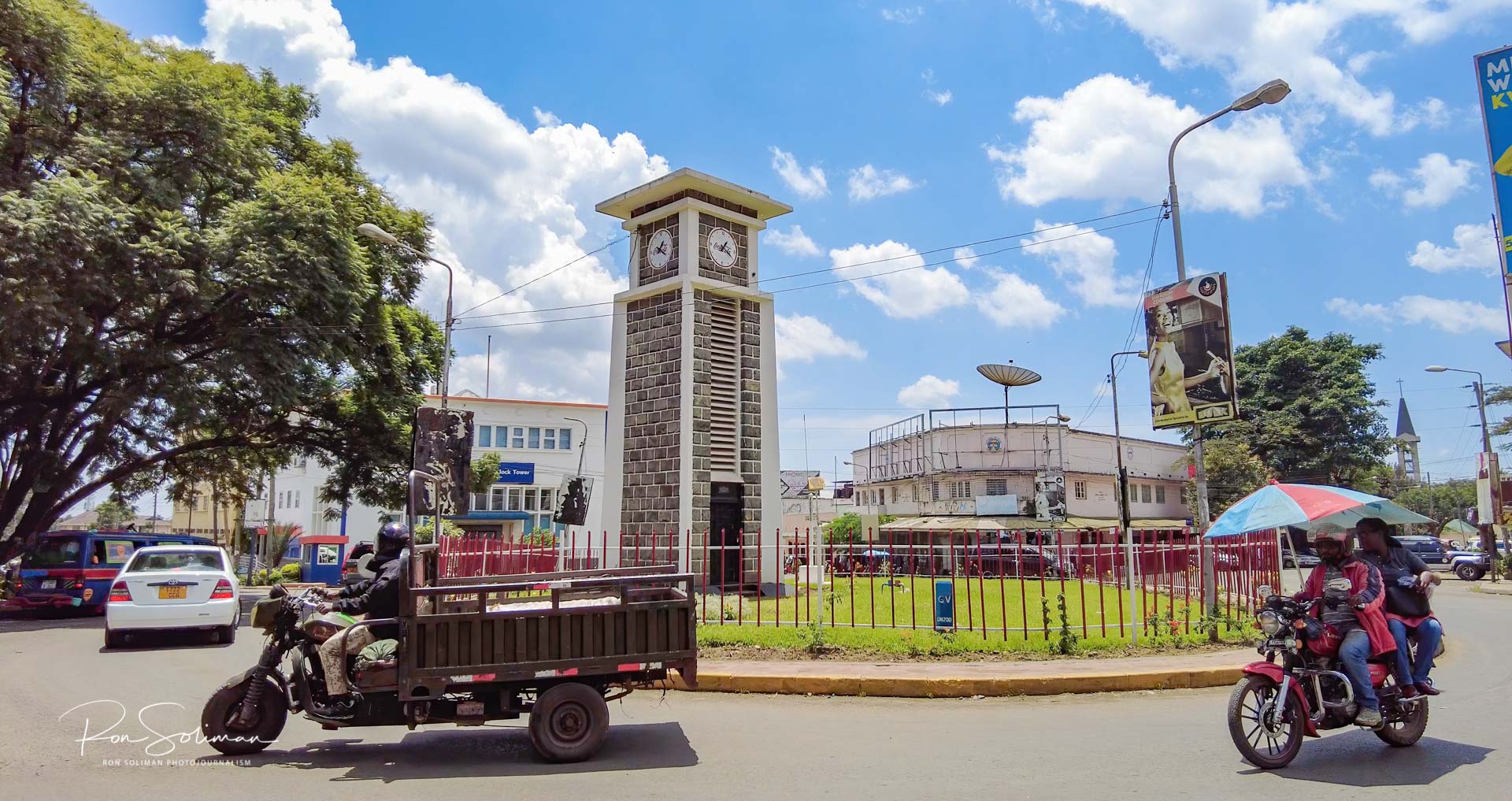
A very popular landmark in Arusha is it’s clock tower as seen in the photograph below. Built in the 1950s, this clock tower is believed to be the central point of Africa. It stands exactly at the middle of Africa between Cape Town in South Africa and Cairo in Egypt.
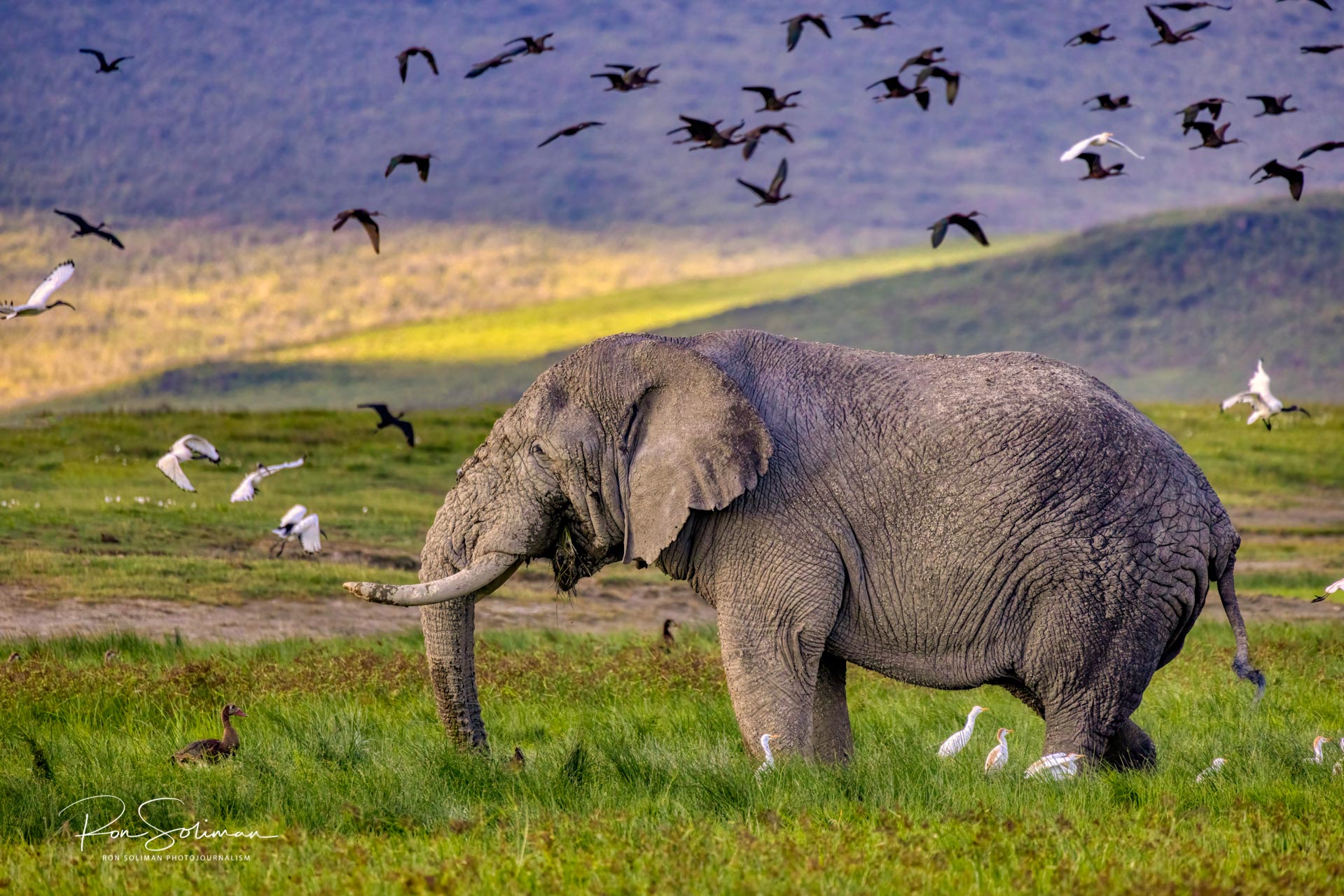
After a 3 to 4 hour drive from Arusha, our first stopover was the Ngorongoro crater, a massive collapsed volcano (caldera) in Northern Tanzania. Historically, the Ngorongoro highland is said to be an extinct volcano that once stood as high as Mt Kilimanjaro. Two million years ago, a violent volcanic eruption occurred that collapsed the mountain and created the largest intact caldera in the world. It is said to be as big as New York City.
Through the years, a specular wildlife eco-system inside this crater has formed. It is now the home of more than 25,000 wildlife animals. It is truly one of the greatest natural wonders on earth.
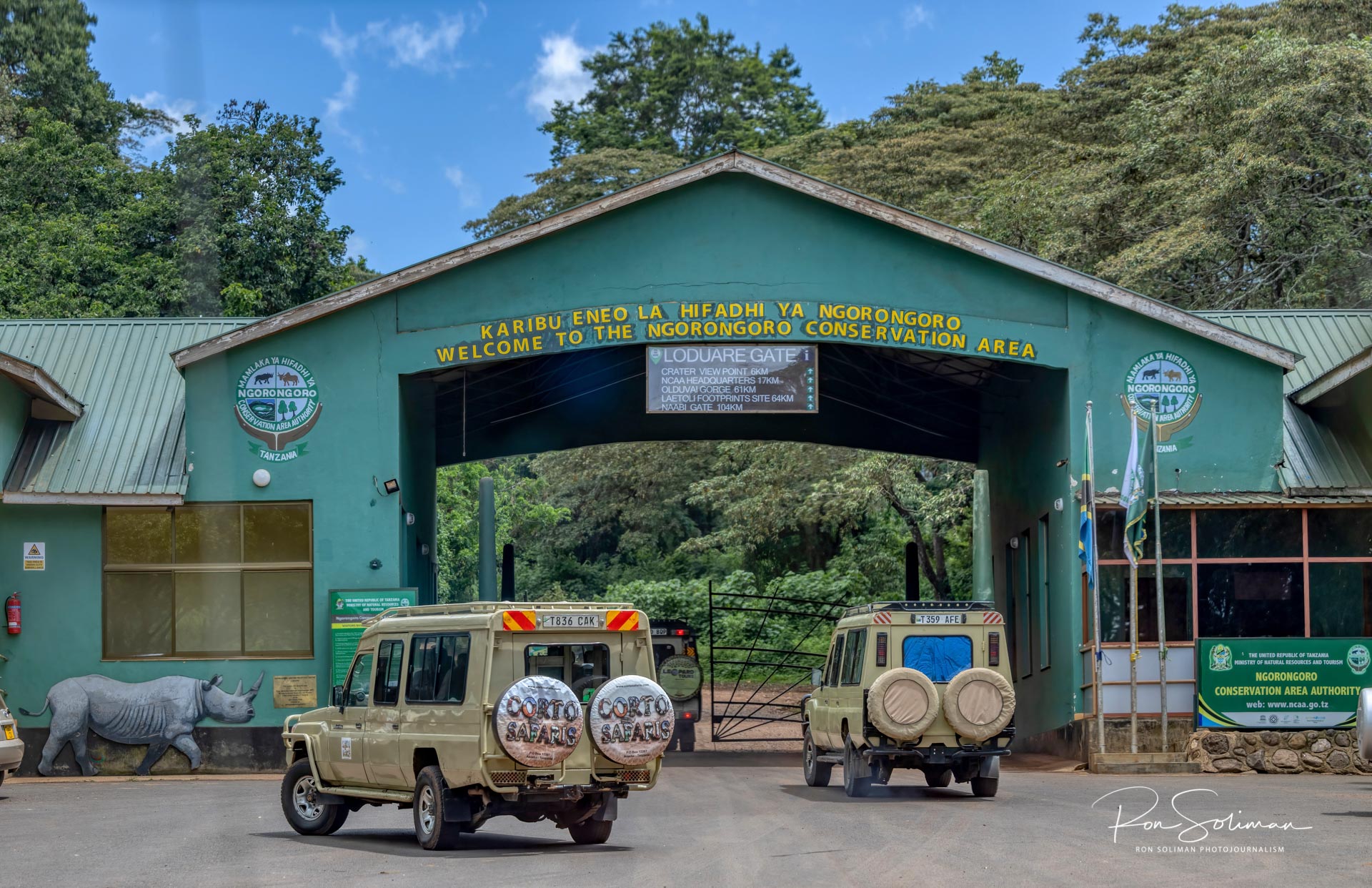
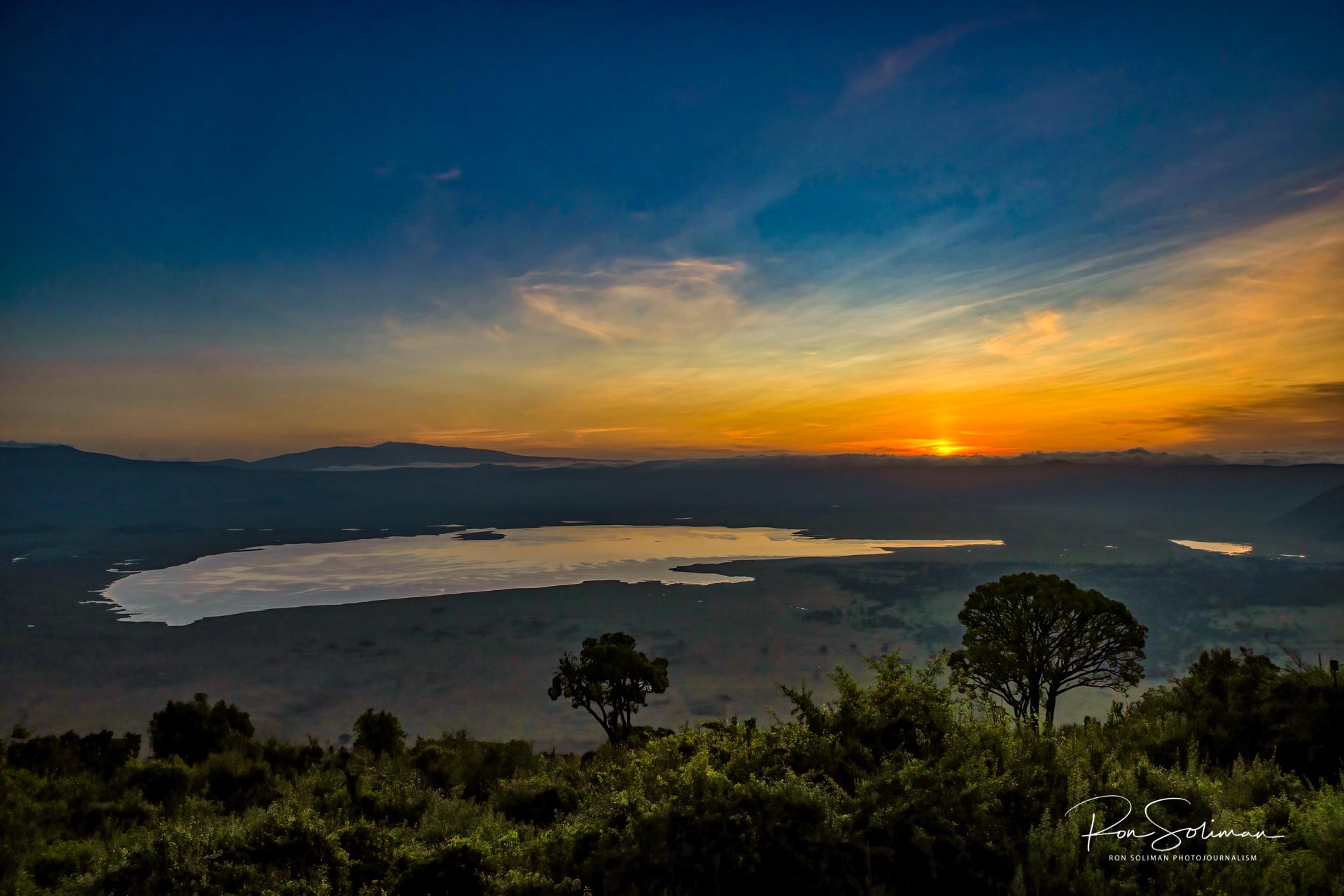
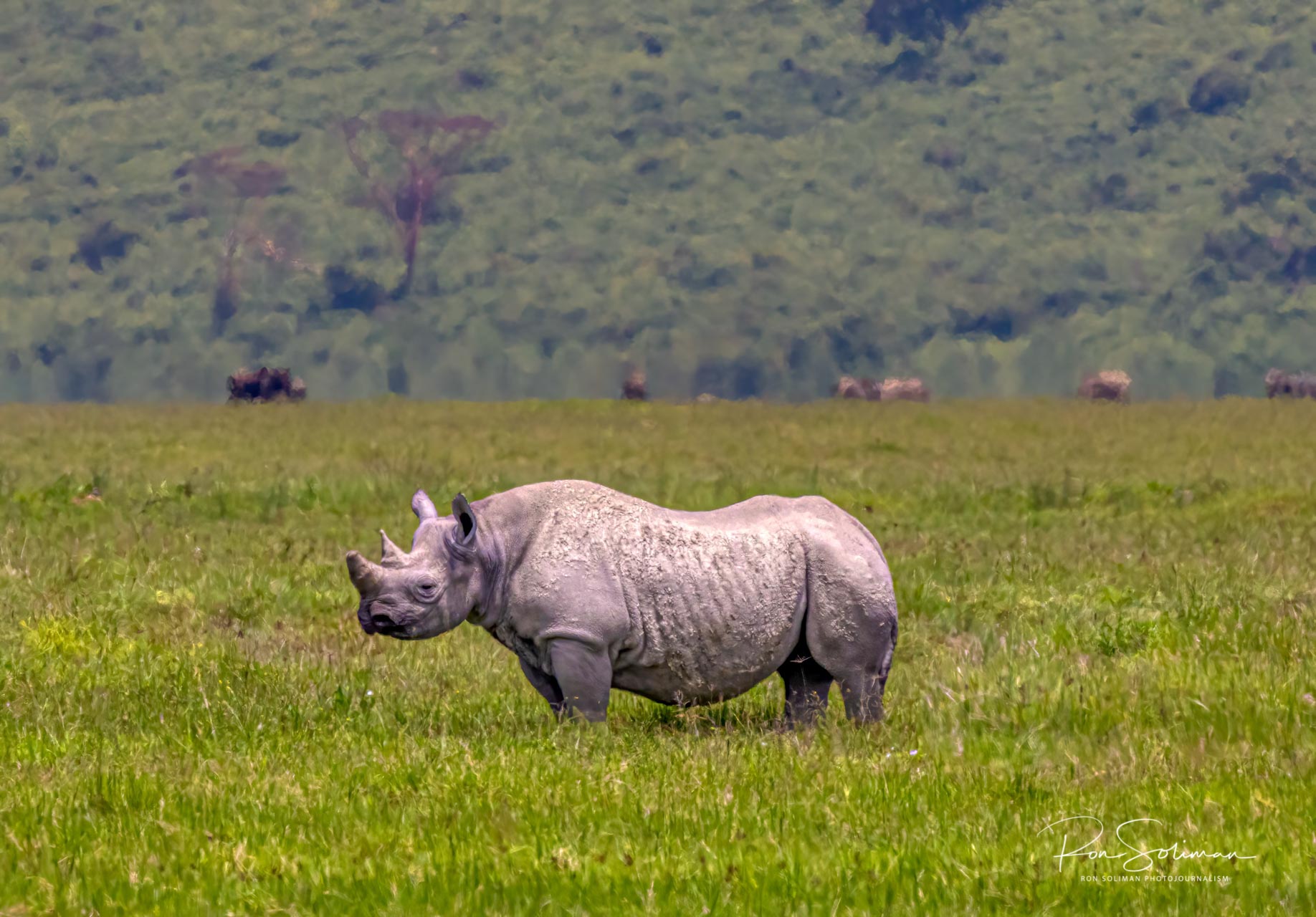
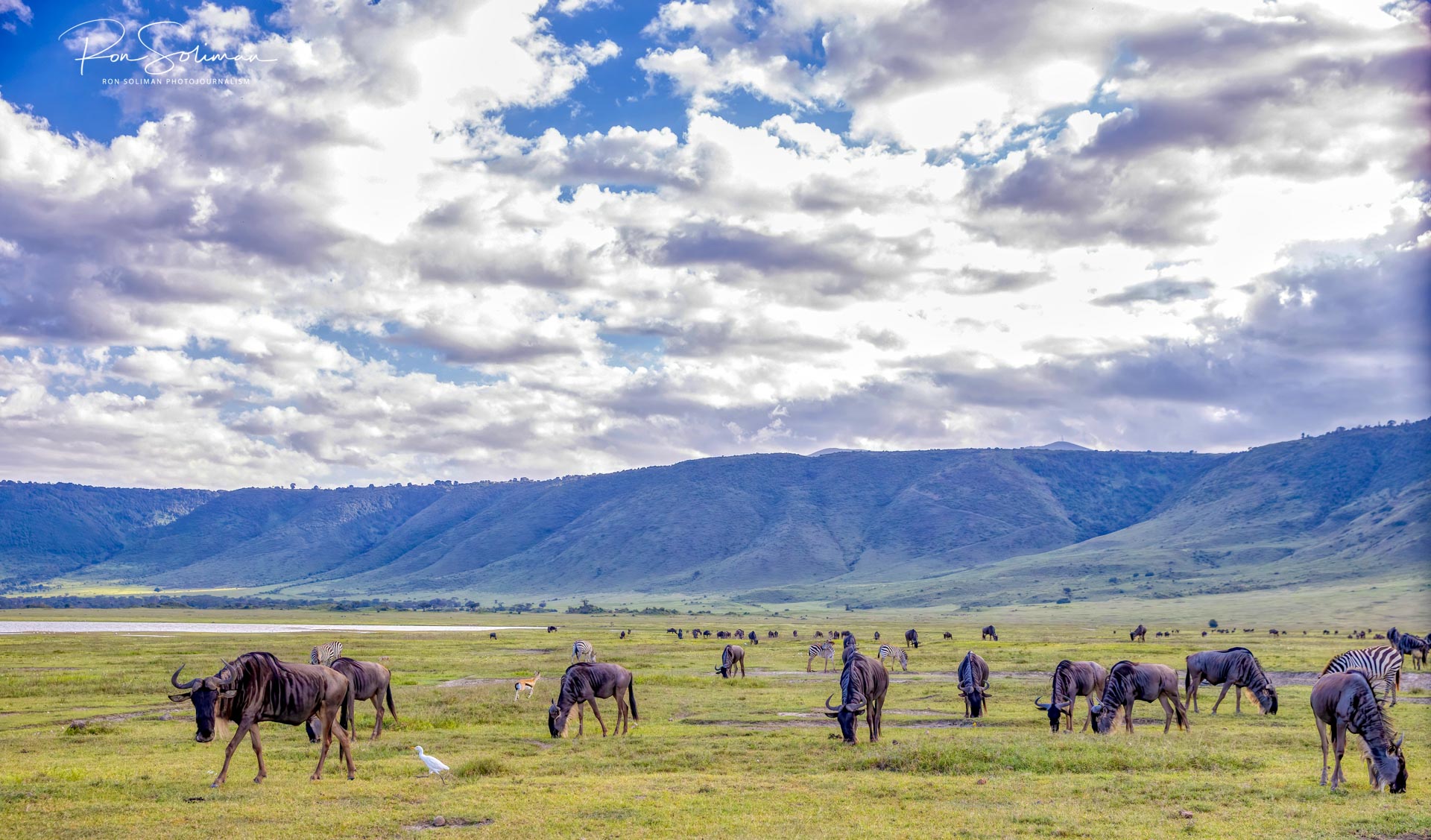
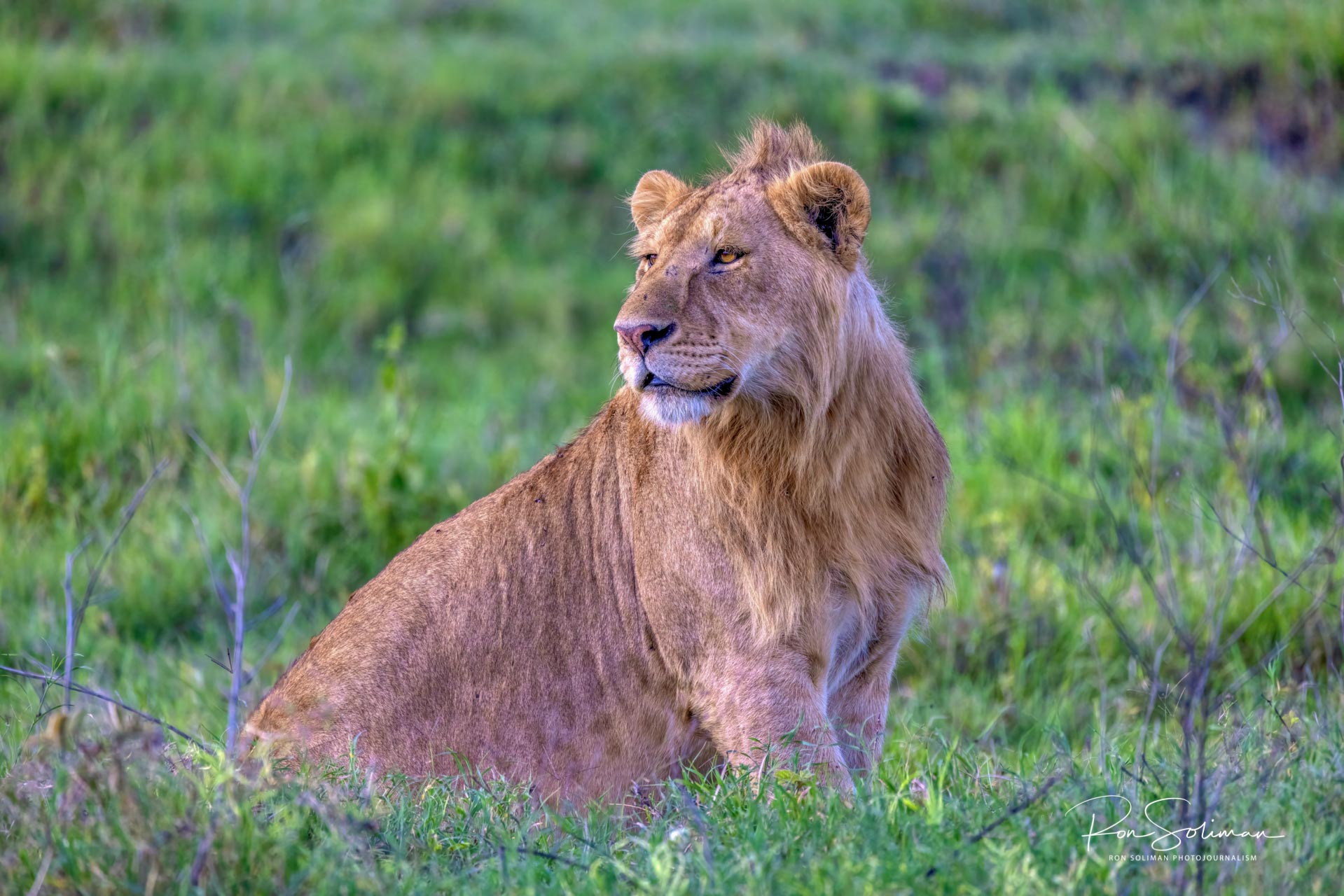
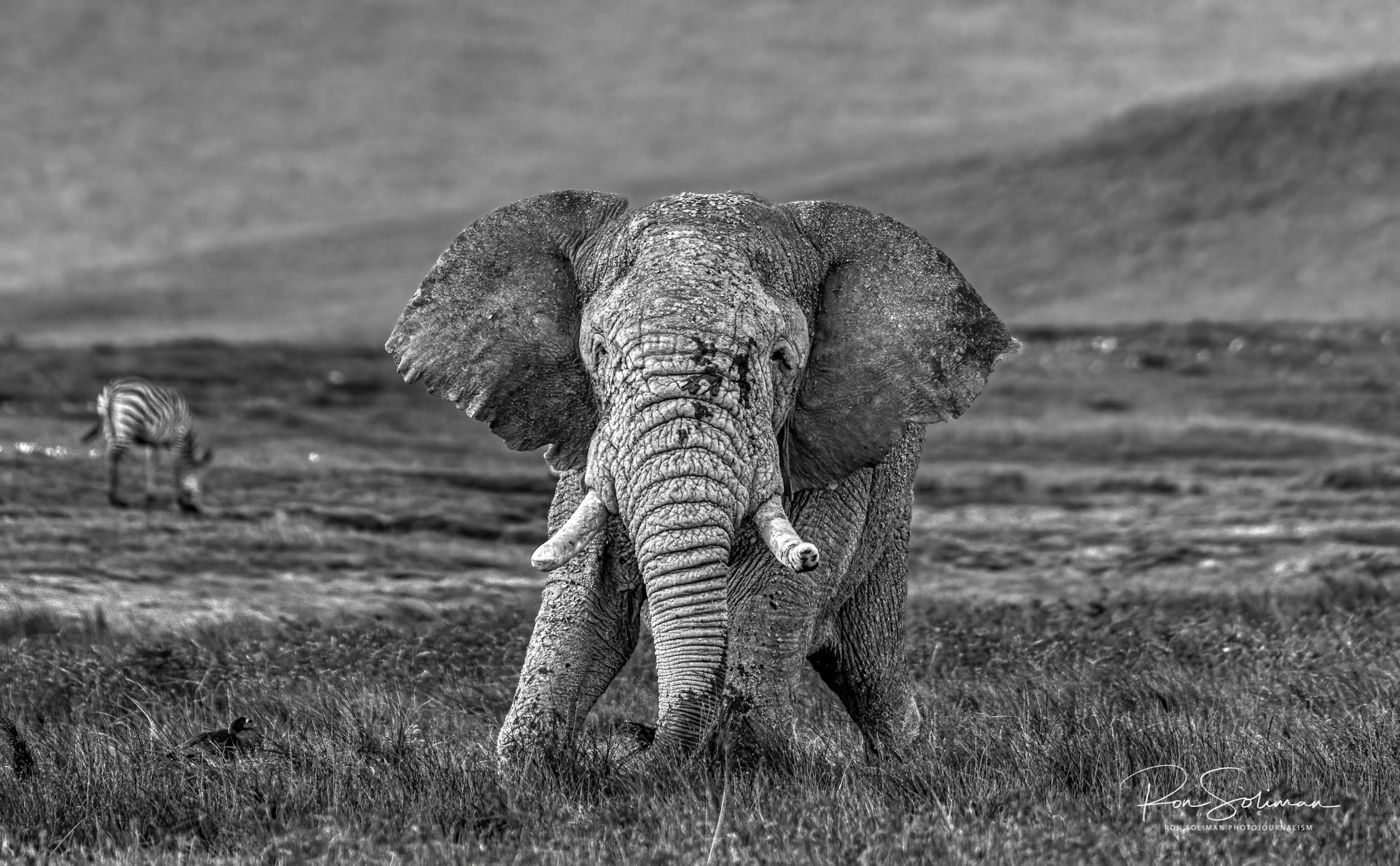
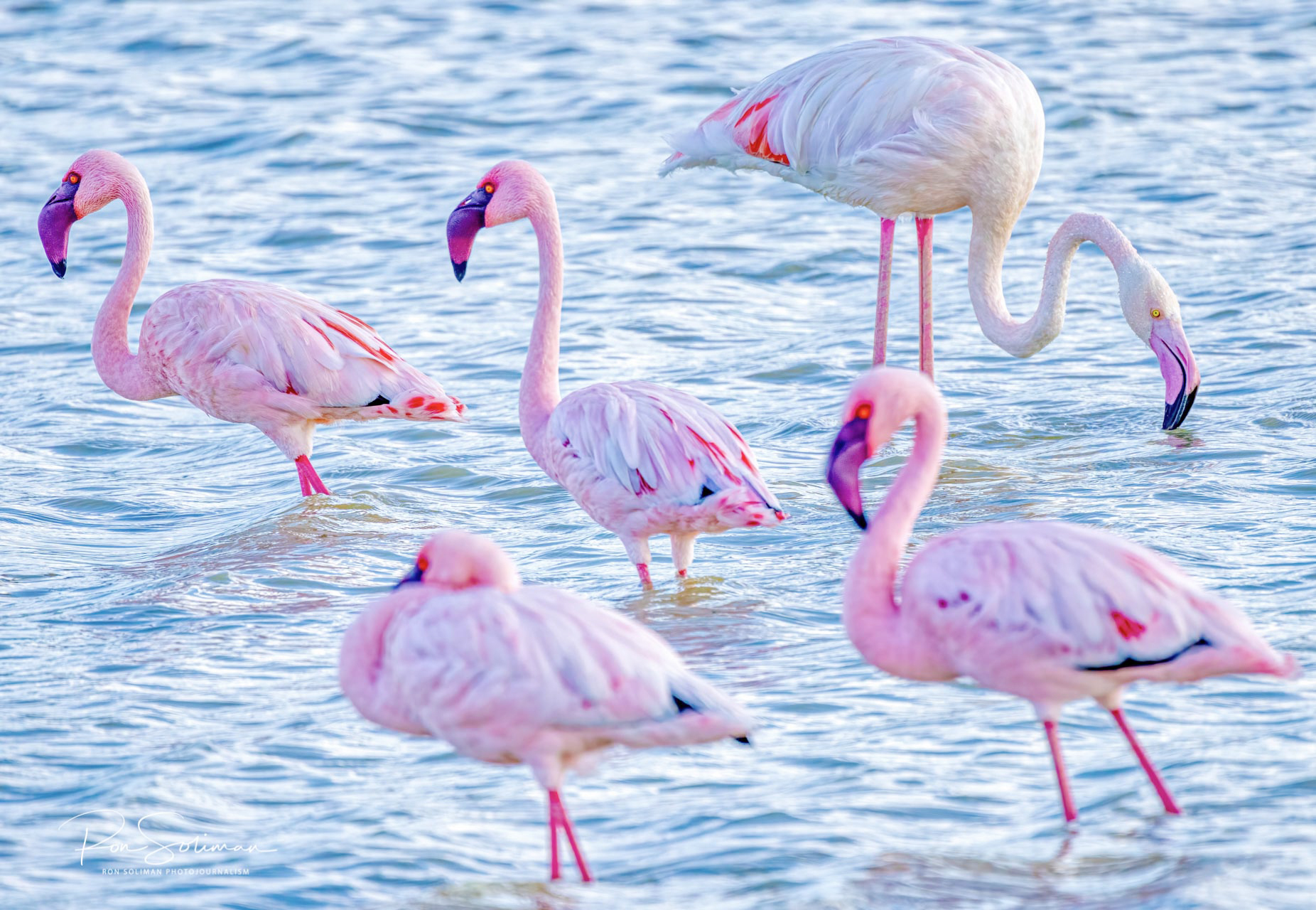
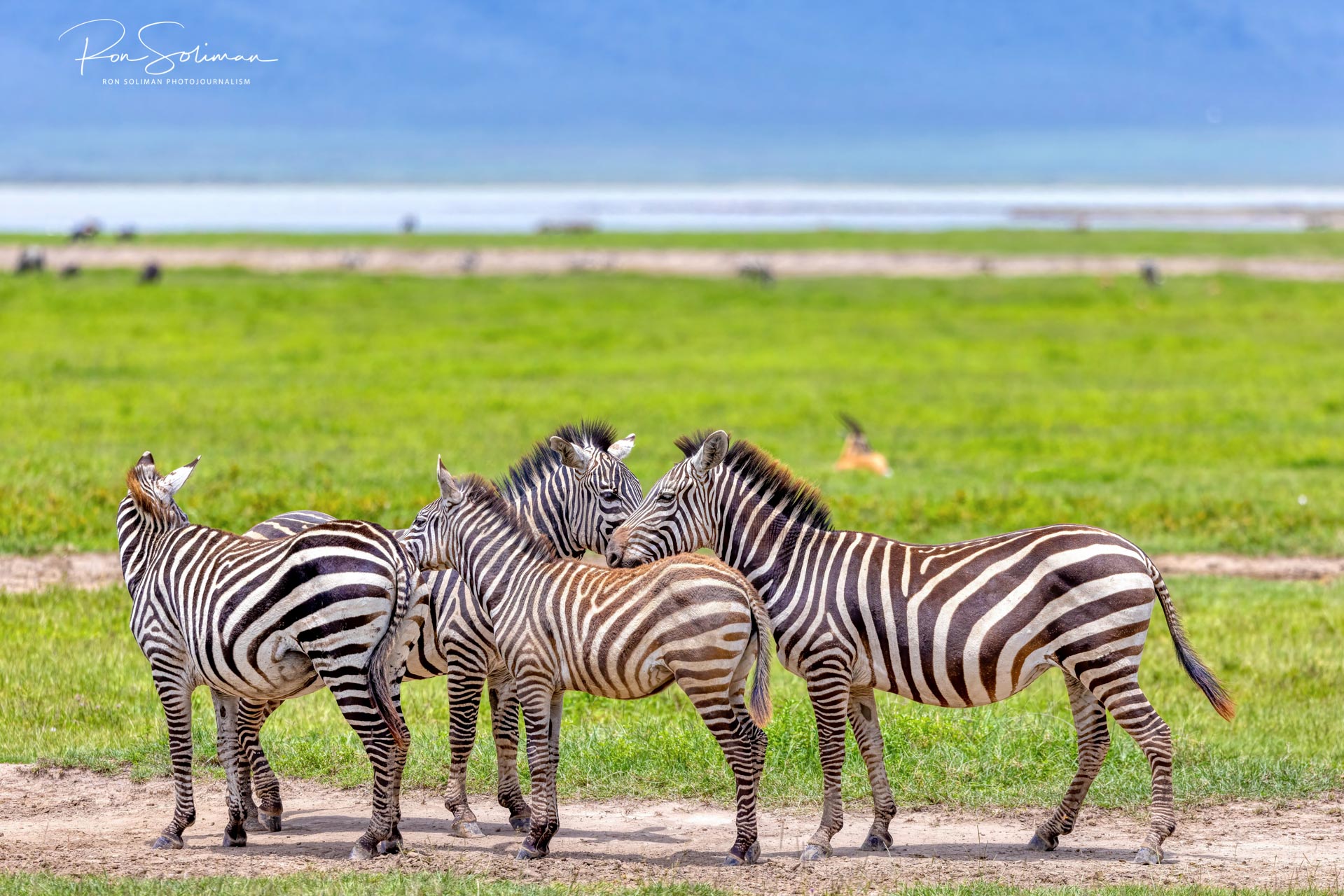
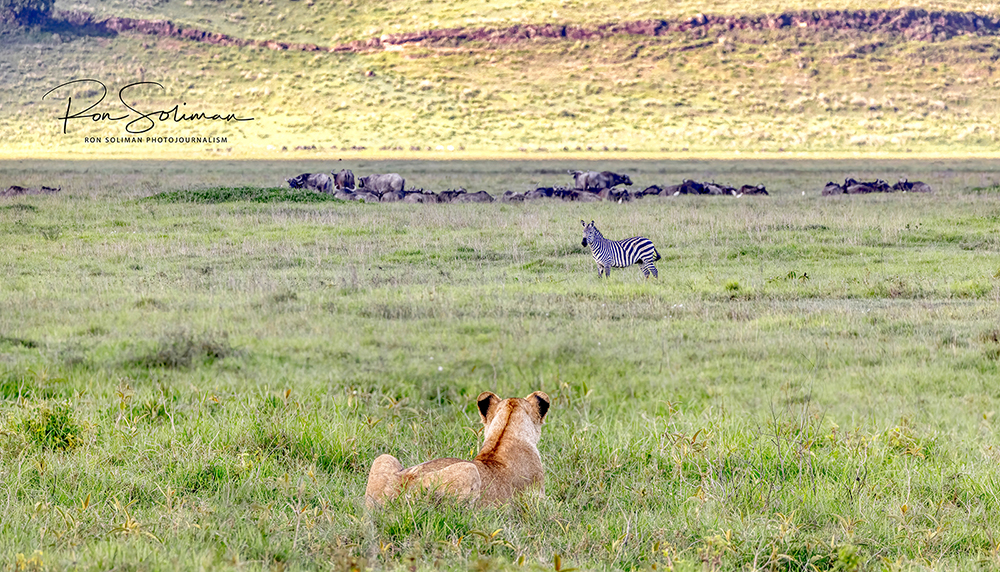
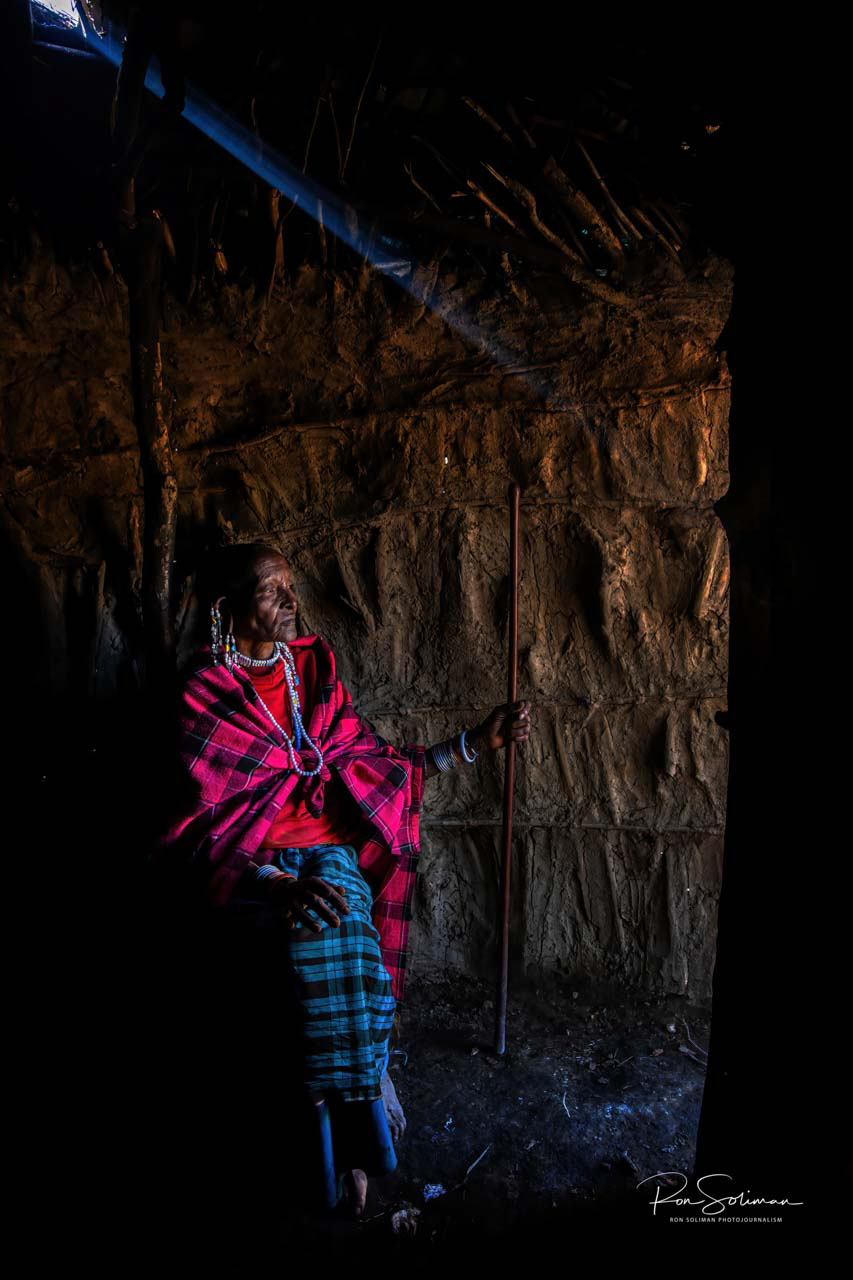
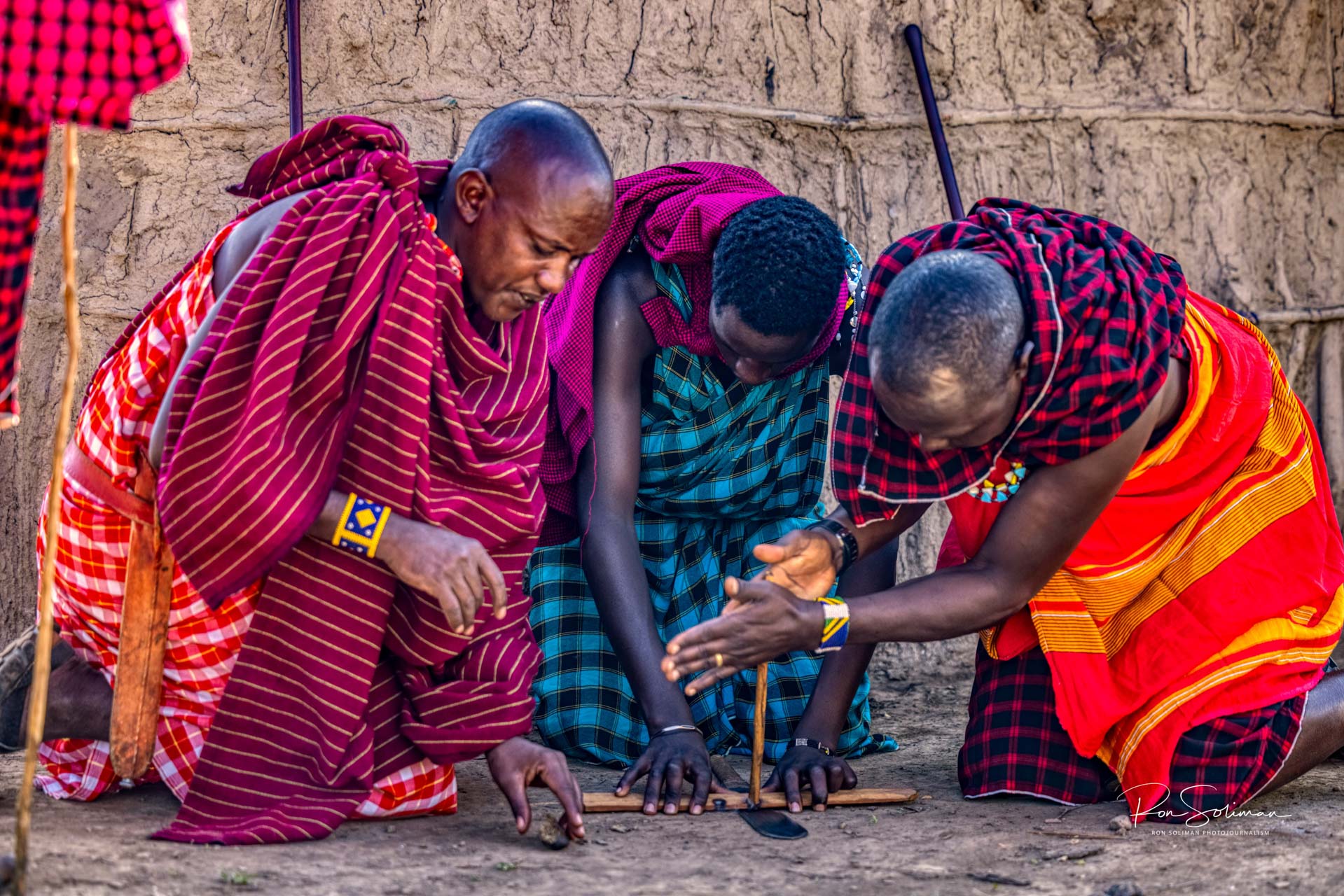
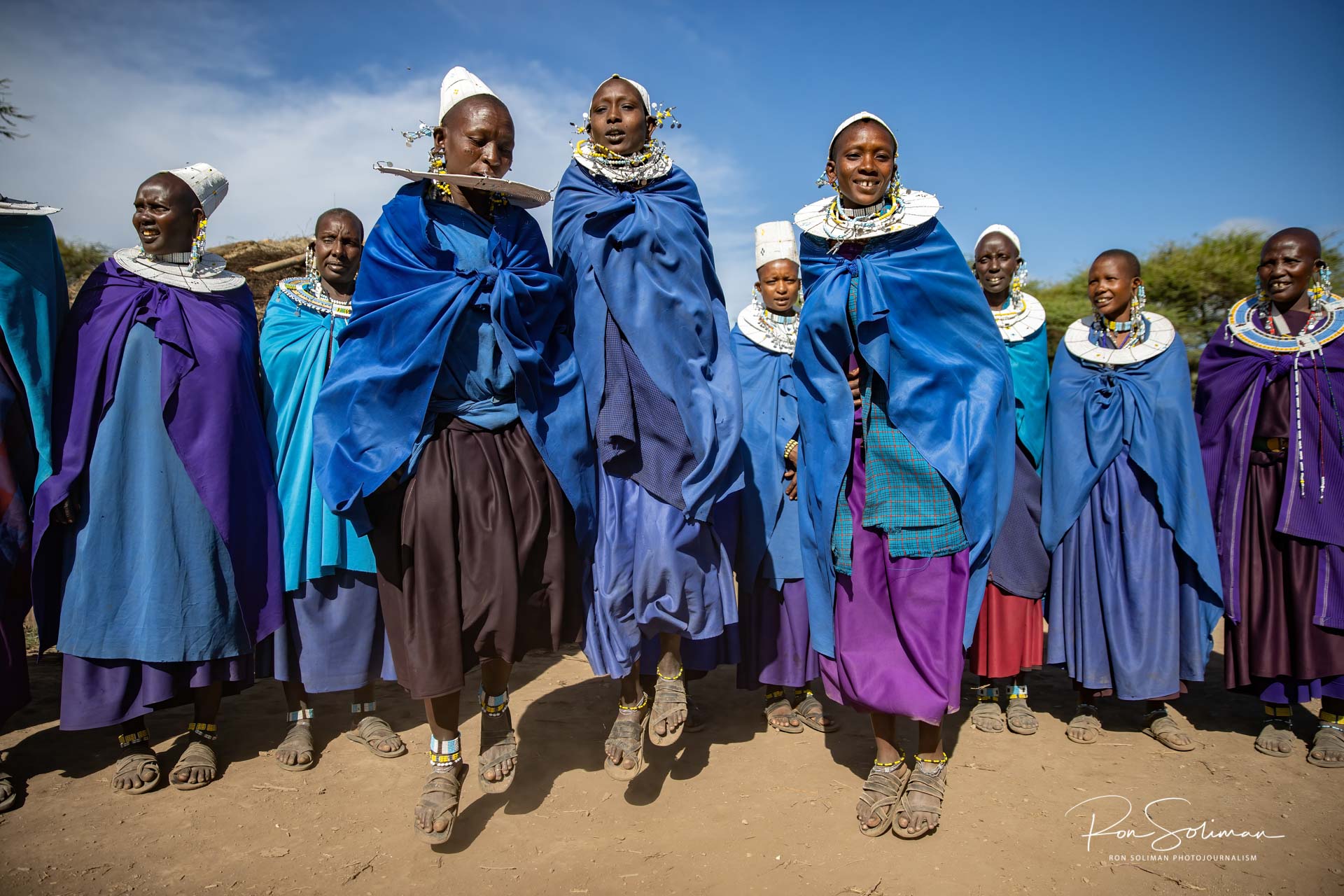
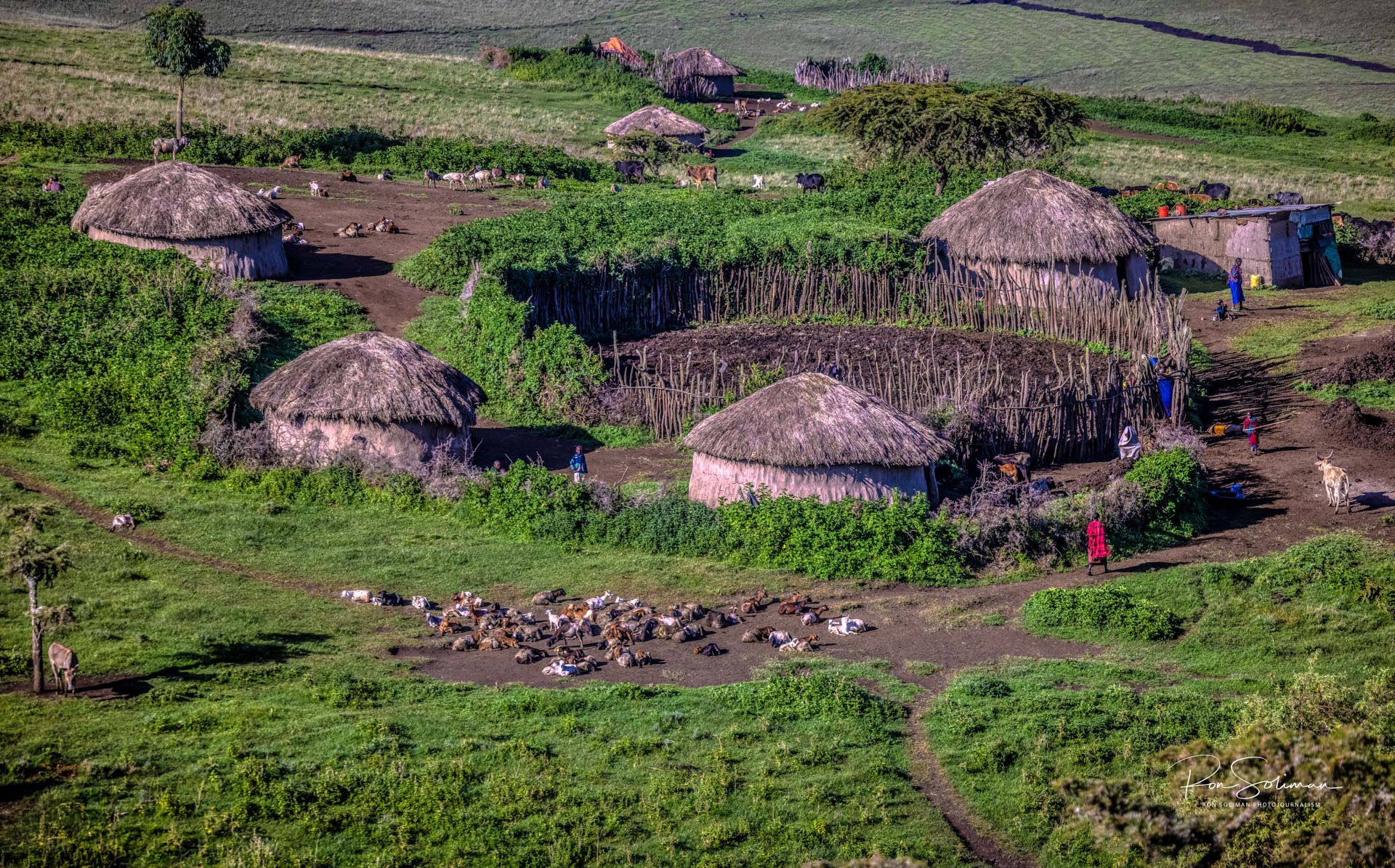
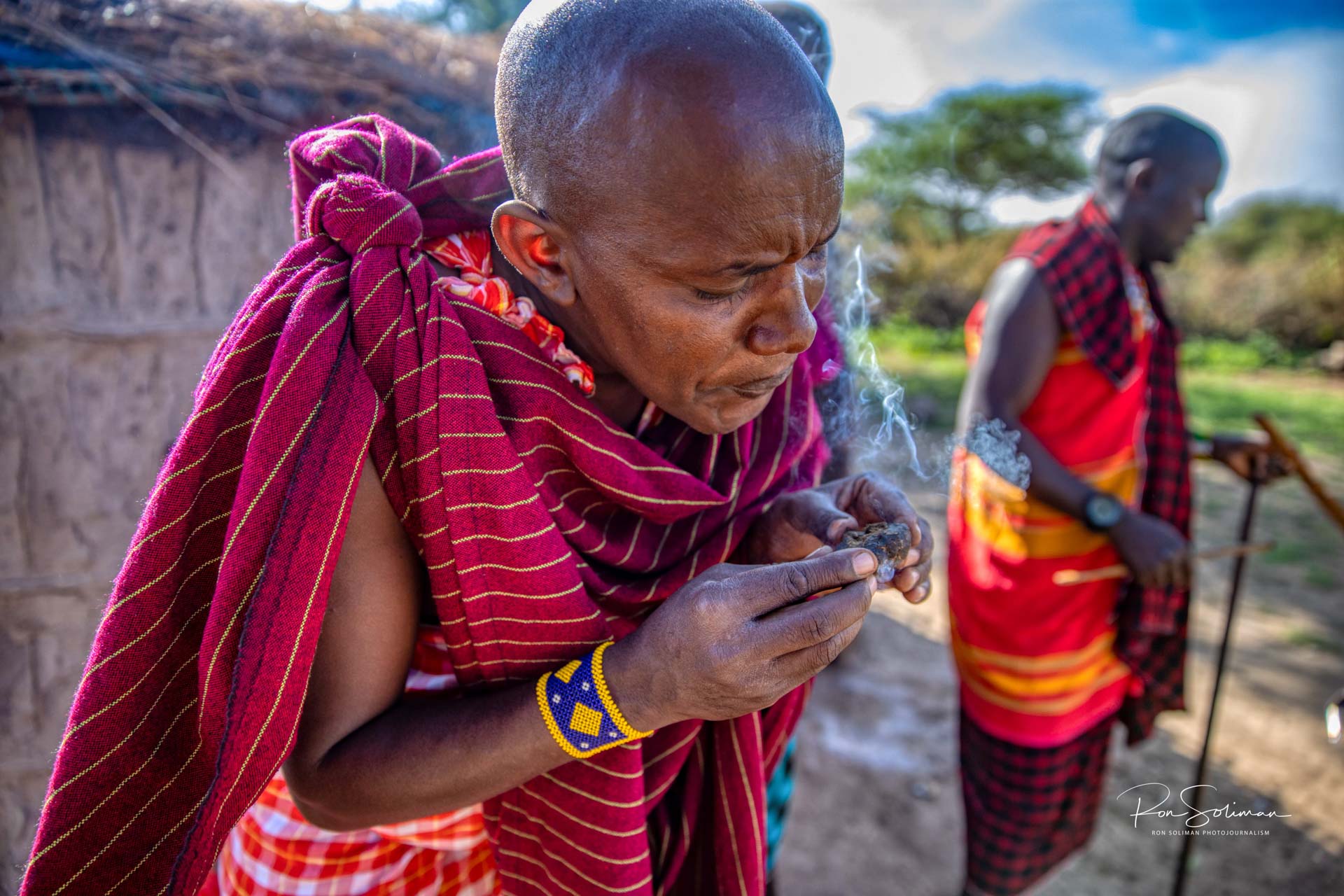
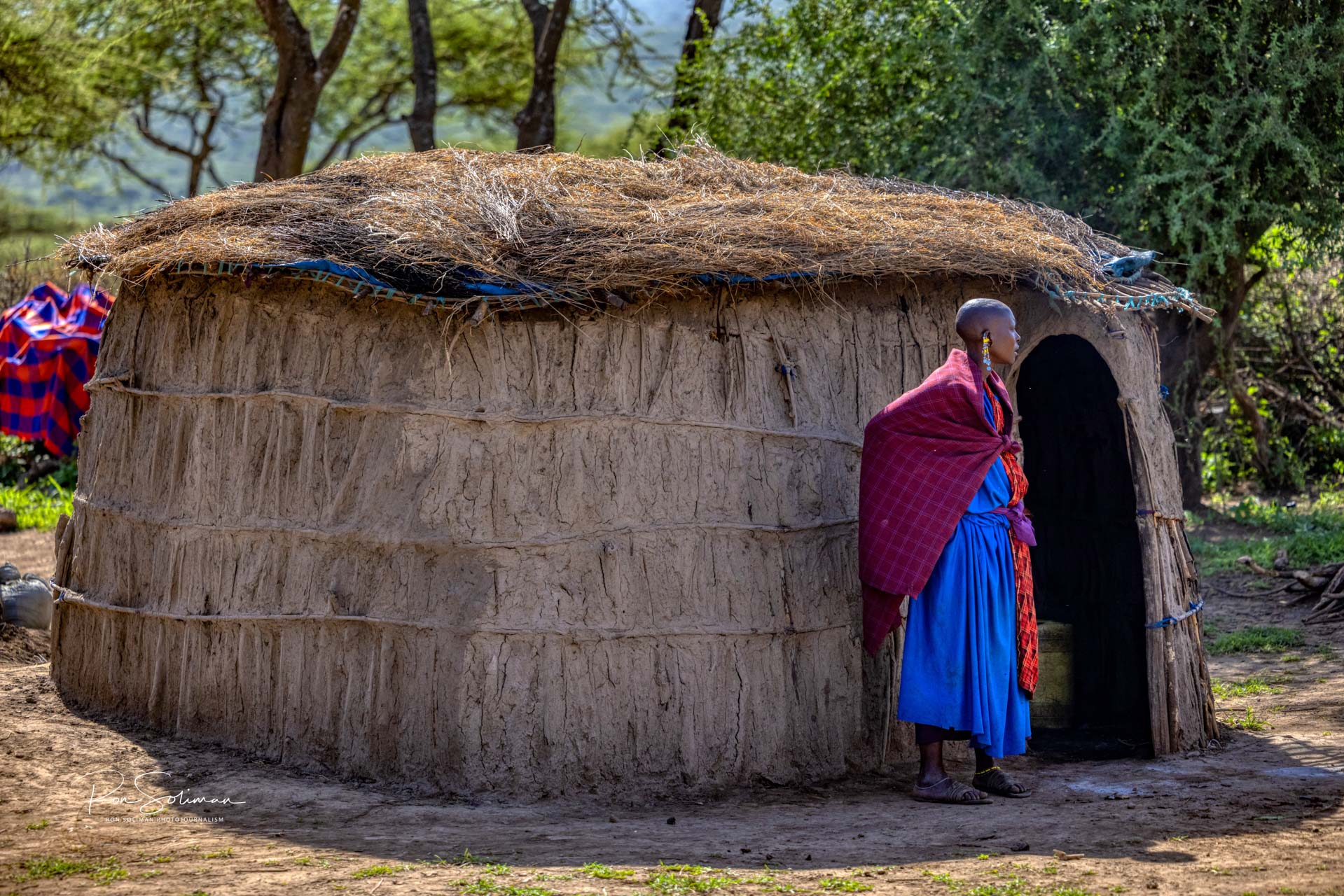
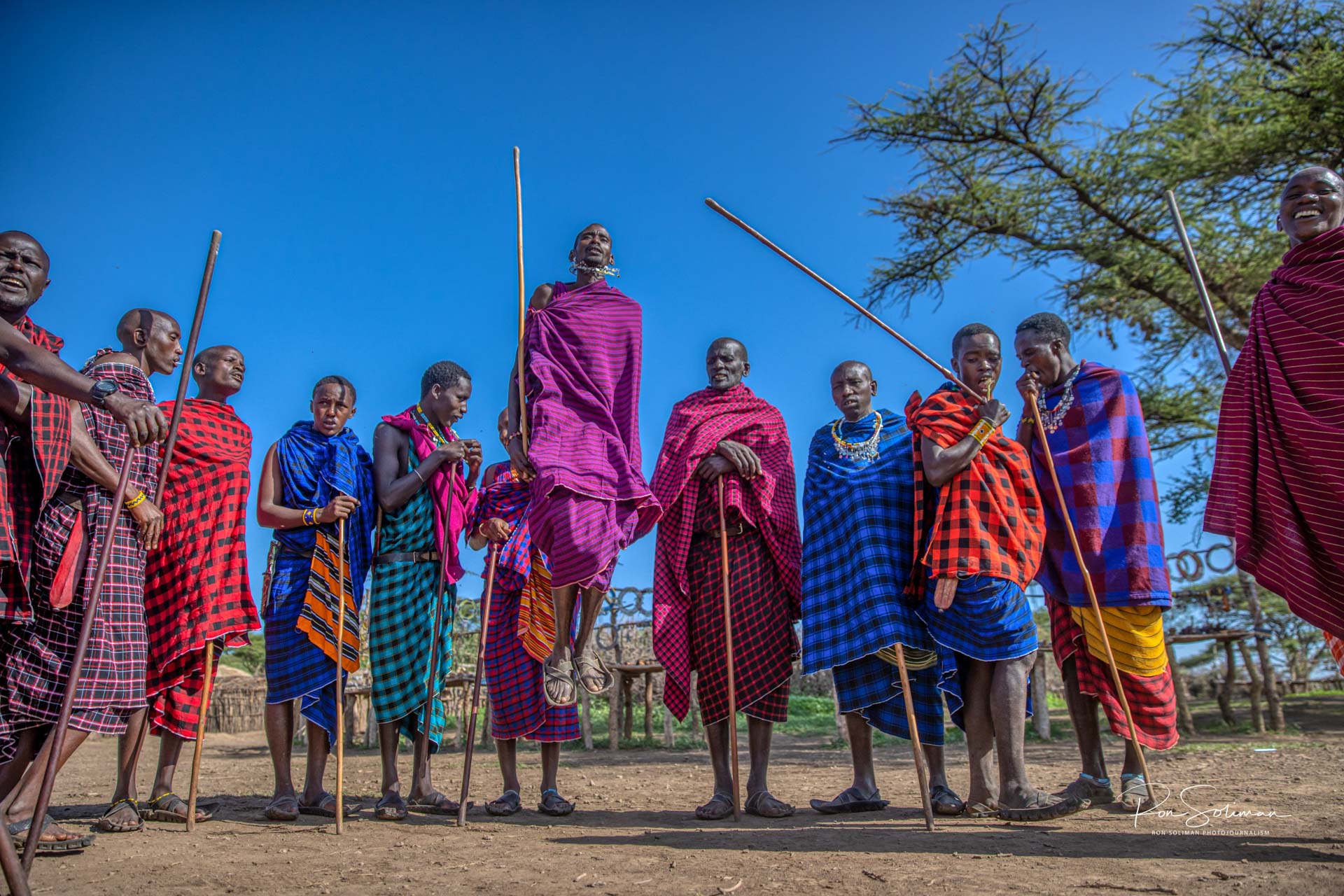
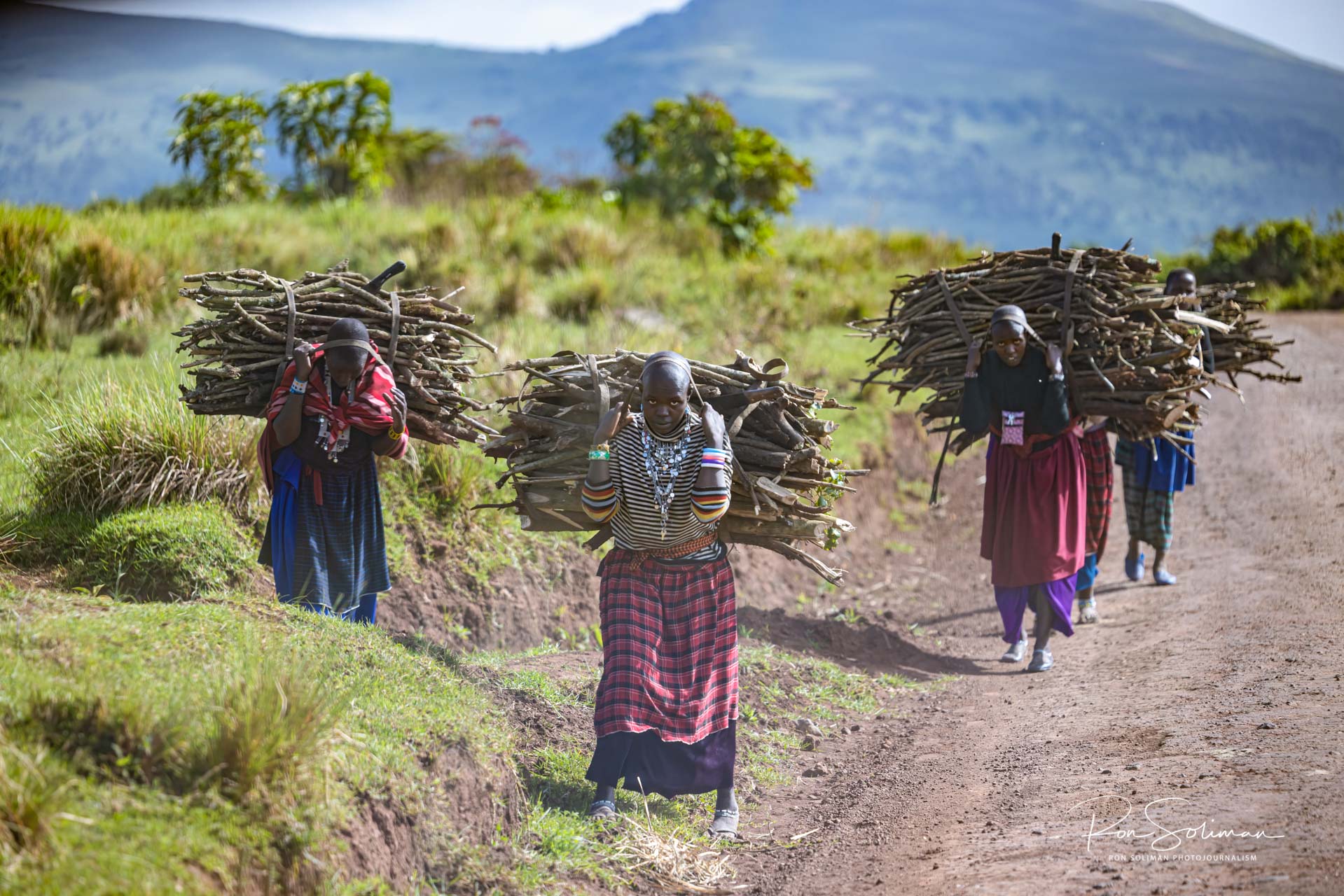
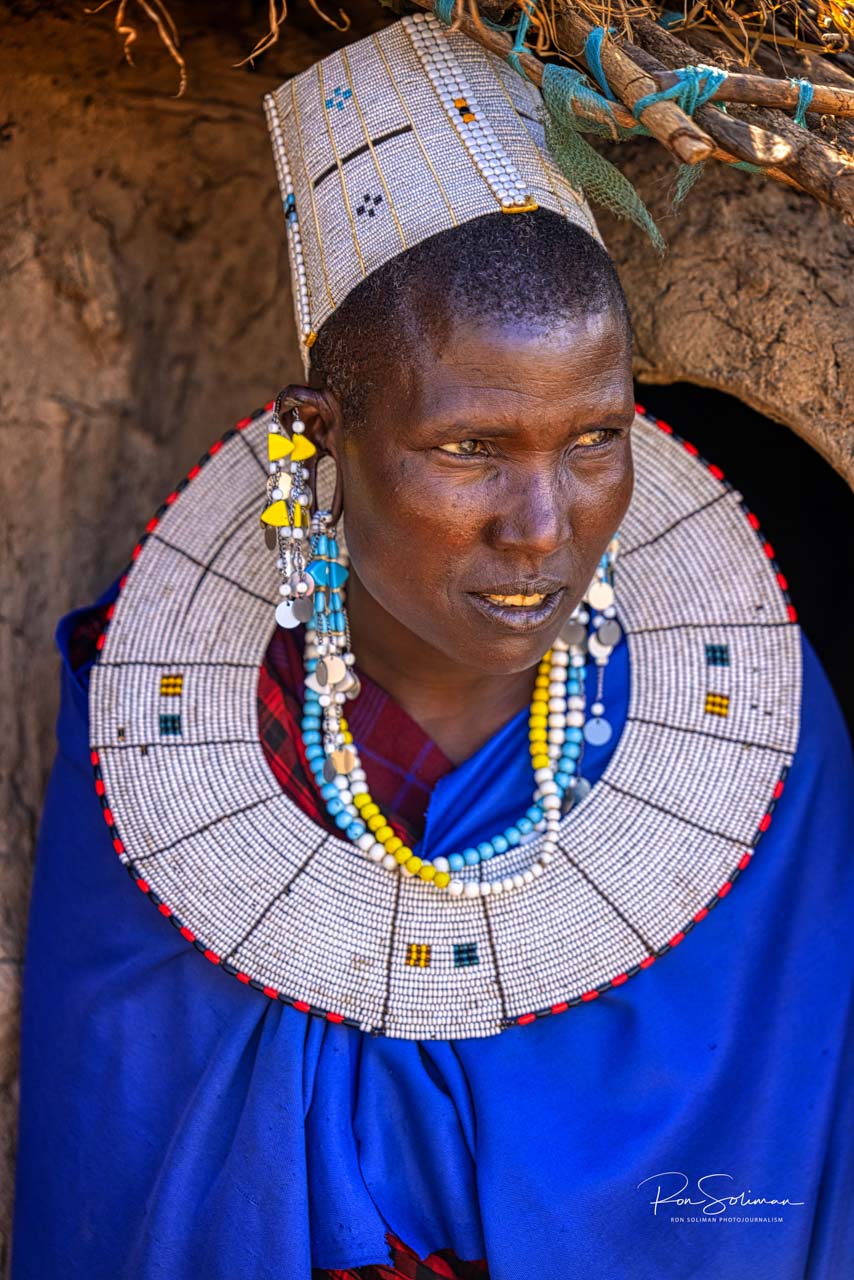
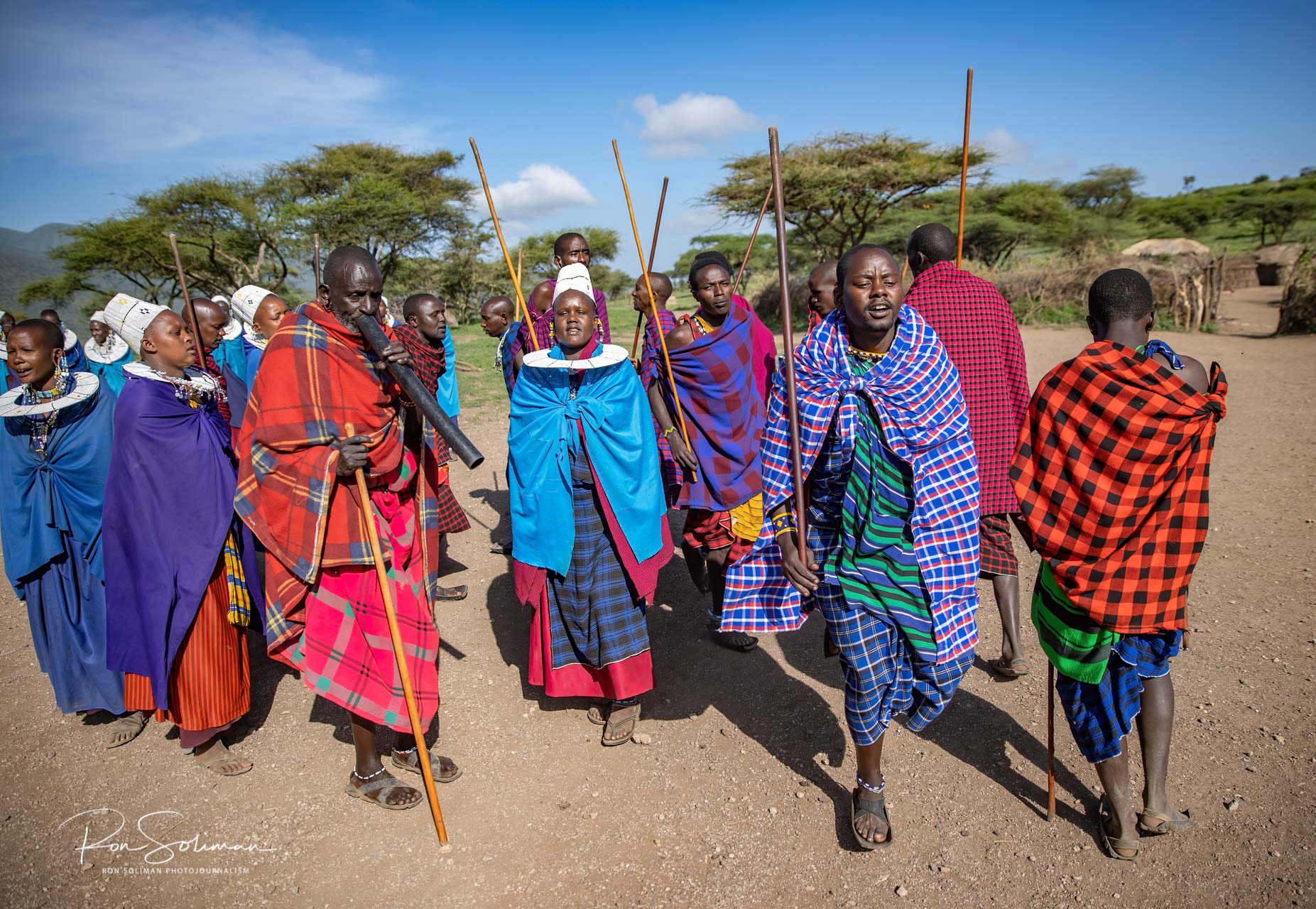
Around the Ngorongoro crater live a big population of people belonging to the Maasai tribe, a semi-nomadic tribe whose origin dates back to the 15th-century migration of tribes in Africa.
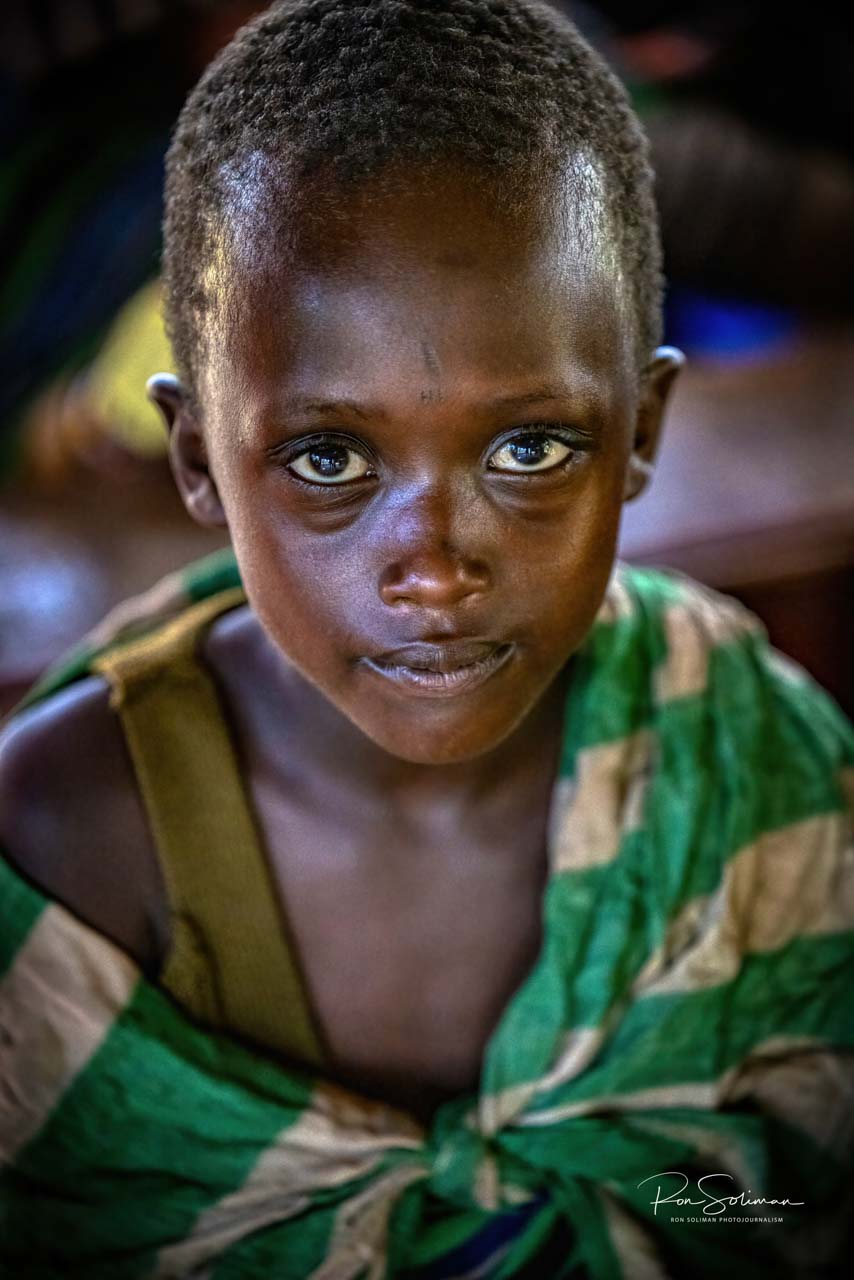
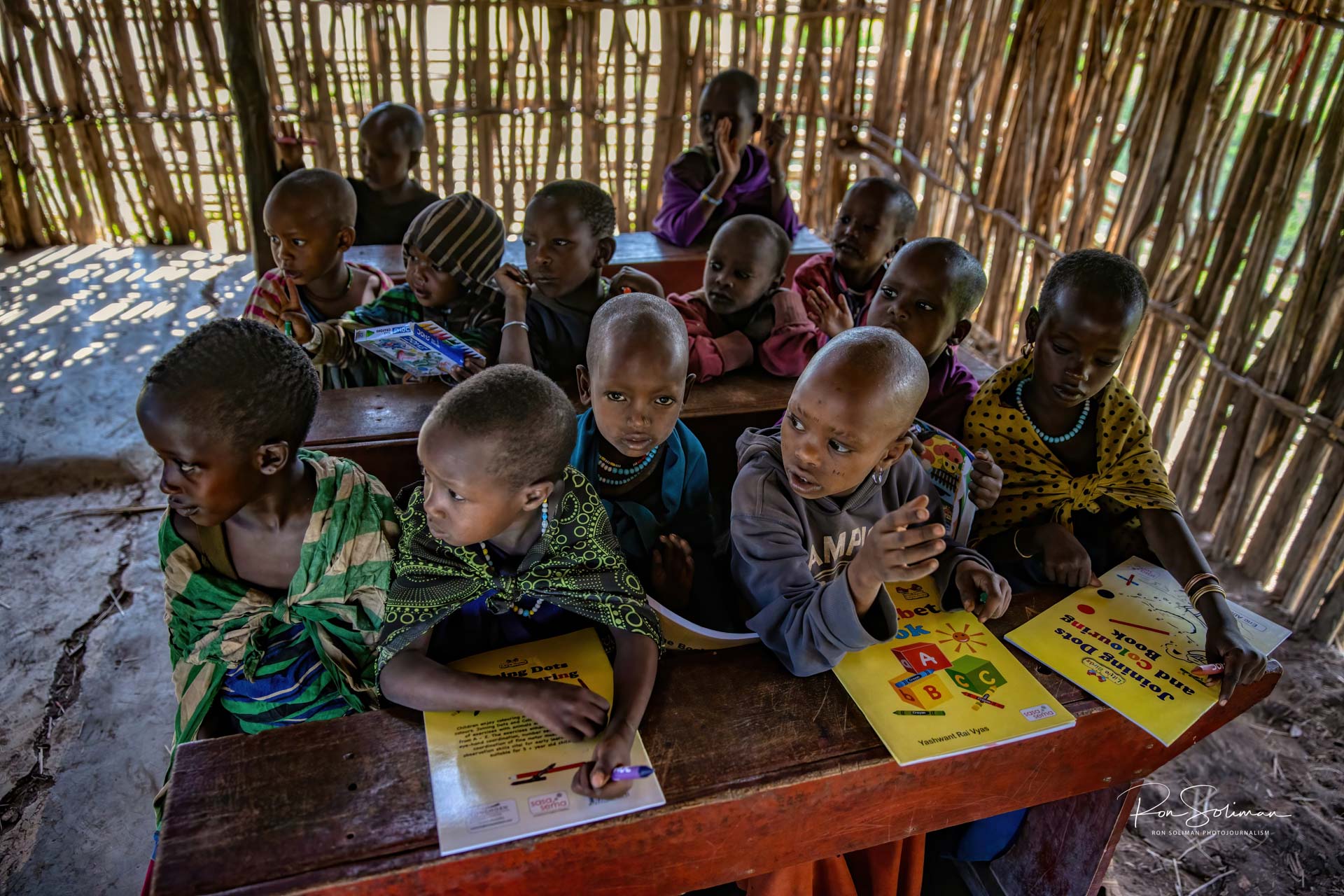
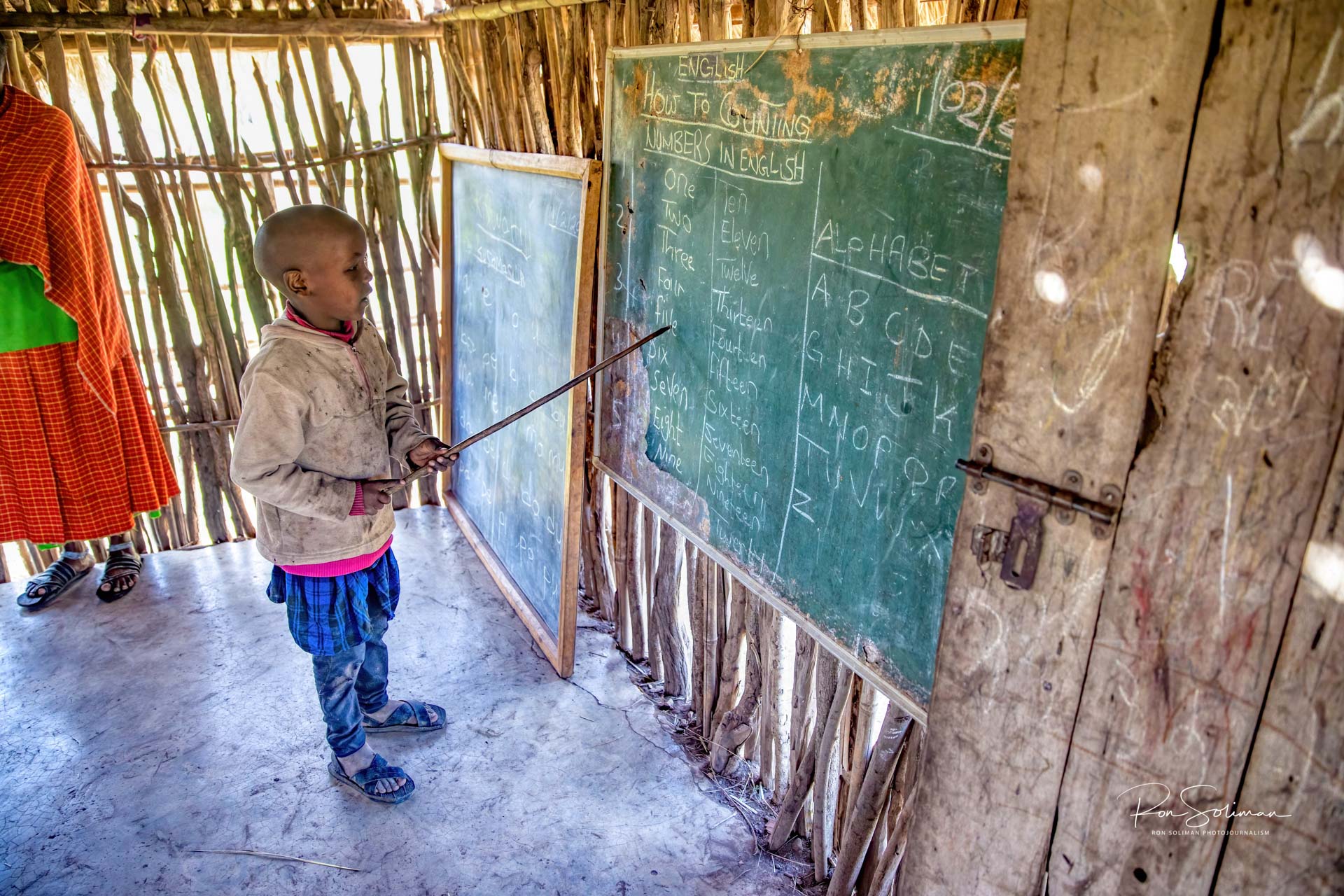
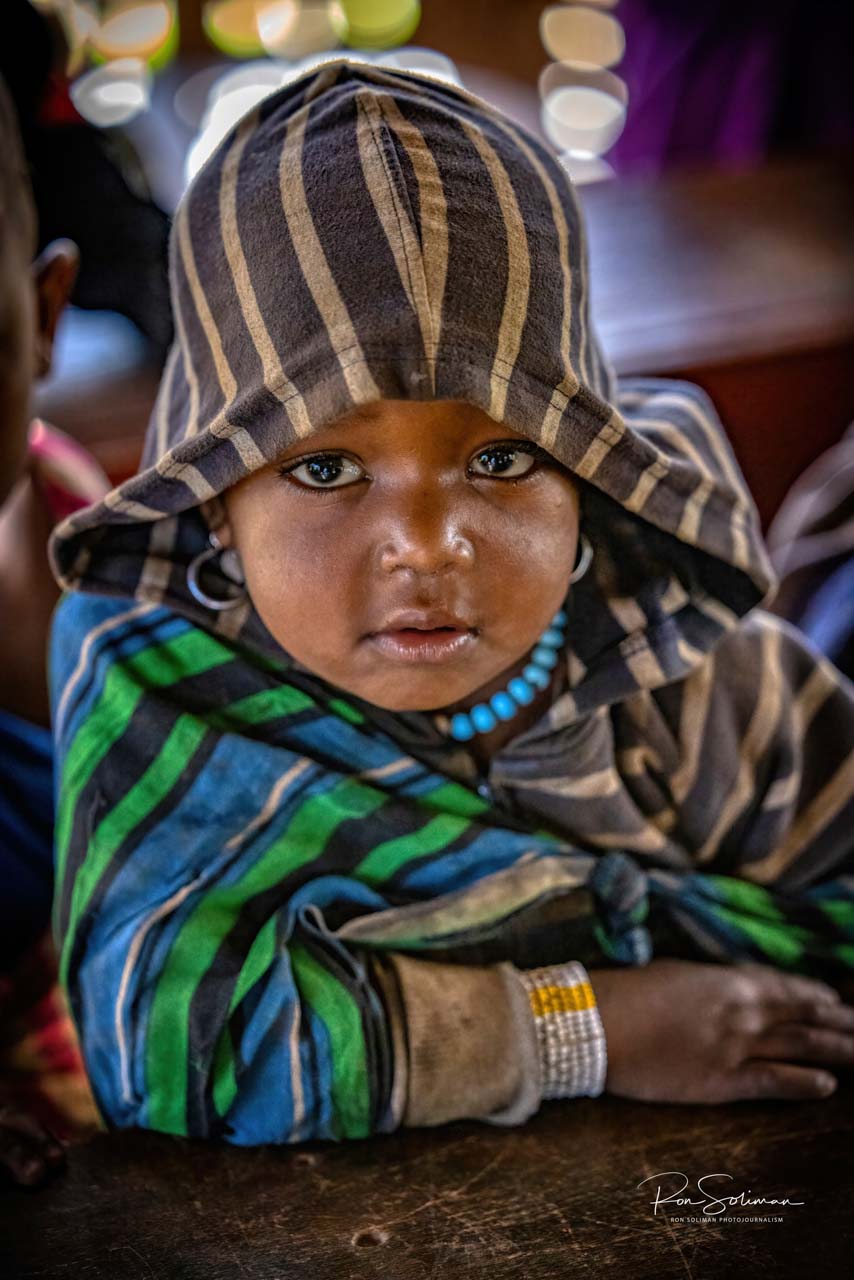
During our stay, we visited a school for small children at a Maasai tribe village and gave away school supplies. In every country we visit we try to give back and share our blessings to the locals. We also got the chance to meet the elders and learn about their culture. I have to say this is one of the highlights of our trip. I wish we brought more stuff for the kids but I know in my heart that we are going to be back to Tanzania and will bring more school supplies for them.
I know many of you have expressed the desire to contribute to this good cause, so please email me at [email protected] or simply message me here in the comments below if you are interested in contributing. I thank you in advance!
(Click on any photo in the gallery below to enlarge the images)
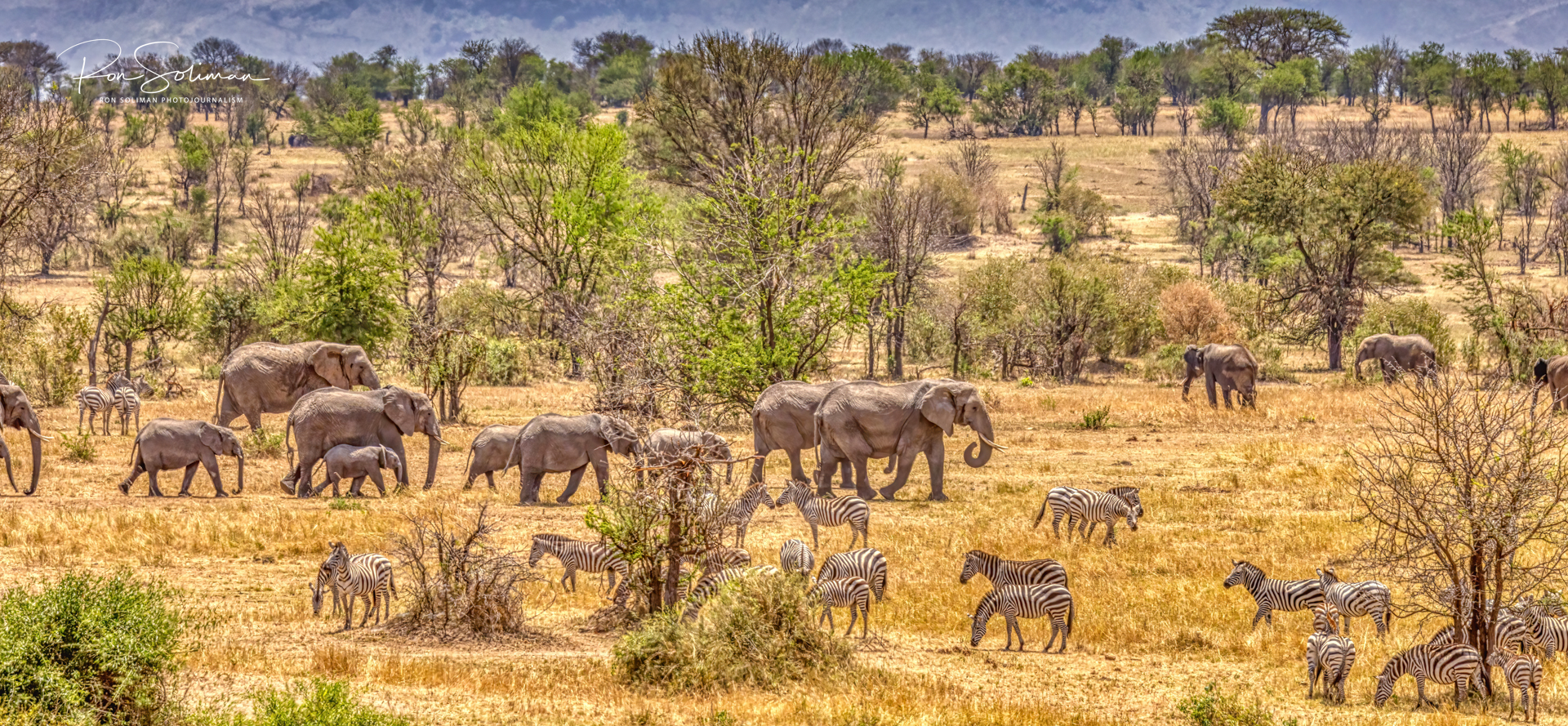
On our way to the Serengeti from Ngorongoro, there was so much wildlife to see and photograph. Giraffes, wildebeest, and elephants are everywhere.
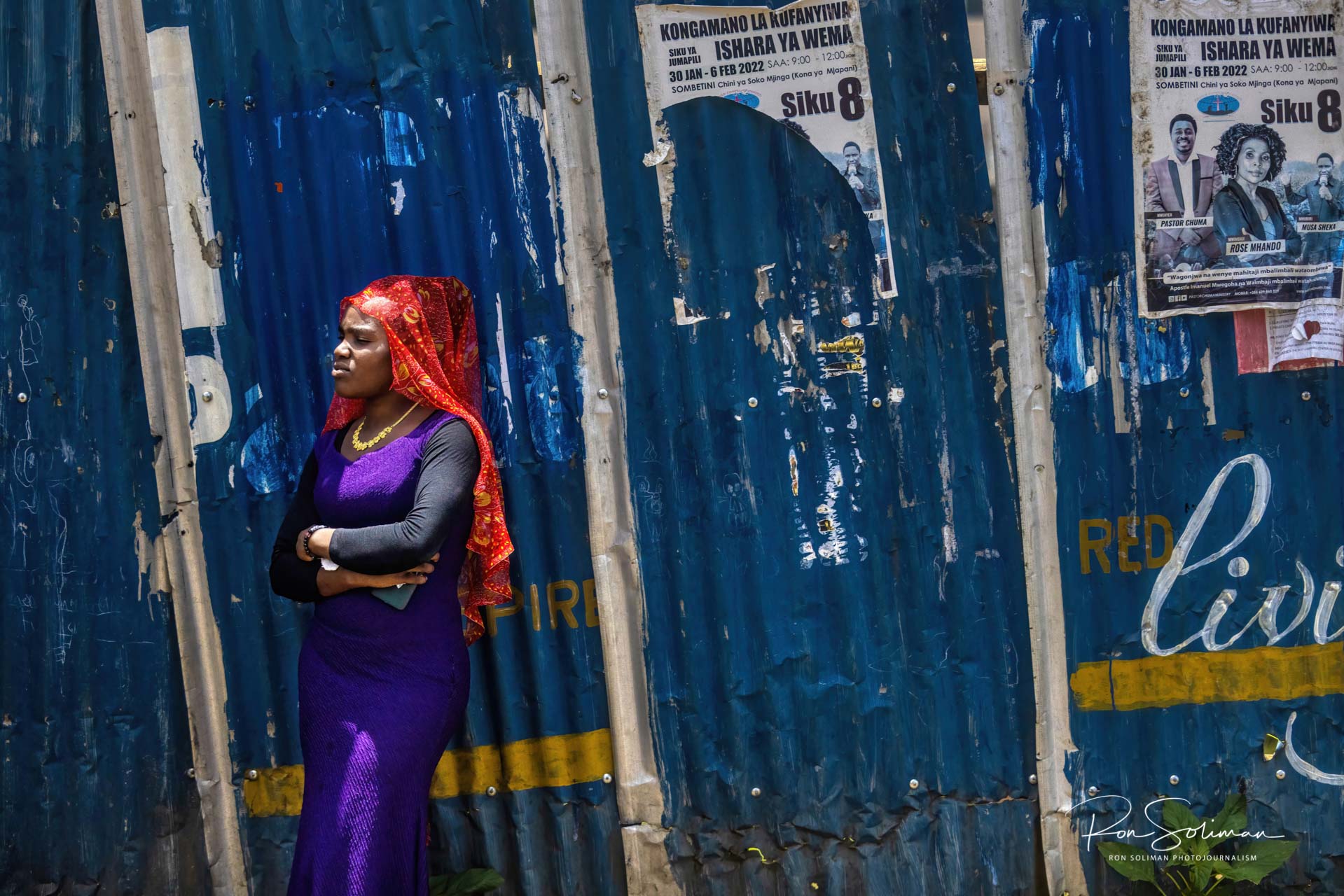
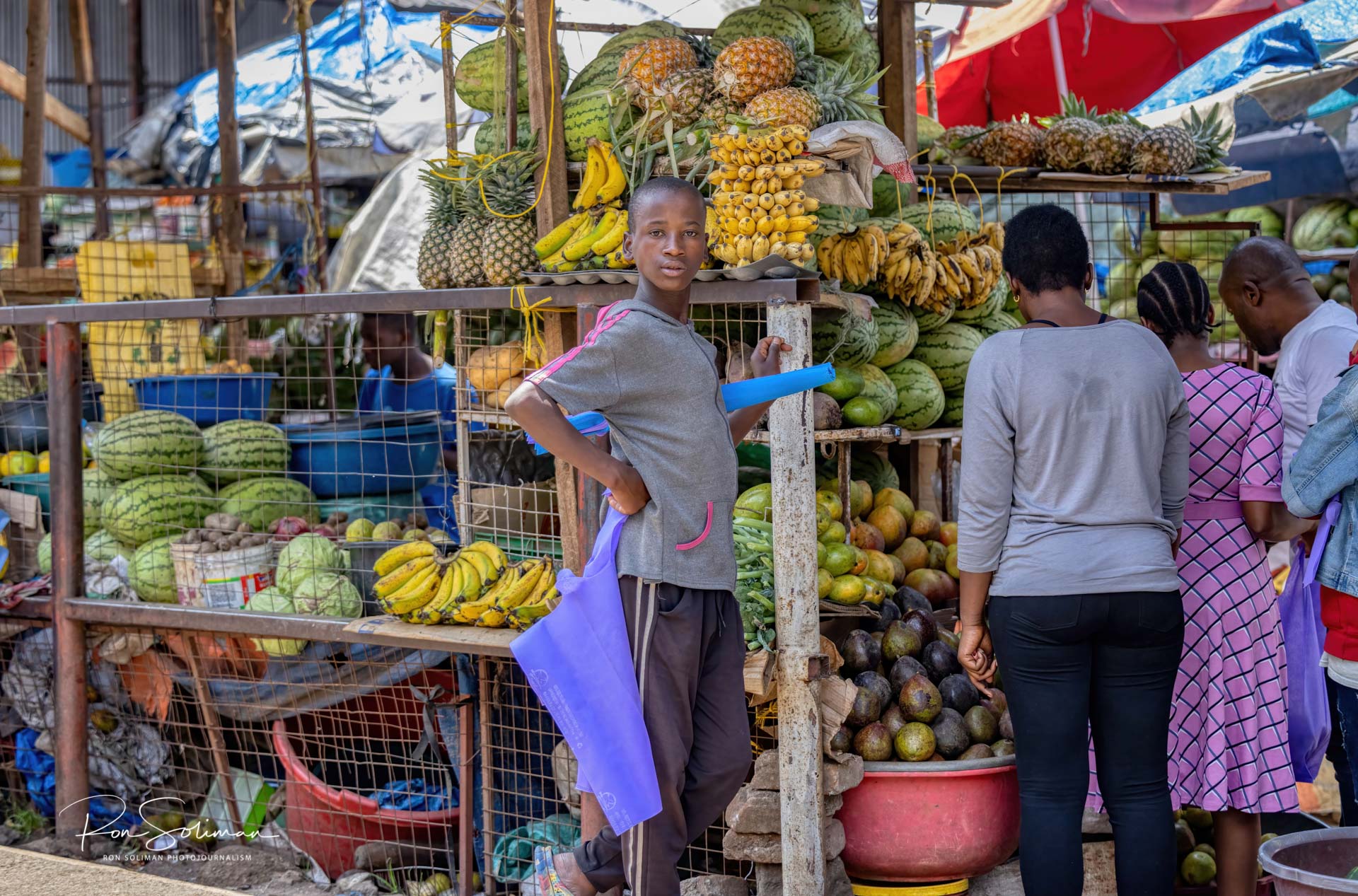
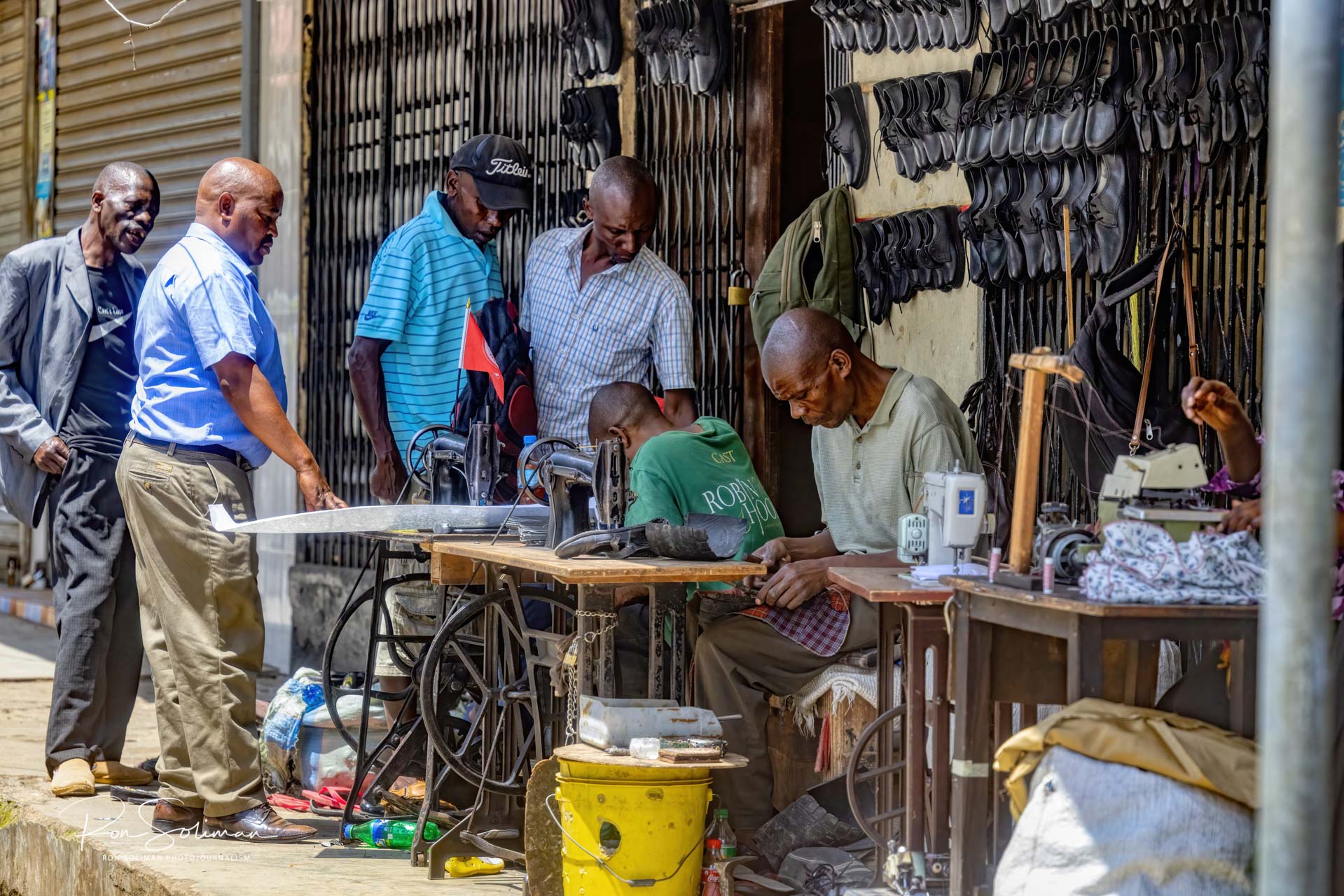
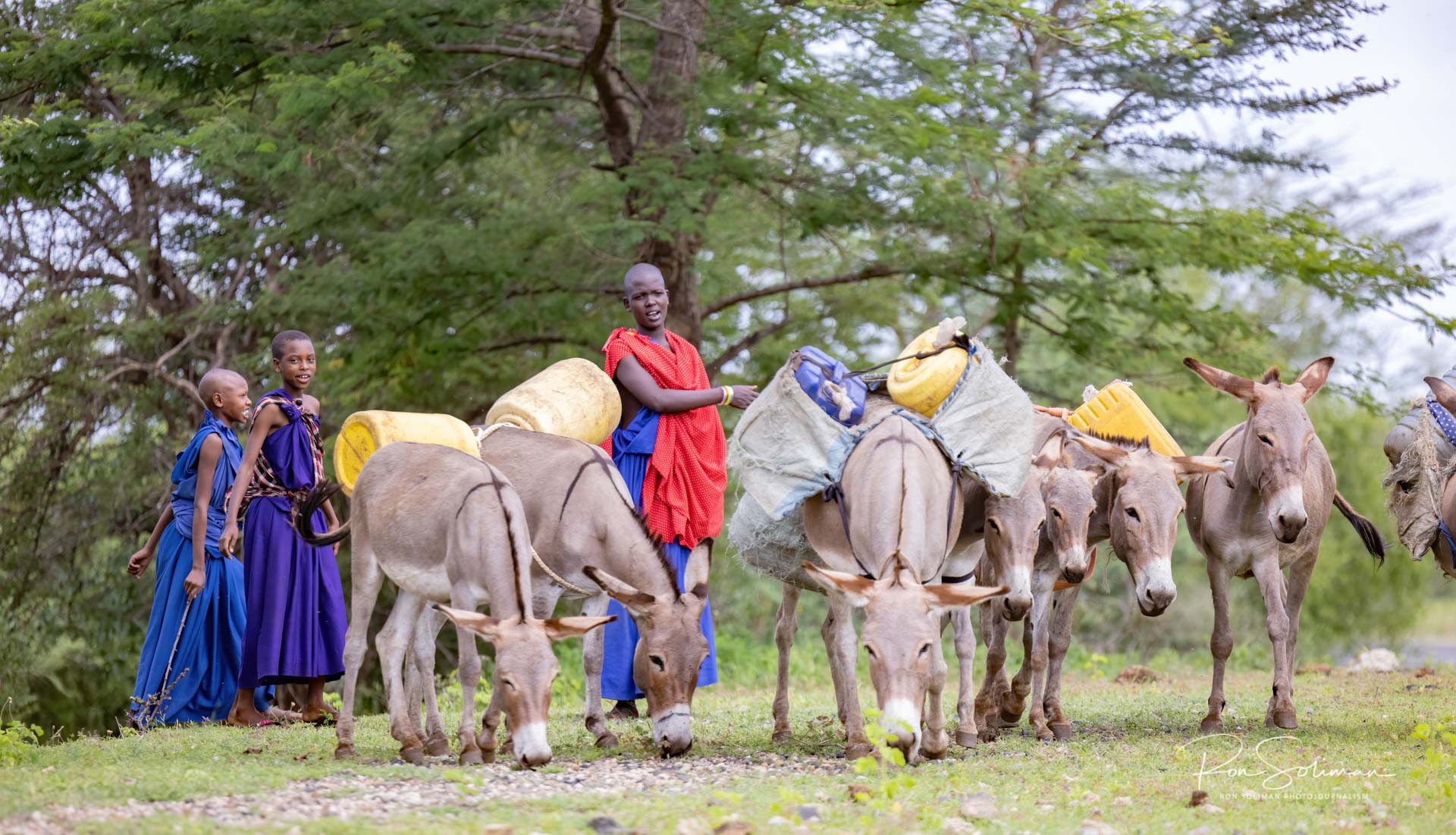
While enjoying the view of the countryside of Tanzania, you get to see and learn about the Maasai culture and how they live their life alongside wild animals. It was such an educational experience.
The whole trip that included some short stops for game drive took us about 5 hours from Ngorongoro Conservation Area to reach the main gate of the Serengeti National Park, and another hour to Four Seasons Safari Lodge Serengeti, our home sweet home for a few days while in the savannah. I have to say this is one of the best safari lodges inside the Serengeti! It is such a beautiful lodge that truly speaks of African culture. Its overall design and structure make this lodge superior to any other lodges and resorts in the area. I love their infinity pool overlooking a waterhole, where elephants and other wild animals hang out during a hot sunny day.
Our suite had more than we’d imagined; a king-size bed, indoor and outdoor showers, a terrace, and an infinity pool. And it doesn’t end there; the view of the savannah from our room is breathtaking, especially in the morning when the sun rises and the sky is a myriad of colors and wonder.
And last but not least, another thing I really love about this place is the kindness and care from staff and management. We received the warmest Tanzanian hospitality at its best. I am going to write a separate blog post/review in more detail on Four Seasons Serengeti in the next blog post.
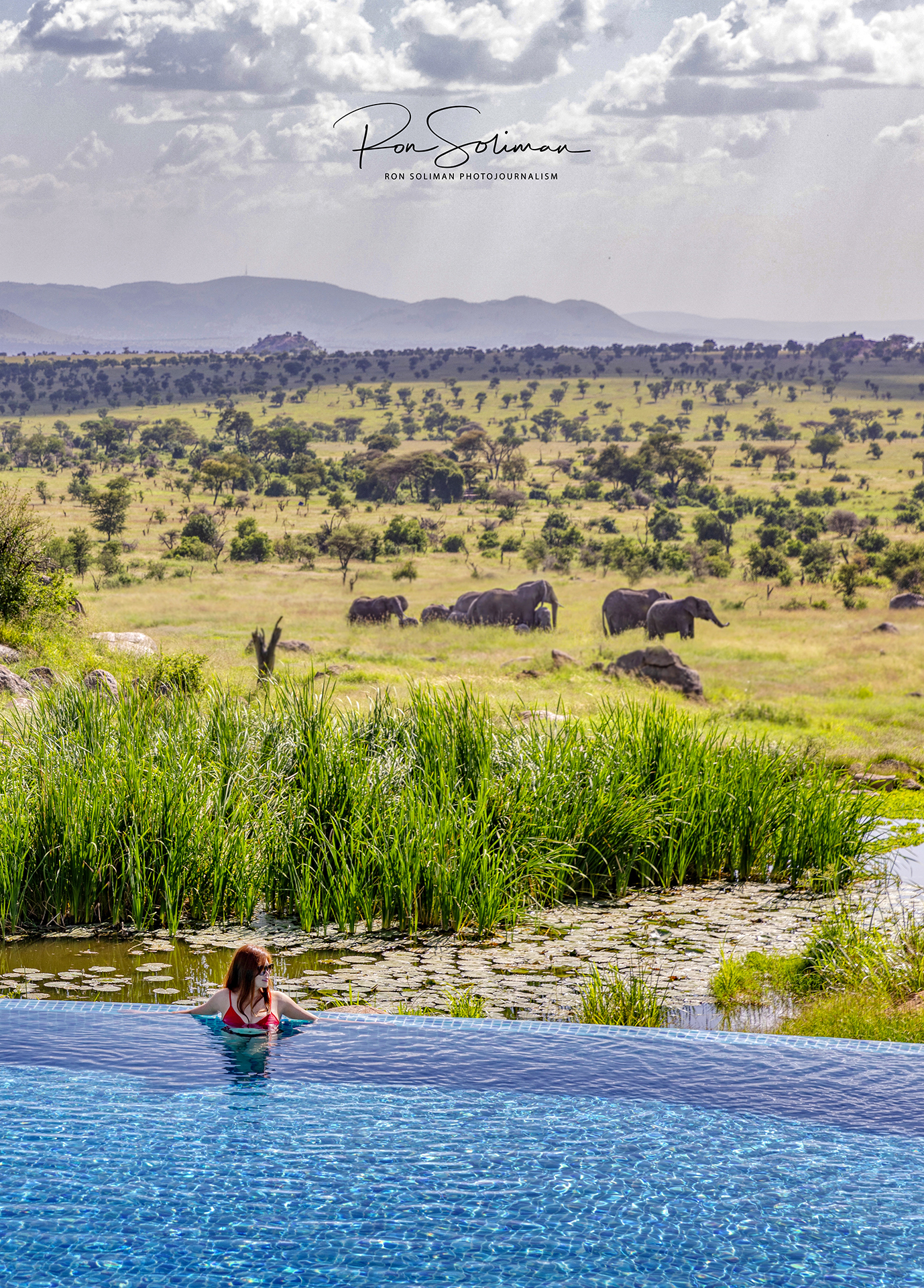
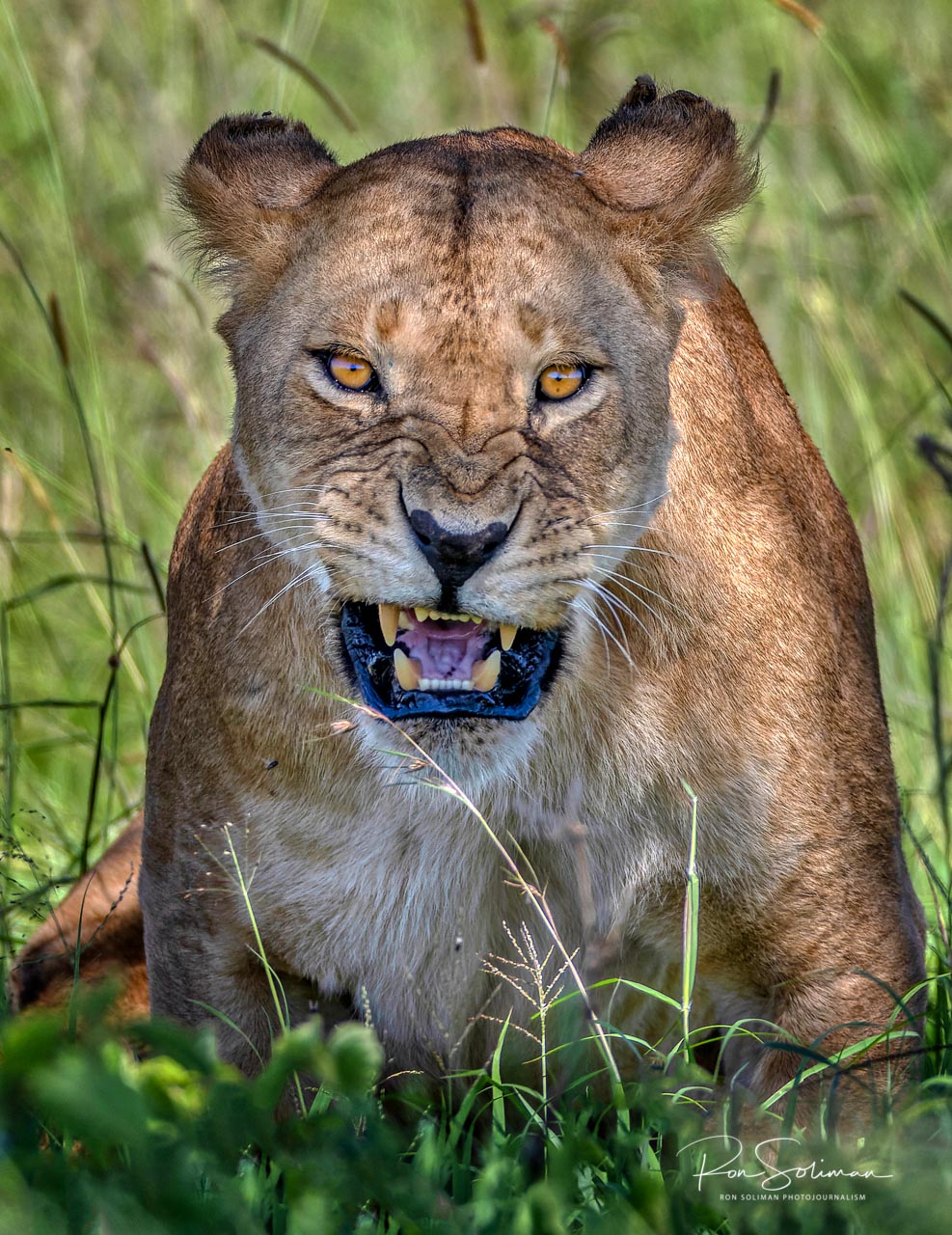
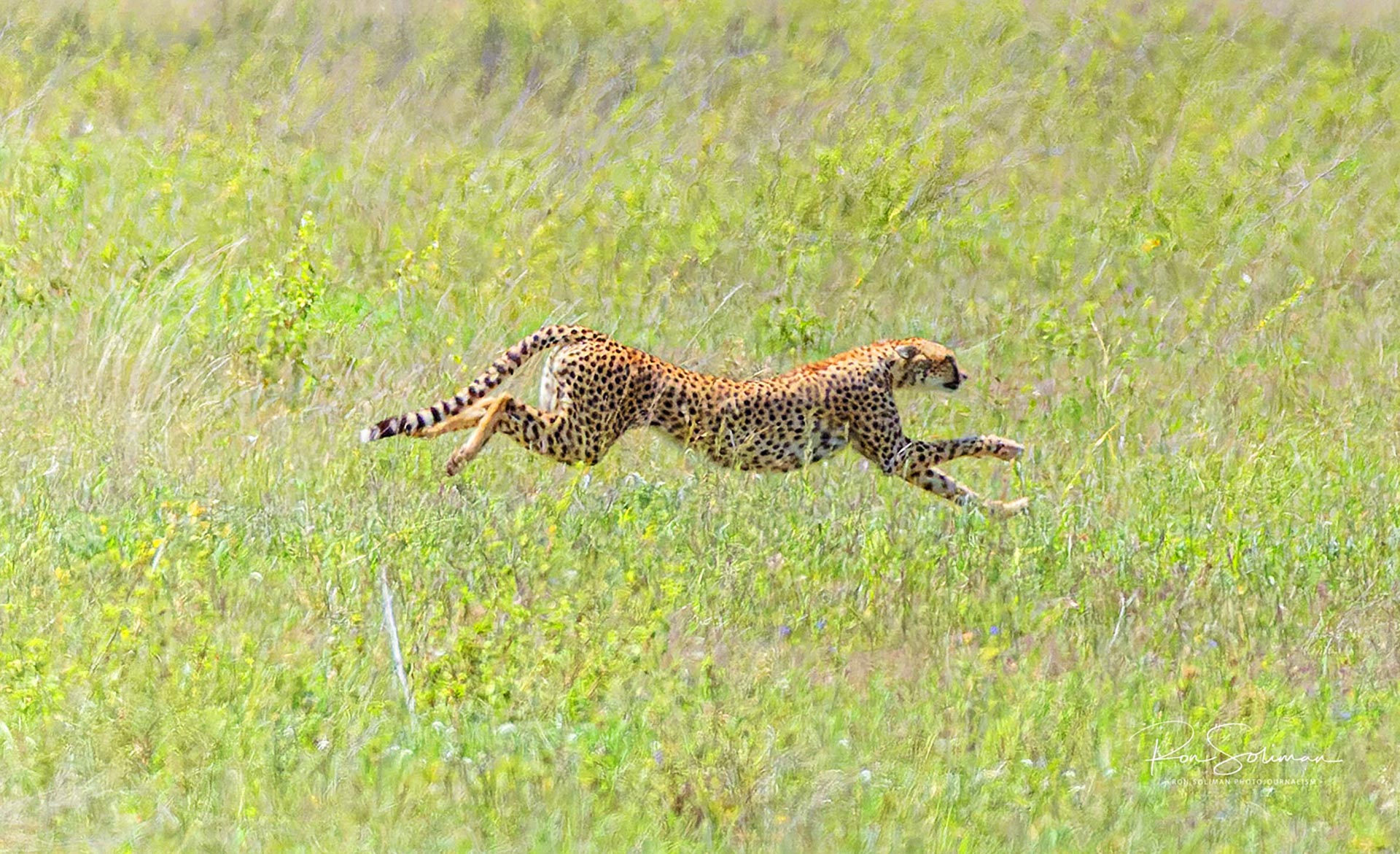
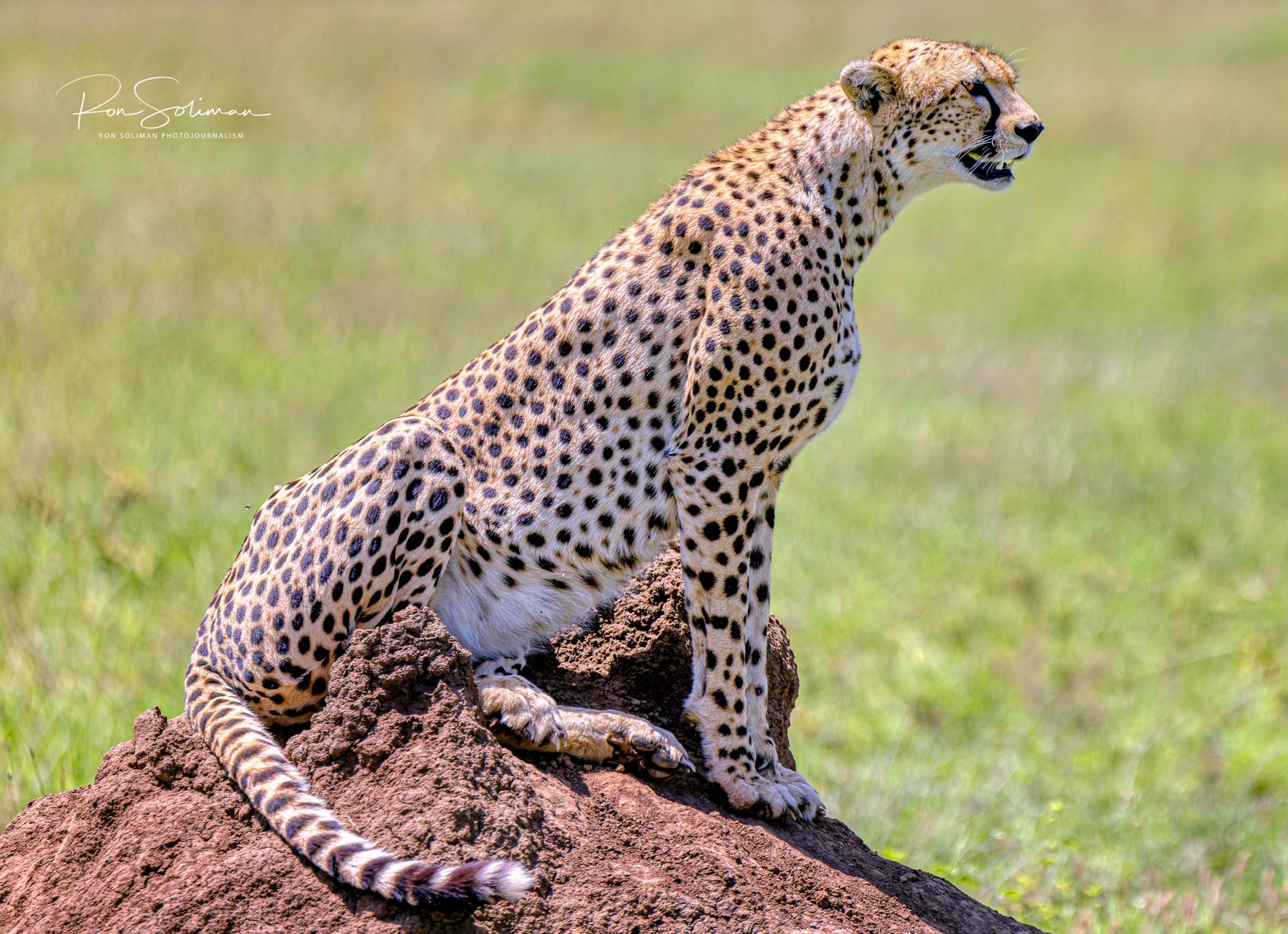
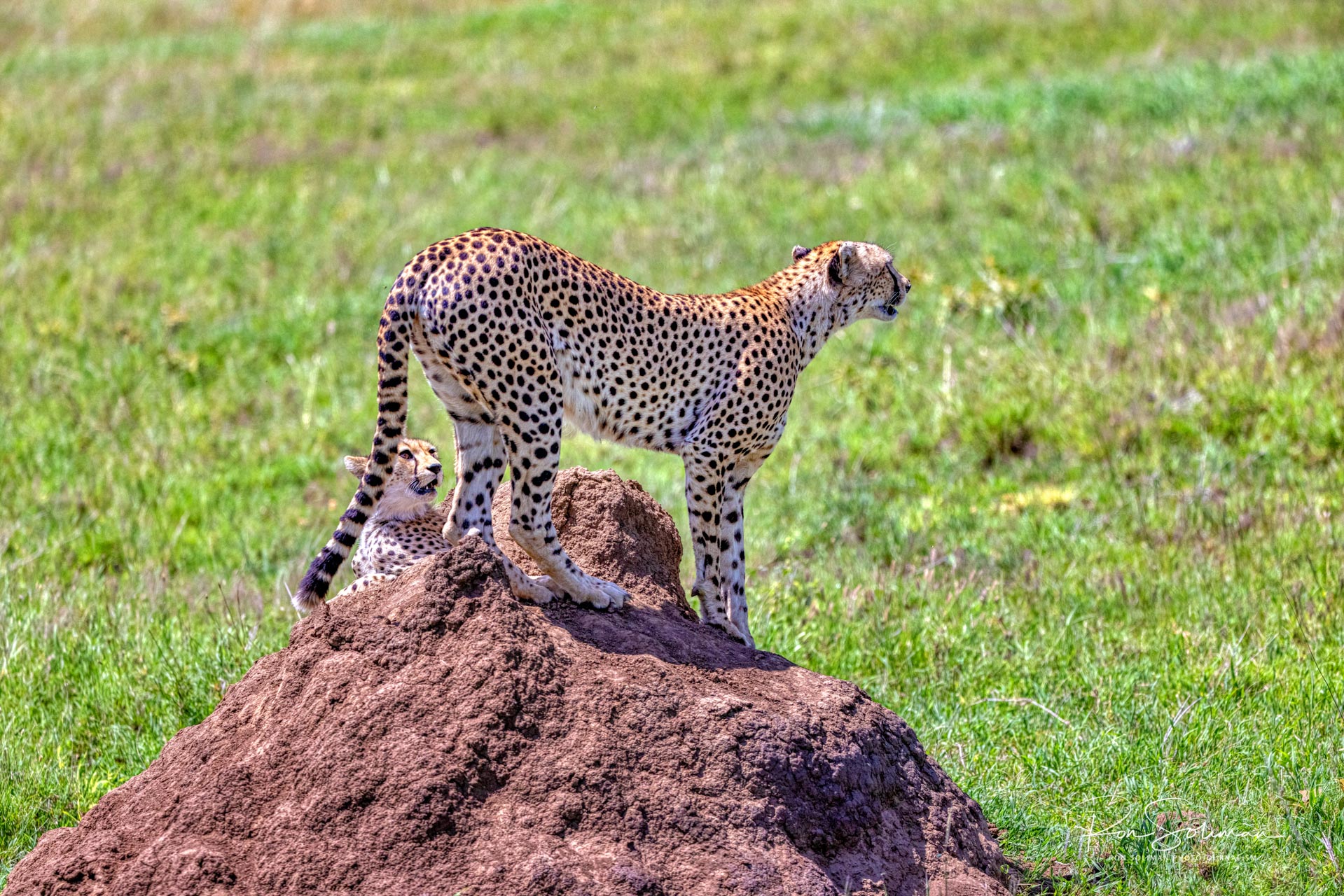
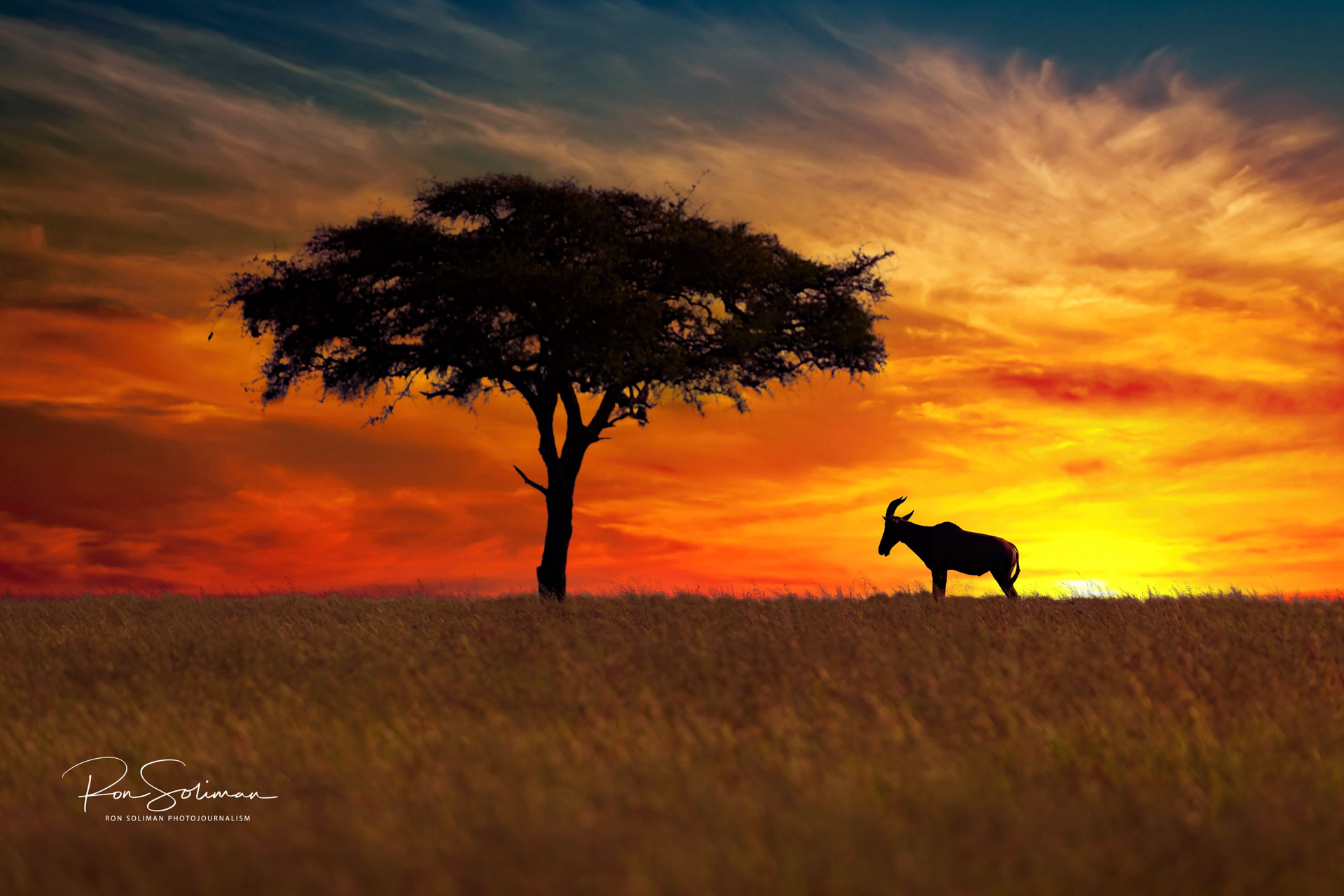
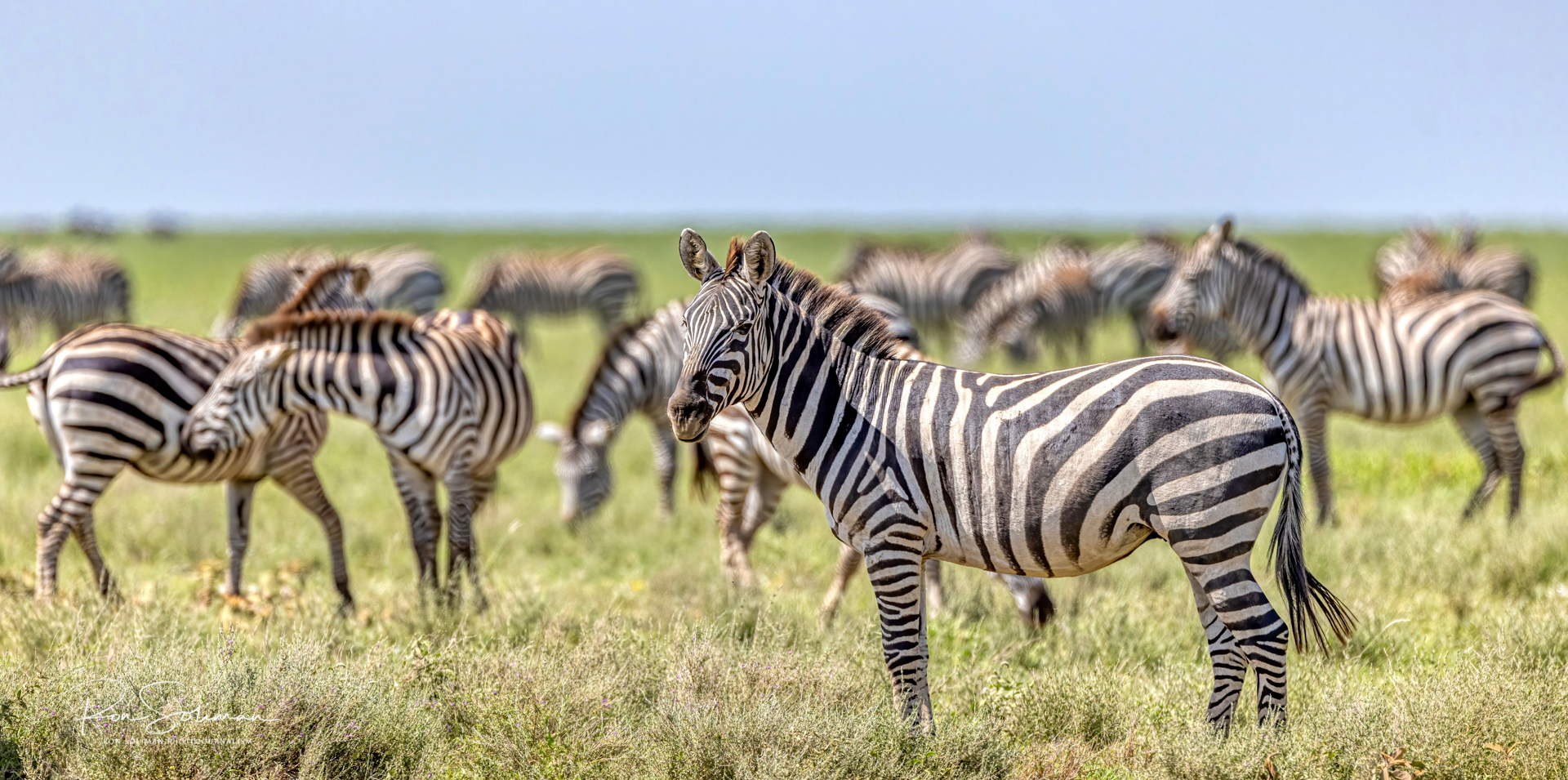
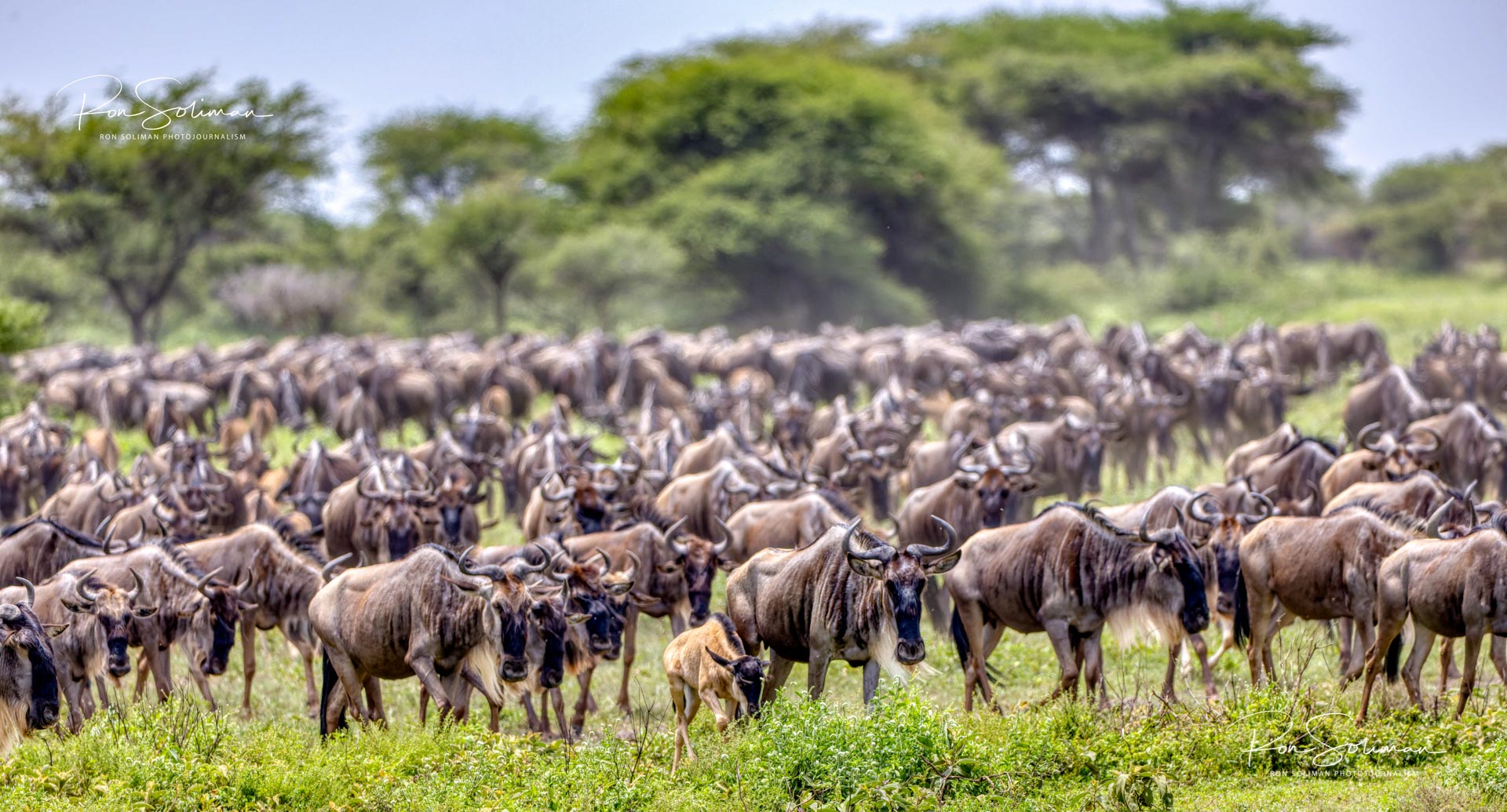
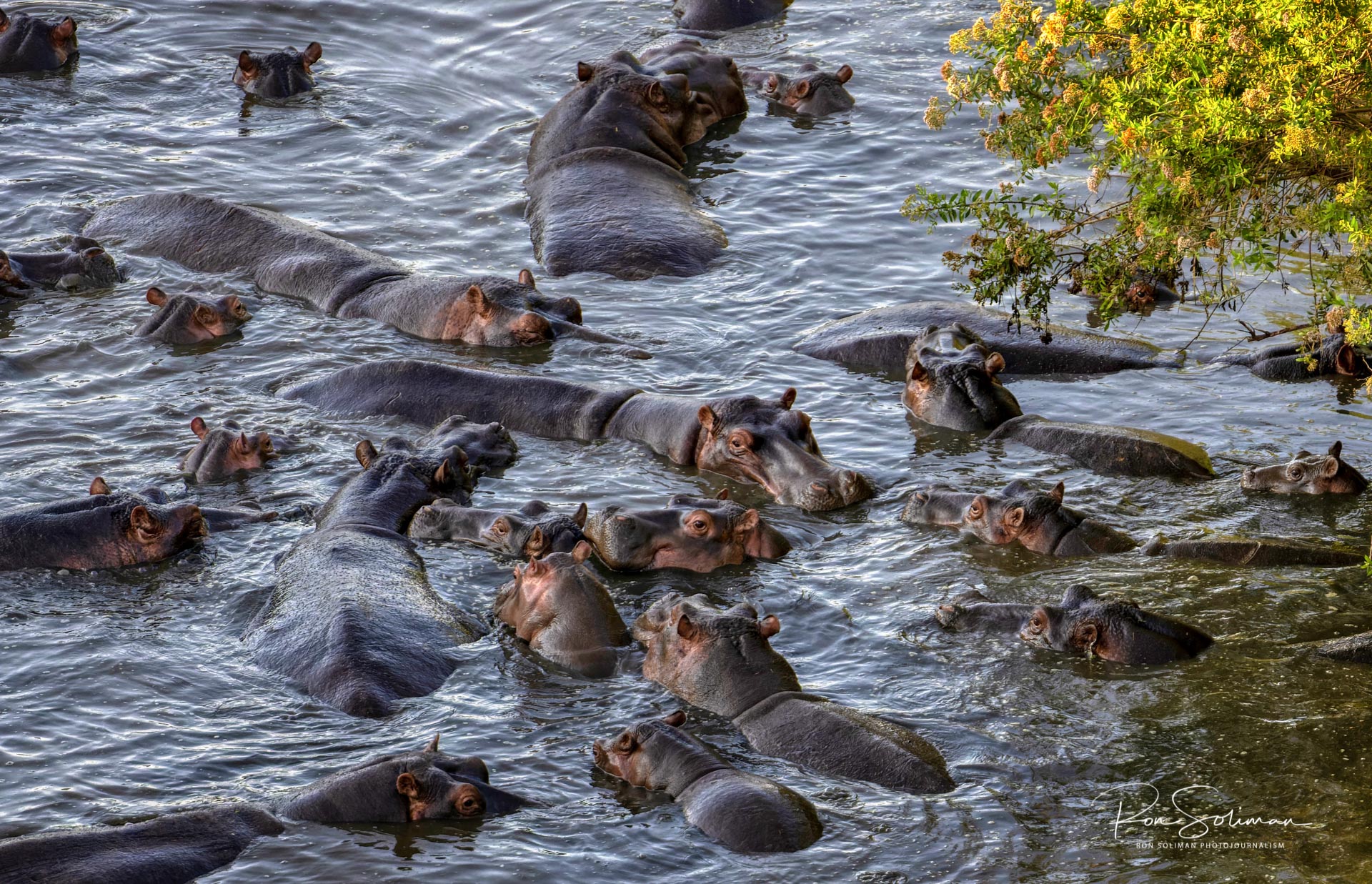
The name Serengeti, originates from the Maasai word “siringit” that means “endless plains.” It is exactly what you will see when driving around this massive body of land that stretches over 12,000 square miles. It is also the home of the largest mass movement of mammals in the world called “the Great Migration”. Every year, about 1.5 million wildebeests make their way through the Serengeti looking for greener pastures towards the Mara River to Kenya, where they make their dramatic crossing with crocodiles waiting on the waters. Trekking with them are thousands of zebras, gazelles, and of course predators like lions, cheetahs, leopards, etc that are waiting for the right opportunity to grab a few for their dinner. Part of the circle of life.
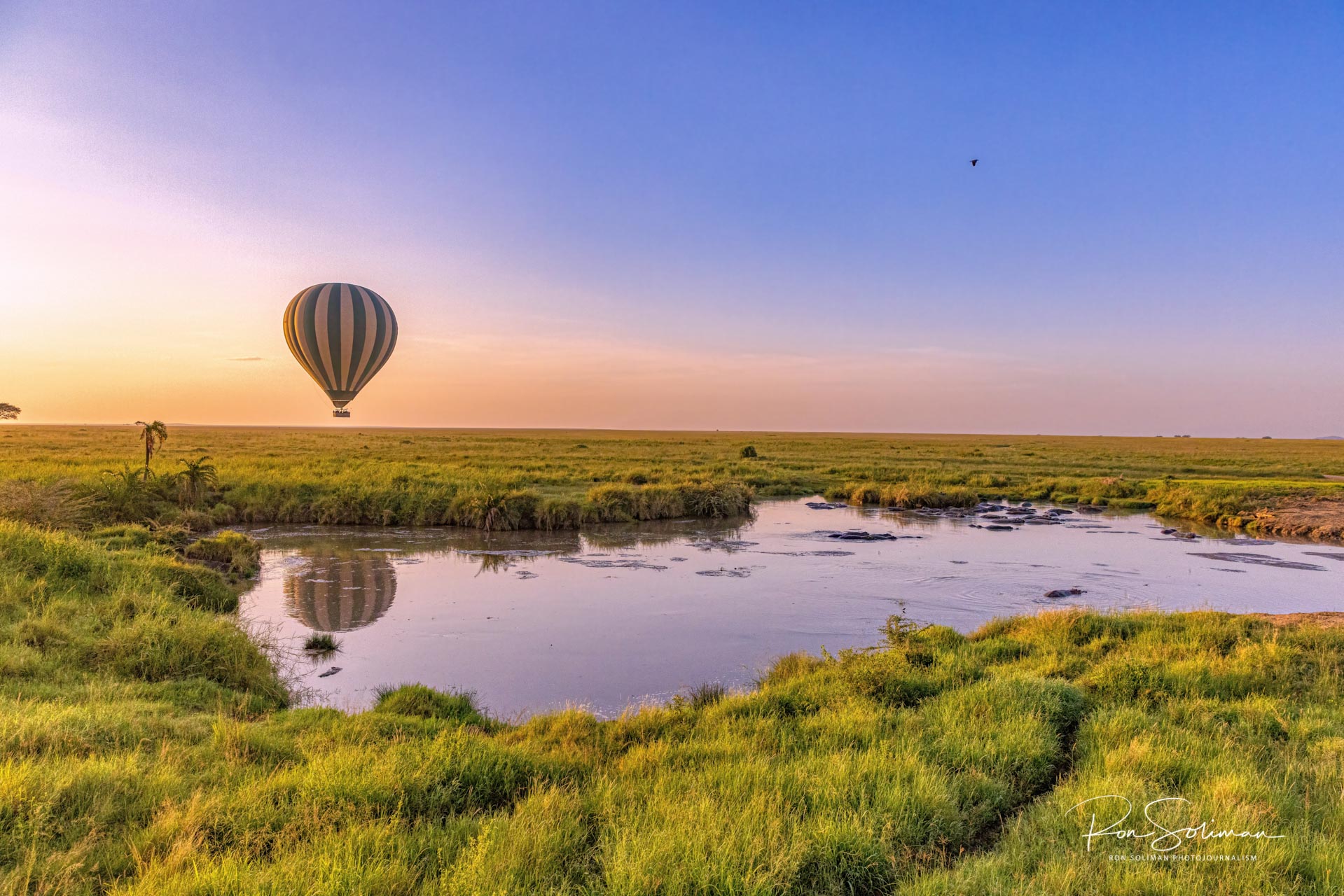
I was fortunate enough to witness this incredible phenomenon while exploring the Serengeti National Park, a UNESCO World Heritage Site. It was truly a wildlife photographer’s dream! I was able to photograph wild animals a few meters away from our safari SUV truck and even more exciting – from the sky on a hot air balloon during sunrise. To make sure I catch all the action happening, I made sure I brought the right camera gear. Click here to see my “go-to gear” for African Safari Photography.
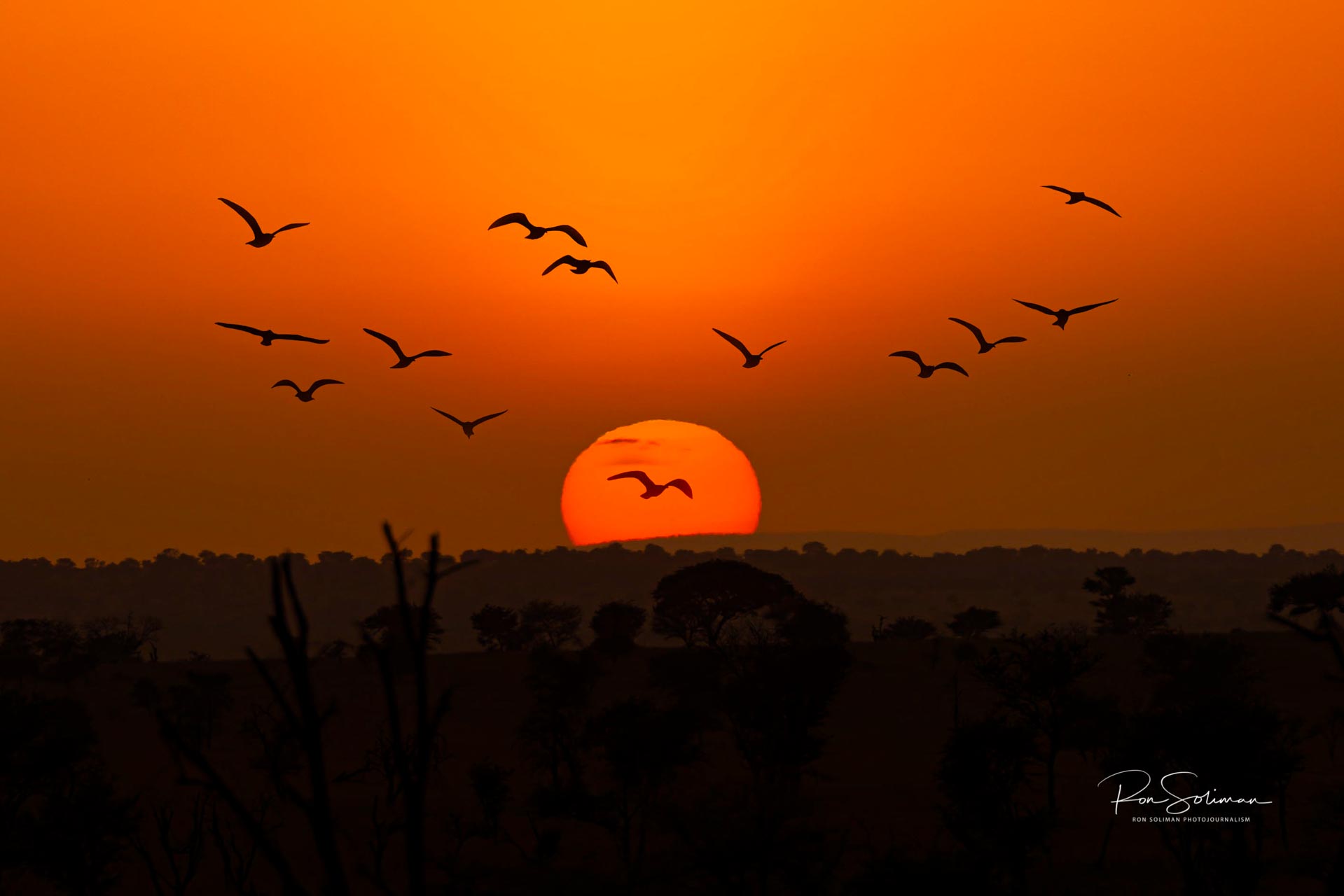
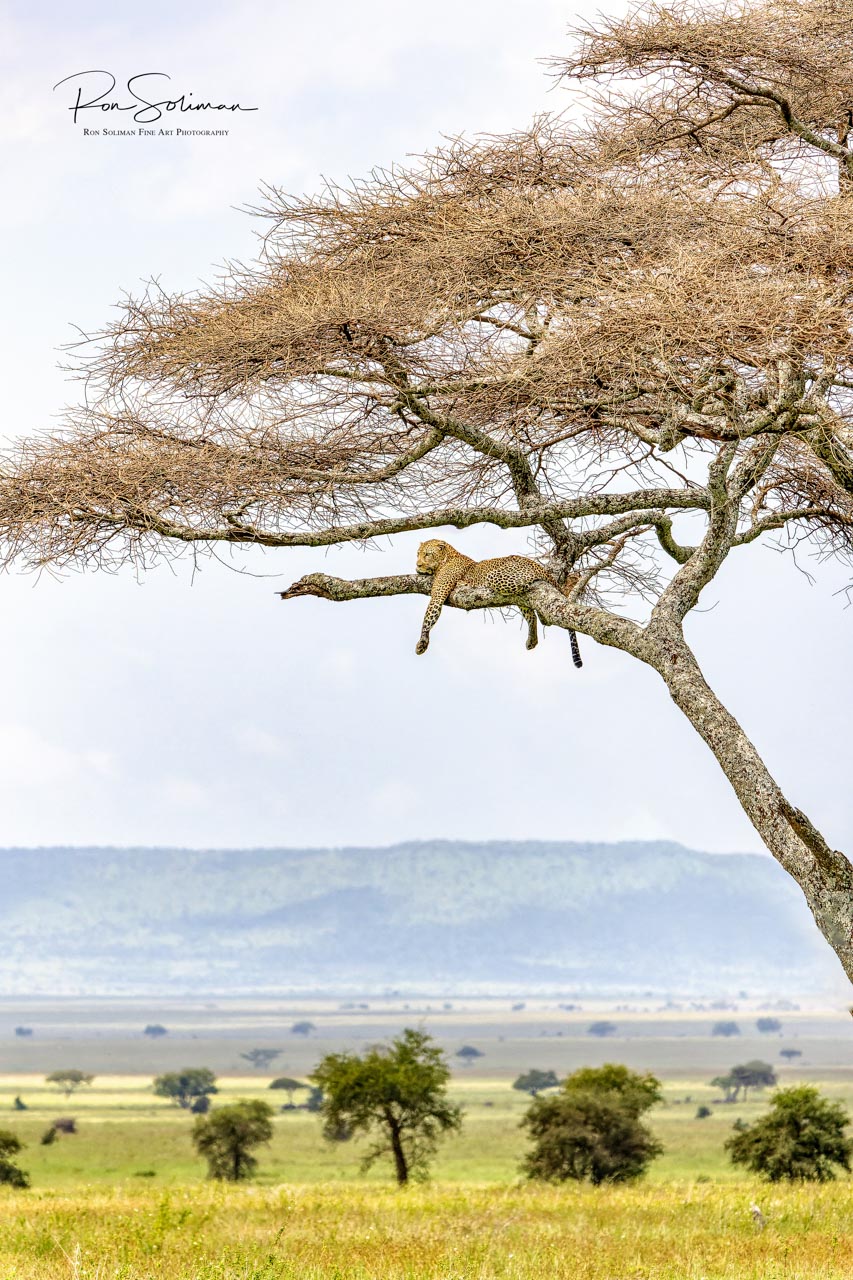
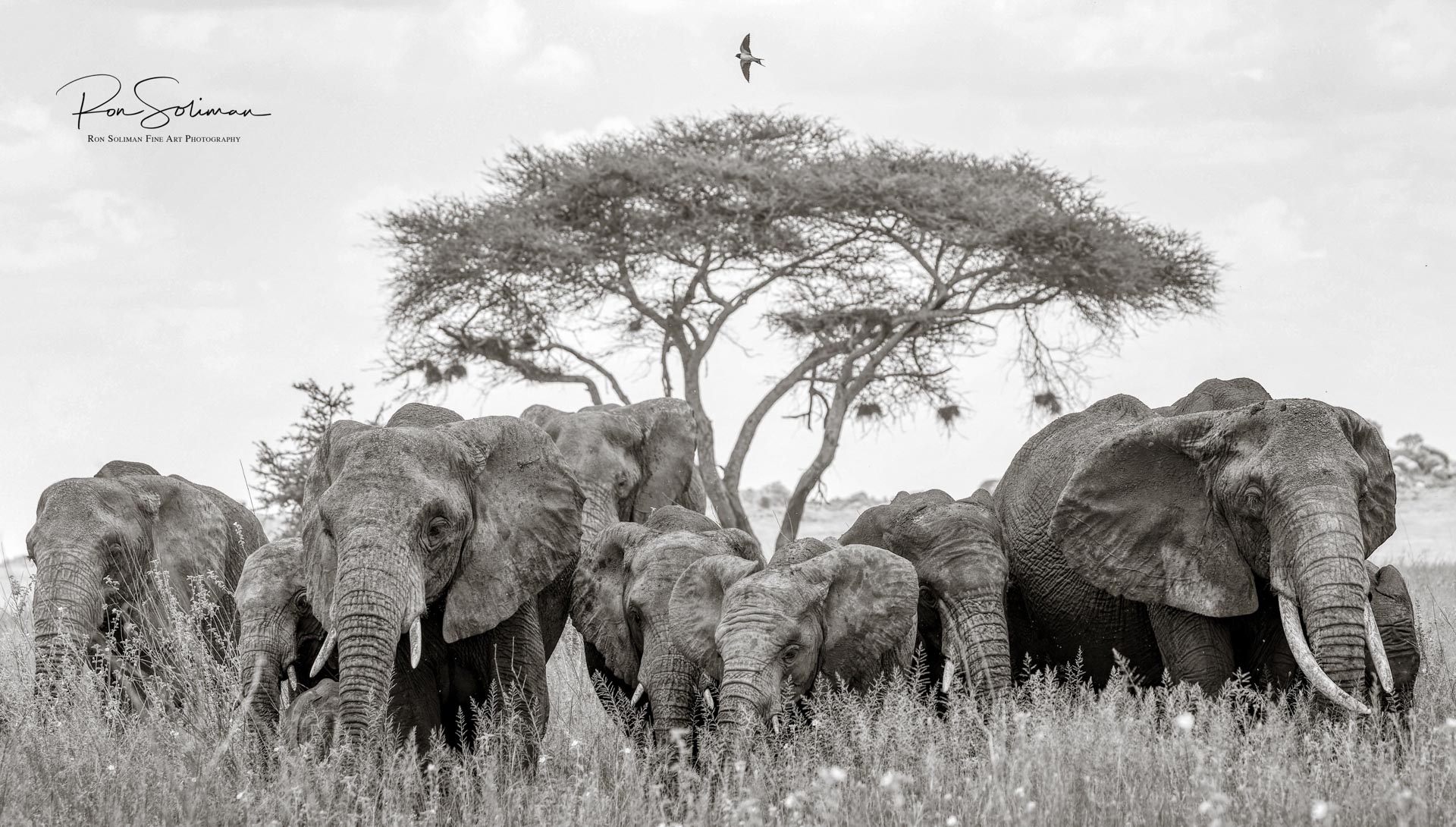
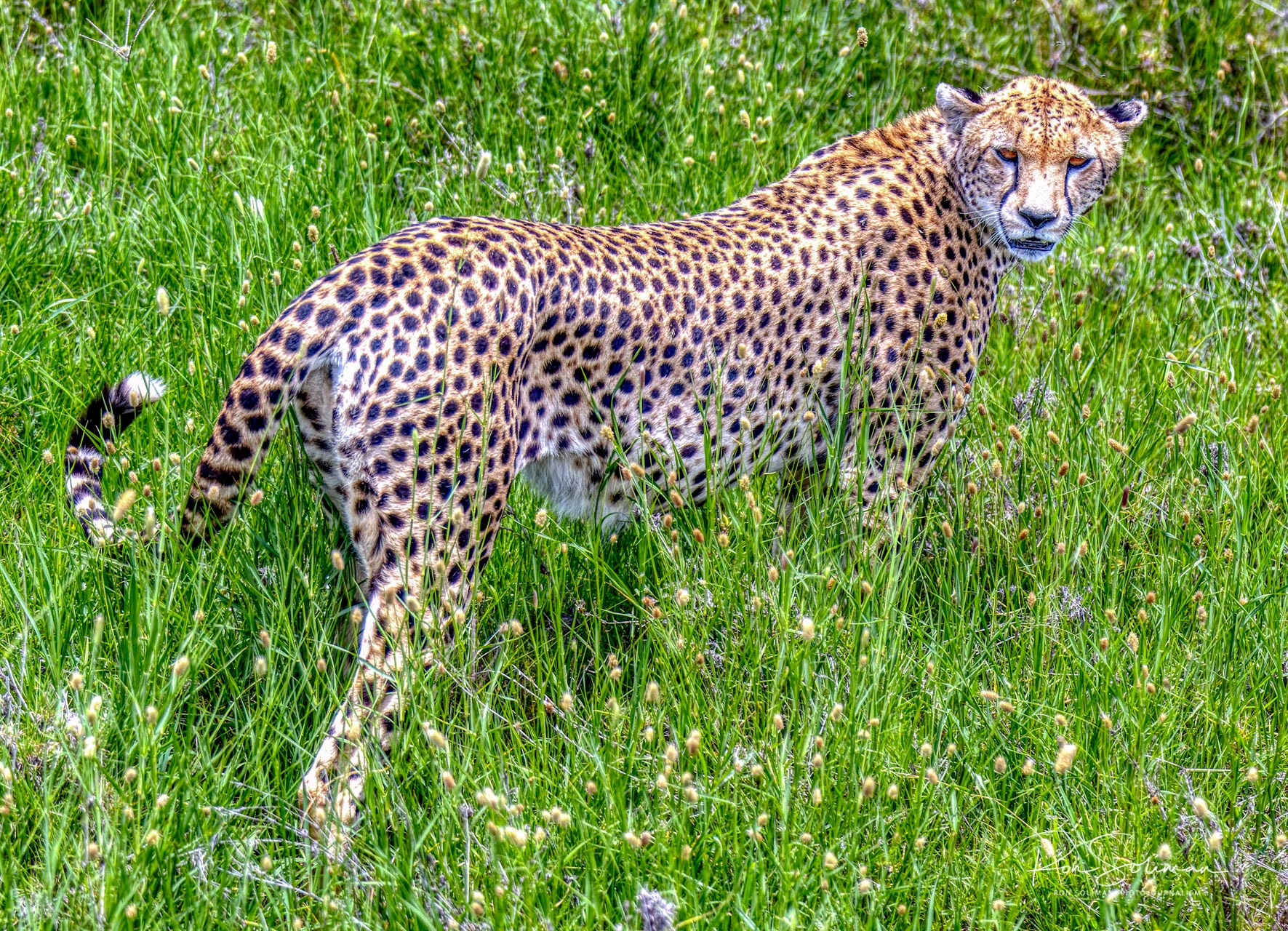
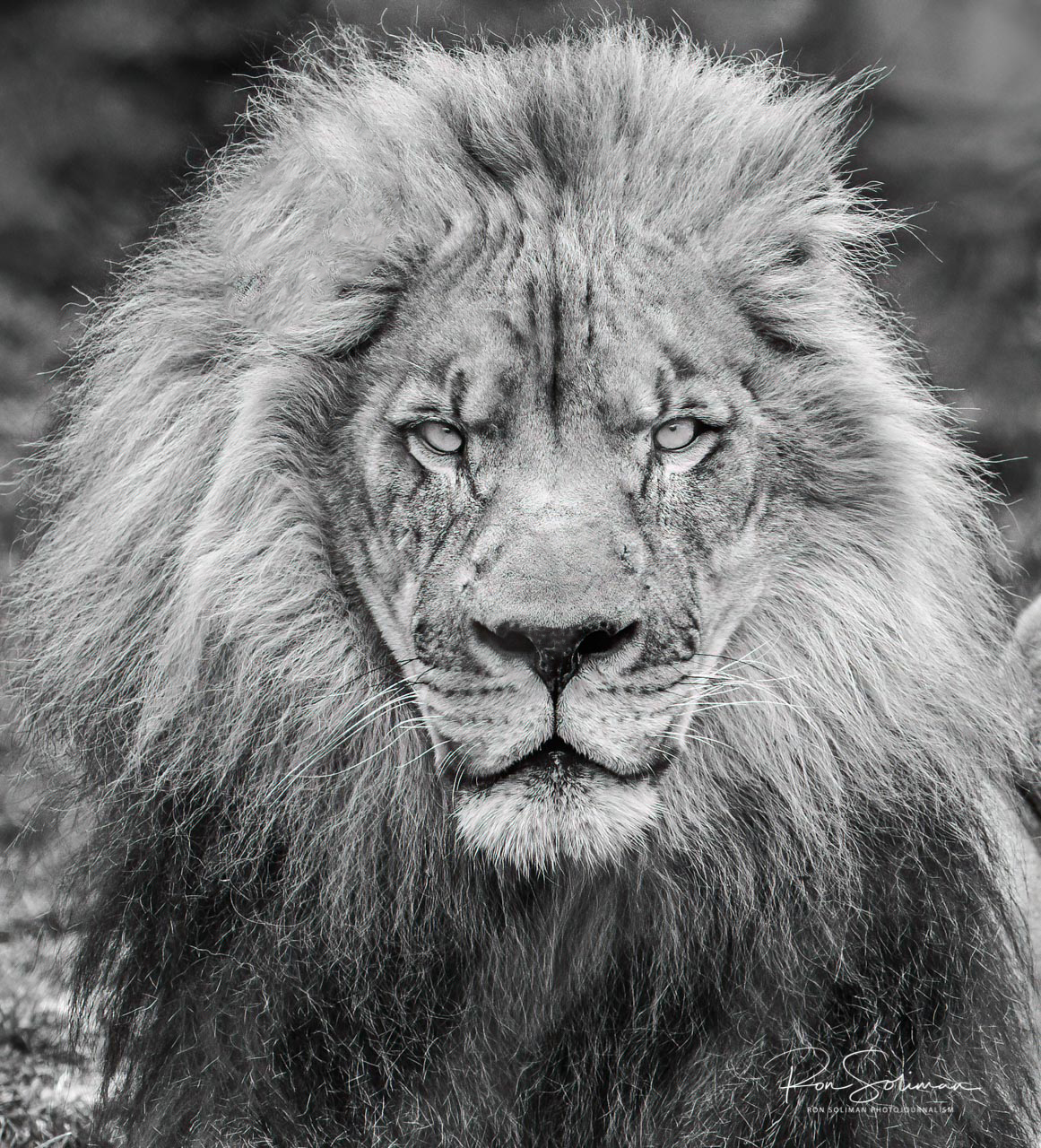
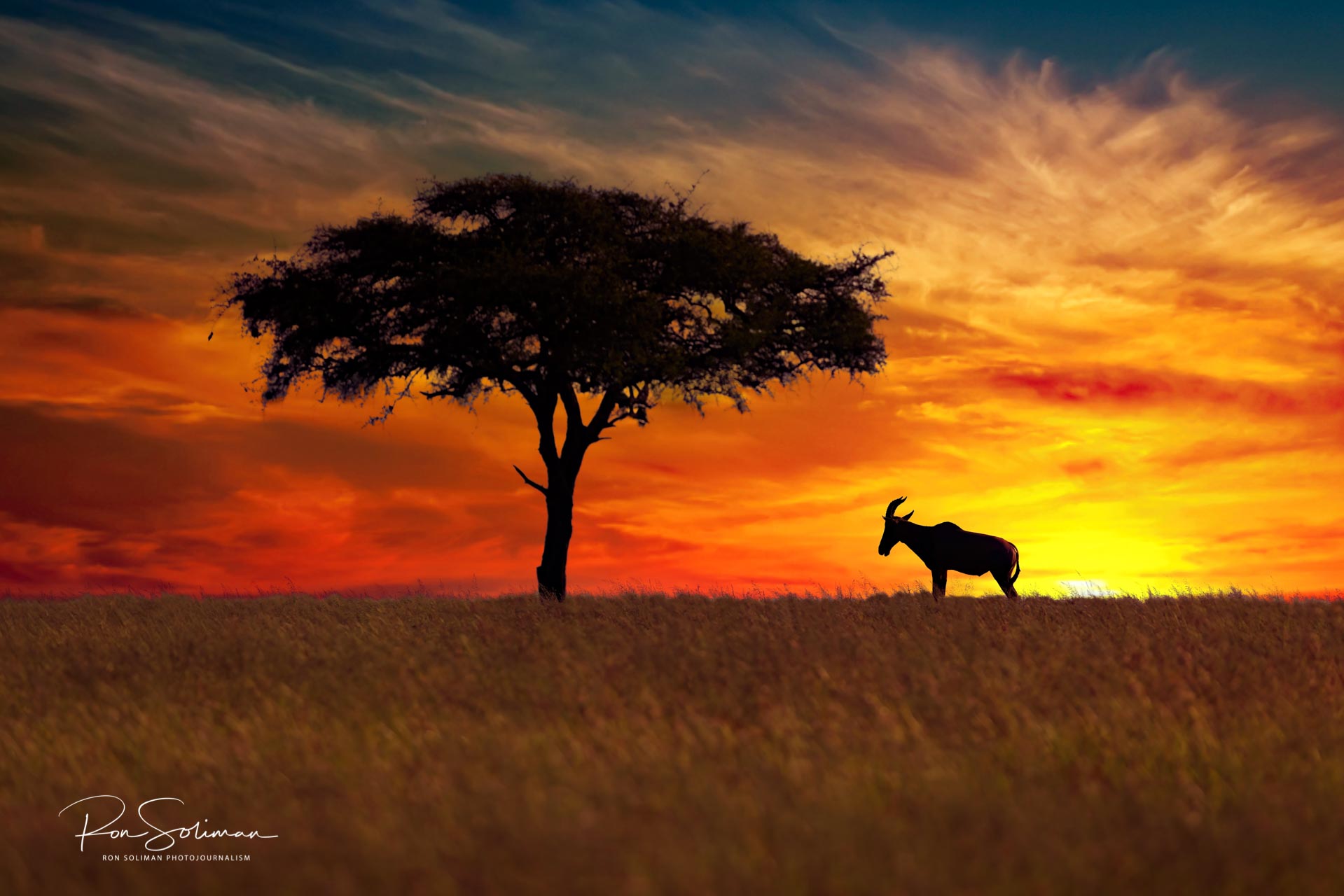
The following are a few of my favorite images in the Serengeti.
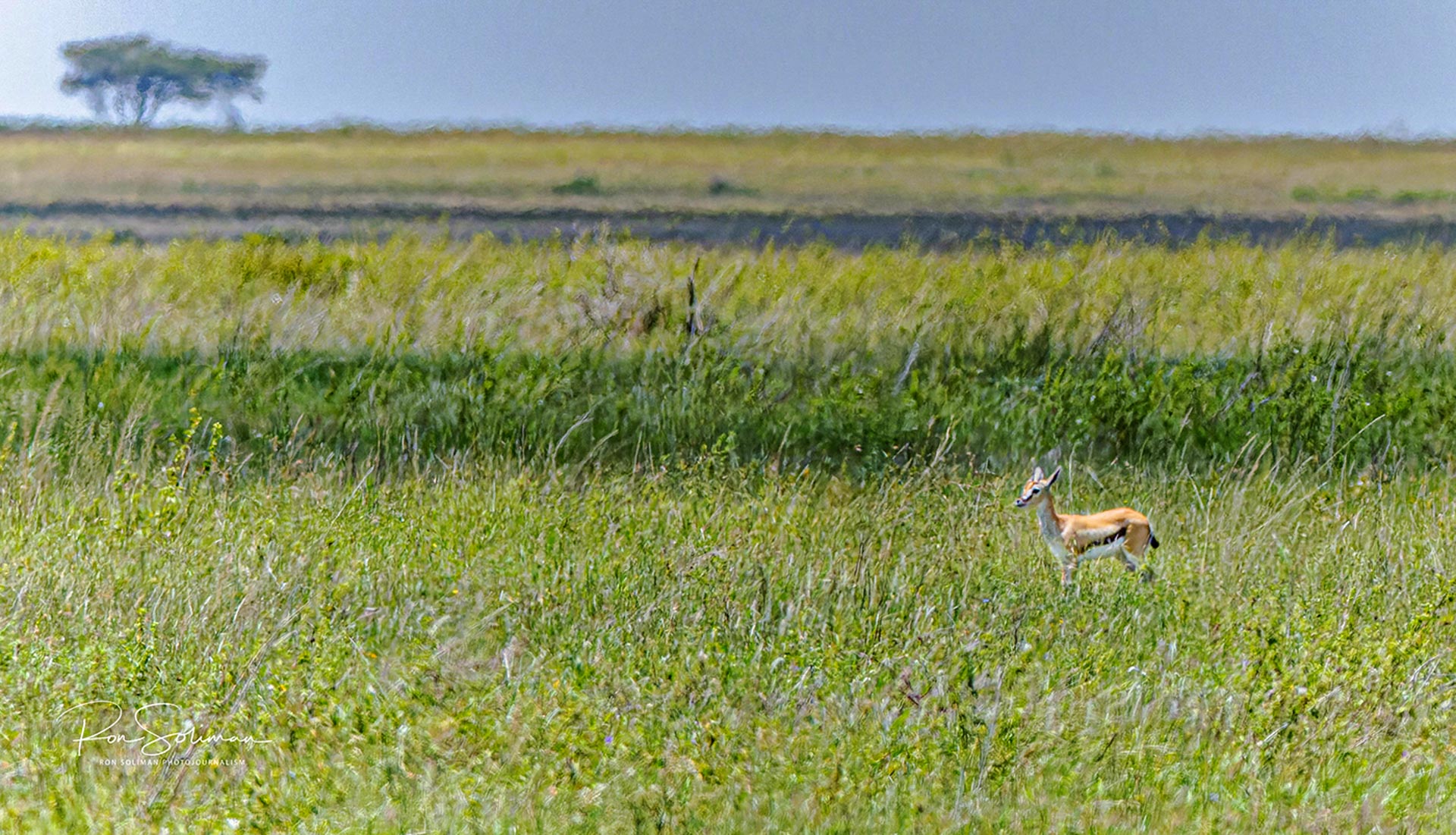
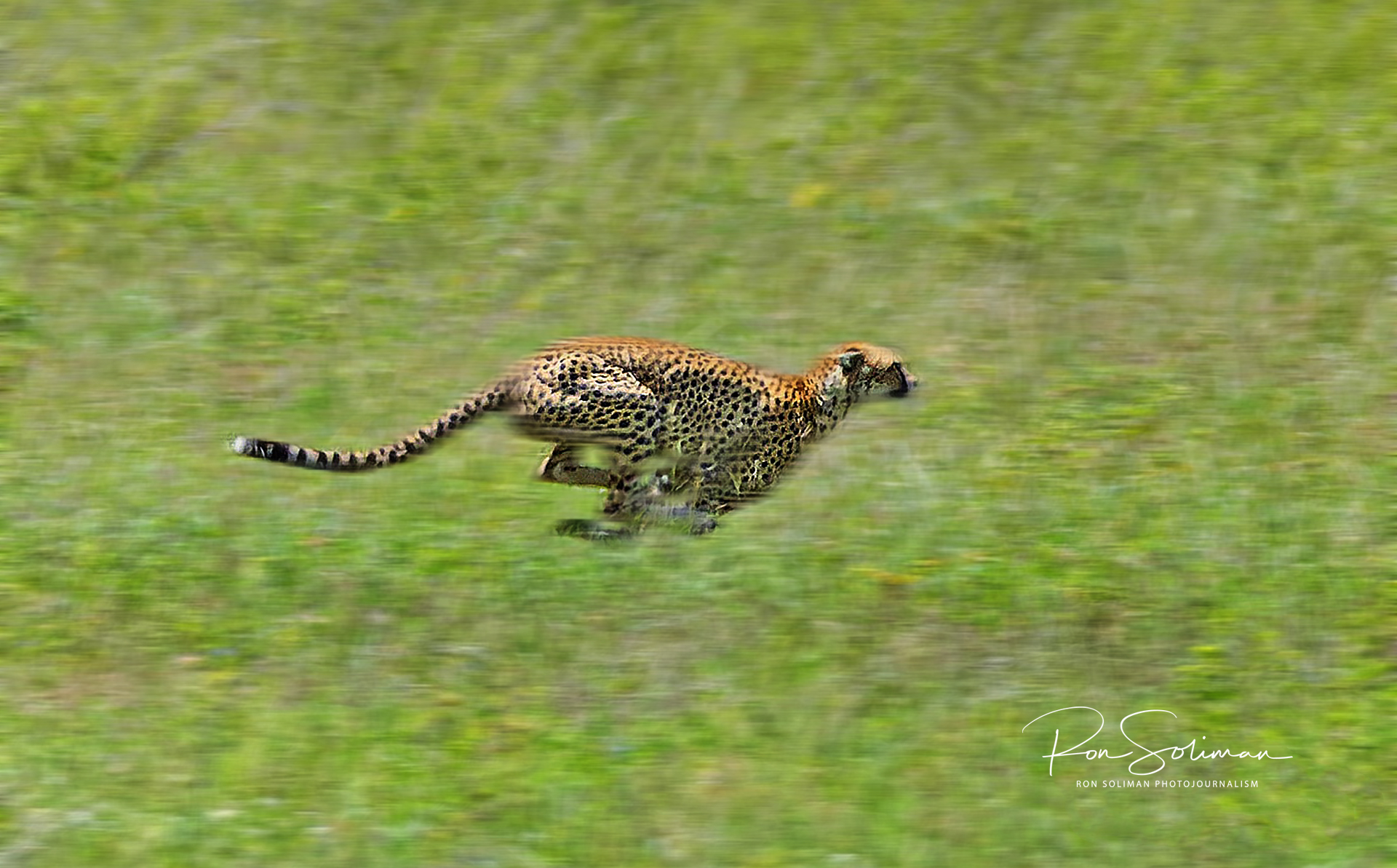
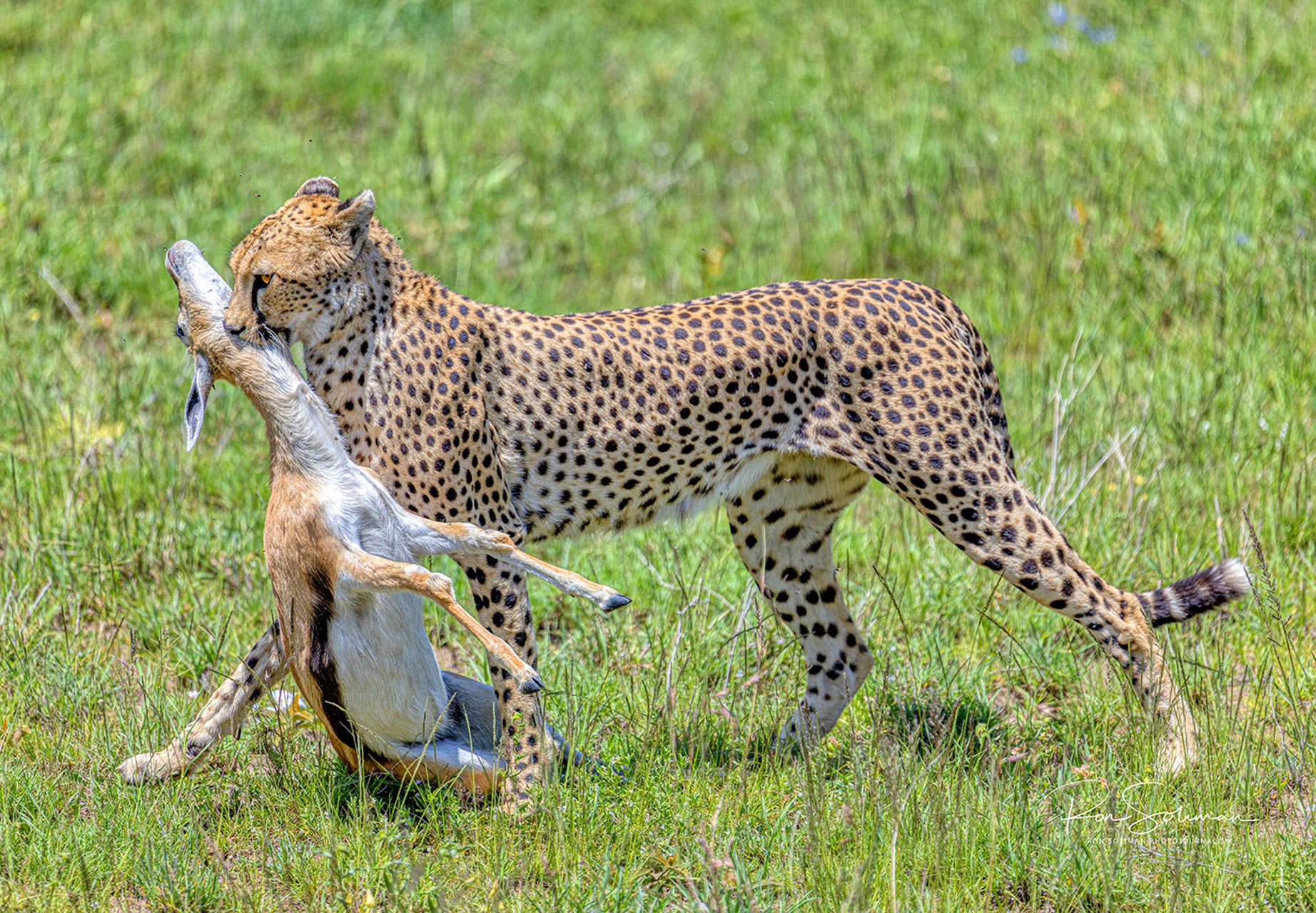
Cheetah, the world’s fastest land mammal, goes on a hunt in the savannah and spots a Tommy Gazelle from afar. A cheetah’s slender body is built for speed. Accelerating from zero to 45 in just 2.5 seconds. What you are about to see is one of the most incredible animal hunt you will ever witness…
(Click on any photo in the gallery below to enlarge the images)
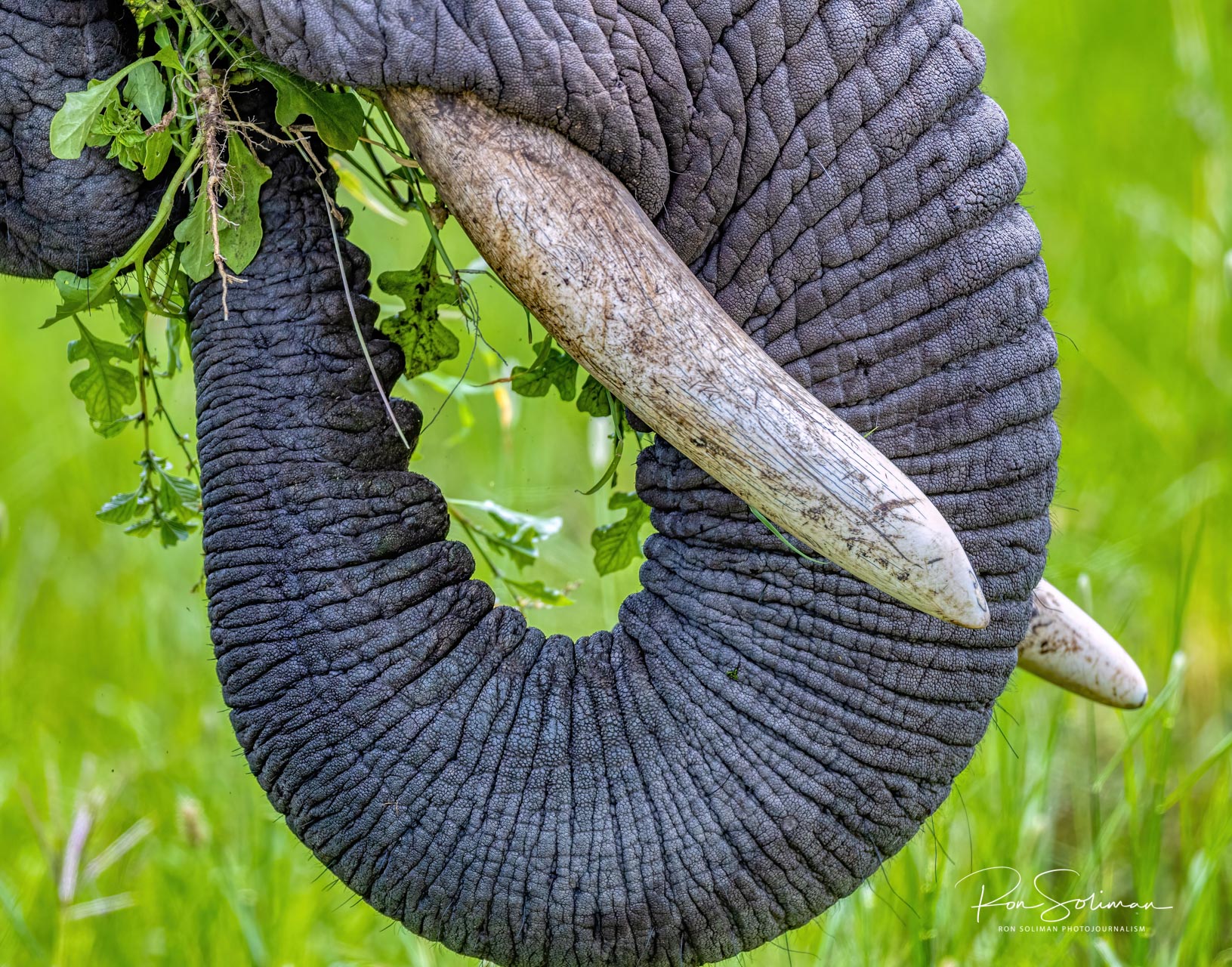
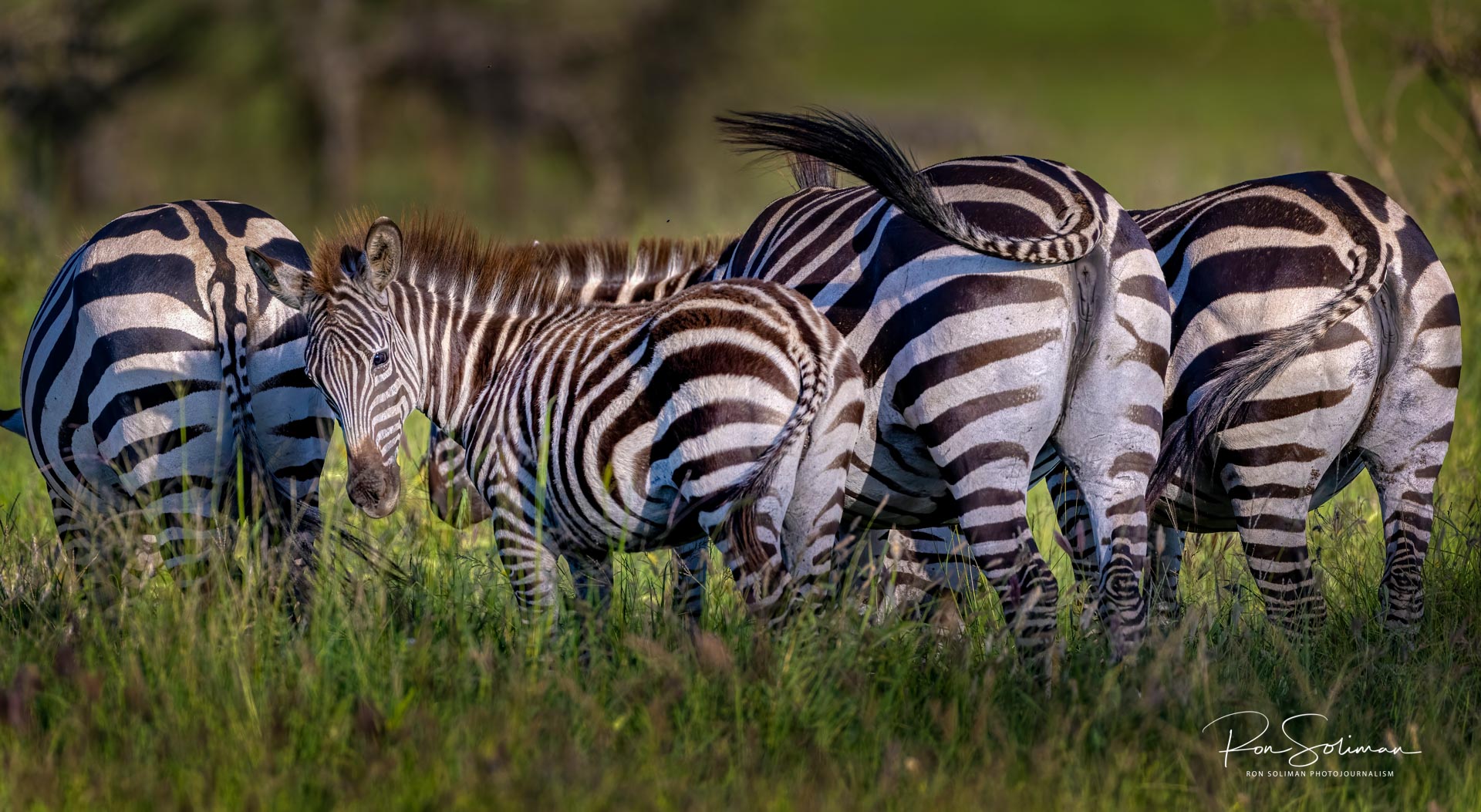
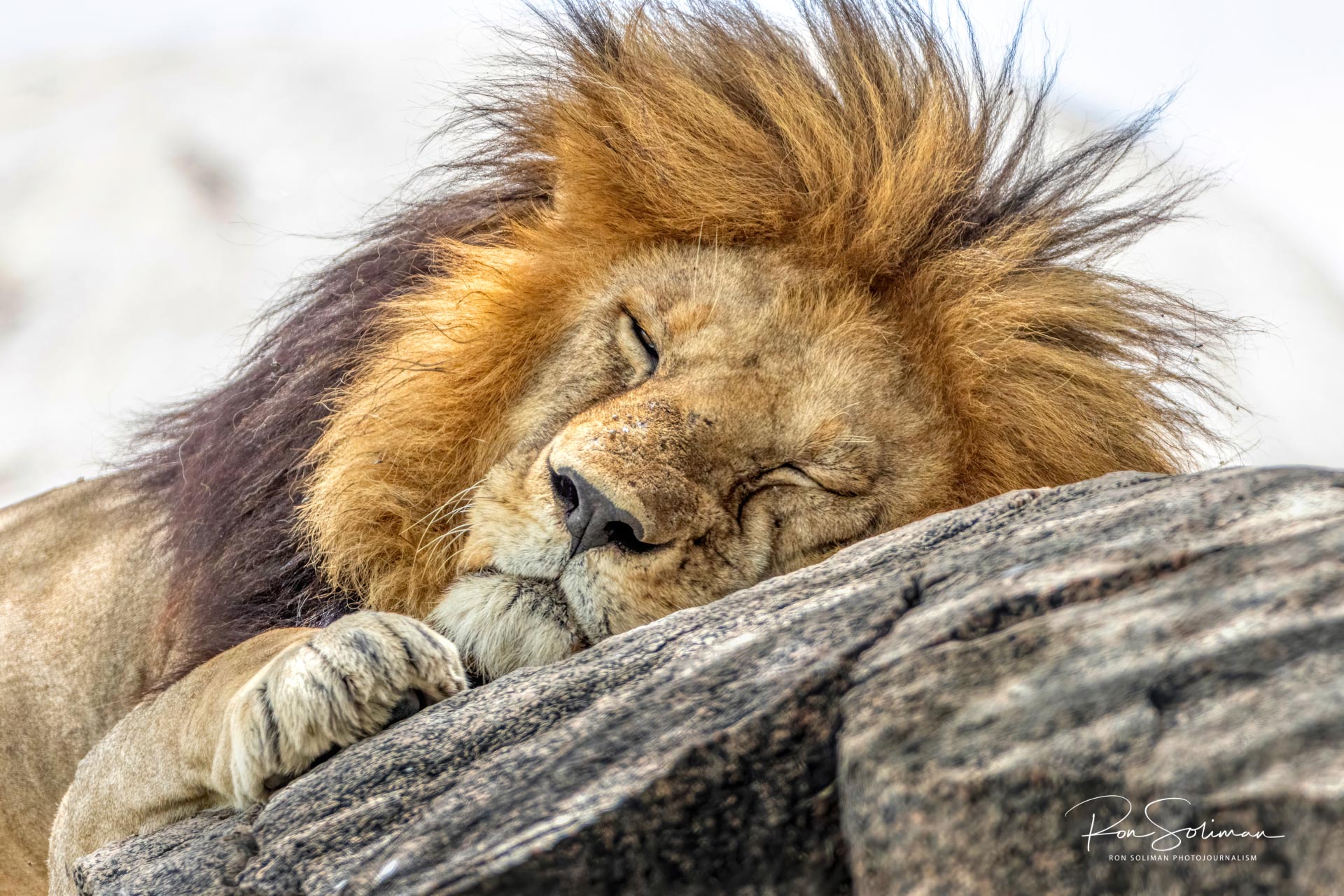
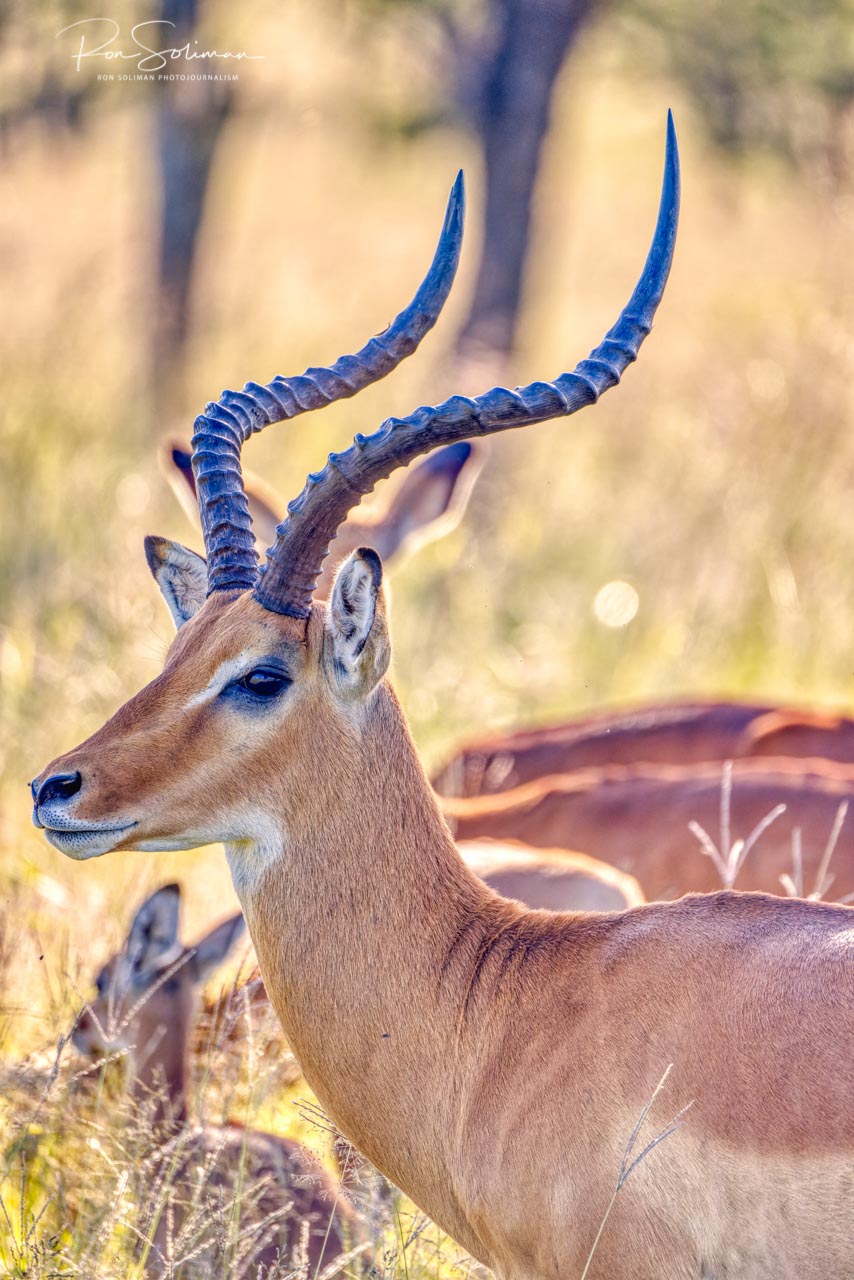
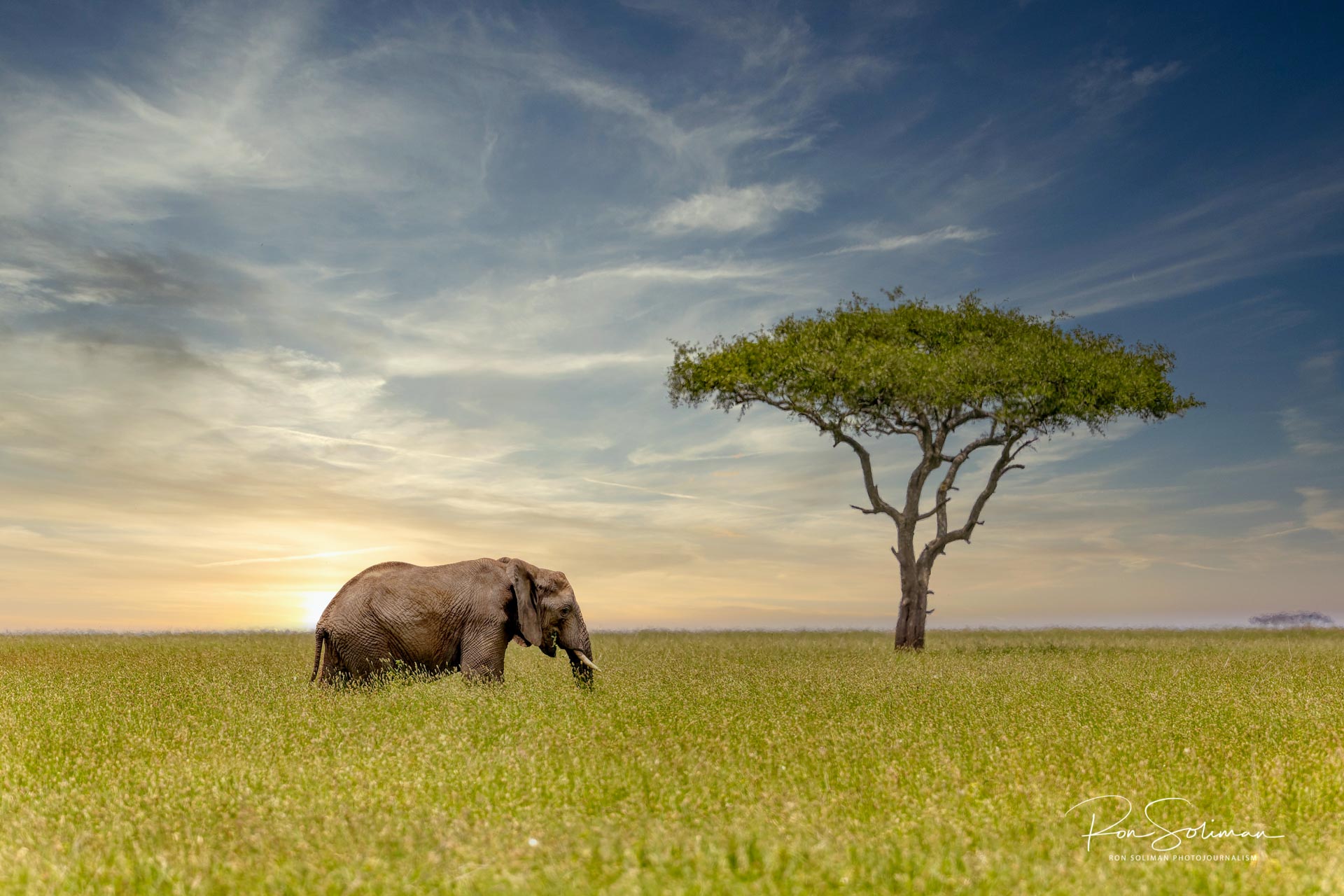
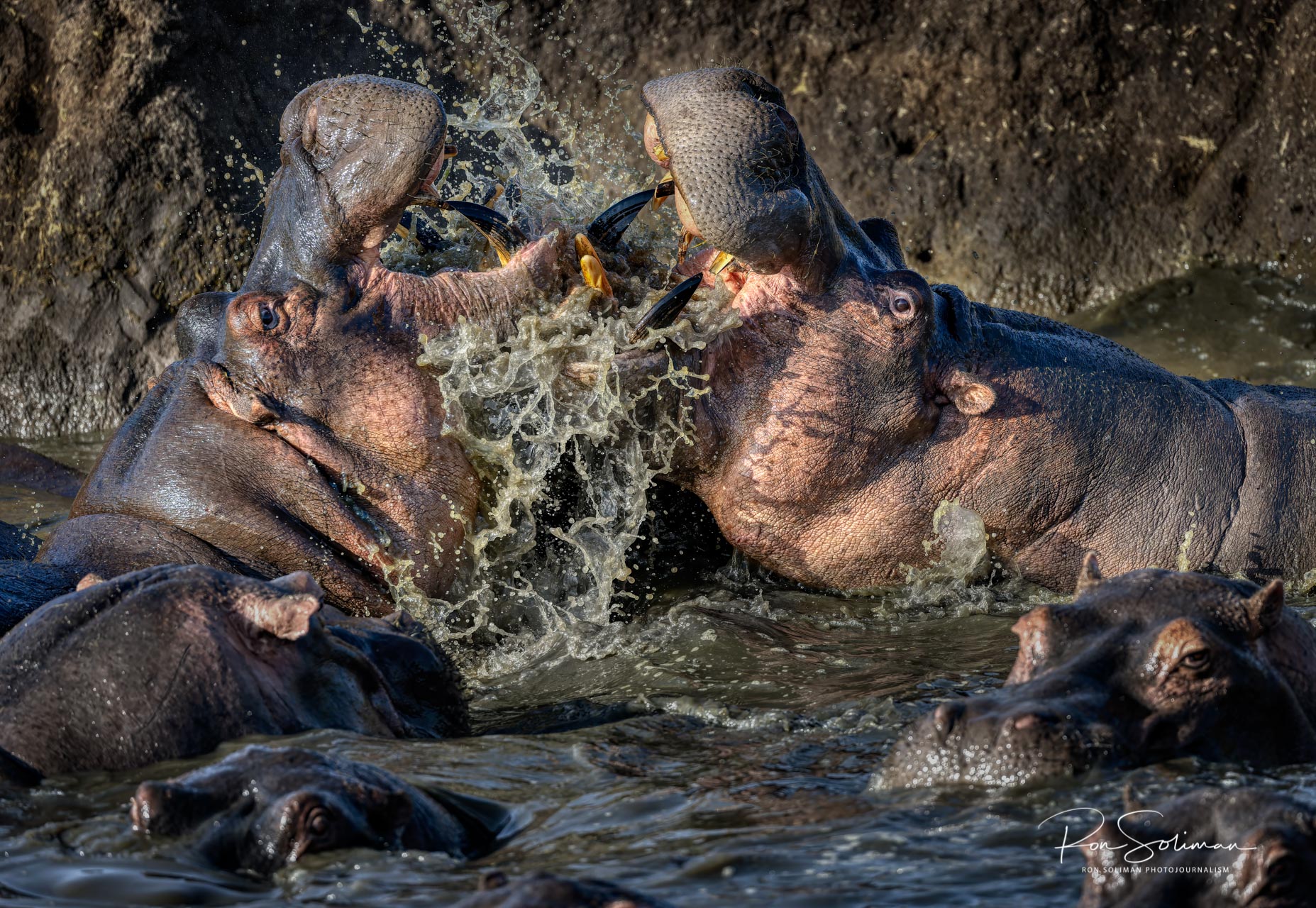
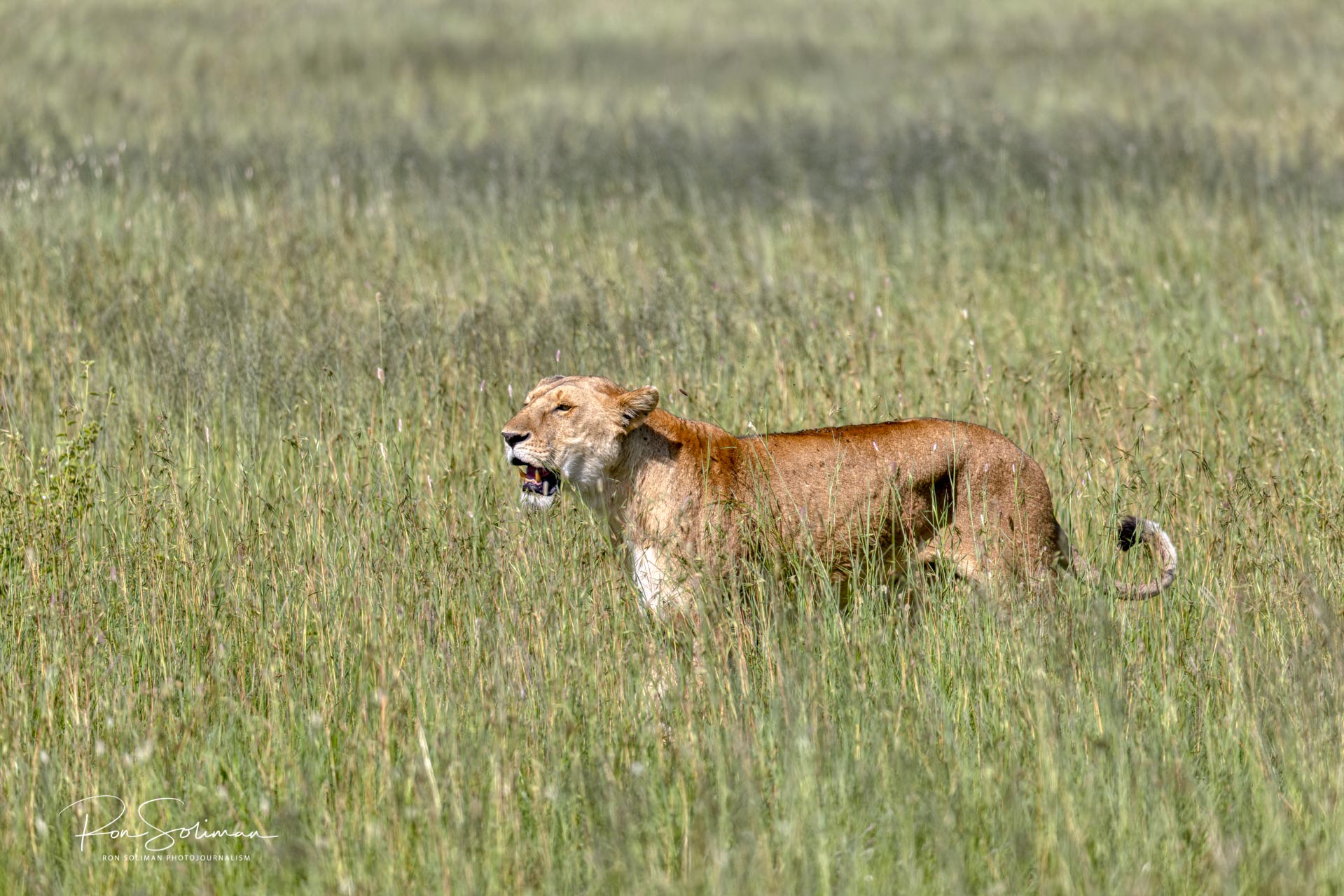
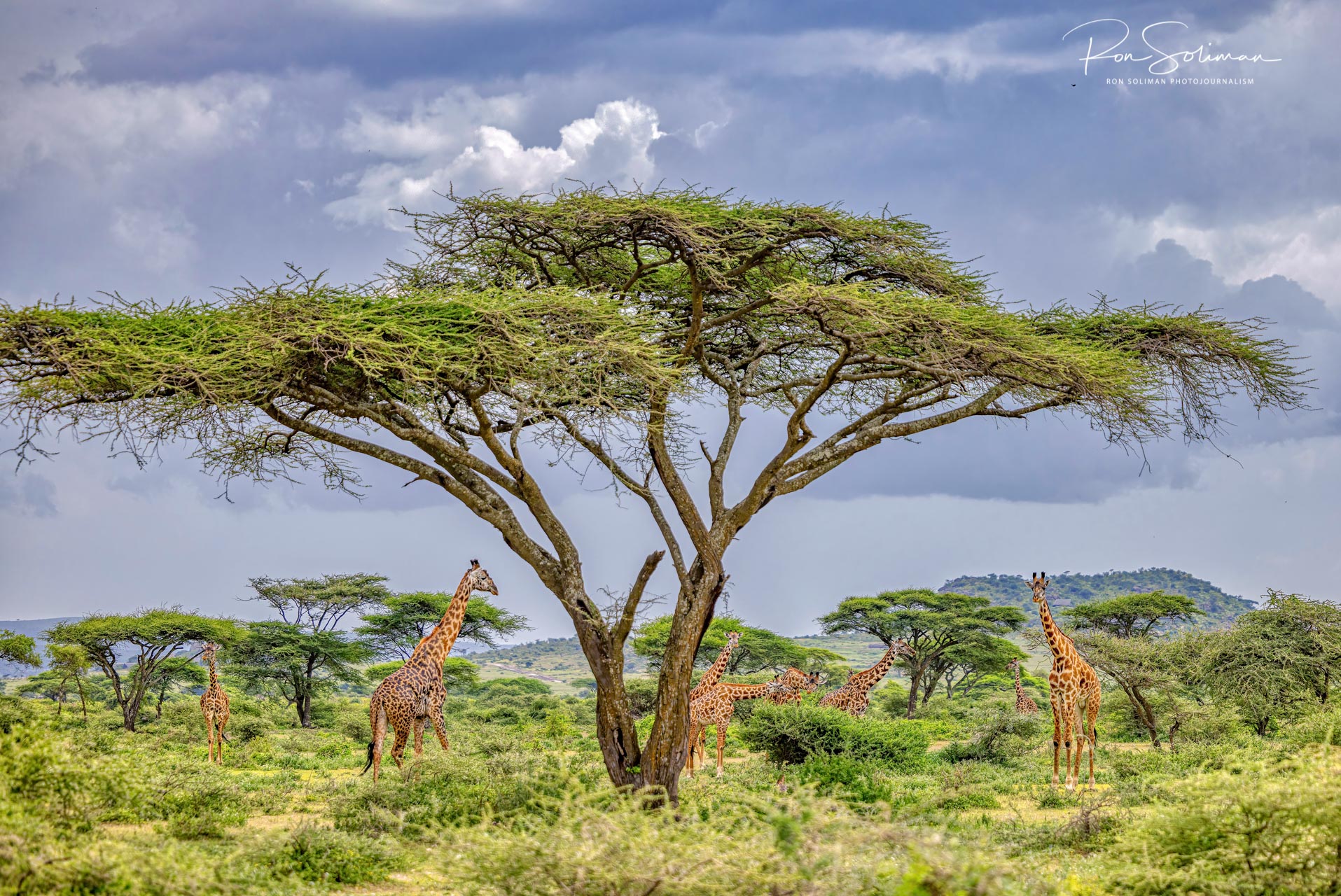
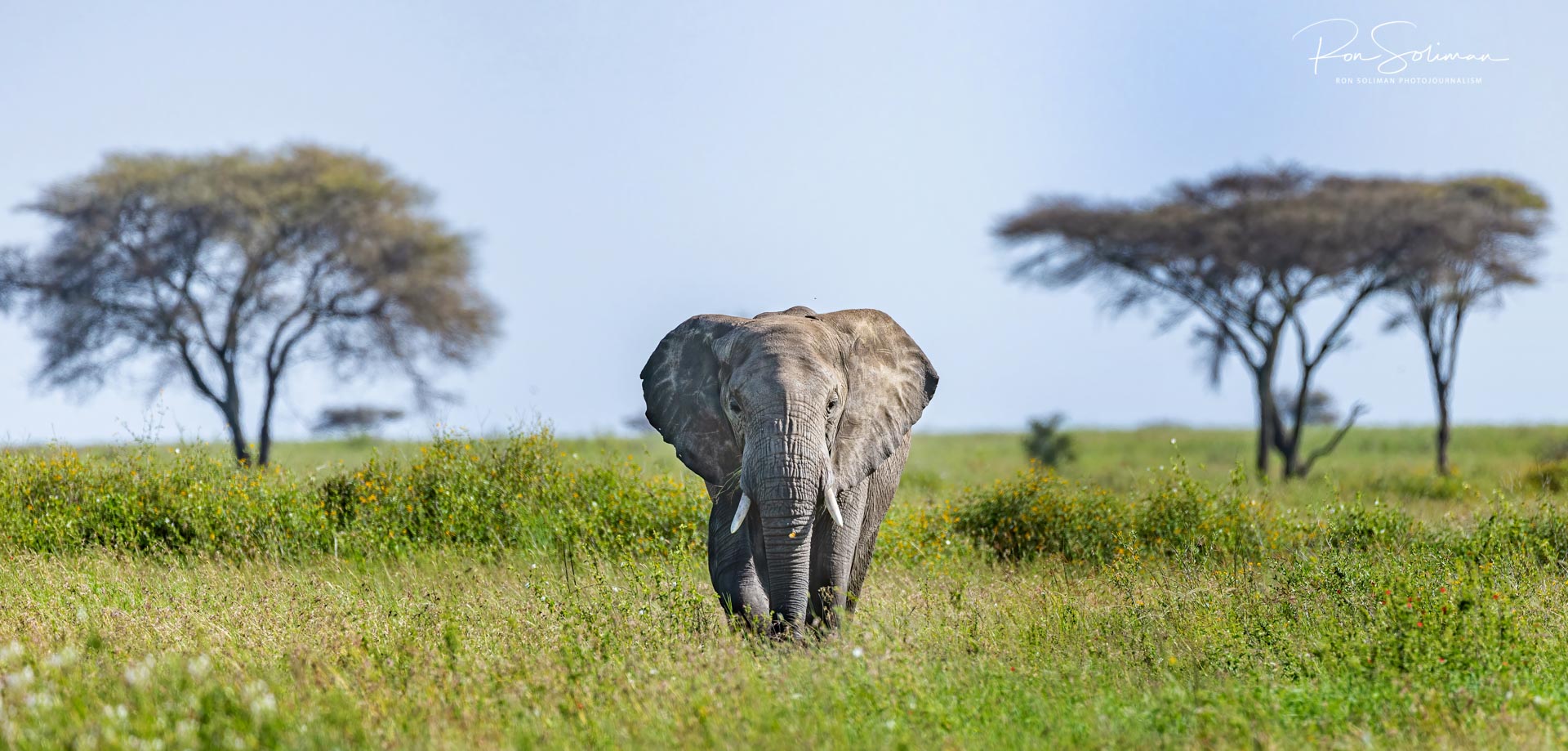
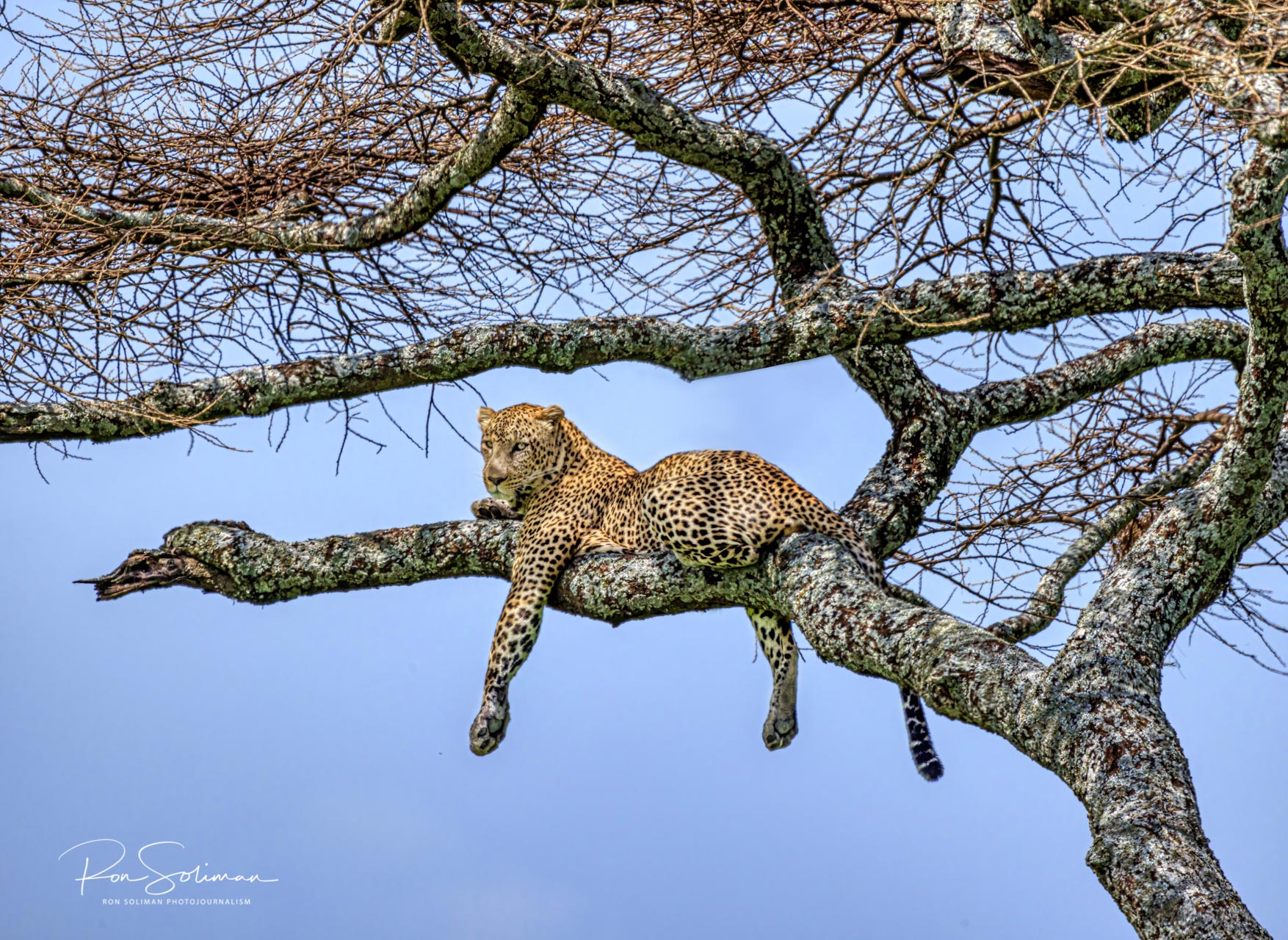
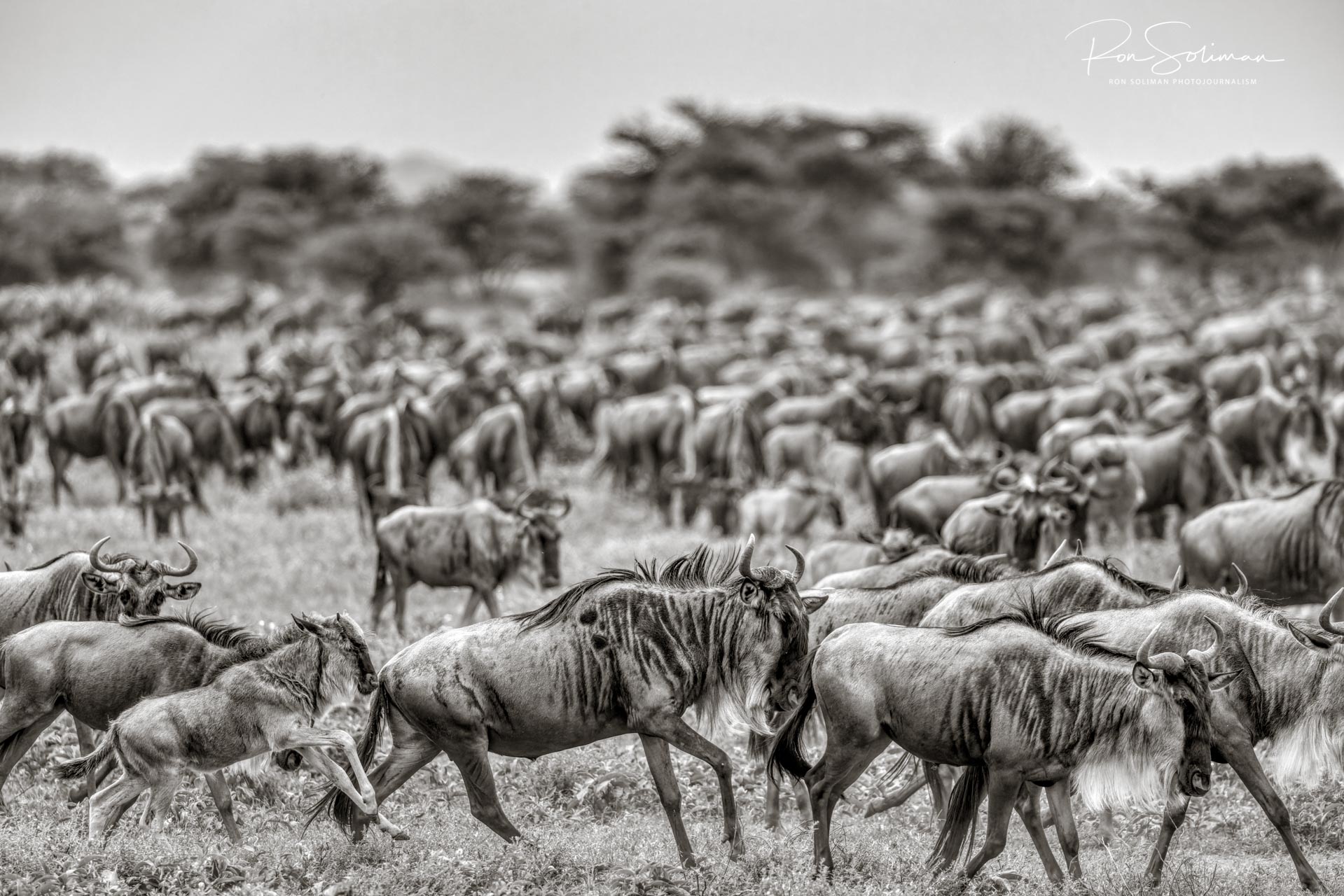
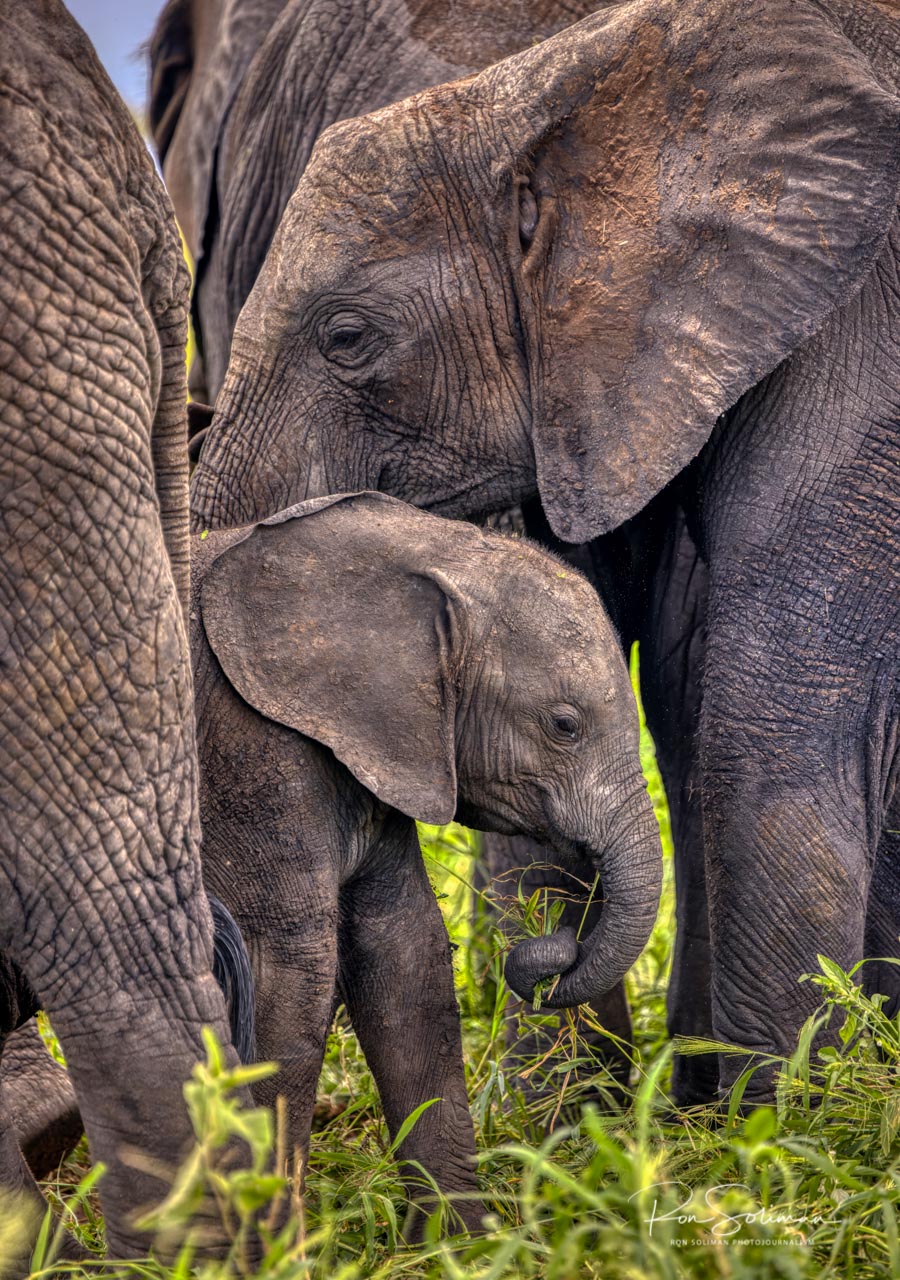
Thank you so much for visiting my blog about my journey to the Serengeti. I hope you enjoyed looking through these images from this epic adventure. It was such an incredible experience to photograph in the wild and learn a lot about the African culture.
I invite you to leave any positive comments below. Also, feel free to ask any questions about the trip. I will also be more than happy to answer them for you and give the best advice I can give based on my experience. As a bonus, I would be willing to share with you my full itinerary. Just let me know in the comments below.
Make sure to check out my other blog post where I talk about –
“My Top 10 Tips for a Successful African Safari Photography Experience”
Once again thank you, and like what they always say in Africa – “Hakuna Matata” (it means No Worries) and Live Life to the Fullest!
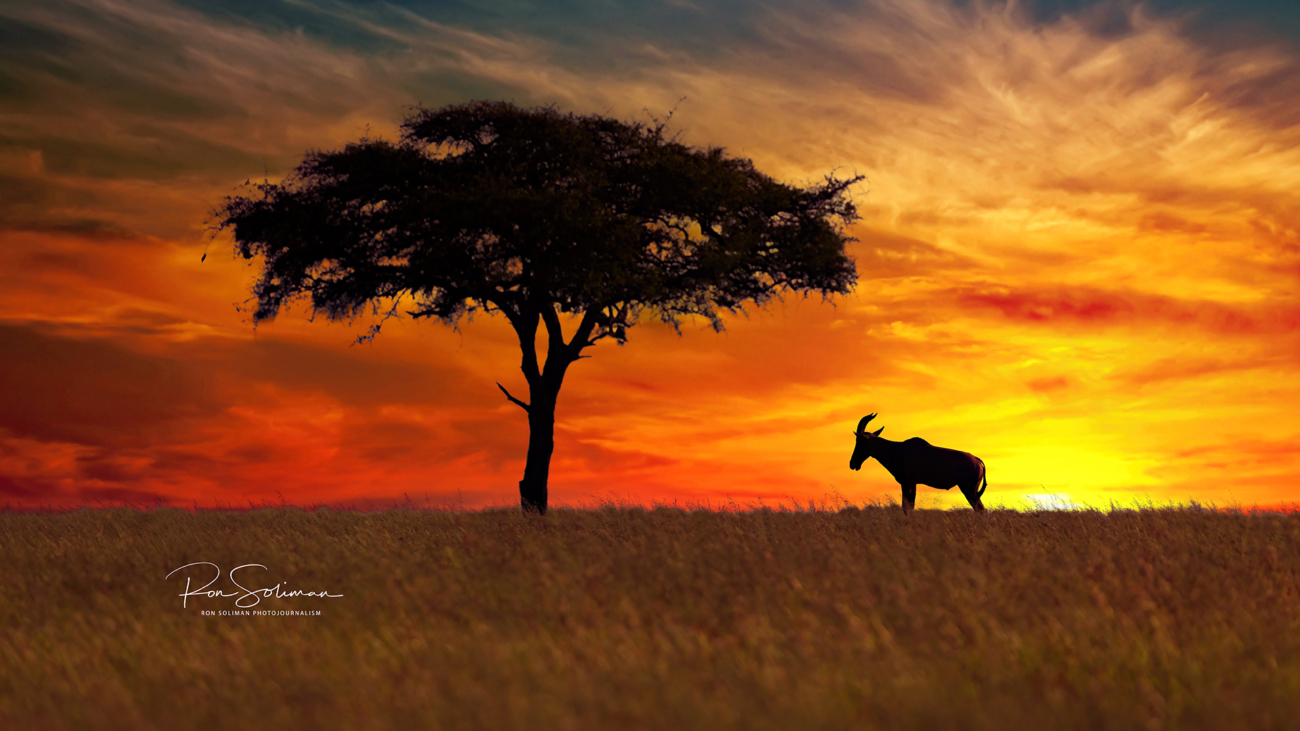
We just got back from photographing in the Serengeti. And I have to say, there were so many things I learned from our African safari trip. I put together some tips based on what I learned and experienced. Whether you are a professional photographer or an amateur, I hope these following tips can help you in any way make your safari experience a successful one. Here are My Top 10 Tips for a Successful African Safari Photography Experience. Enjoy!
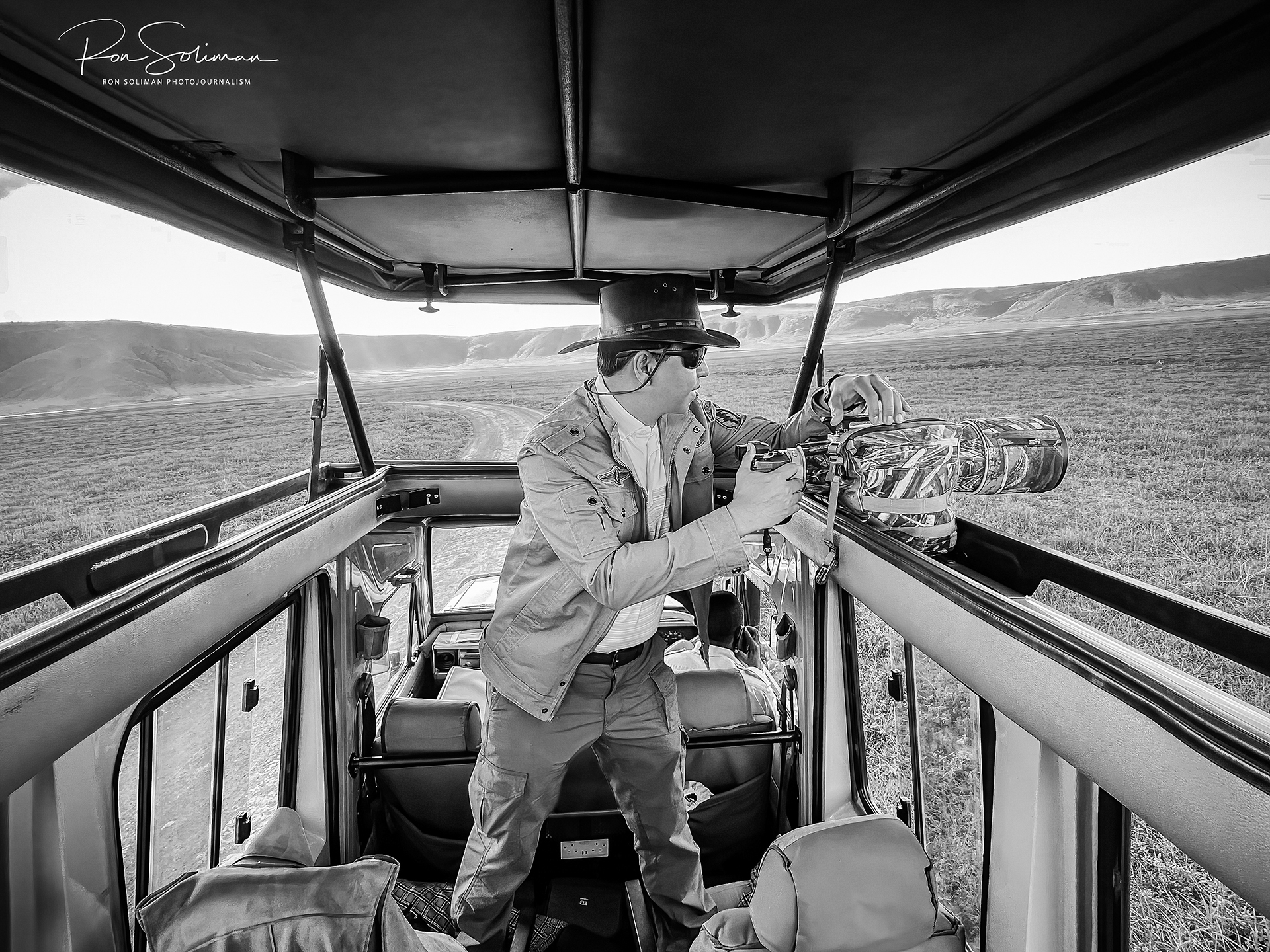
Capturing amazing safari photos is not about luck it’s about knowing where to go and when. And if you have a good guide, they can help you achieve that. When researching prior to your trip it is important to read their reviews on Google or Trip Advisor. Also ask around from other photographers who they used.
For us, we are lucky enough to have a really good one with Lorry from Pooja Travel and Tours. He is very knowledgeable about the animals and know where to find them. No matter how hard the drive is with all the bumpy roads he never complain. He always say – “Hakuna Matata”, no worries. Love his positive energy! I strongly recommend them. Not only they gave me a good safari guide, Hitesh, the owner, did a fantastic job arranging my itinerary to make sure we get to see a lot with the short amount of time we had. Plus, he worked hard to find me the best deals on lodges and activities. Click on their link here to check their availability for an unforgettable African Safari – Pooja Travel and Tours.
If you want to achieve beautiful and crisp looking images, make sure you gear yourself up with a high megapixel camera and a good telephoto lens with the range of at least 300mm. I mentioned high megapixel, that way if you want to crop-into your subjects in your images you will still get decent quality and sharpness. For those of you who are amateur, I know it is a pretty pricey investment to get professional grade cameras for this one trip, but there are ways to do it without breaking the bank. One way is rent your gear from places like – LensRental.com. Or some lodges will have cameras and lenses for rent. Just check with them.
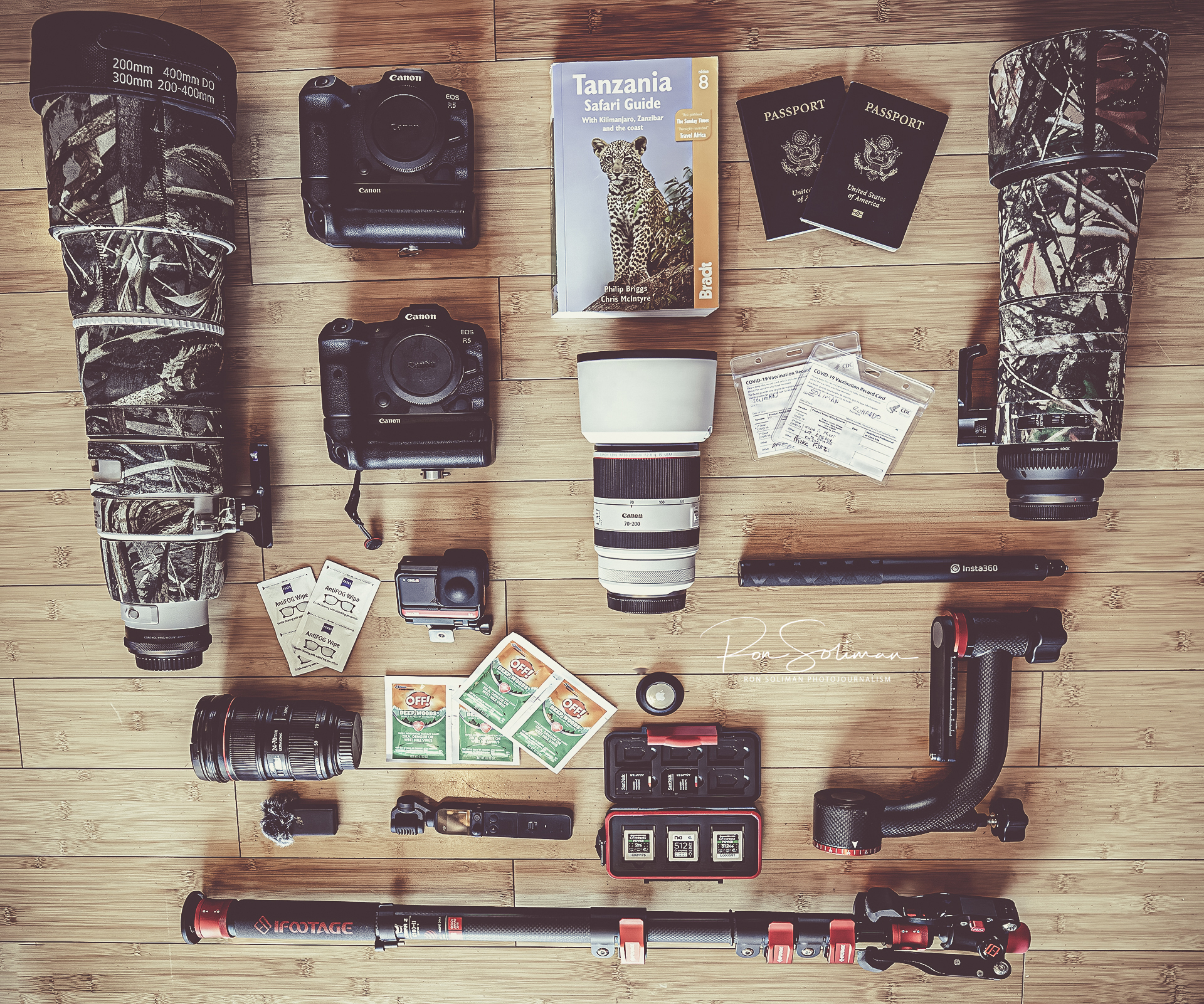
People have asked me what set of gears I brought with me in this trip, so here’s a little – “what’s in the bag” explanation of what I packed. I have included some links as well where to find these below (Click on each item to be connected to the link). Enjoy!
When shooting during a game drive, there are times when you have to wait for an hour or two for any animal “action” to happen. You have to be very patient, and you will be rewarded with amazing photos.
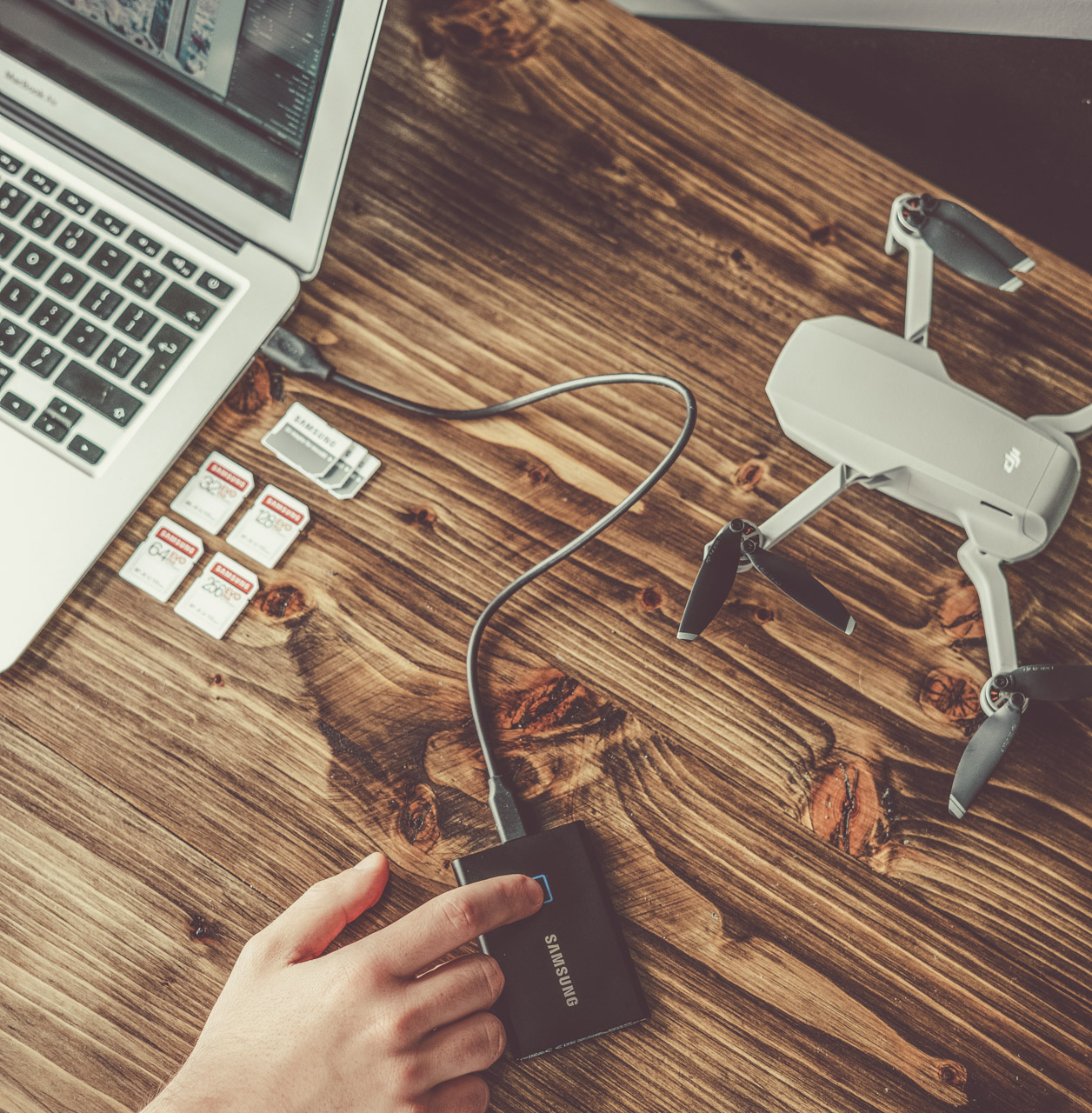
Make sure, when you come back to your lodge every after game drive, to back-up your files in two separate hard drives. Hide one of the hard drives in a safe if there’s any, and the other one maybe in your camera bag. This way you are covered in the event of a hard drive crash or a lost.
While on a safari, make a little sacrifice to wake up before sunrise and go out and shoot. Wild animals usually go out on a hunt when it’s cooler out there. You will have a better chance to catch more action. And to make it even better, the lighting is going to be golden!
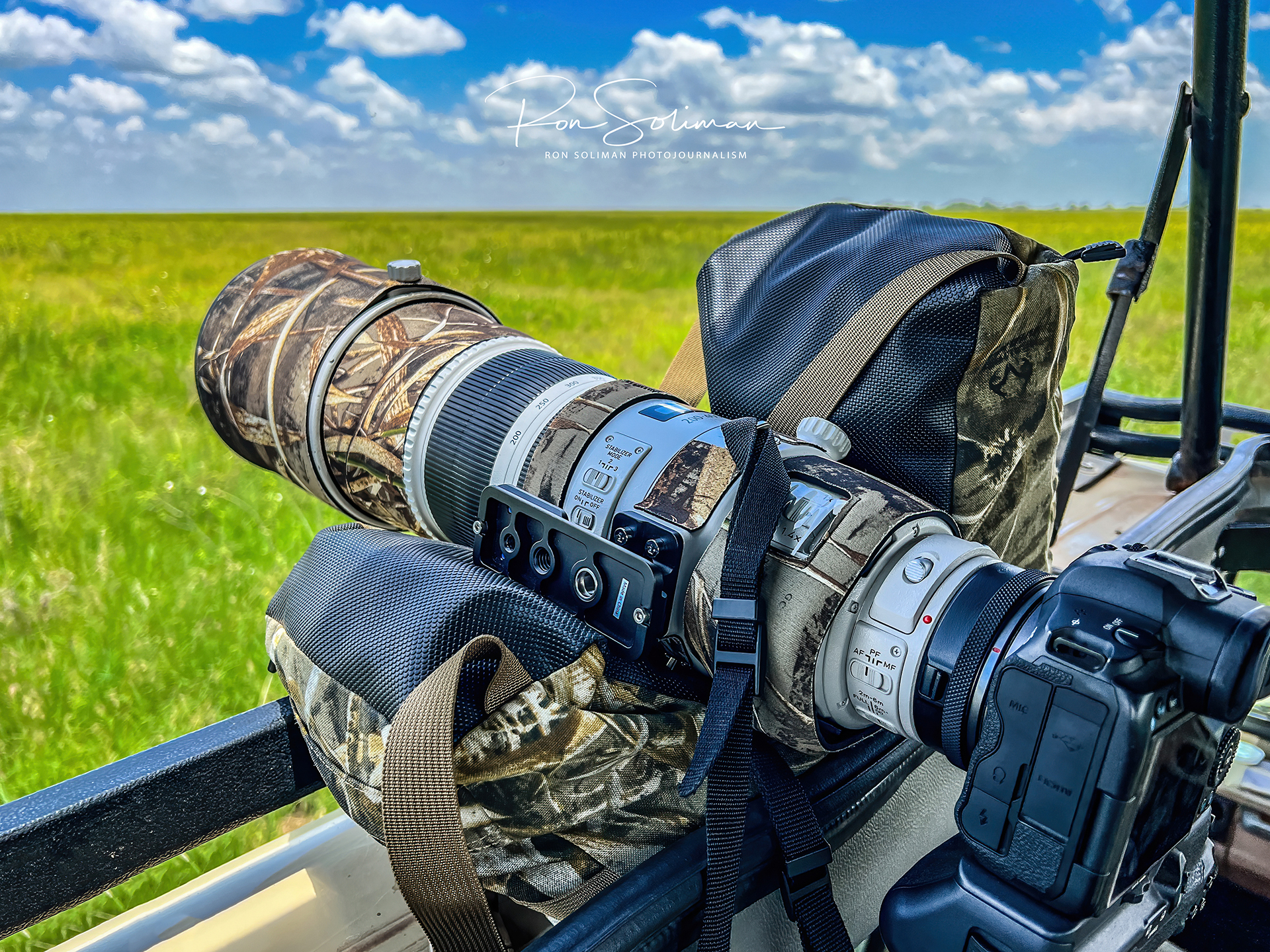
When shooting from inside a safari vehicle, you need something to rest your camera or lens, and a bean bag is a perfect accessory for this. It also allows you to move around fast with your telephoto lenses from one side of the vehicle to another when following the movement of animals.
You can get any brand out there but I love this particular one – LensCoat Camouflage Camera Lens Support Bean Bag Platform. You can also buy beans to stuff this bean bag at a local market in Arusha, Tanzania but I actually used my “travel pillow” and clean socks to fill it up. It worked!
When shooting try to be quiet and not make unnecessary noises to startle the animals. Remember, the wild is their home and you are just a visitor.
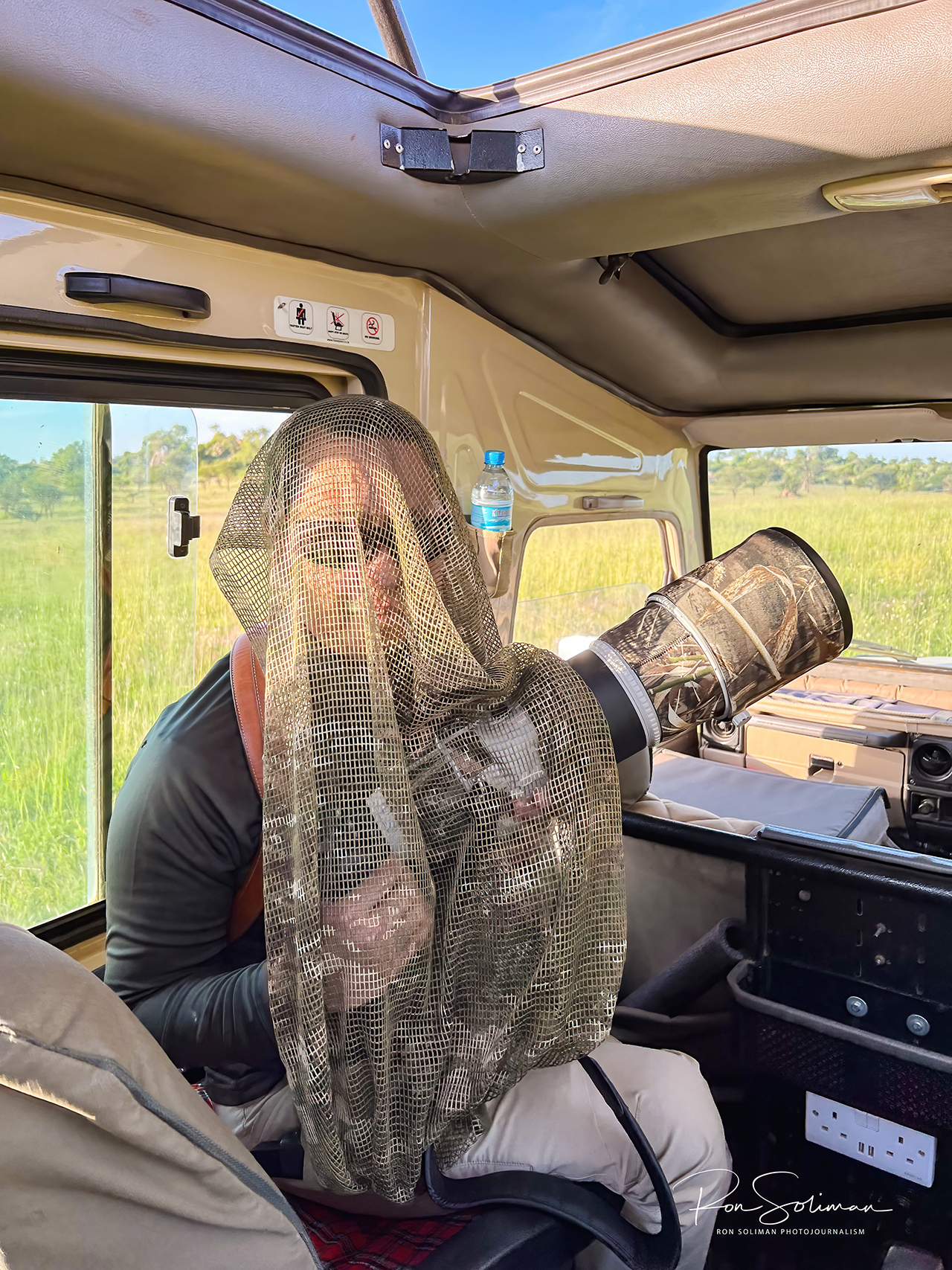
Going on a safari, though could be very pricey, is not always luxury. Be prepared for the bumpy roads, dust, heat, and Tsetse flies. It’s all part of the experience of the wild.
Check my list on – Tip#2, on some of the things to bring to be prepared.
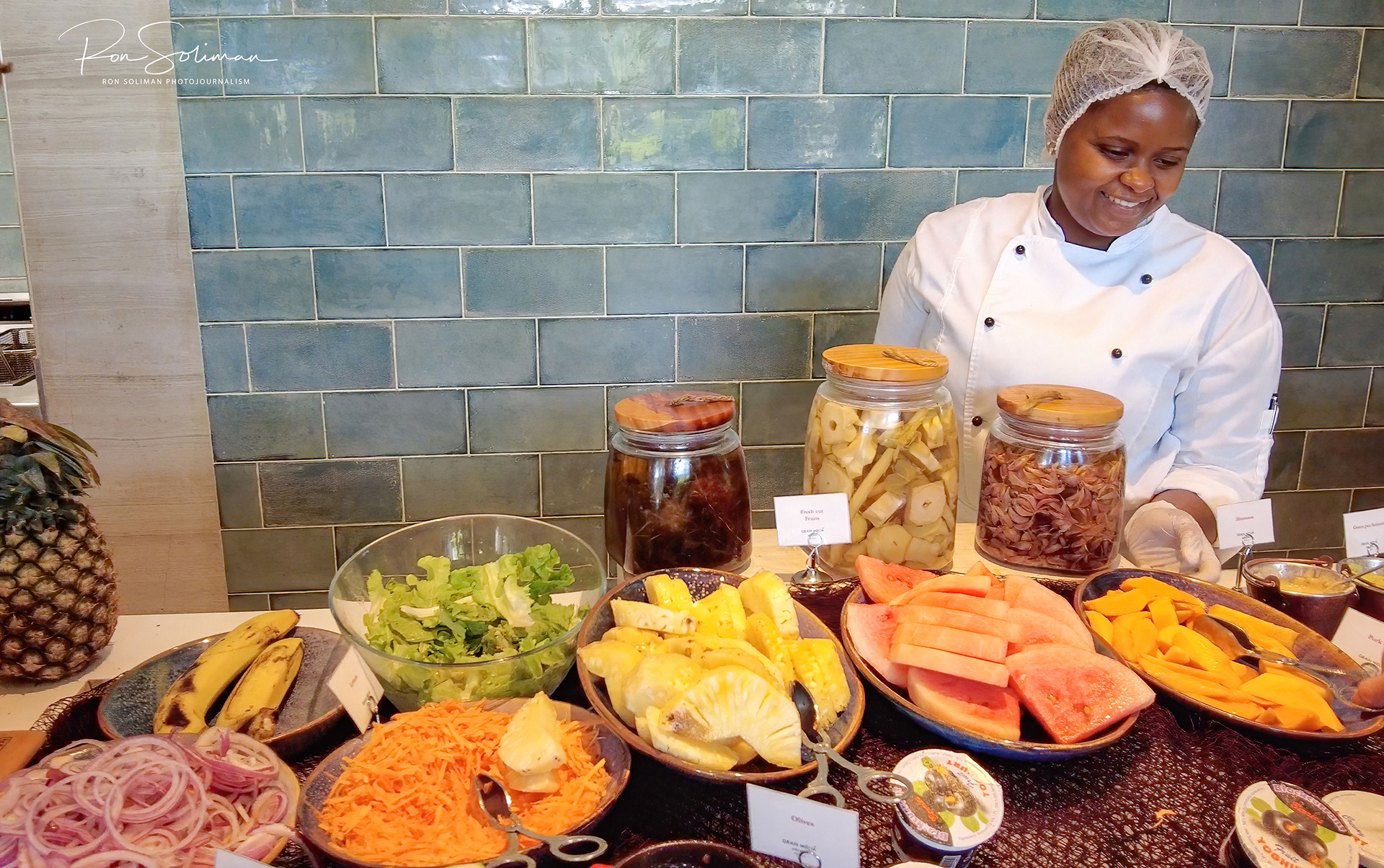
Many of these areas where the safari tours take place are some of the poor countries in Africa. Most of the workers come from local communities. And especially during the pandemic, many of them lost their jobs and income. Giving generous tips is one way of giving back to their communities and helping out their families. You will be surprised, everybody in Tanzania in the tourism service industry is top-notch when it comes to service. They truly deserved that extra tip.
Even when trying to get the right composition for that perfect shot, never forget to enjoy every moment of the experience. Then you will come home very fulfilled.
(For a limited time only, my Africa Collection Series in on SALE, check them out by clicking on the image below)
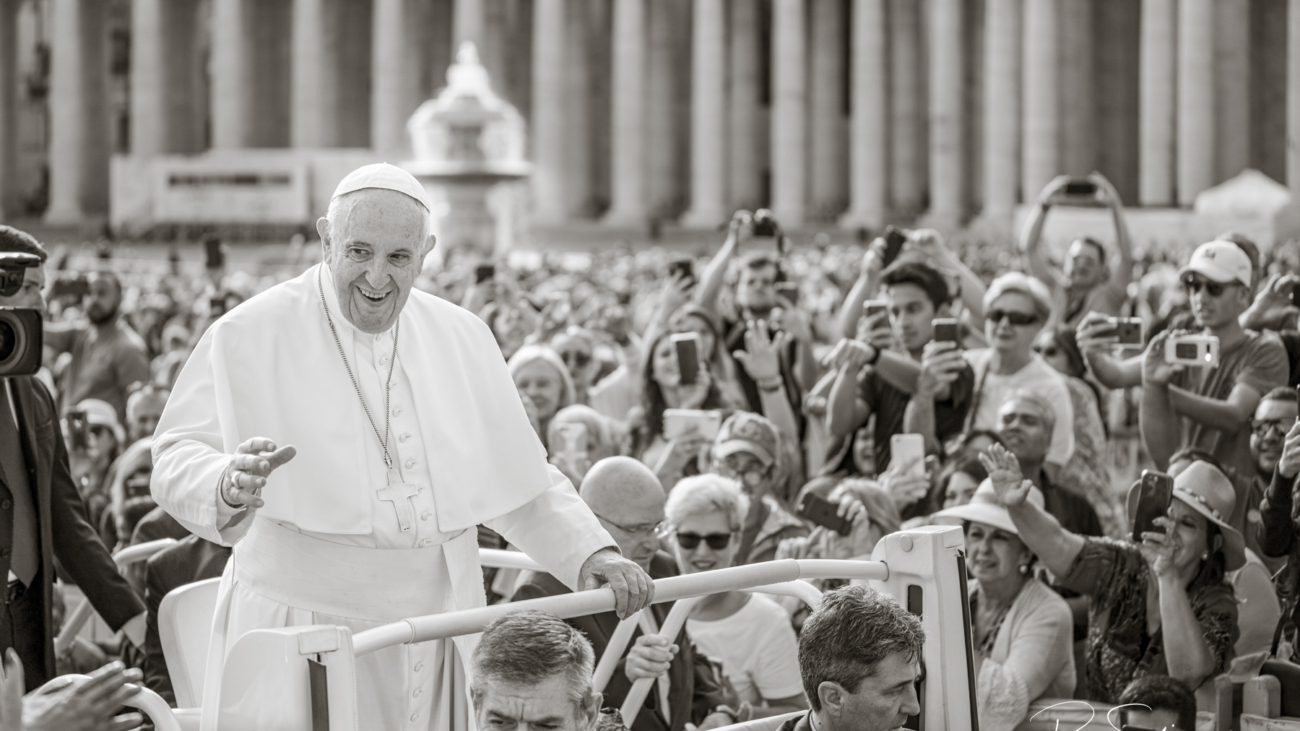
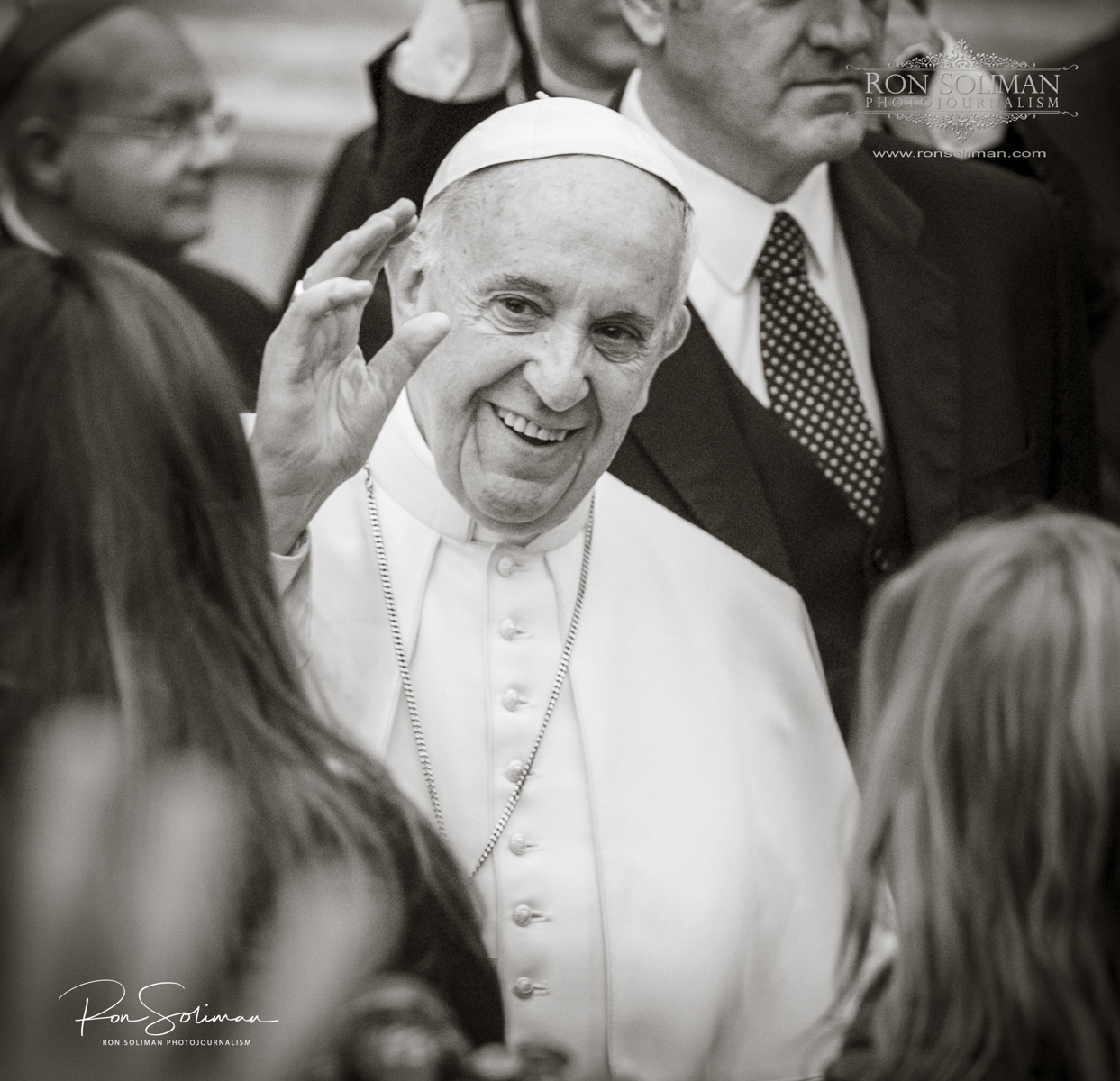
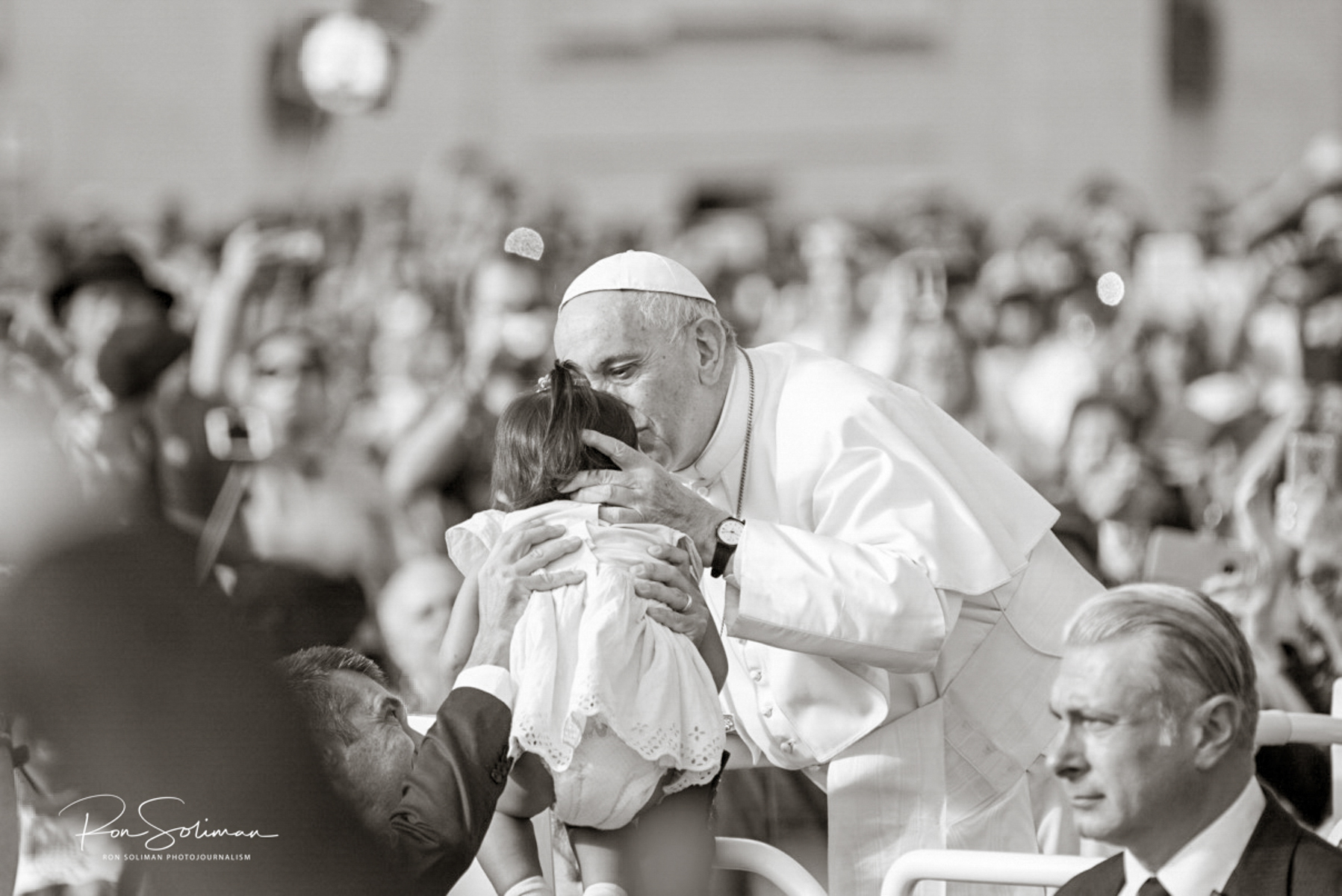
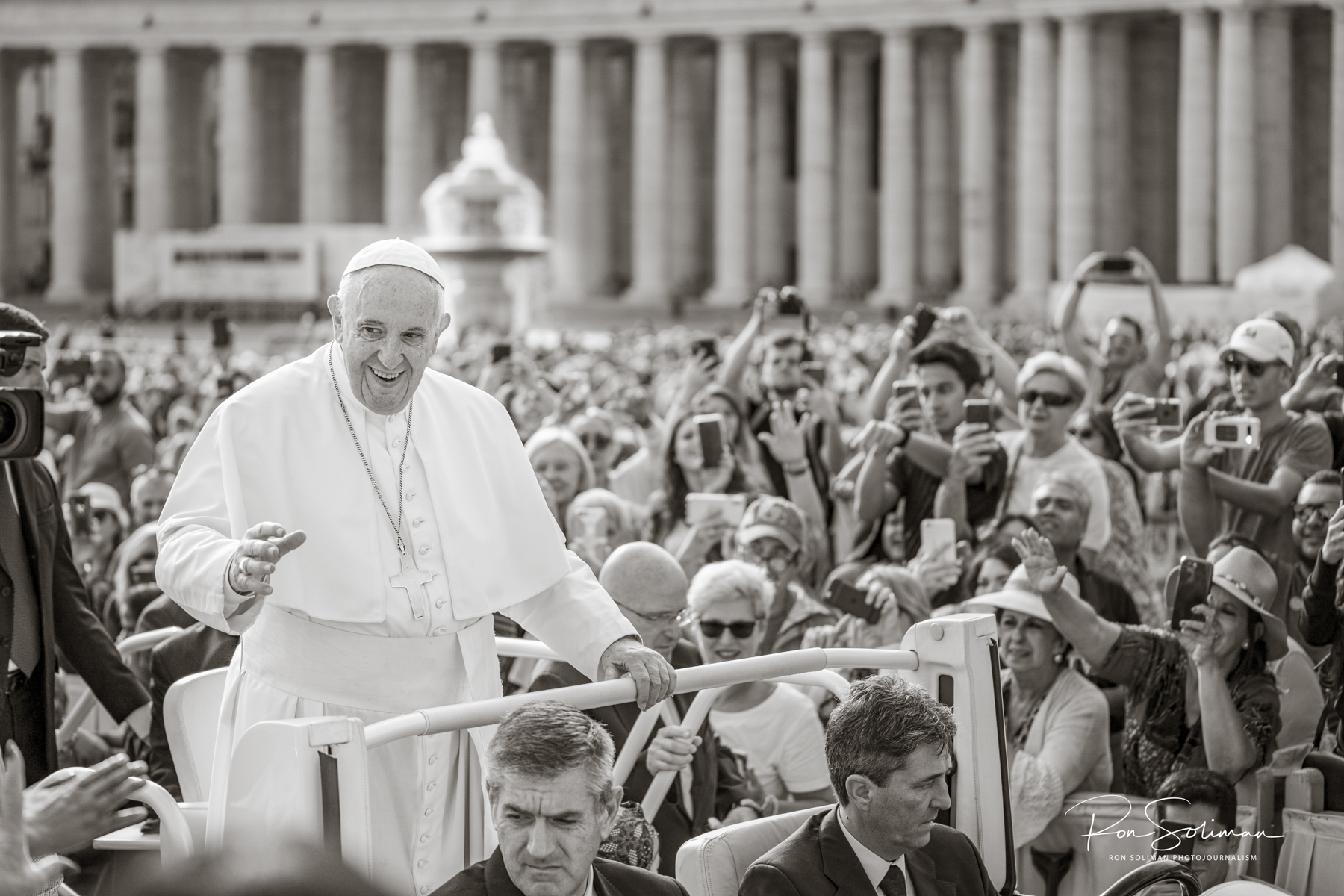
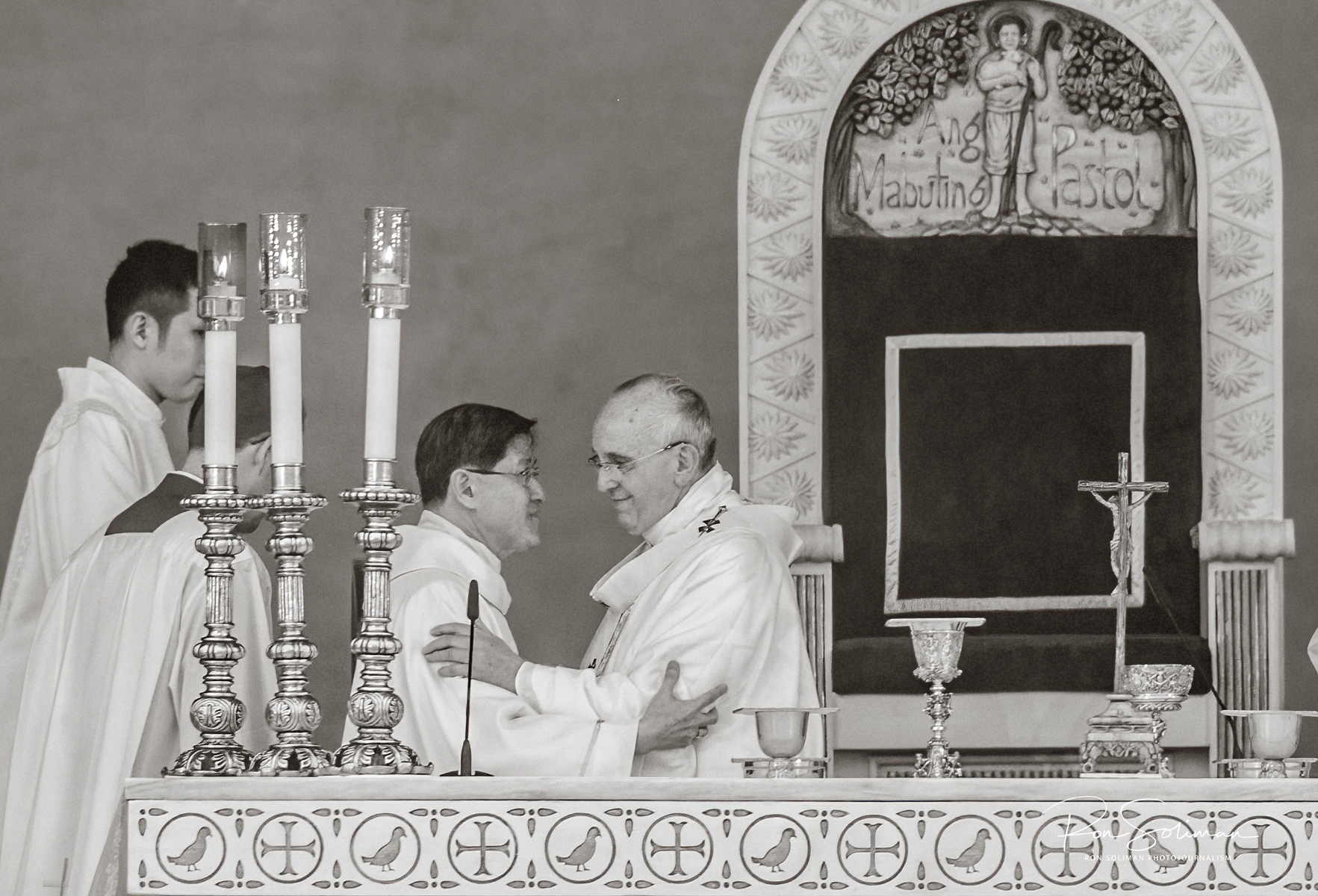
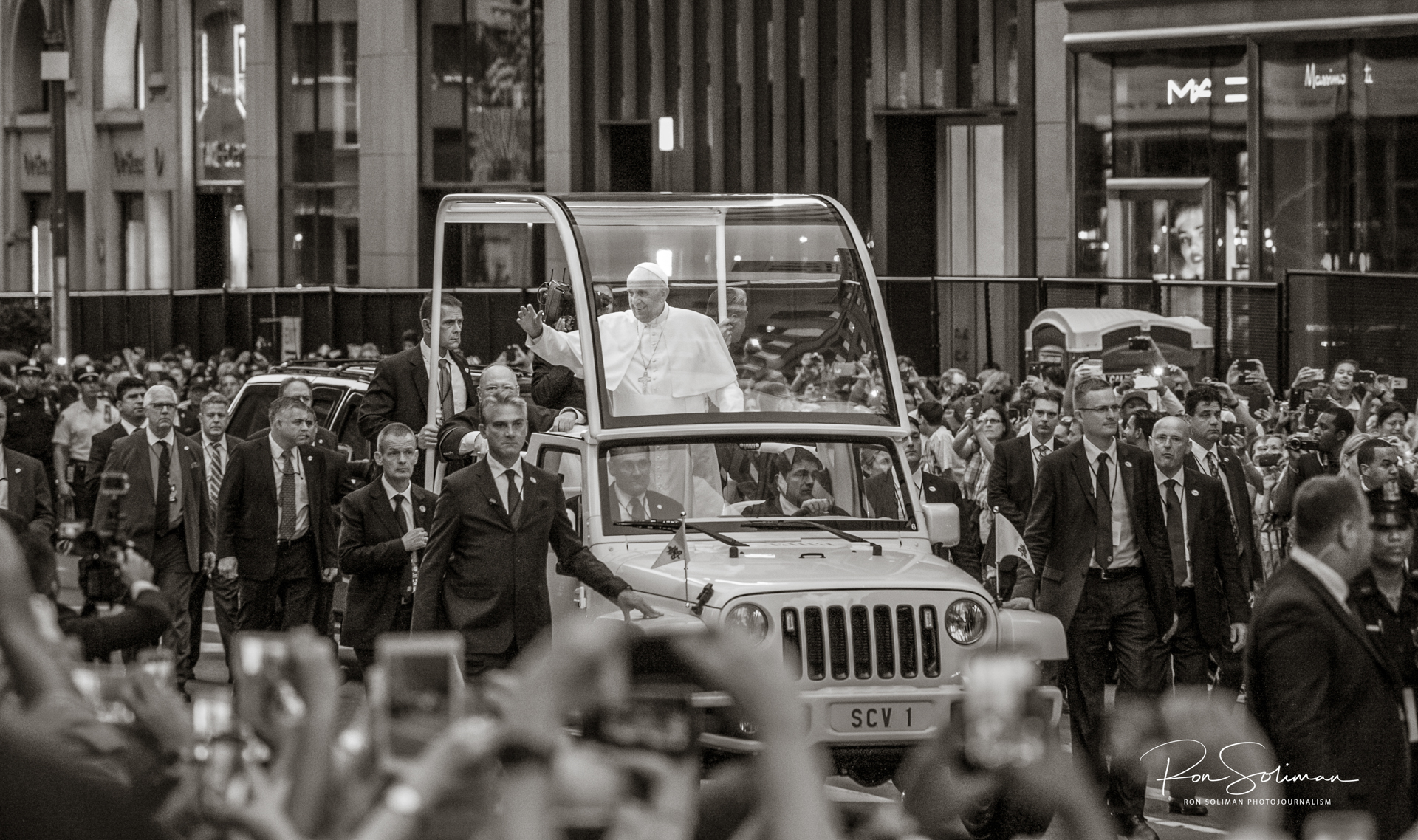
As a photographer, I had the privilege of capturing these moments of the People’s Pontiff Pope Francis: his solemn visit to the 9/11 Memorial, the vibrant welcome in the Philippines, and the serene Papal audience in the Vatican. Today, we remember his extraordinary life and legacy.
Rest in Peace Pope Francis…
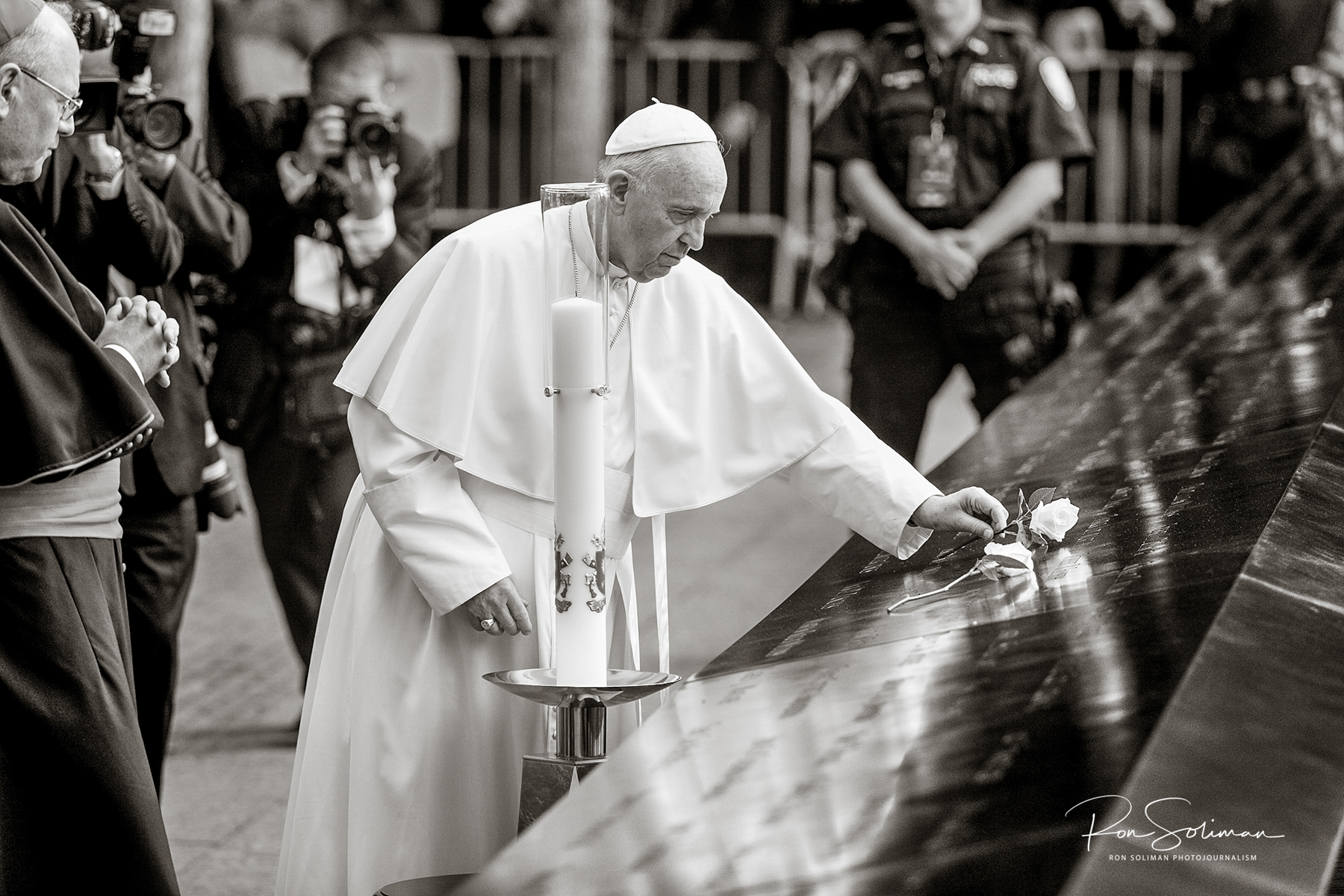
I can attest, photographing this scene gave me goosebumps – Pope Francis lays a white rose, a symbol of peace and remembrance, at the South Pool of the 9/11 Memorial in New York City, honoring the victims of the attacks.
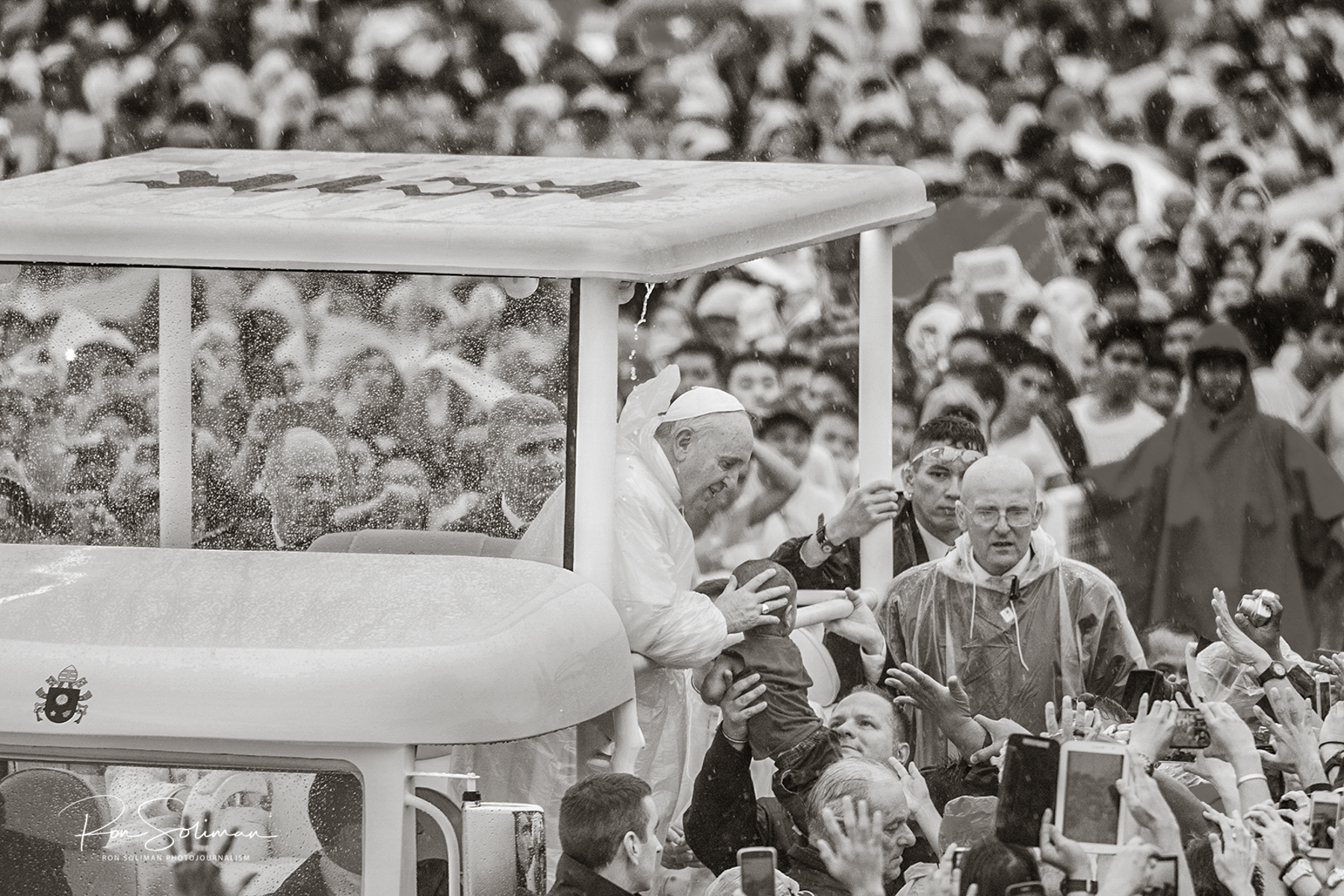
Despite the torrential rain that soaked my cameras, even losing one entirely, capturing this moment of Pope Francis blessing a child during his historic visit to the Philippines made it all worthwhile. A powerful image of faith amidst the storm.
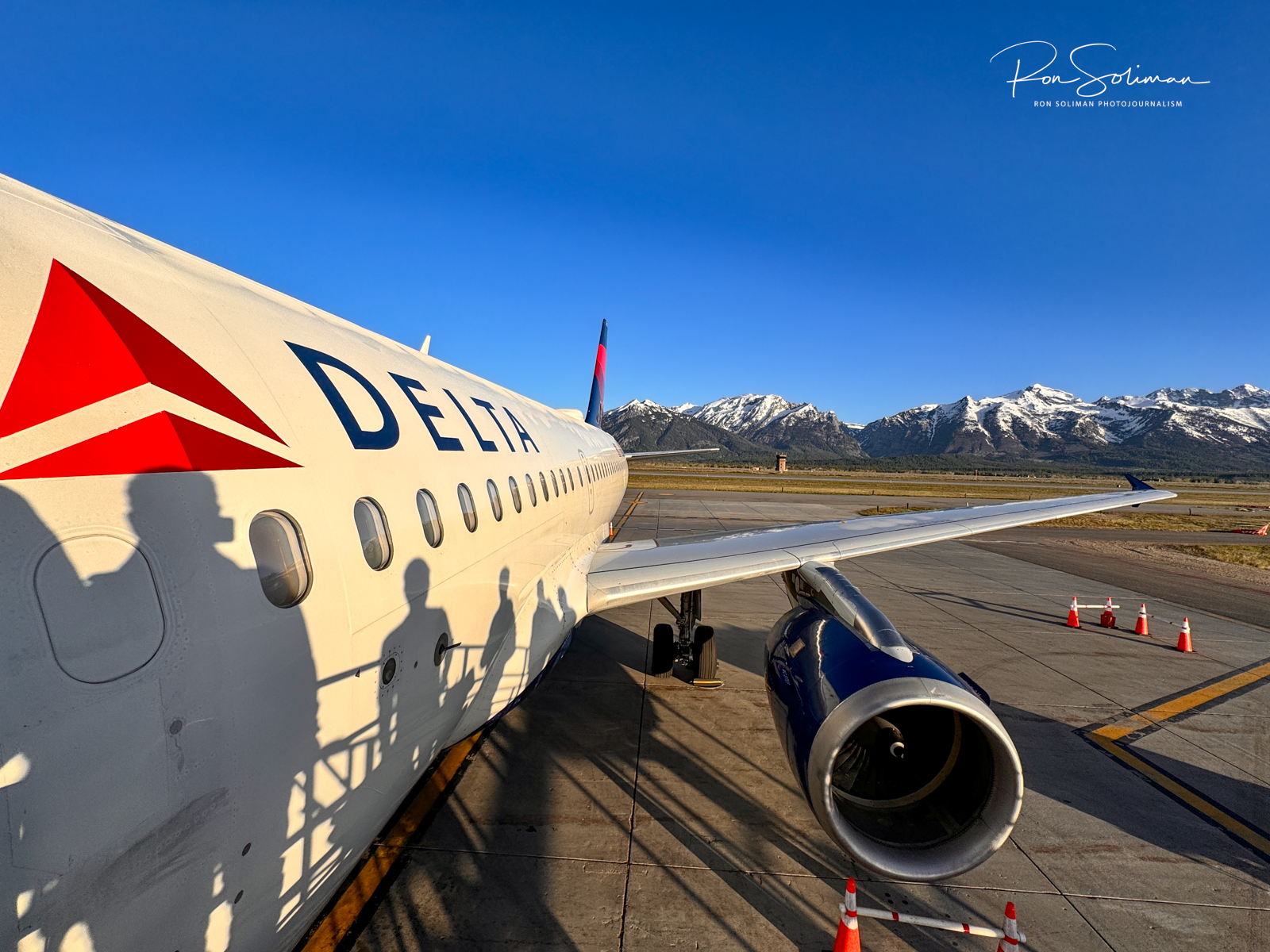
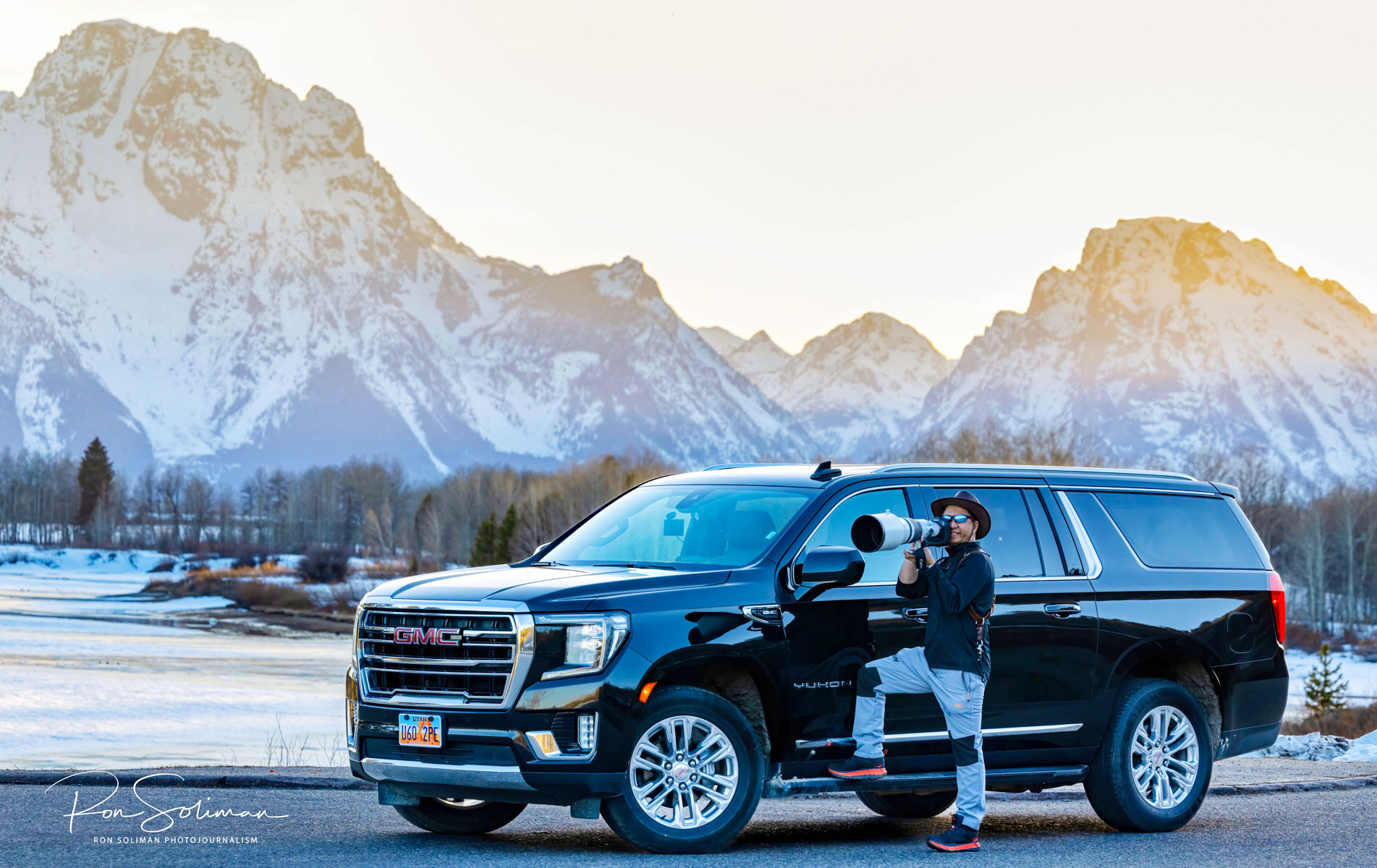
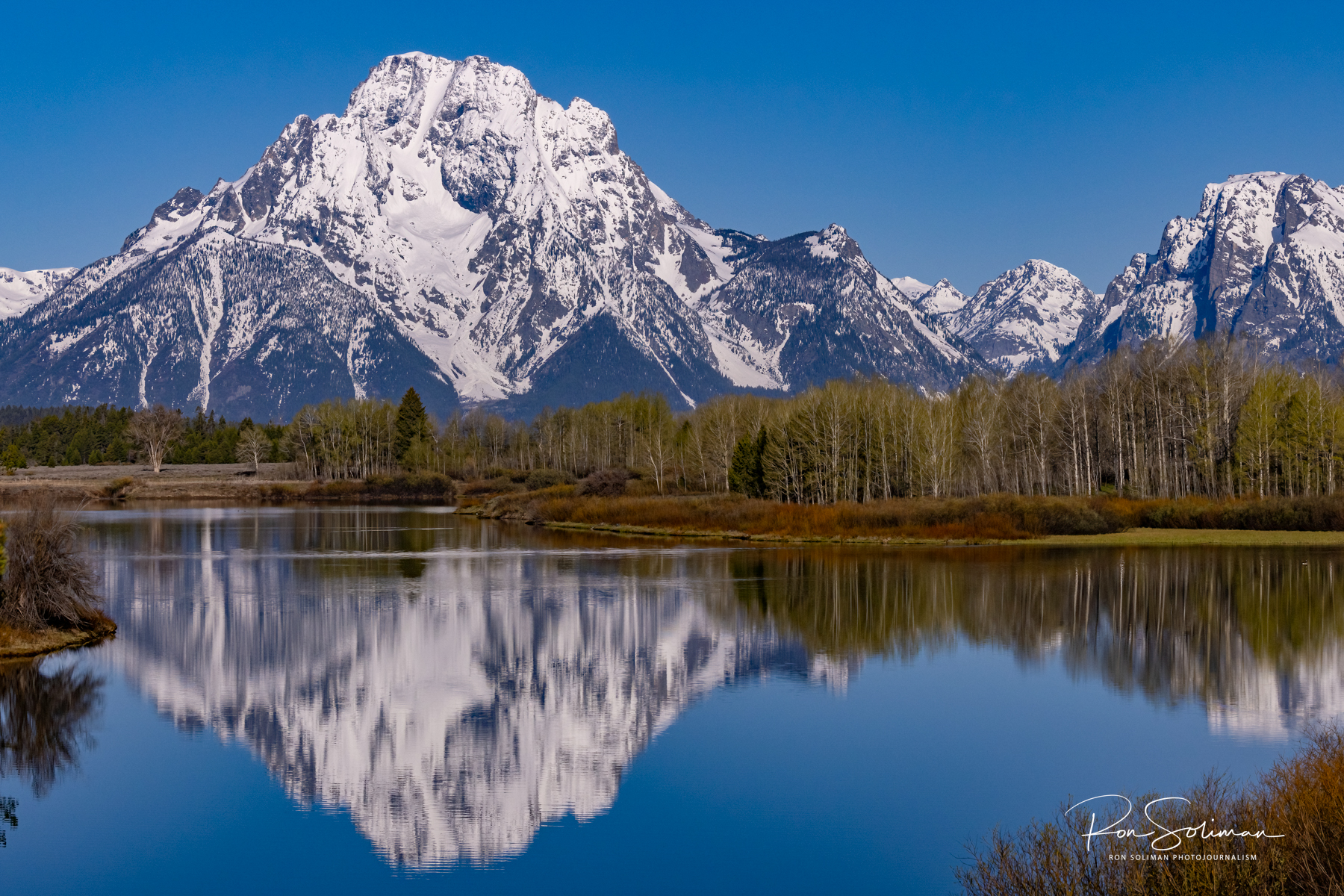
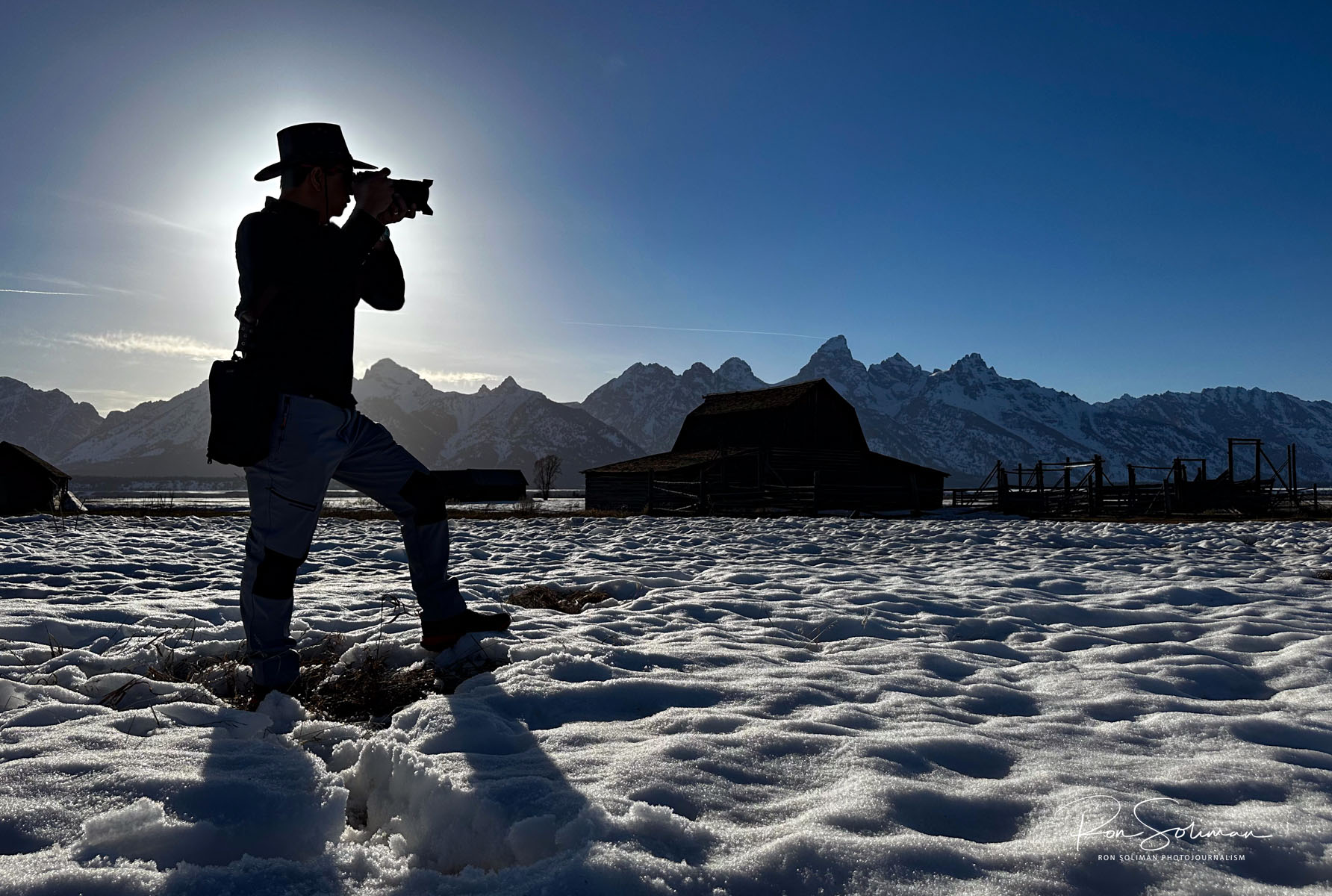
Wyoming and Montana—just the names spark images of rugged landscapes, breathtaking views and untamed wilderness. As a travel photographer, I recently set out on an incredible photographic journey through these states, aiming to capture the true spirit of Grand Teton and Yellowstone National Parks.
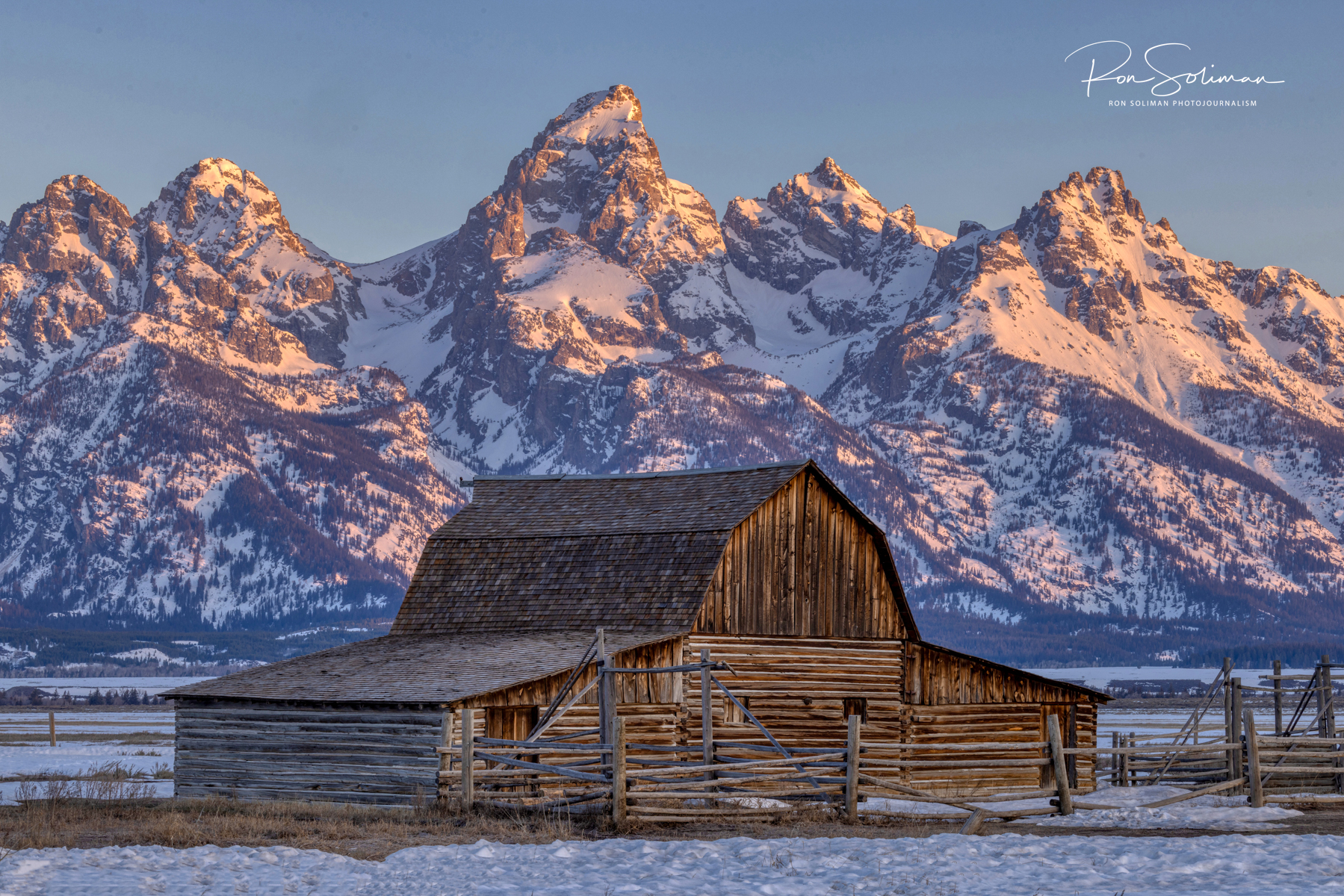
The scenery is nothing short of spectacular. Photographing the snow-capped Tetons mirrored in a crystal-clear lake felt surreal. Not to mention I stood on the same spot where legendary photographer Ansel Adams when he shot the famous 1942 black and white picture of the snake river with the Tetons in the background. Then ofcourse there’s the Moulton Barn, an iconic piece of the American West from 1900. Known as the “most photographed barn in the US,” it showcases the region’s charm and history, making it an essential stop for any photographer.
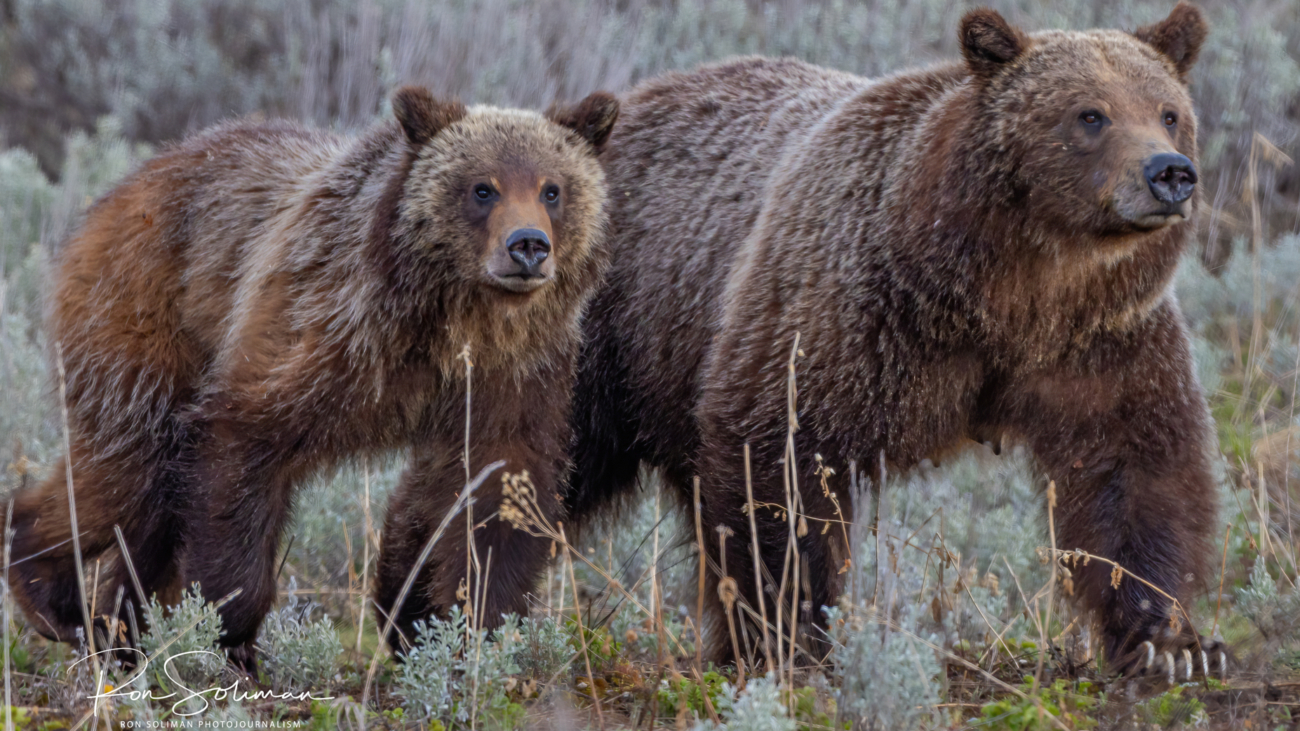
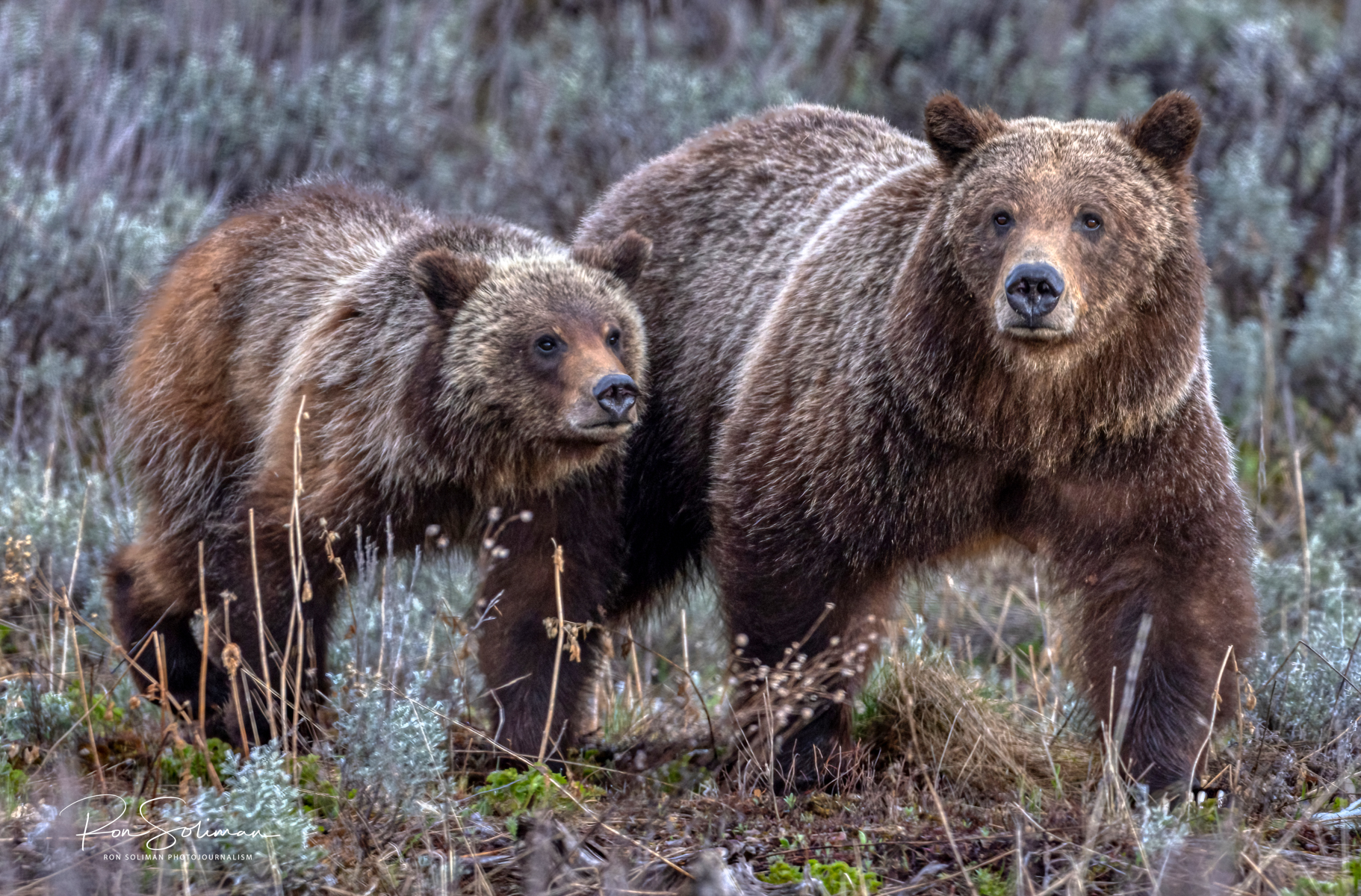
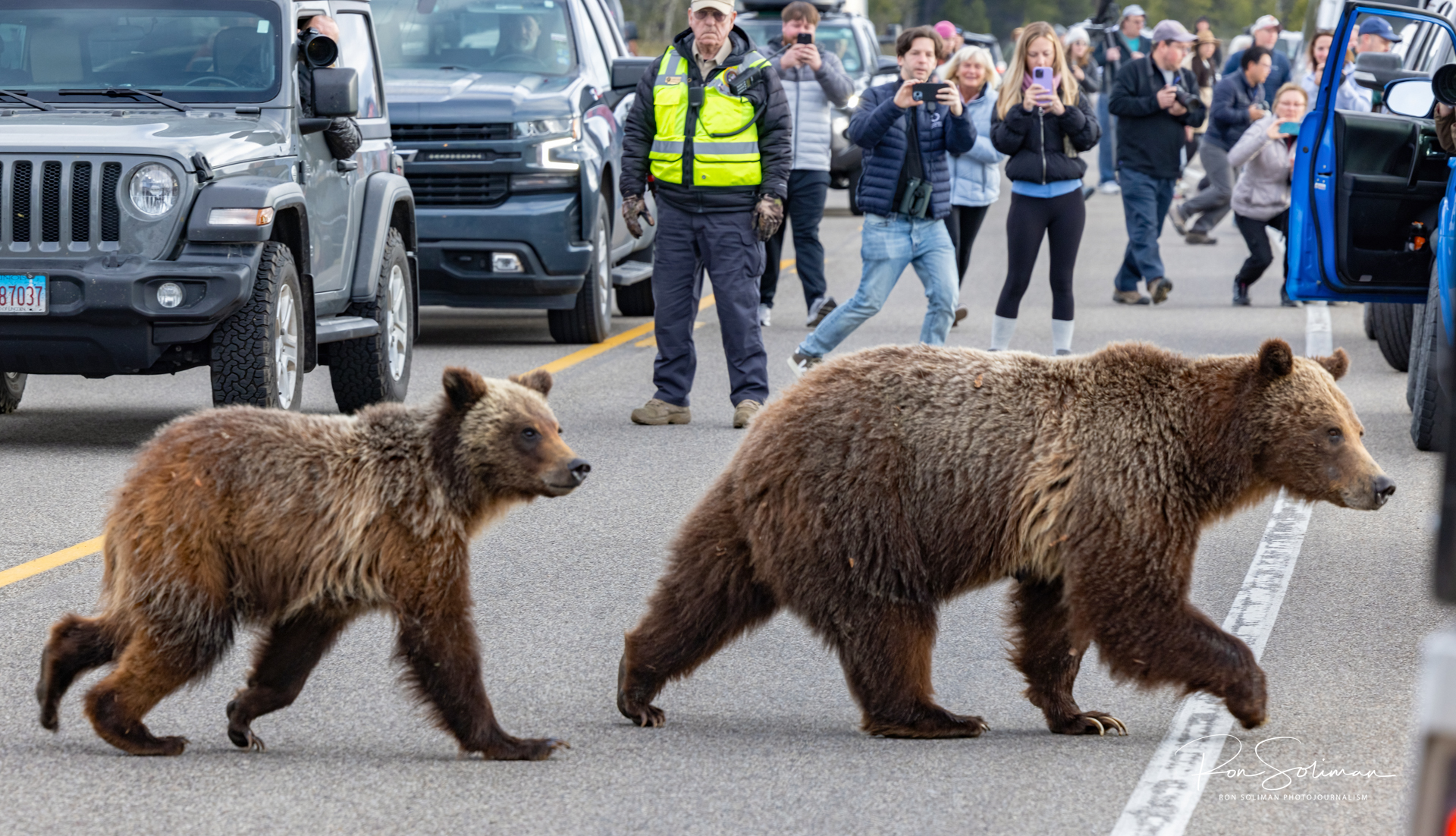
But the real magic of my trip unfolded in my wildlife encounters. I spent days hoping to catch a glimpse of Grizzly Bear 399, the legendary “Queen of the Tetons.” When she finally emerged from her winter den with her playful cub, it was a breathtaking moment that I was fortunate enough to capture in a photograph for what would turn out to be the last time. Discover the reasons below for why this was the final opportunity to see Grizzly Bear 399.
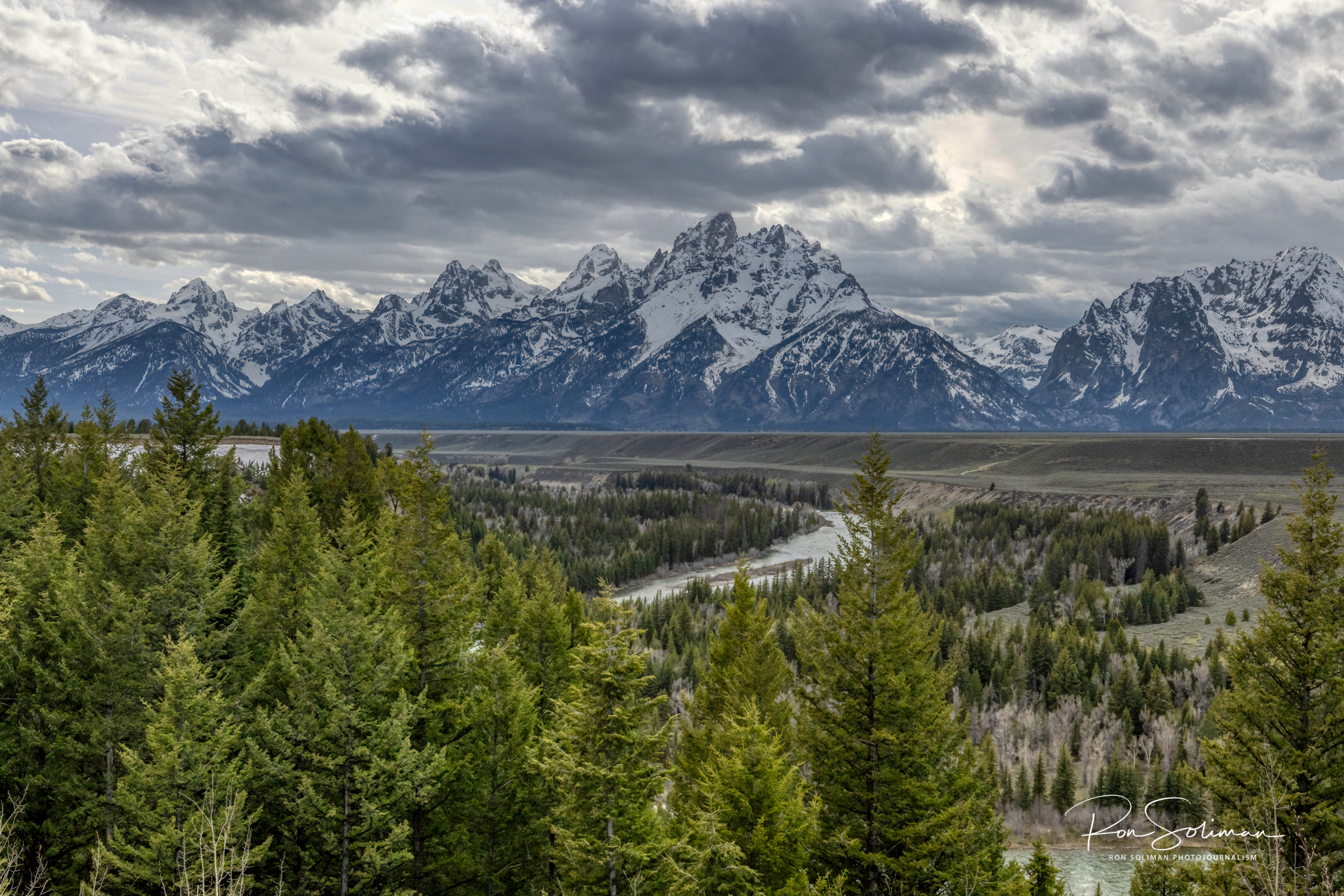
I felt a powerful urge to return to Grand Teton and Yellowstone to seek out and photograph the legendary Grizzly Bear 399 and her new cub. Little did I know that this would be my last opportunity to do so. Known as the “Queen of Grand Teton,” Bear 399 was 28 years old, making her the oldest recorded grizzly bear mother in the Greater Yellowstone Ecosystem to successfully reproduce. Tragically, just a few months after I took these photos, I learned that Bear 399 passed away after being struck by a vehicle. Rest in peace, 399. Thank you for gracing us with your presence for so many years and for inspiring a profound appreciation for wildlife stewardship and conservation. You will be dearly missed.
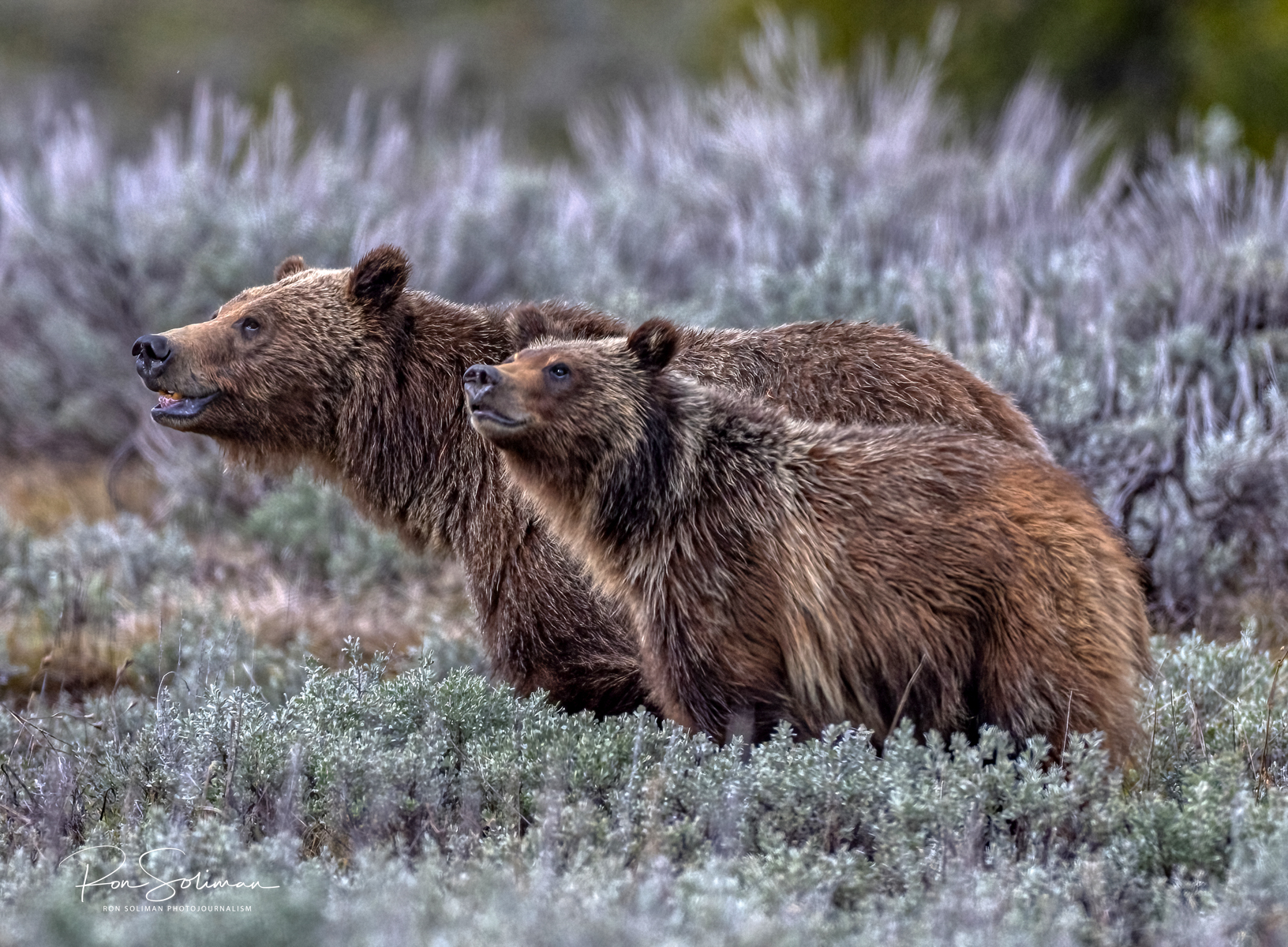
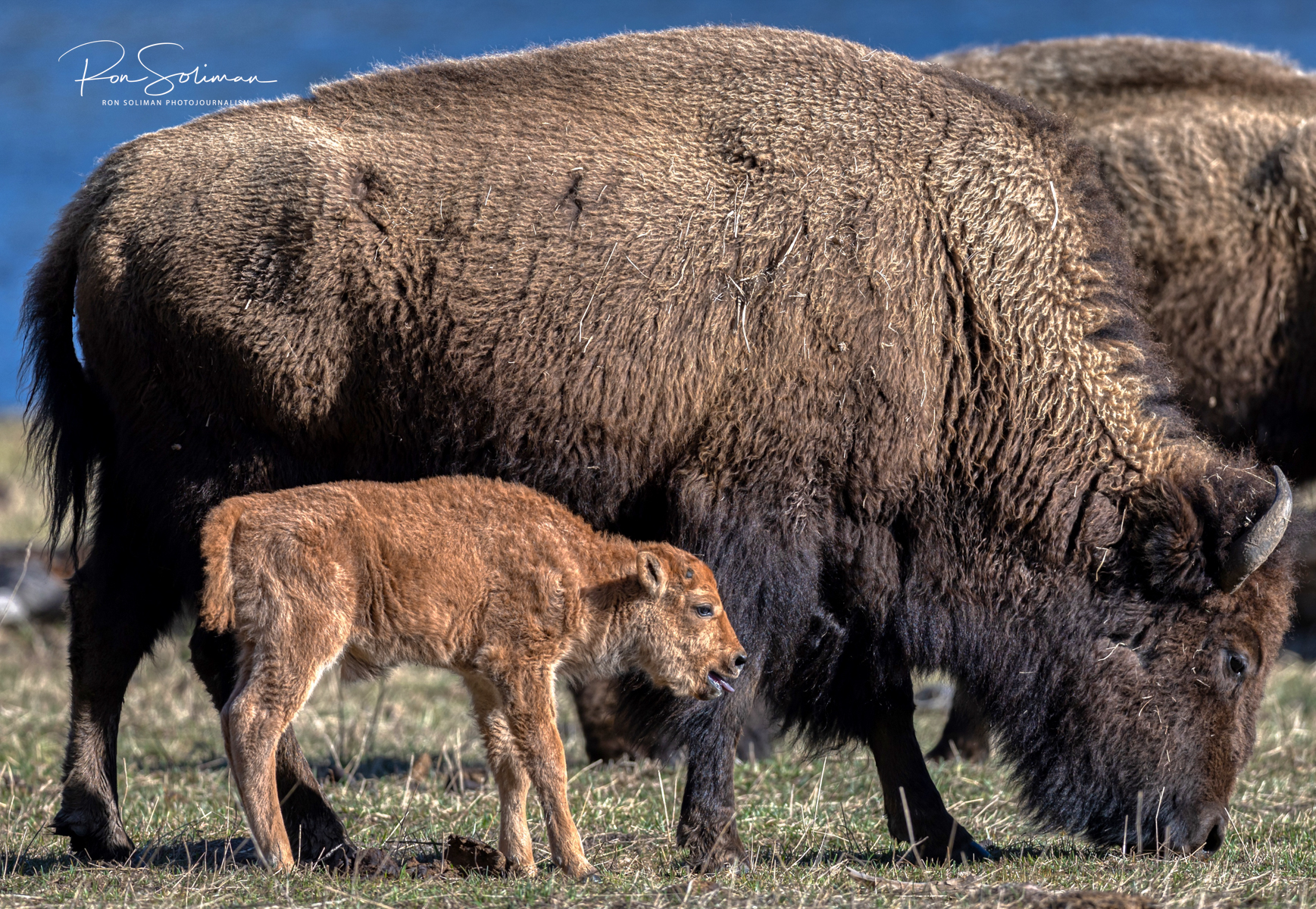
As I ventured into Yellowstone—the first national park in the U.S.—the landscape unfolded like a dynamic canvas. Vibrant meadows, bubbling geysers, winding rivers, and stunning waterfalls created a masterpiece of nature. Traveling through Lamar and Hayden Valleys, I witnessed huge herds of bison thundering across the plains. A rare sighting of a black wolf sent chills down my spine, and I even came across a grizzly bear scarfing down a carcass while keeping an eye out for other predators looking to steal a meal. In this wild sanctuary, the balance of predator and prey was on full display, reminding me of nature’s raw power.
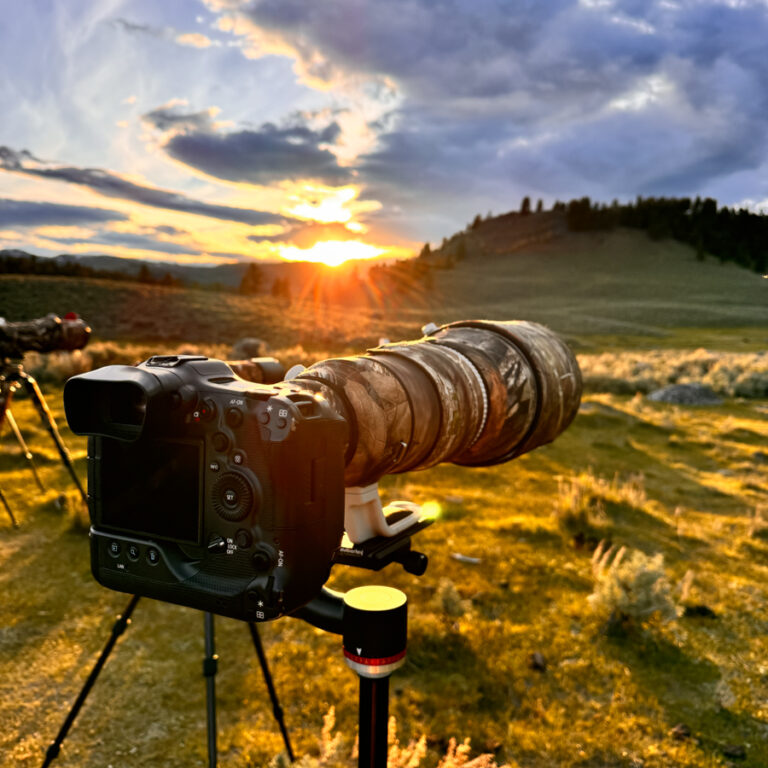
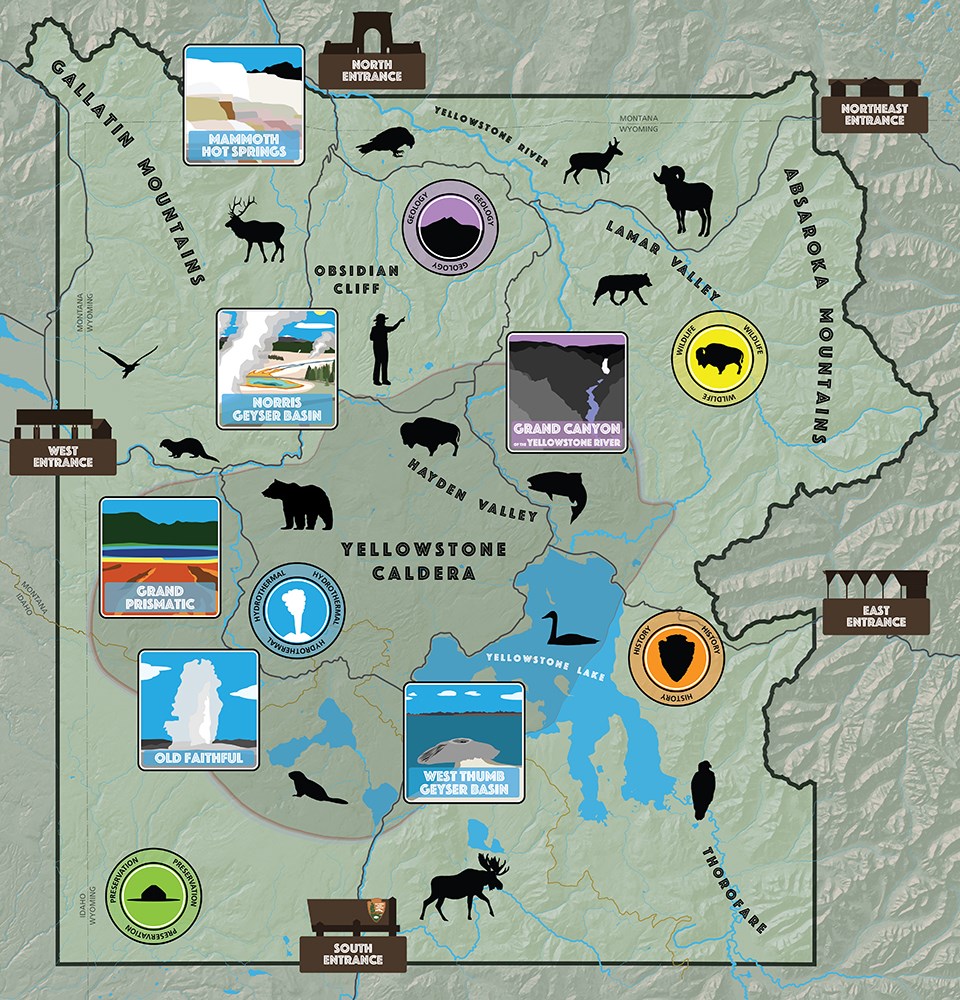
Here’s an overview map of the Yellowstone National Park and some of the key locations to see wildlife.
Source: National Park Service (Click on the map above to see more info)
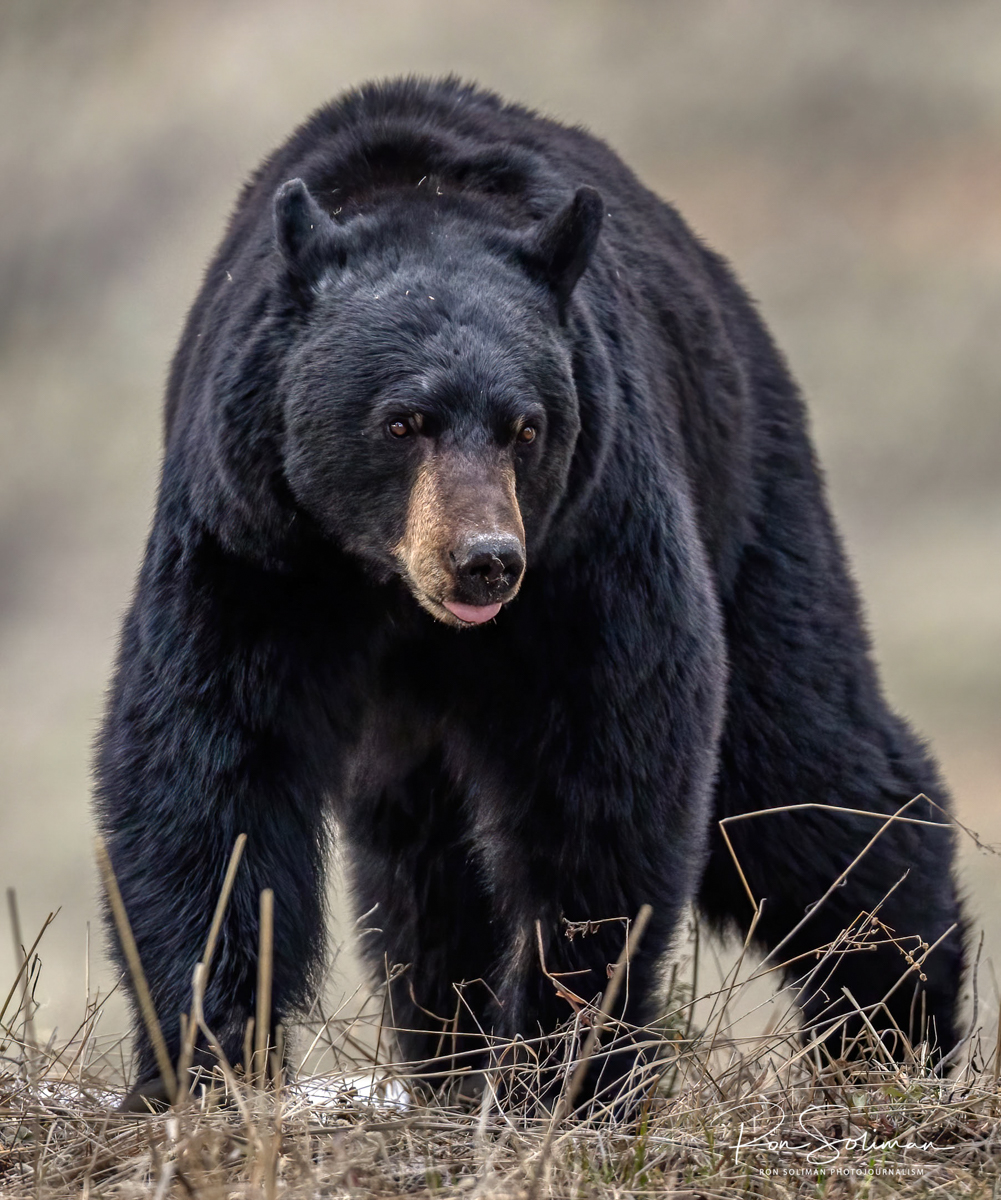
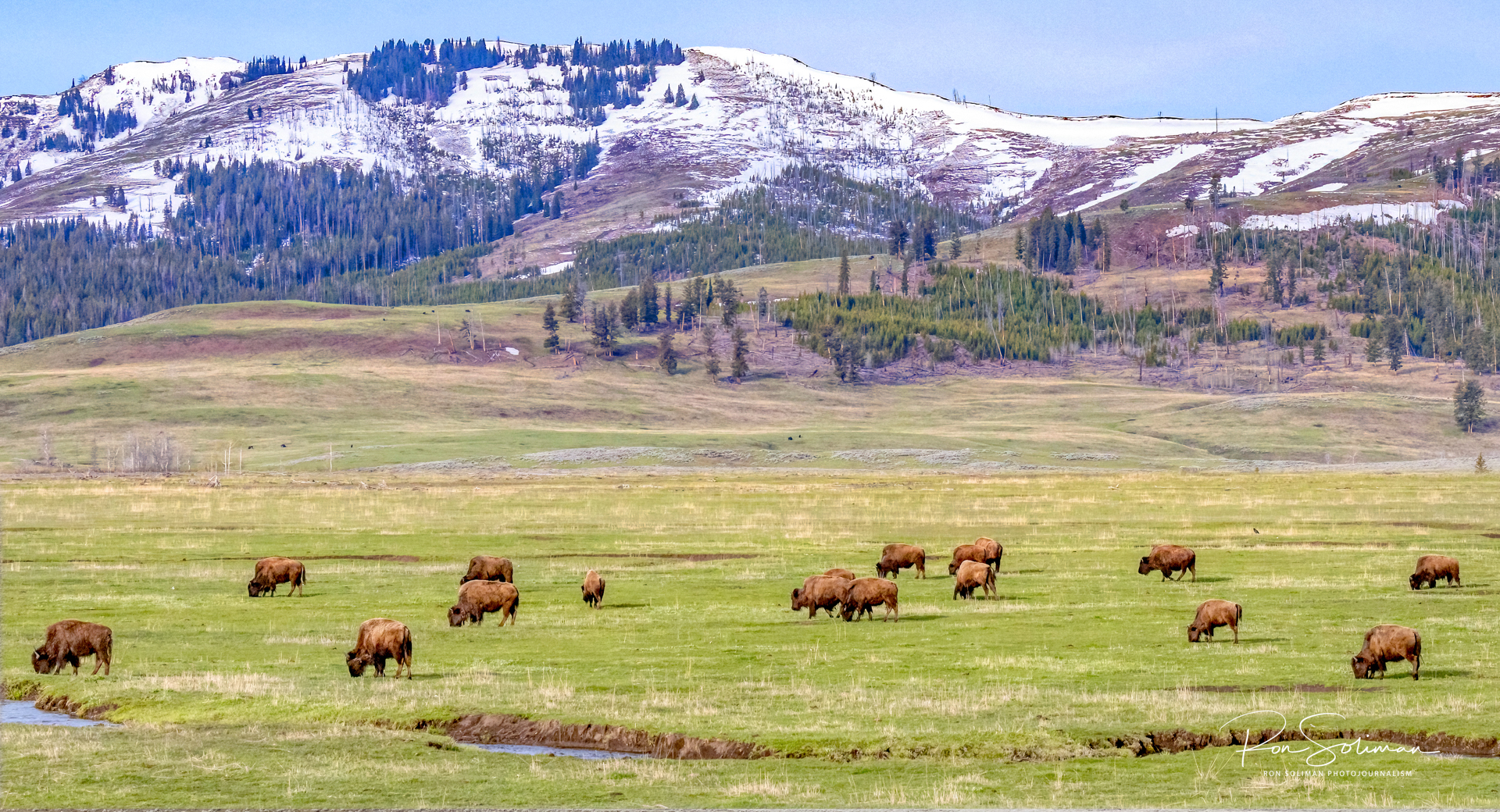
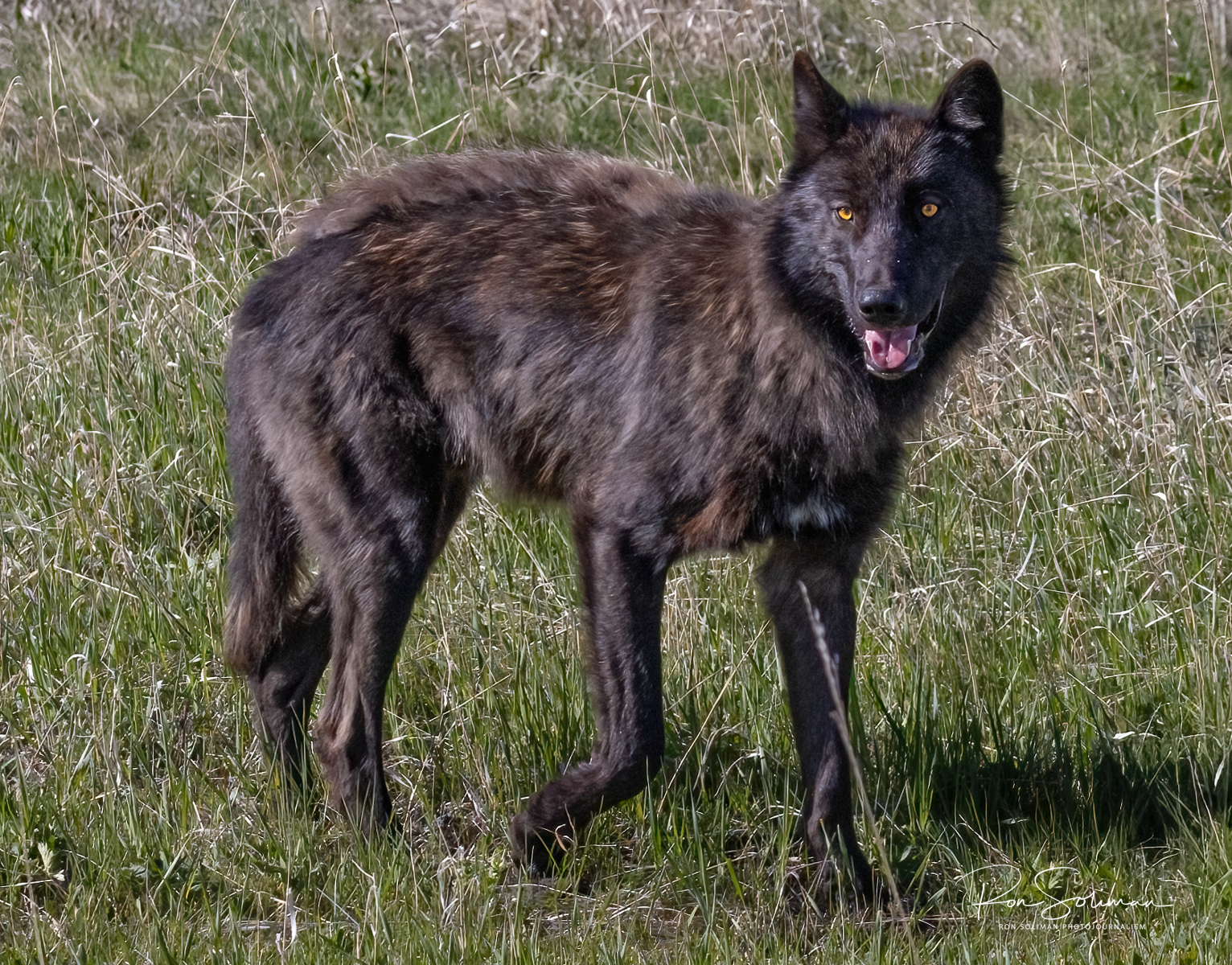

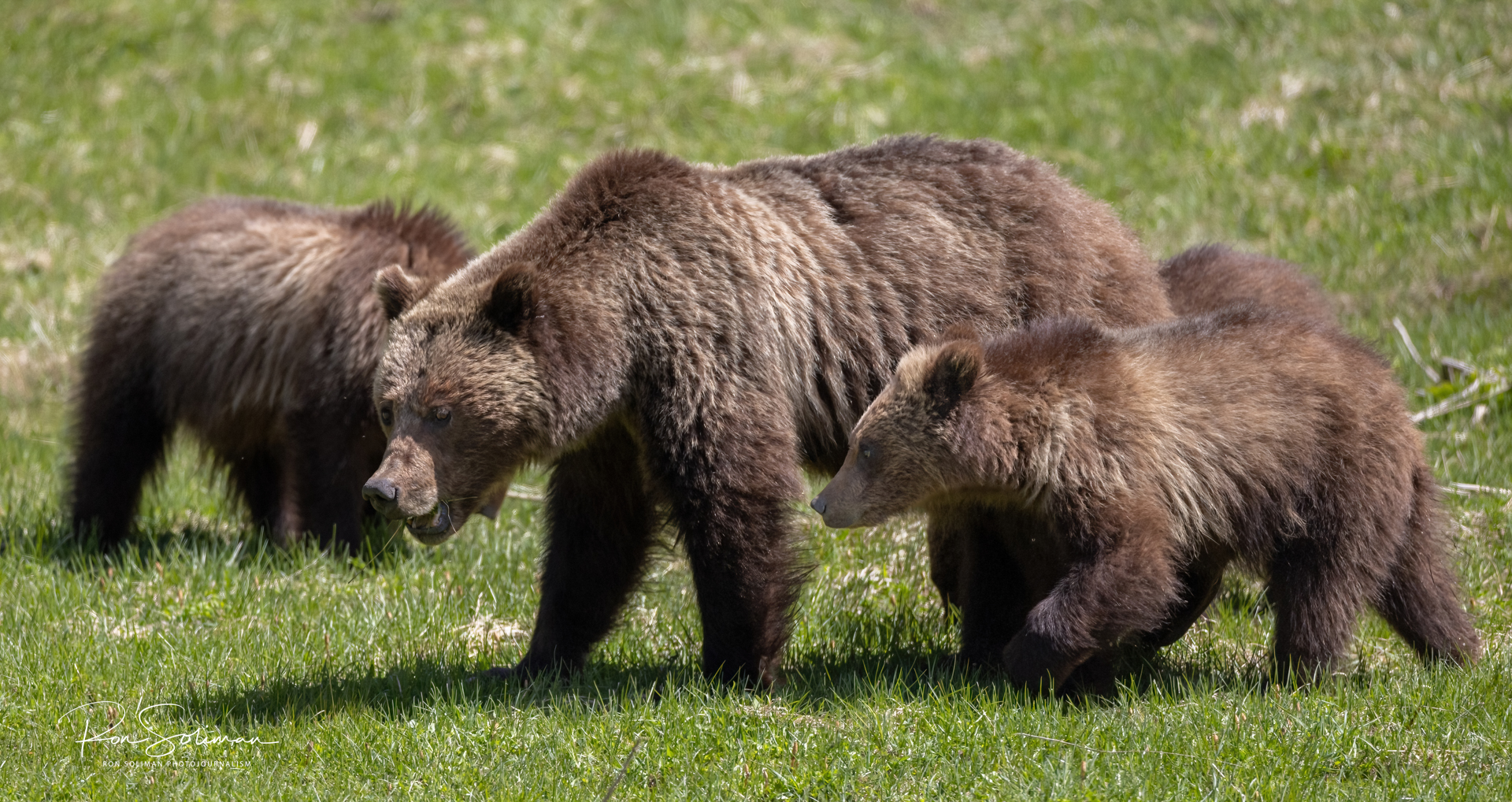
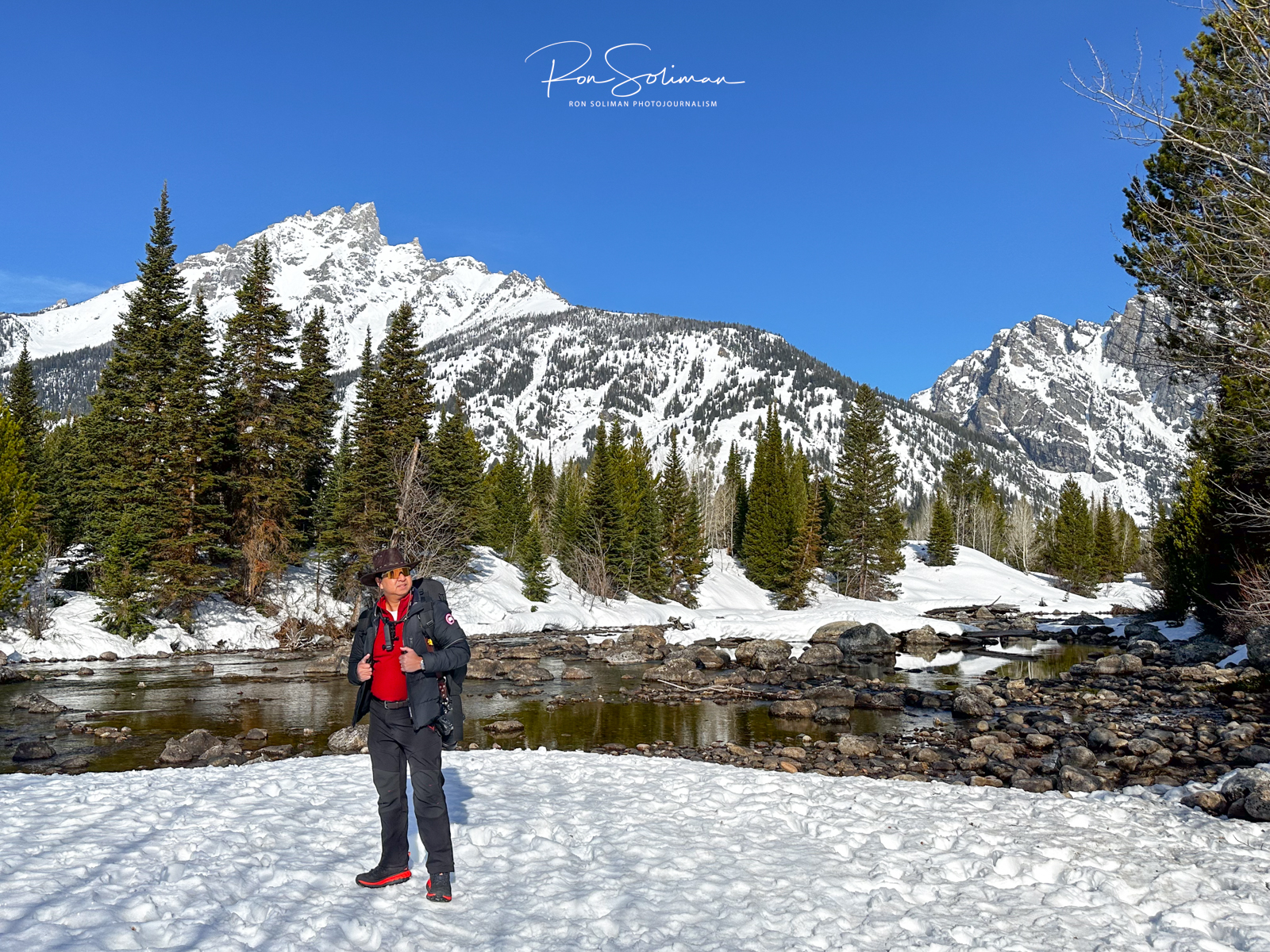
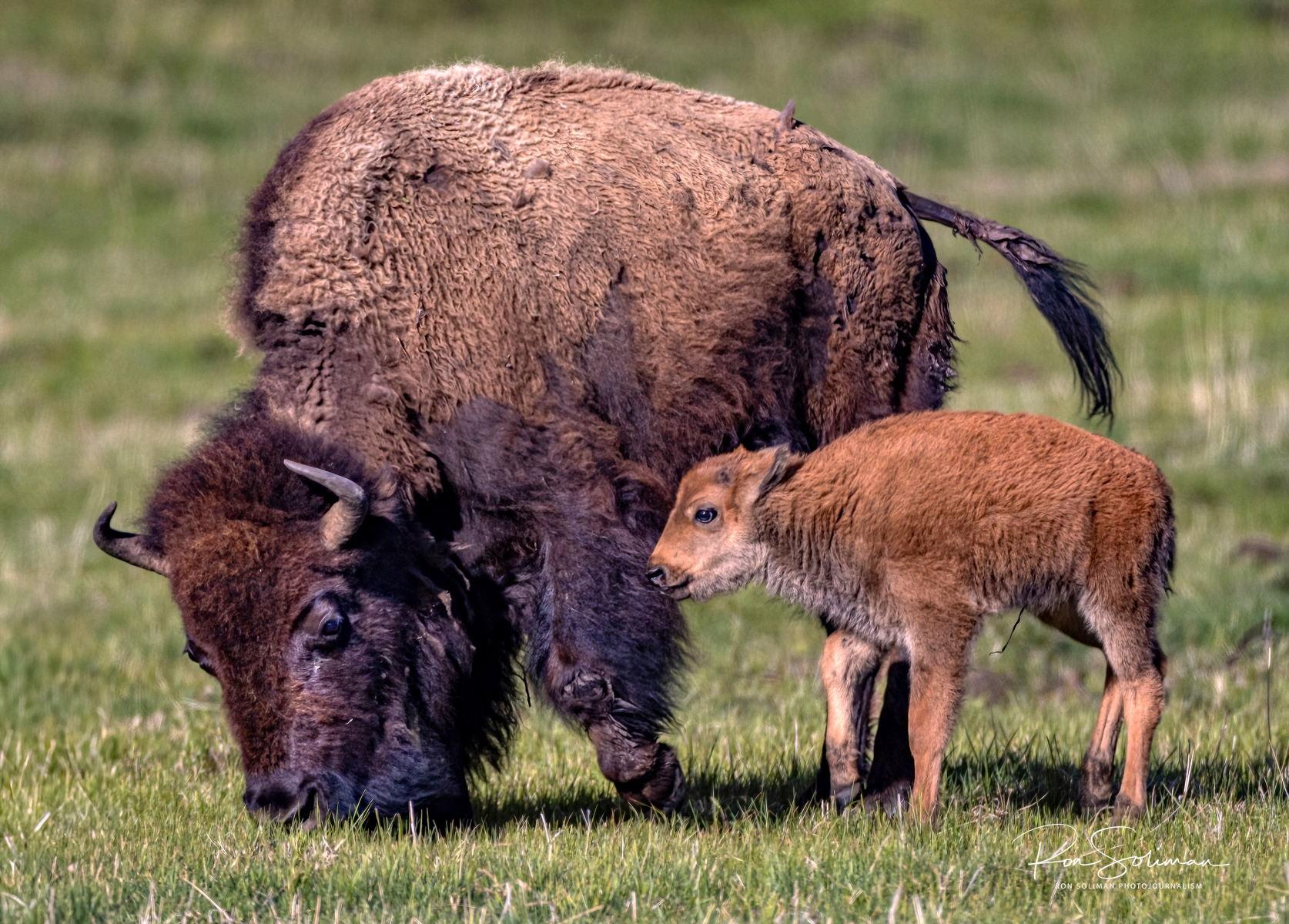
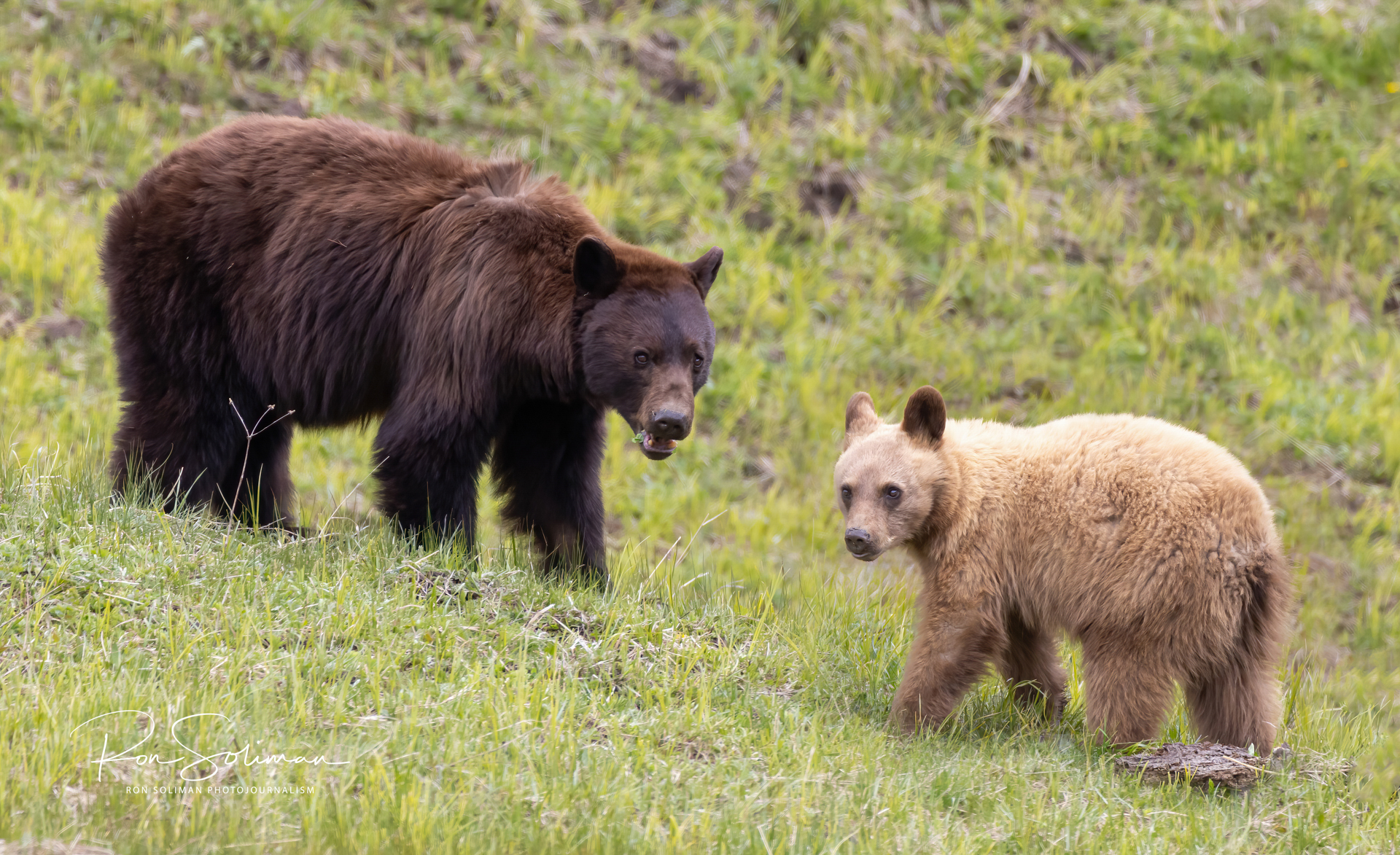
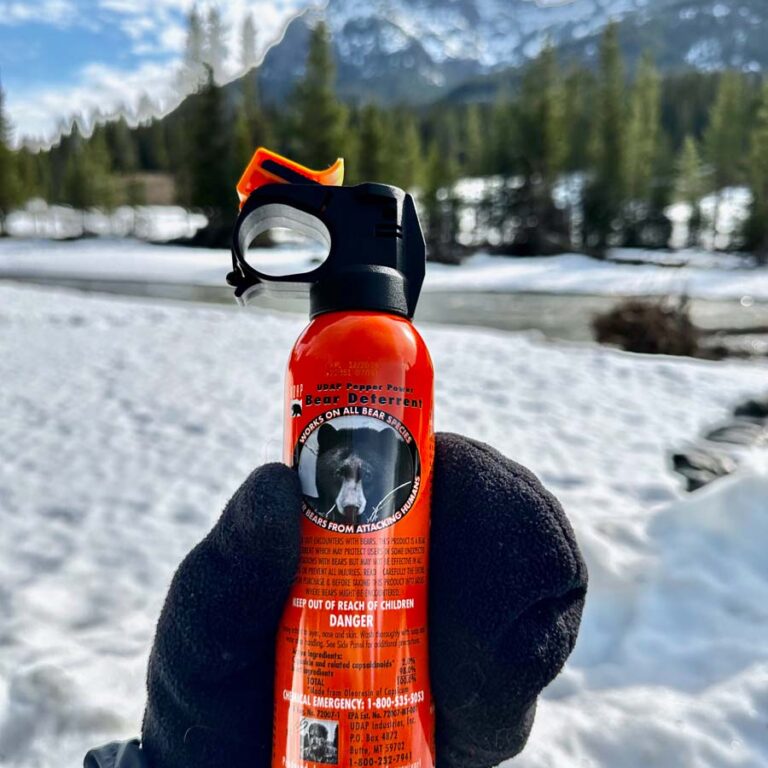
Bear Spray – I hope I never have to use this, but it’s a vital safety precaution to have on hand. A photographer’s essential when exploring Yellowstone and capturing photos of grizzly bears in the wild
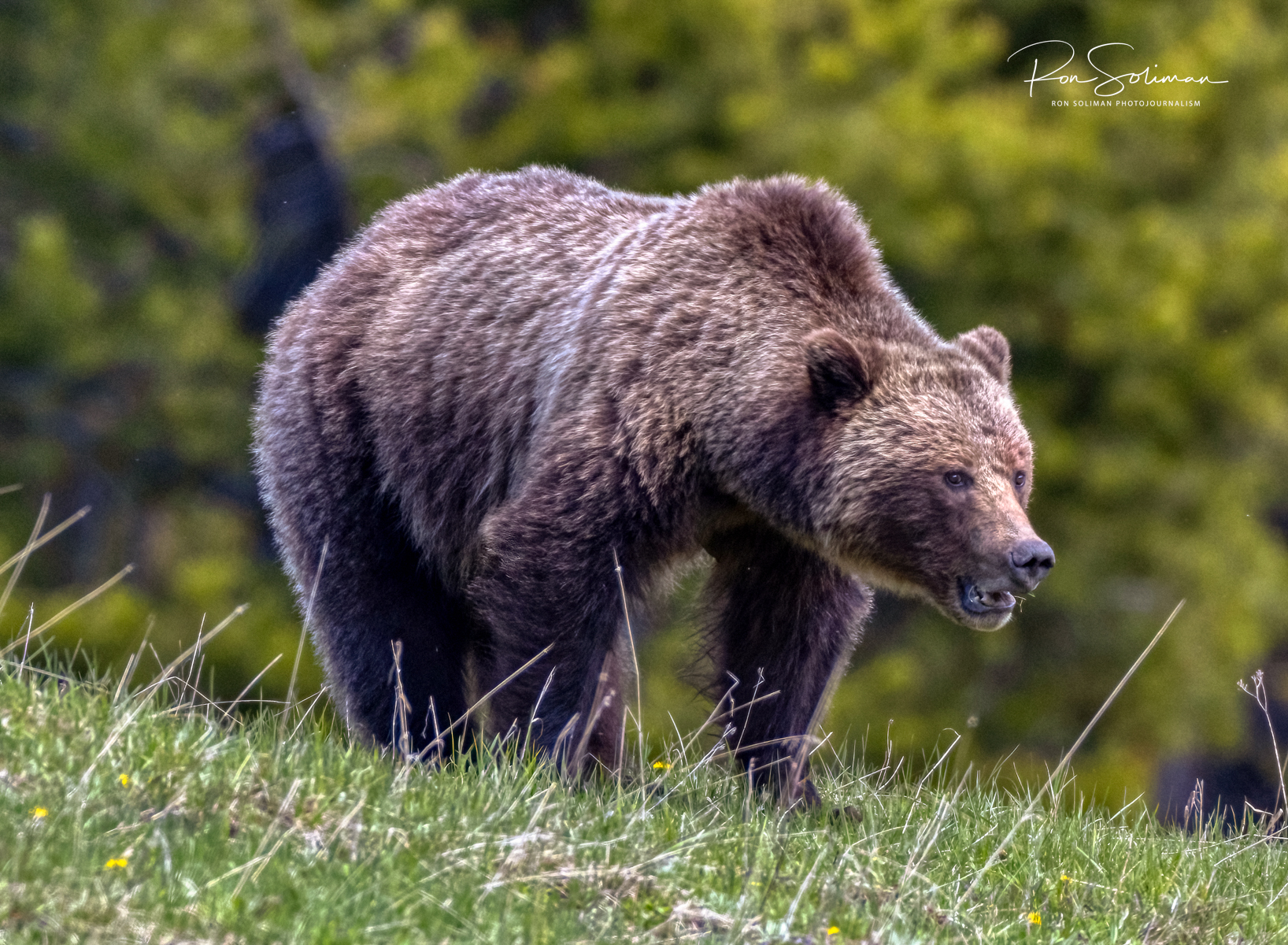

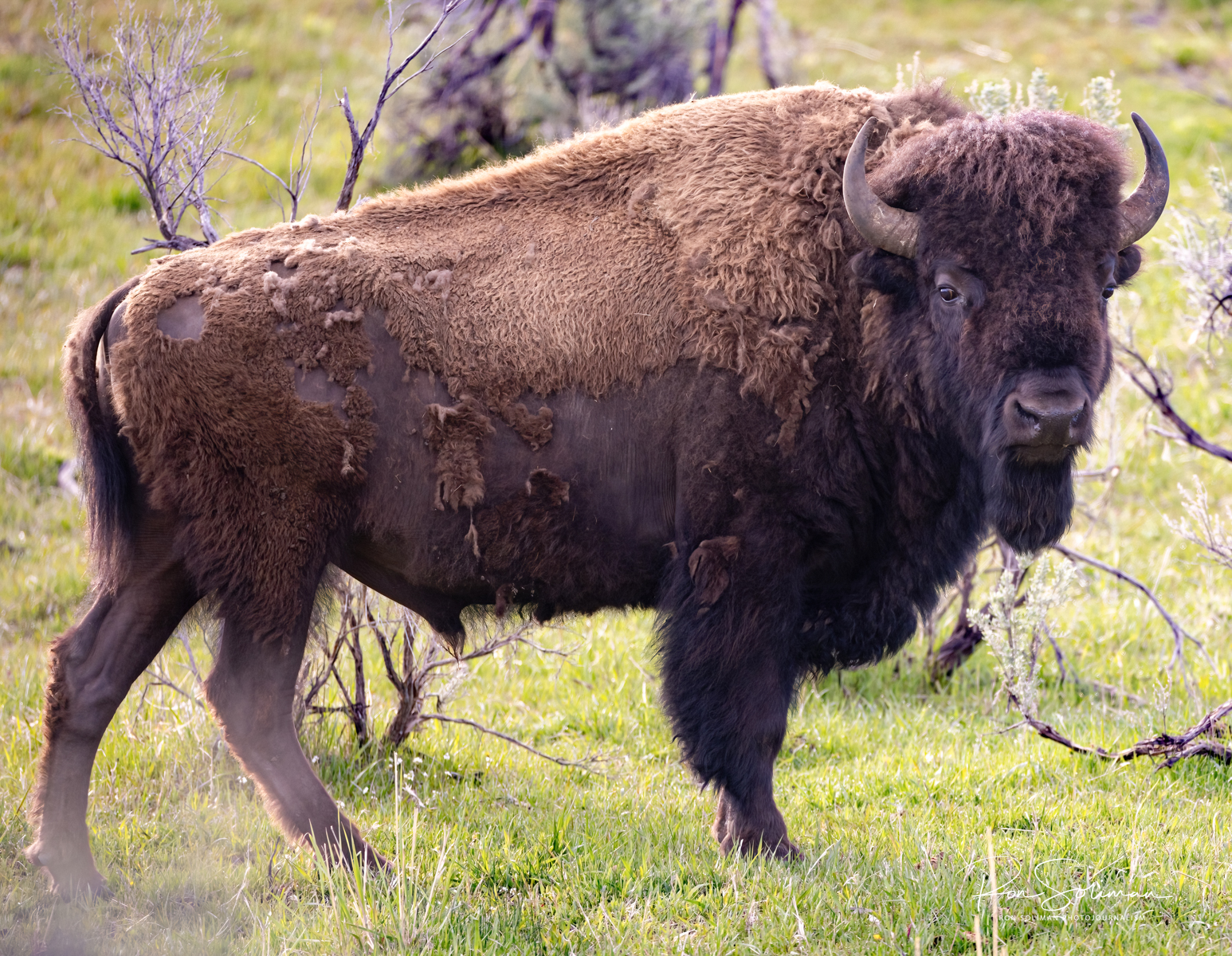
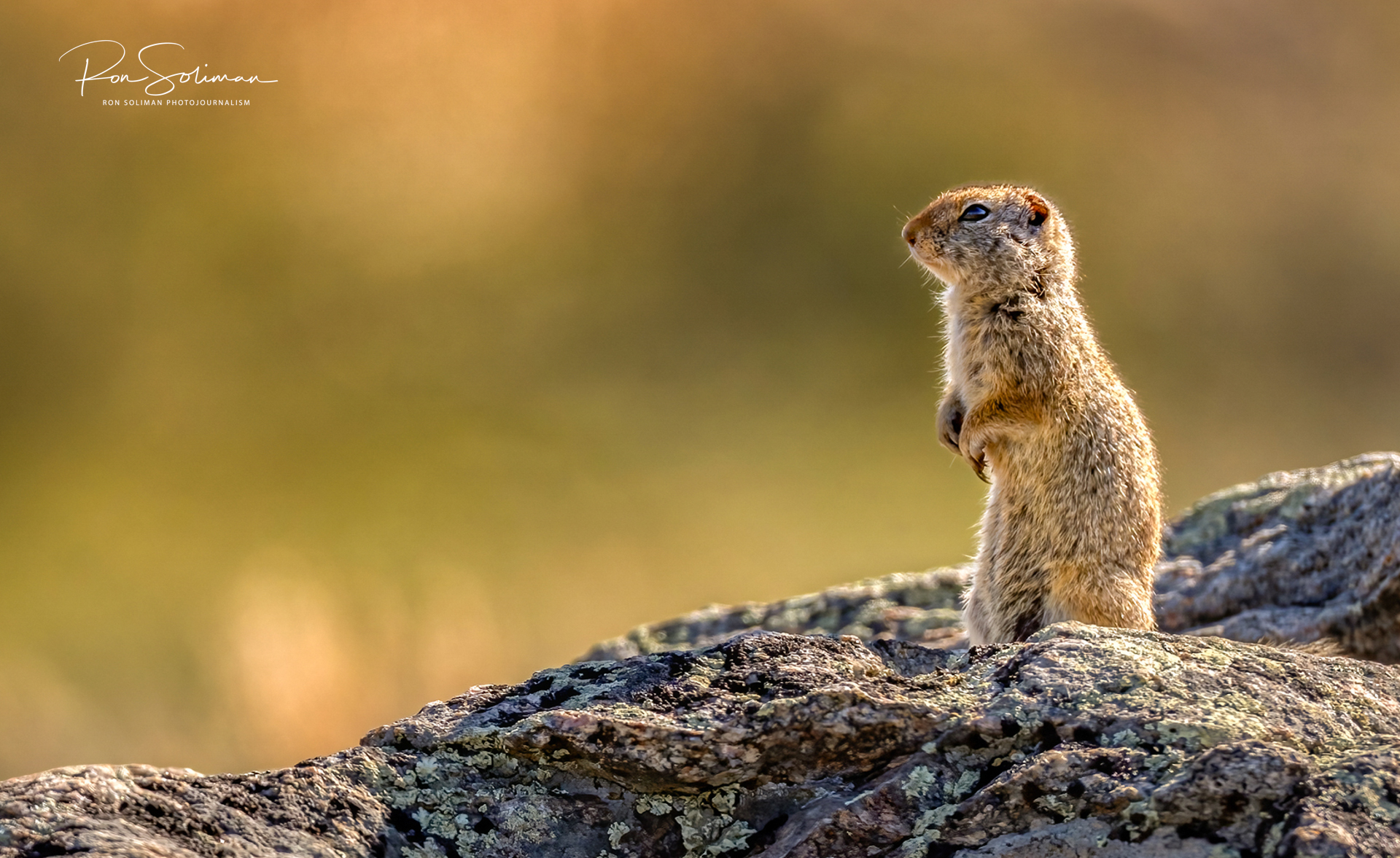
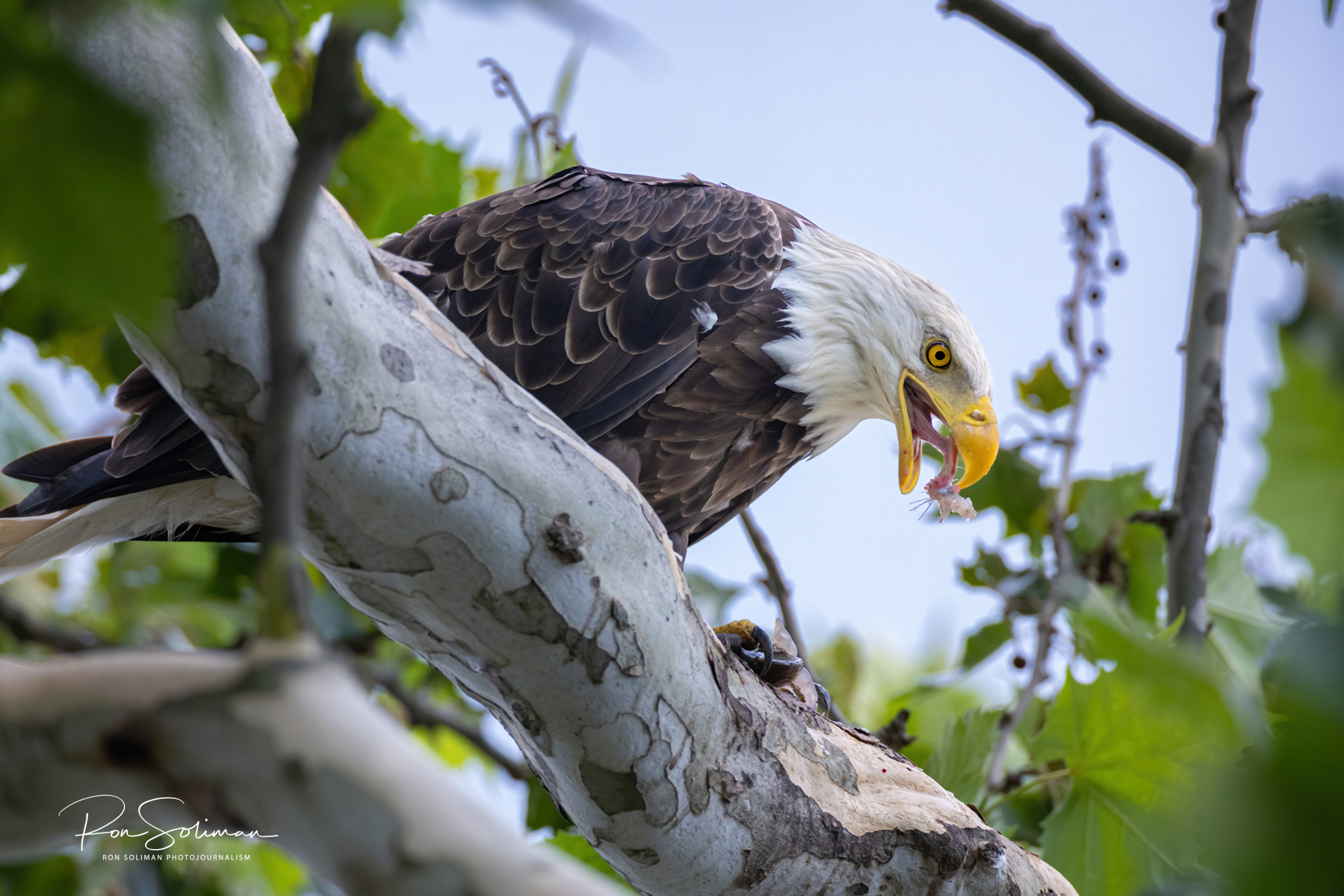
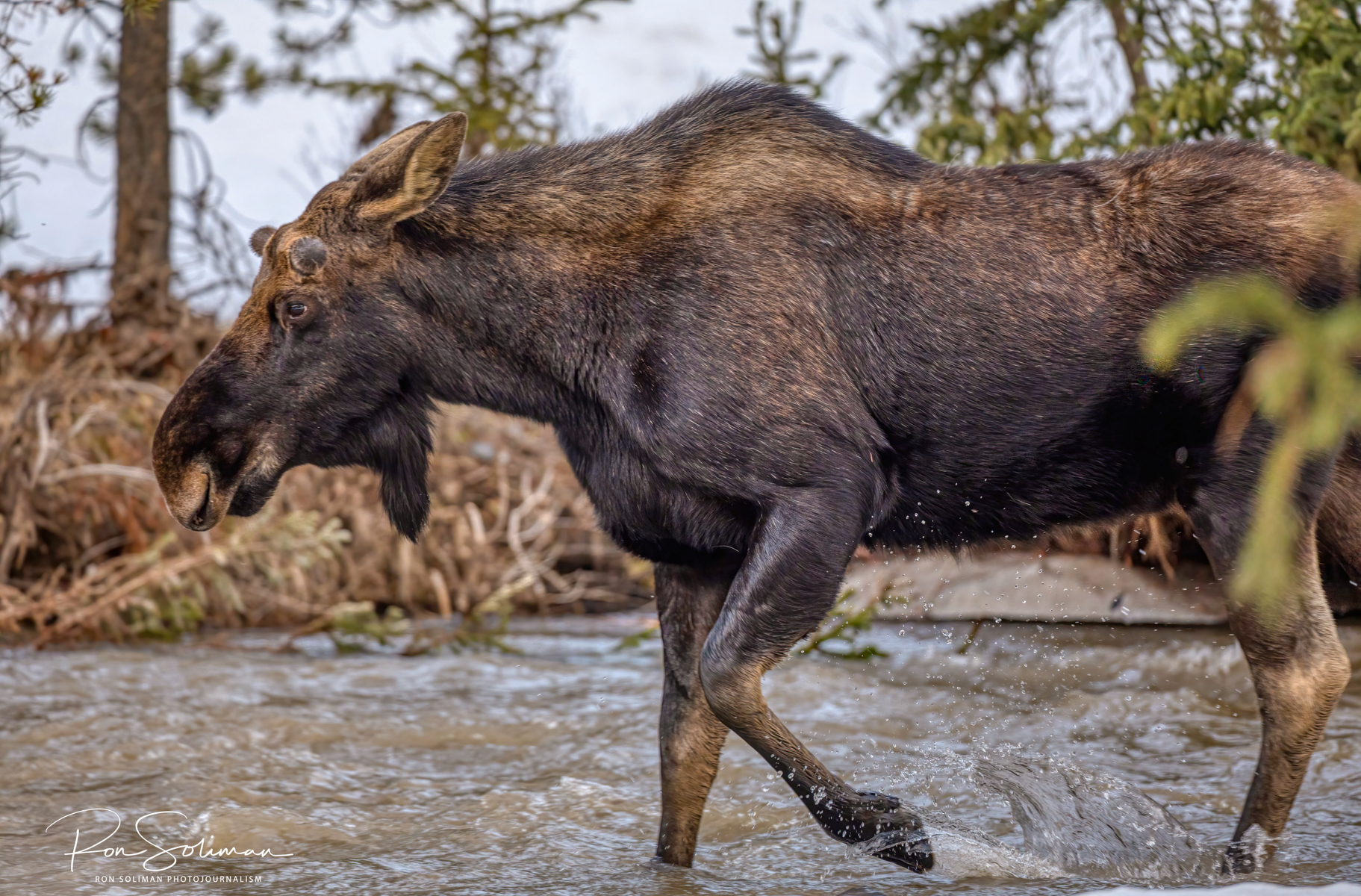
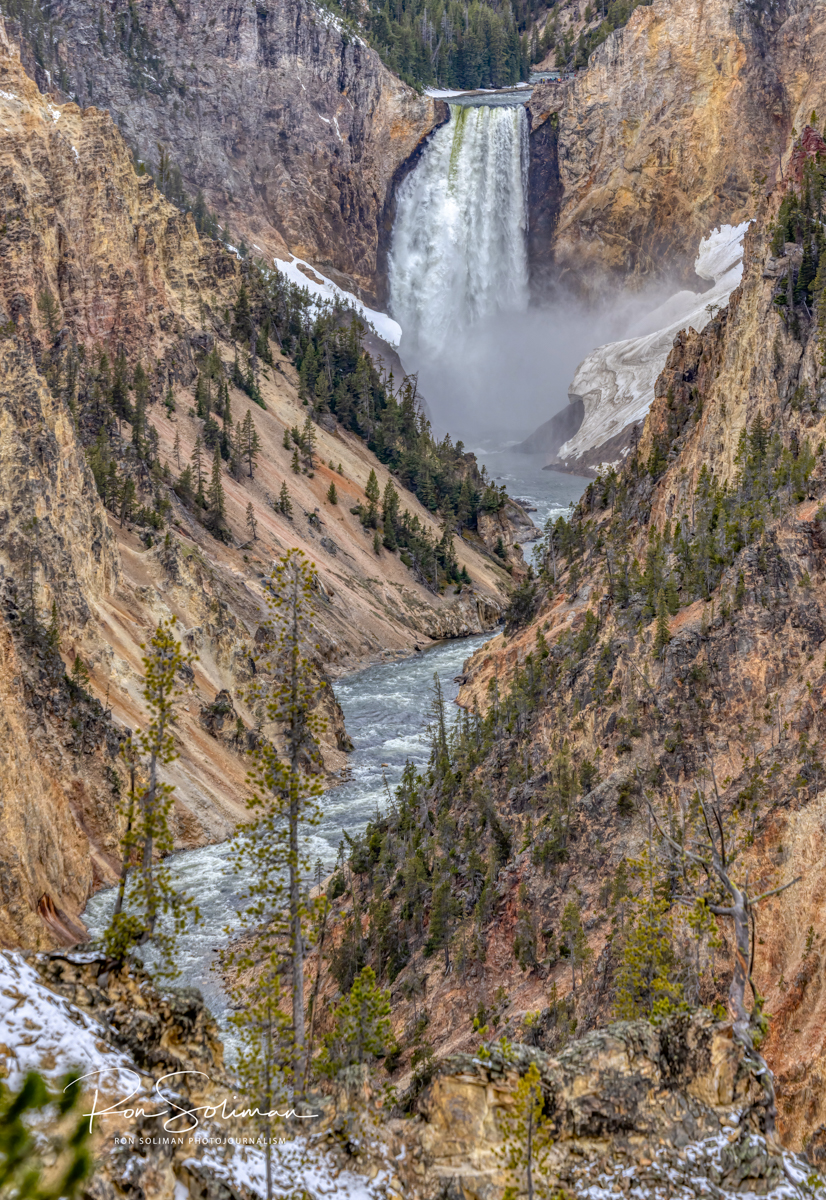
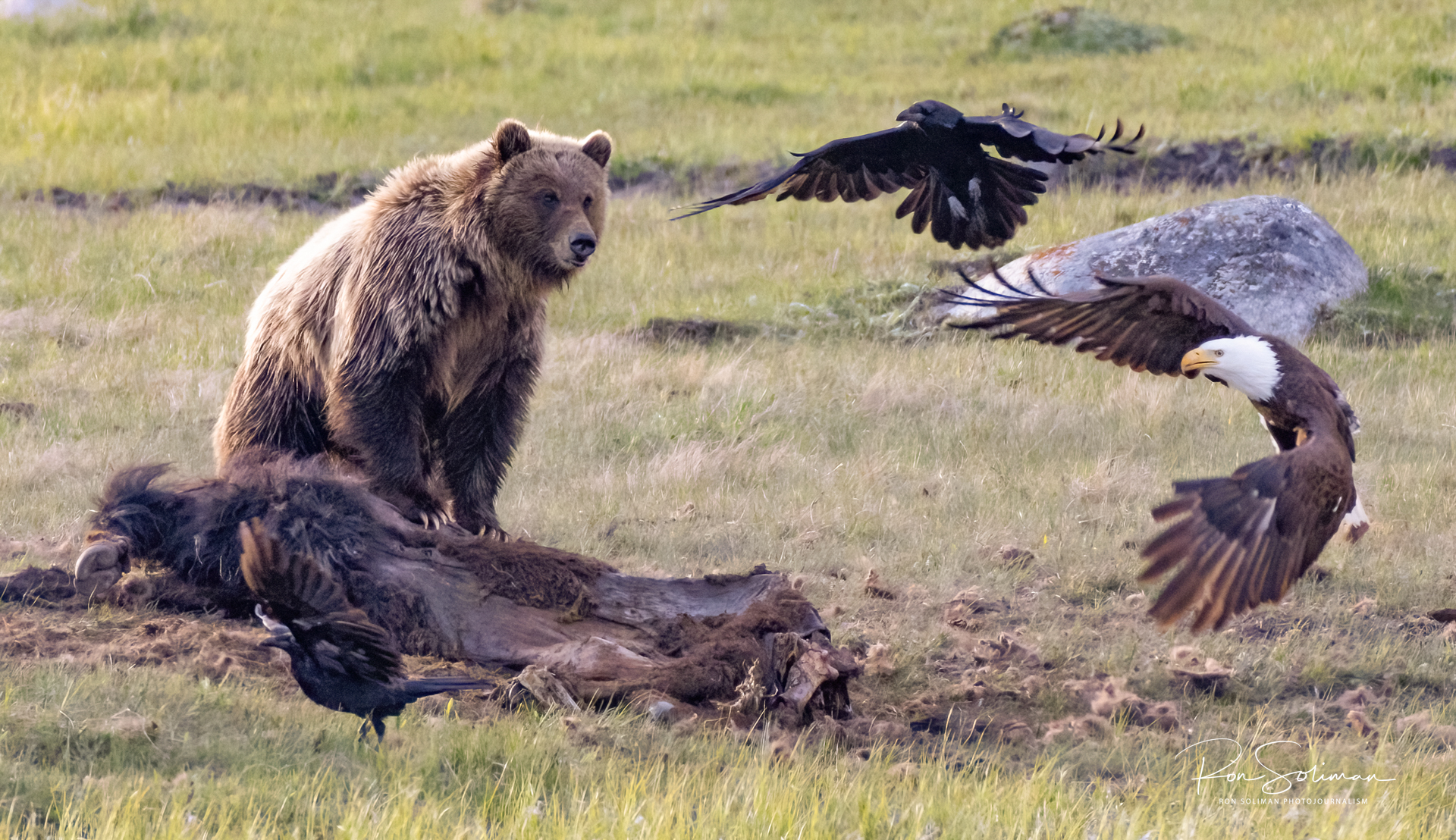
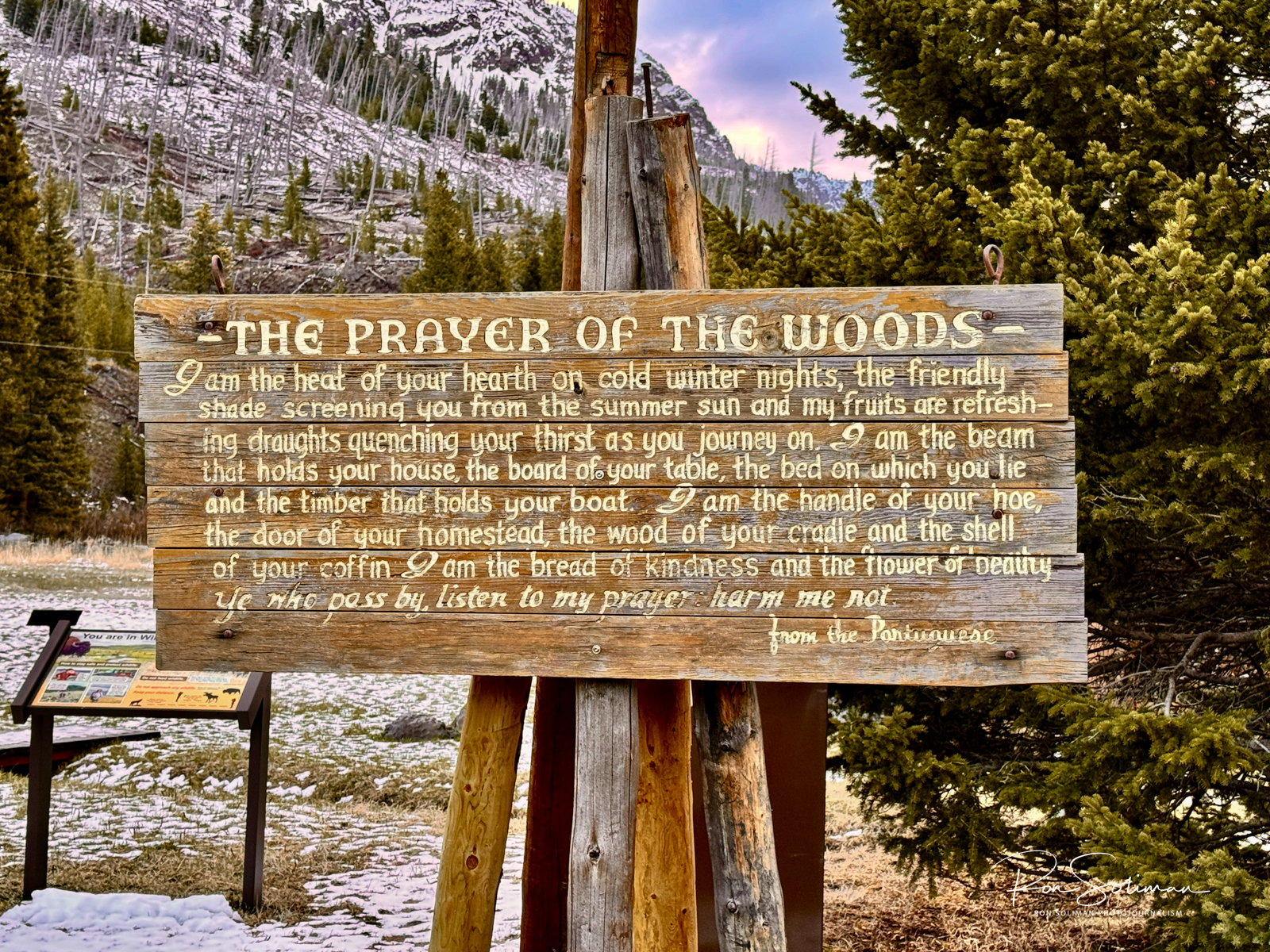
Hope you enjoy these images from my wildlife photography adventure. These experiences went beyond just capturing images; they created a meaningful connection to the wild heart of America. They highlighted the importance of preserving these breathtaking landscapes for future generations. Each shot I took tells a story of the stunning beauty that surrounds us and the adventures waiting to be shared.
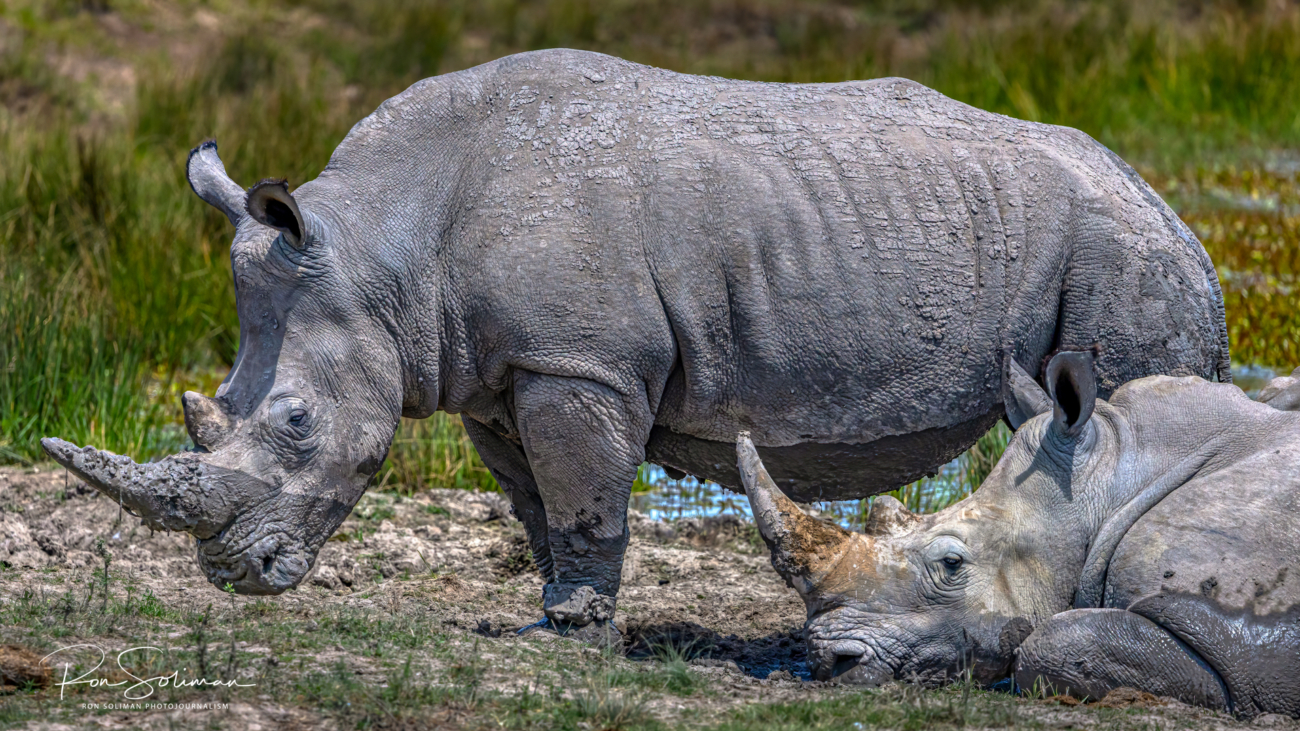
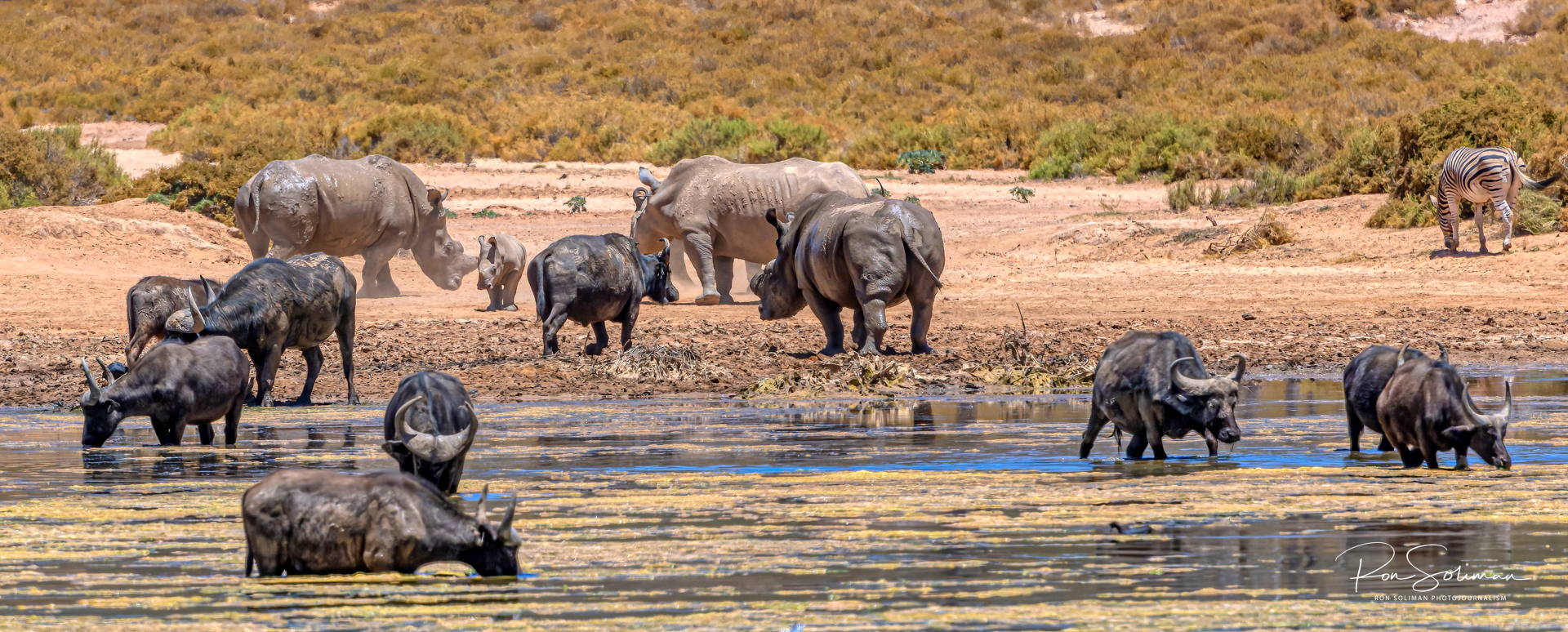
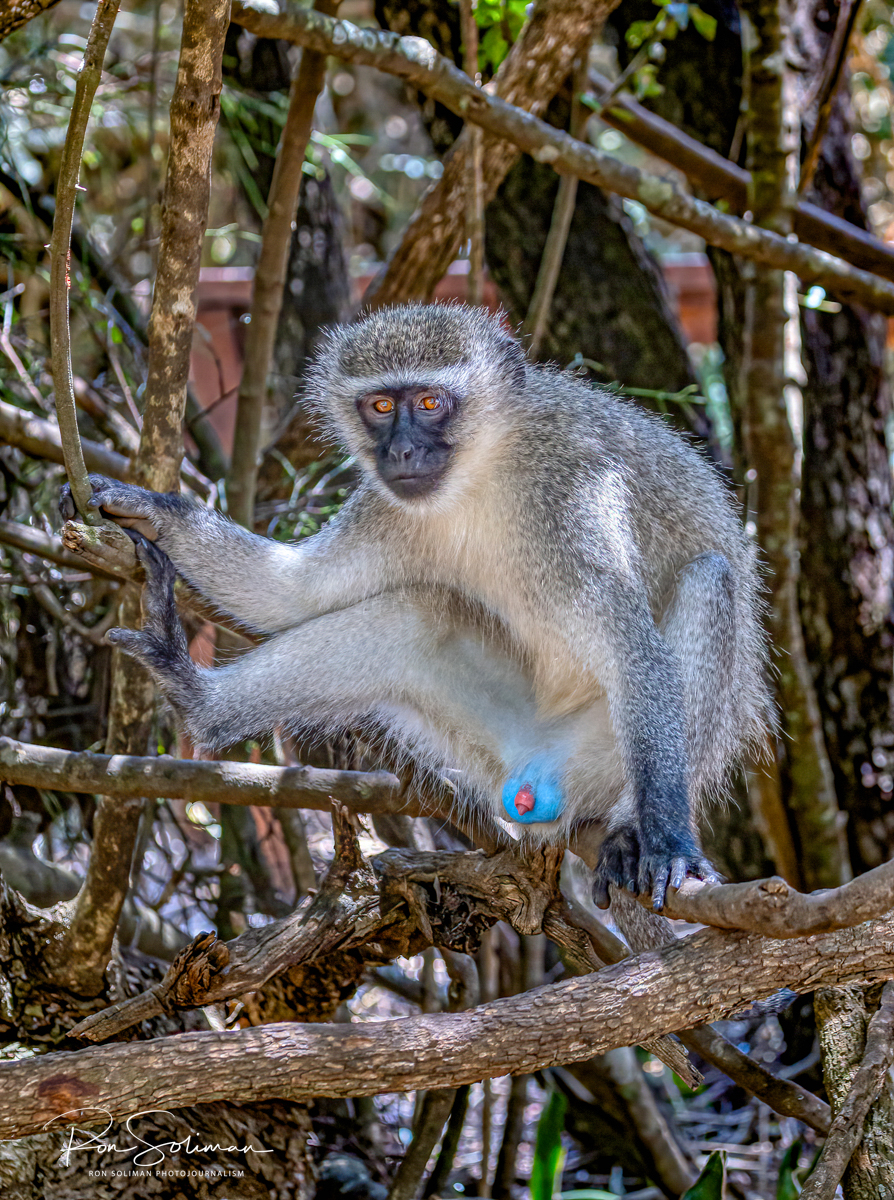
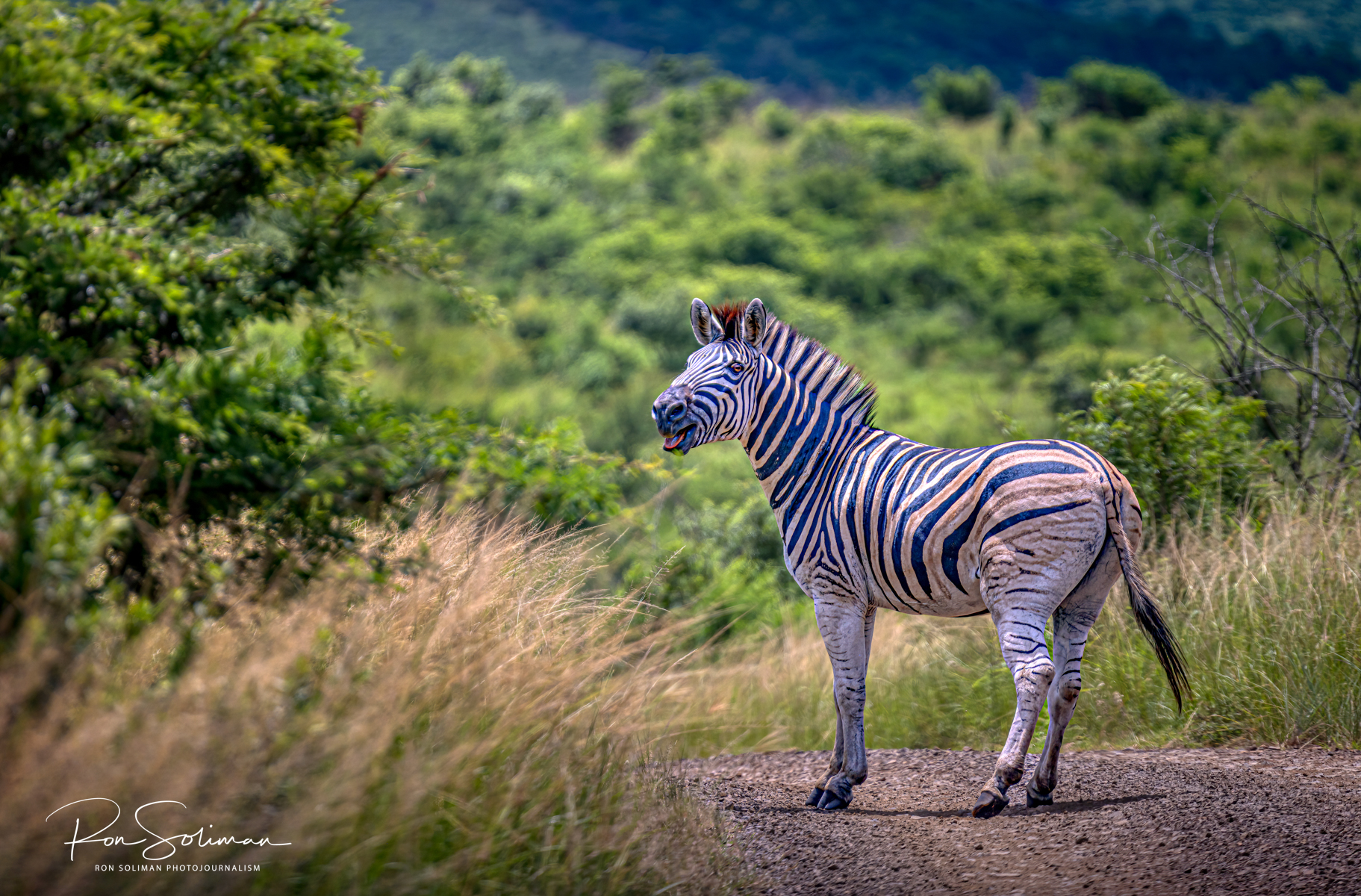
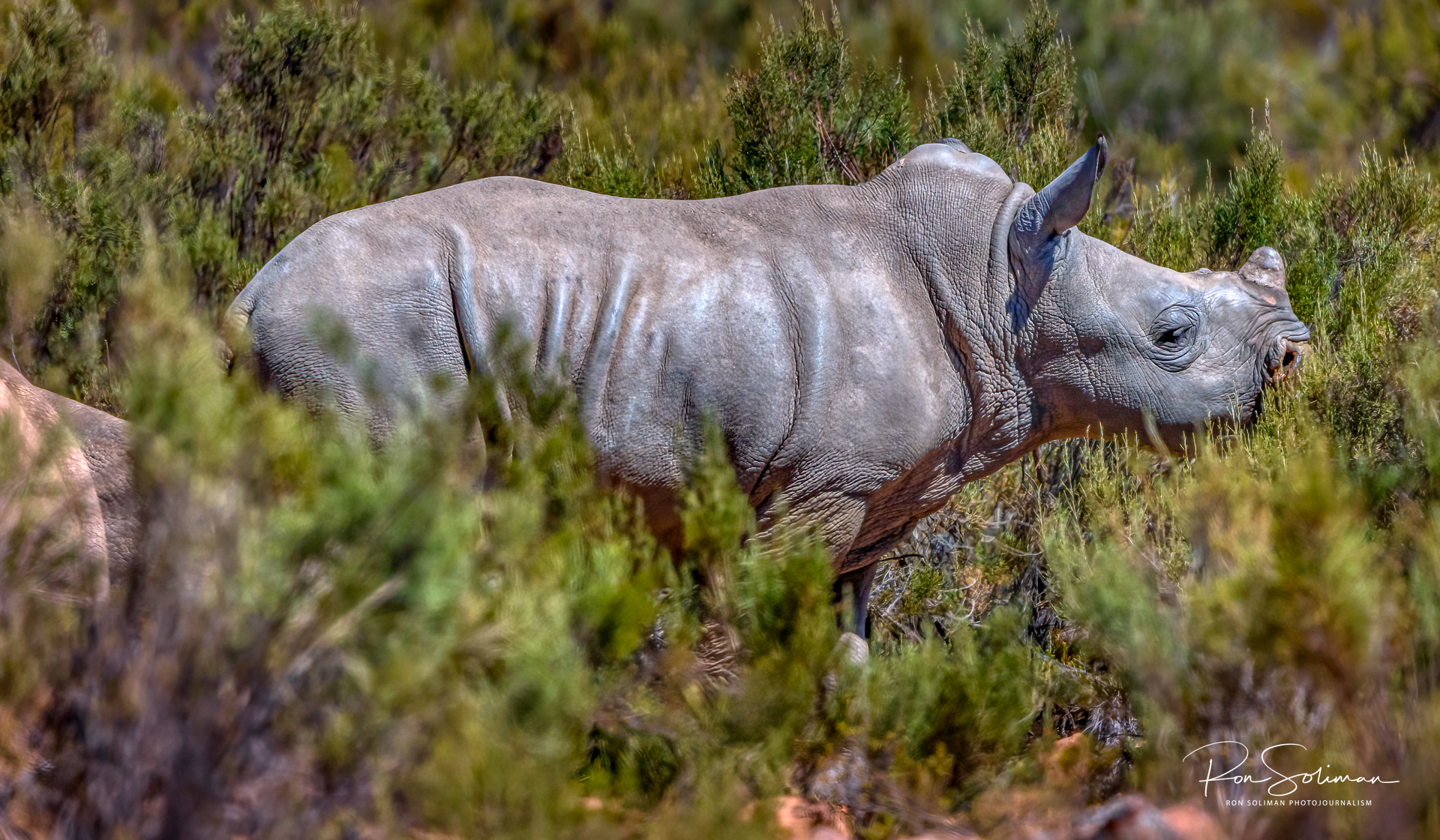
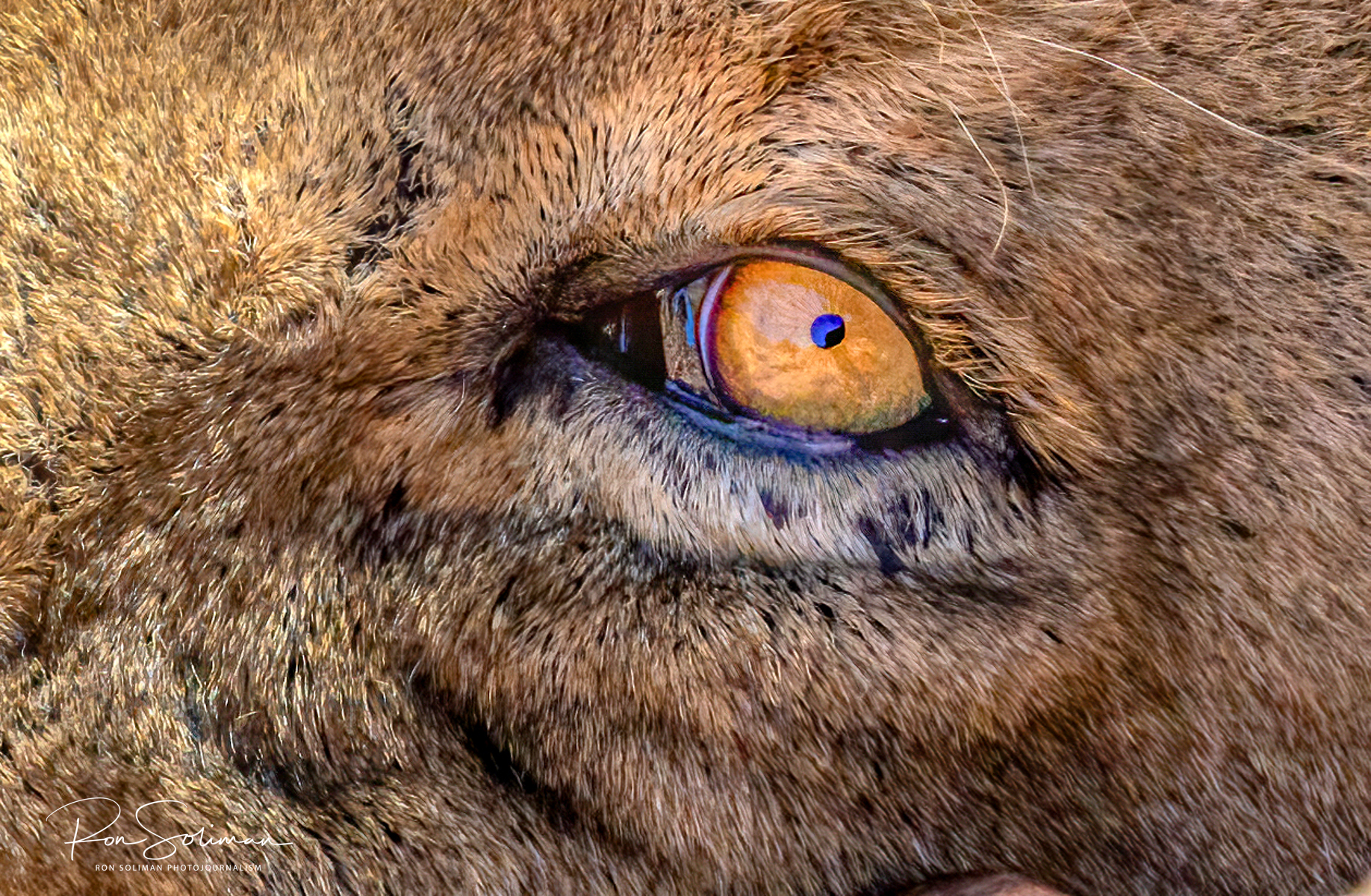
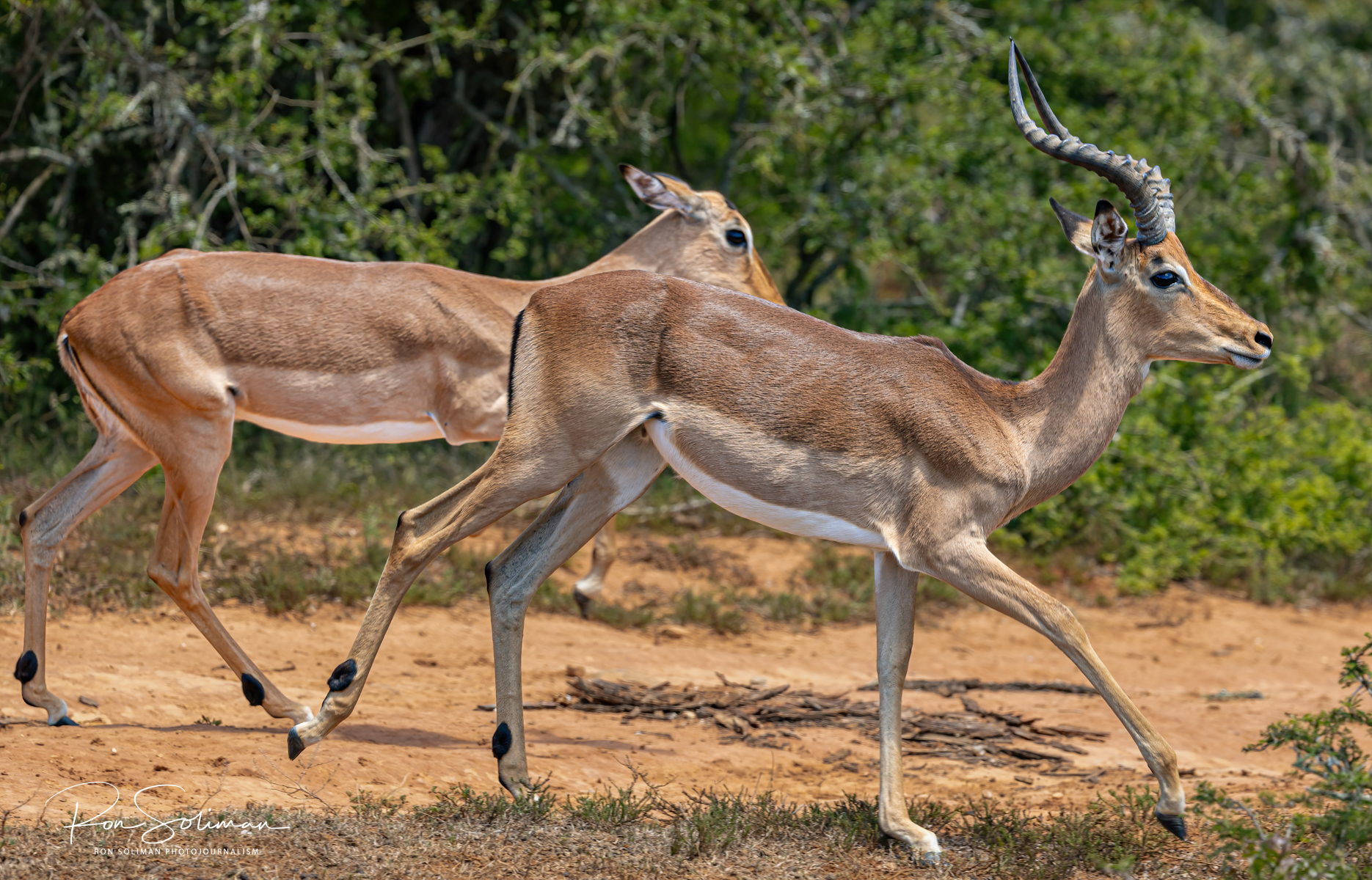
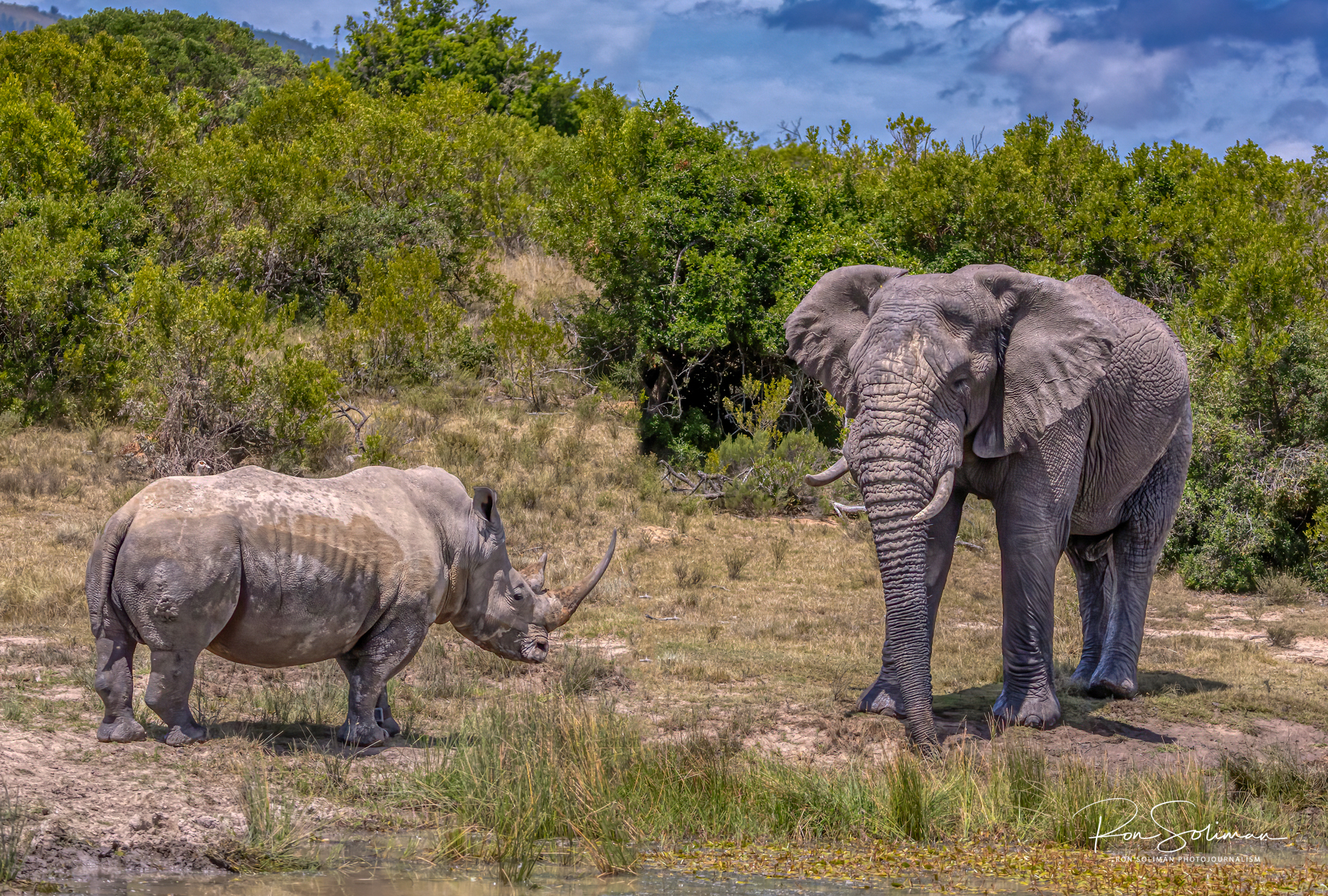
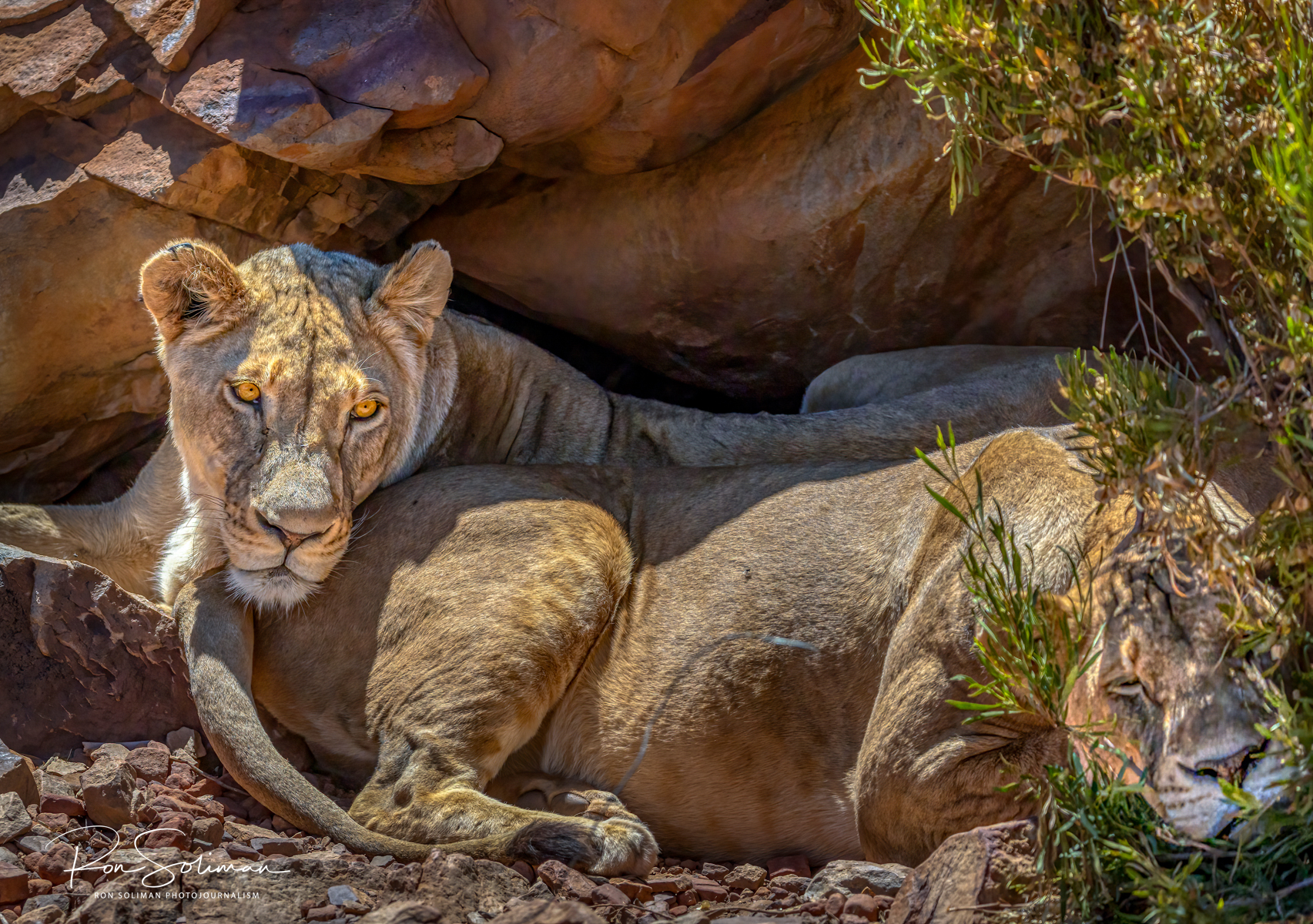
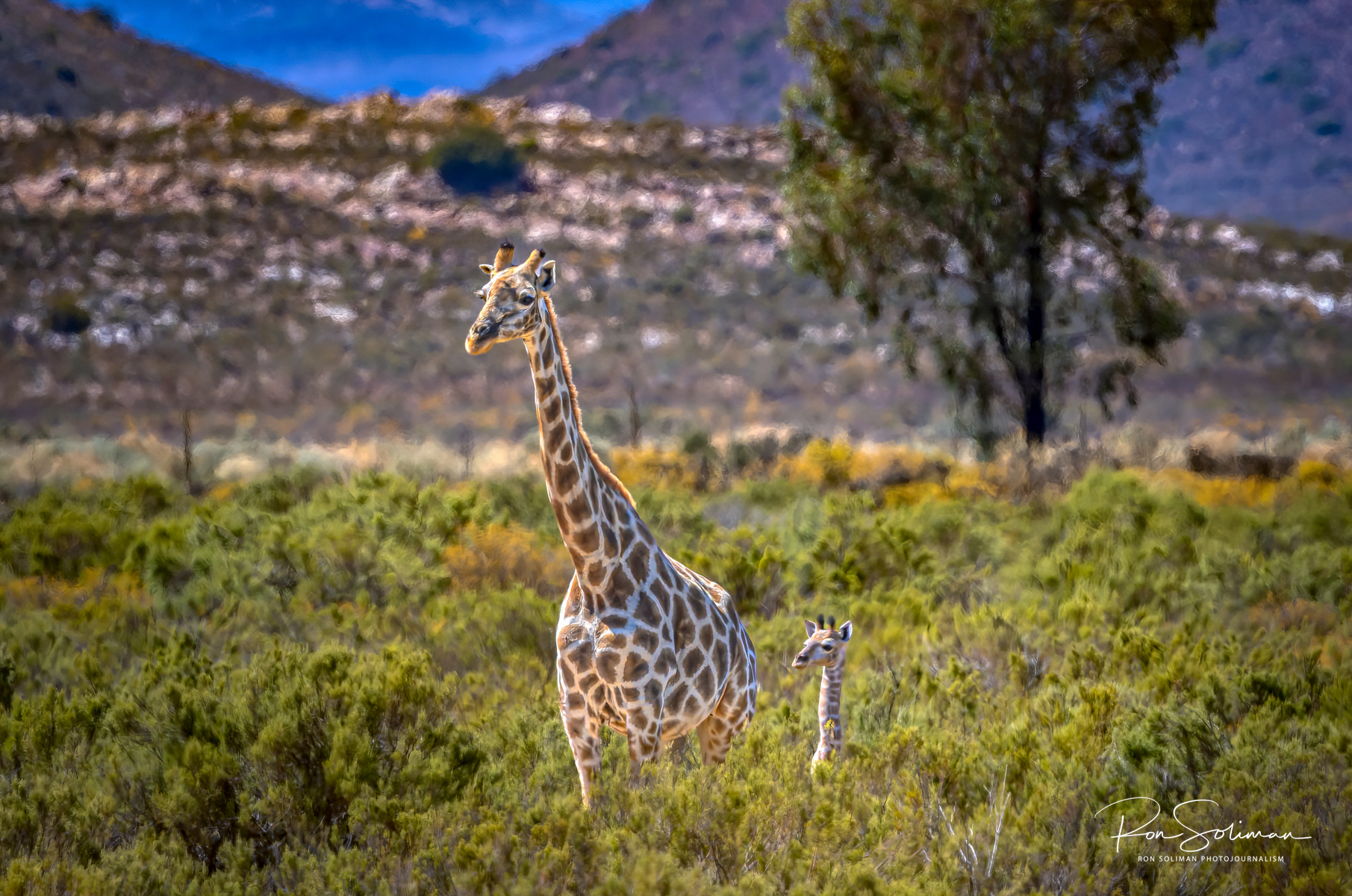
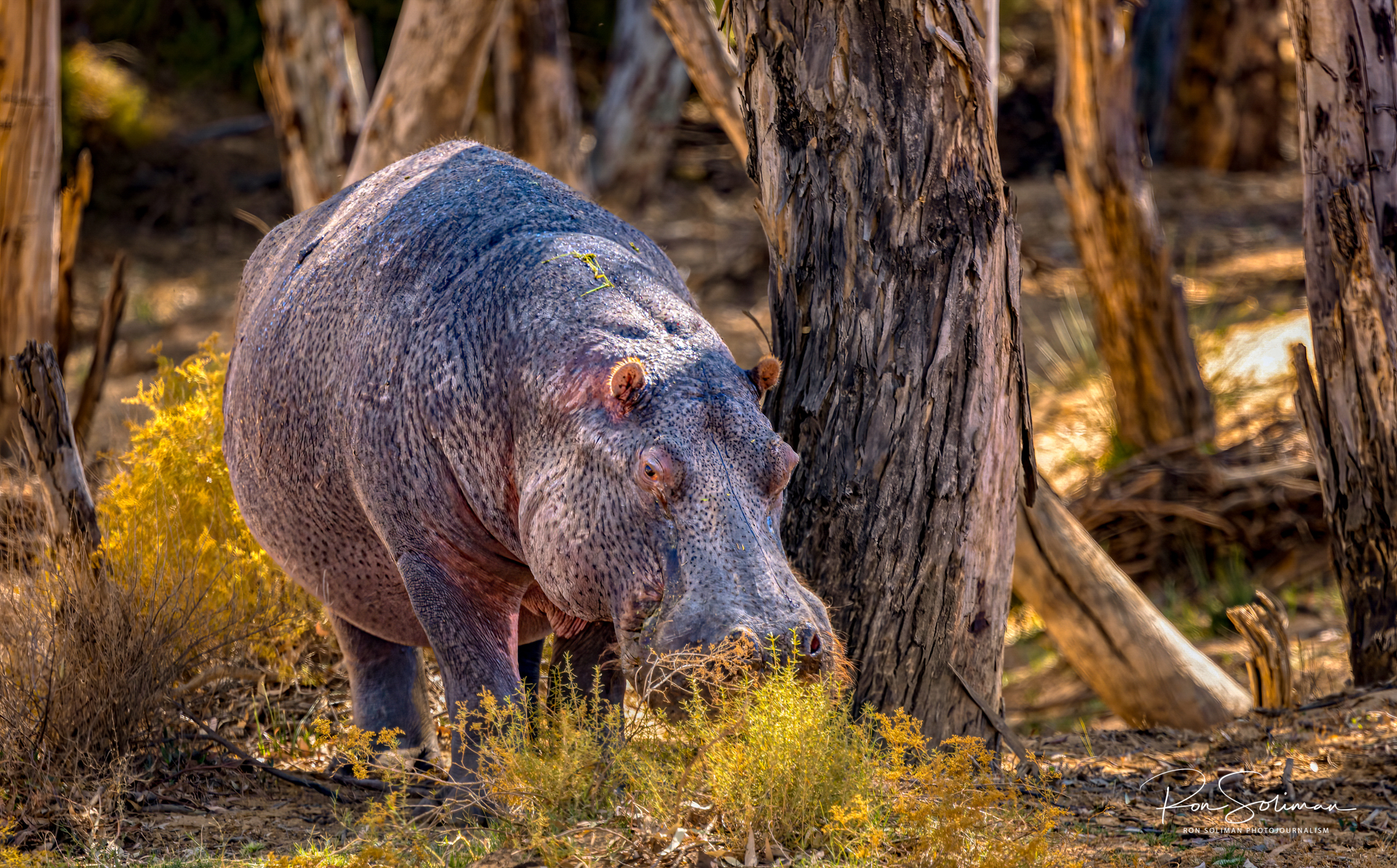
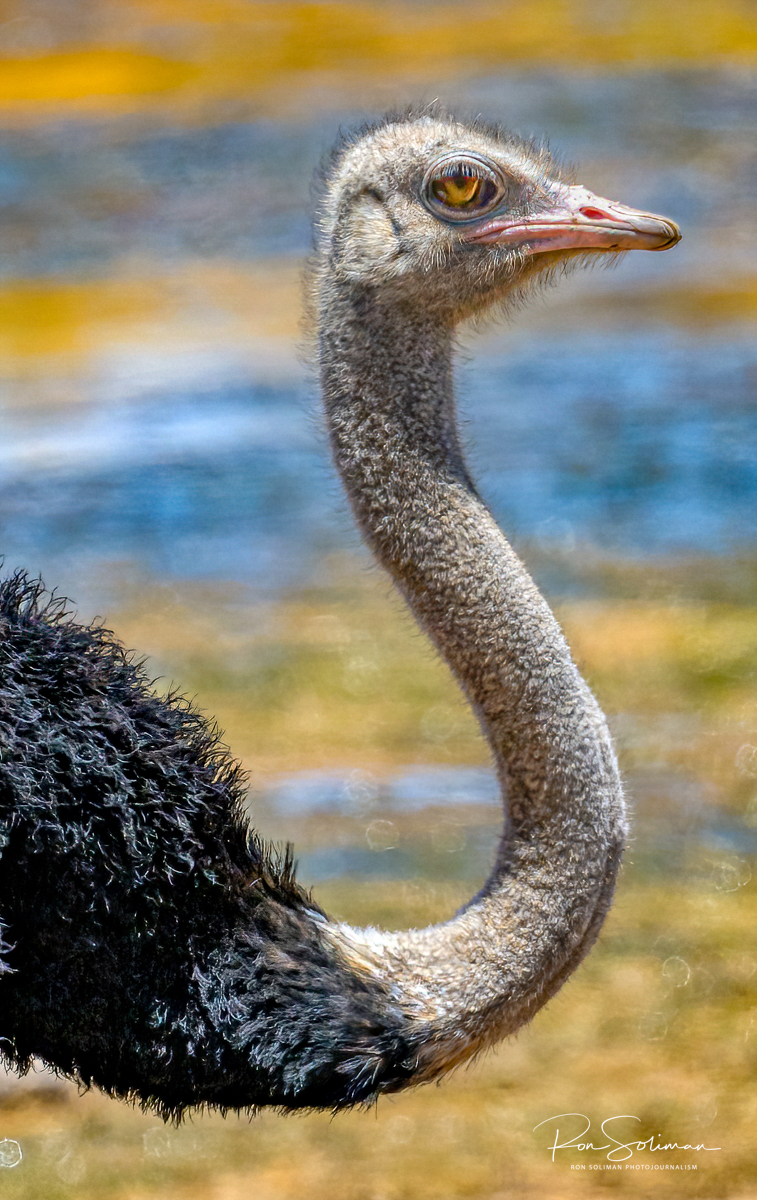
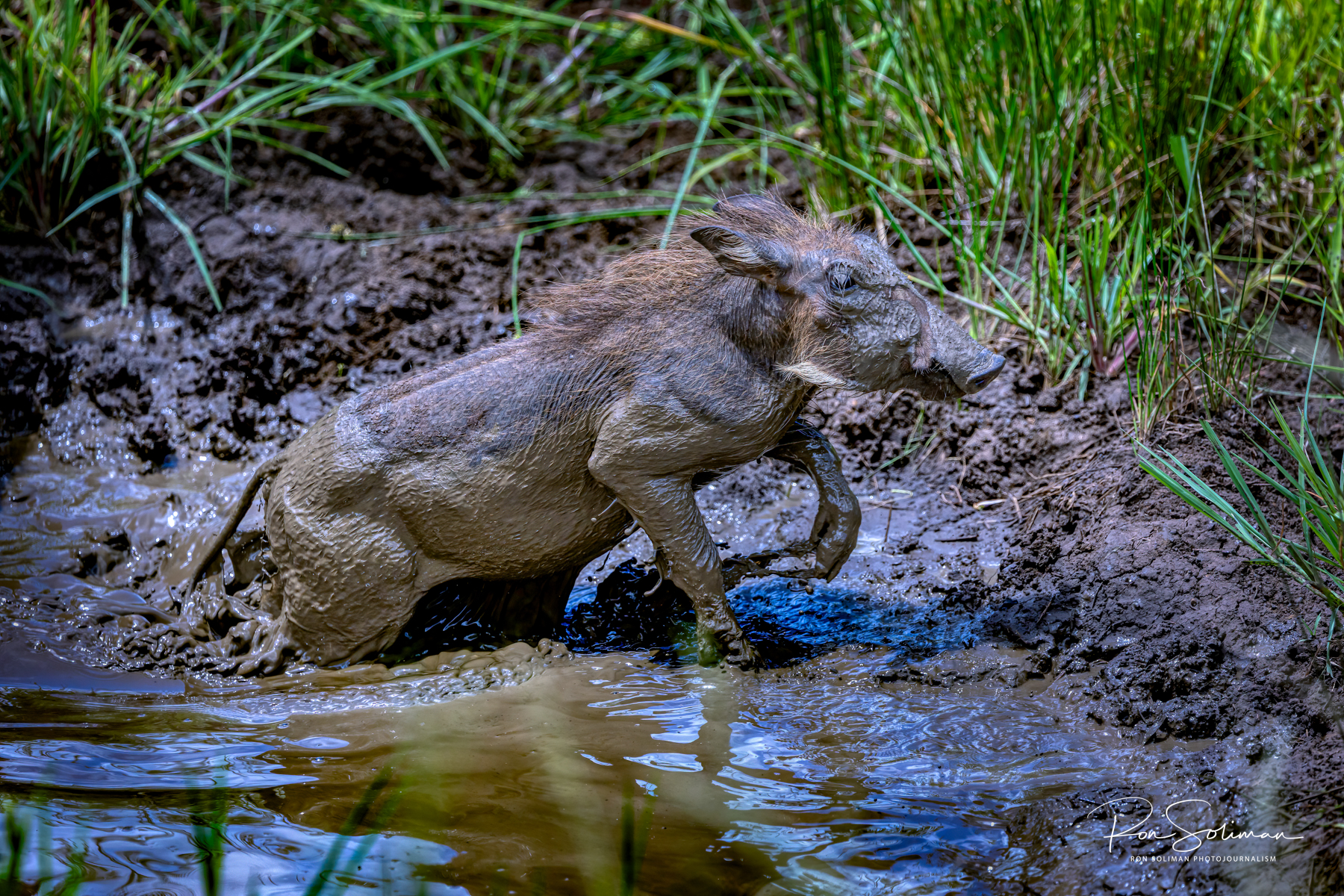
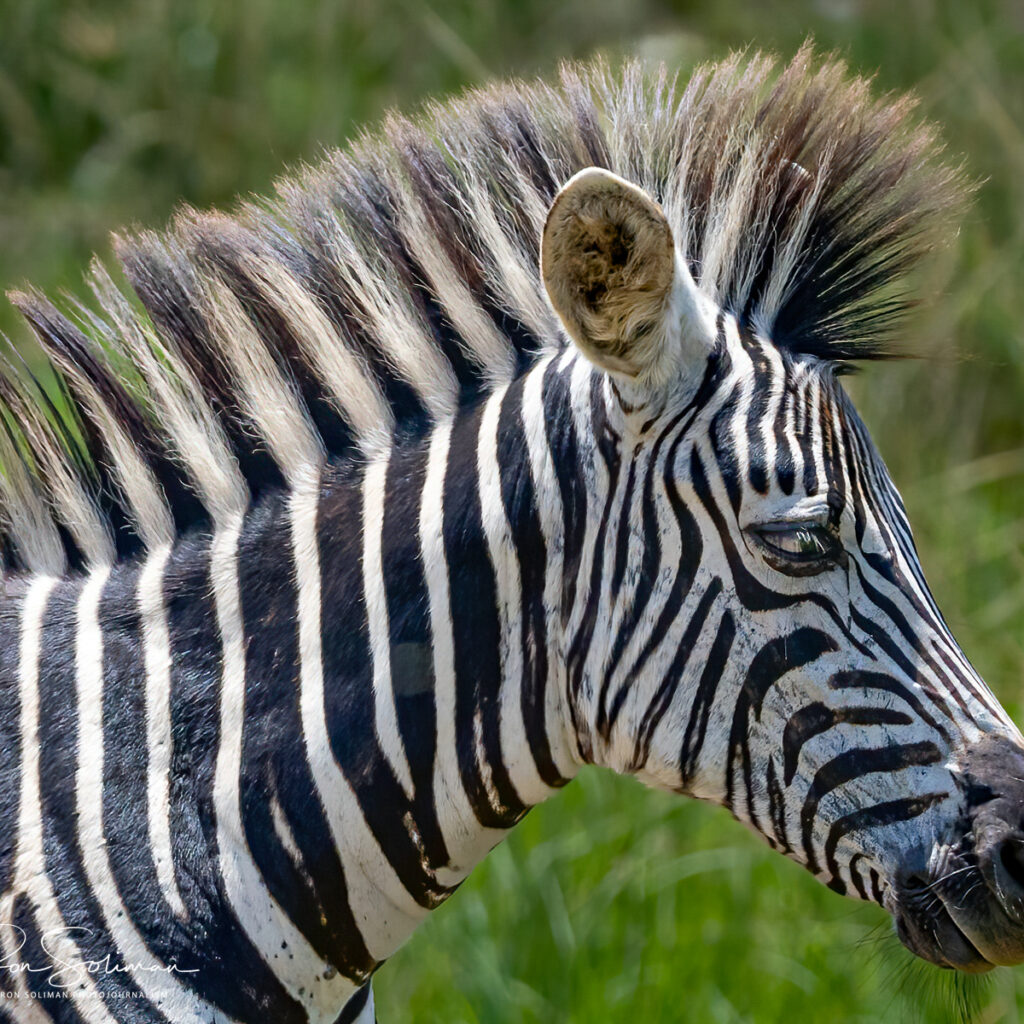
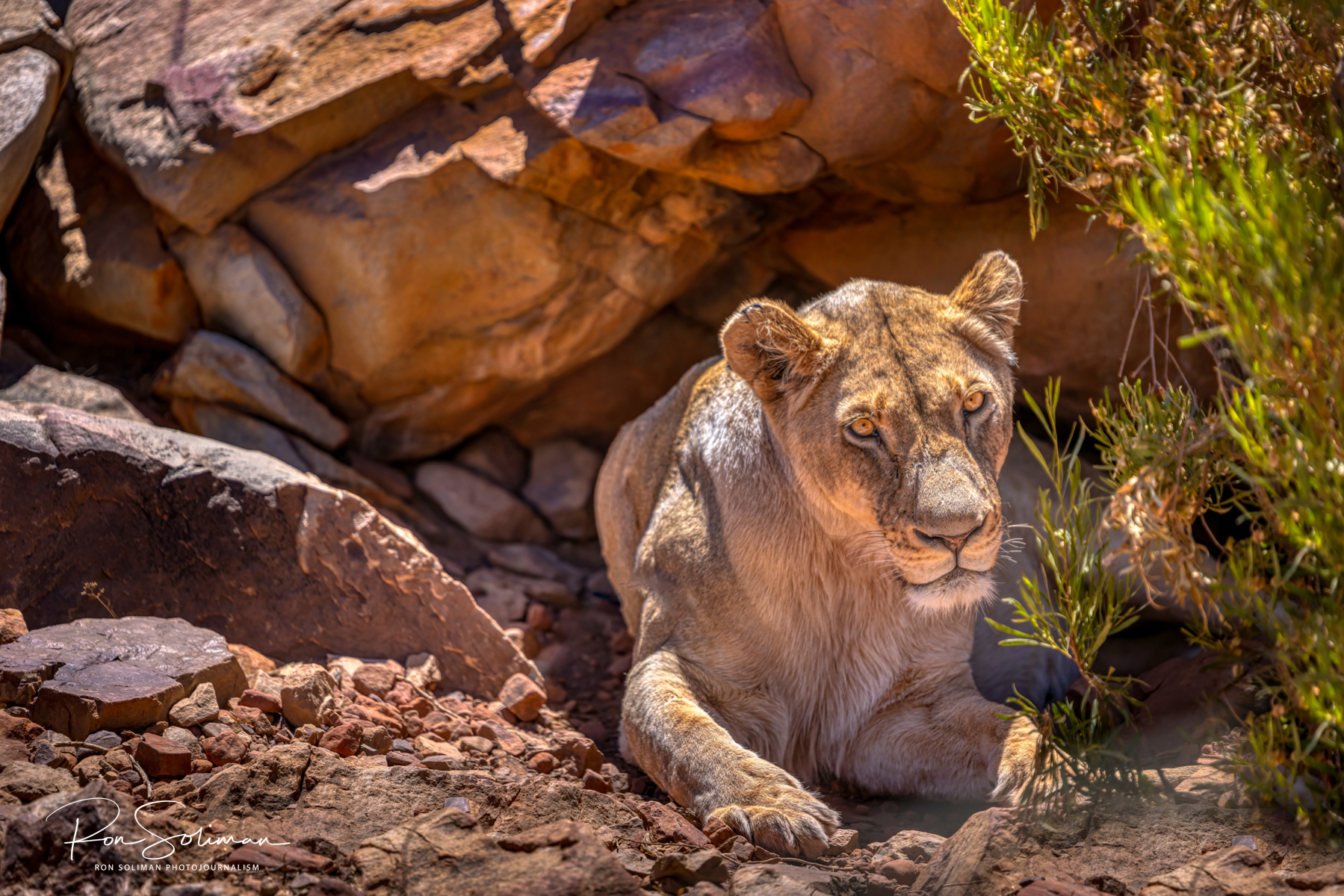
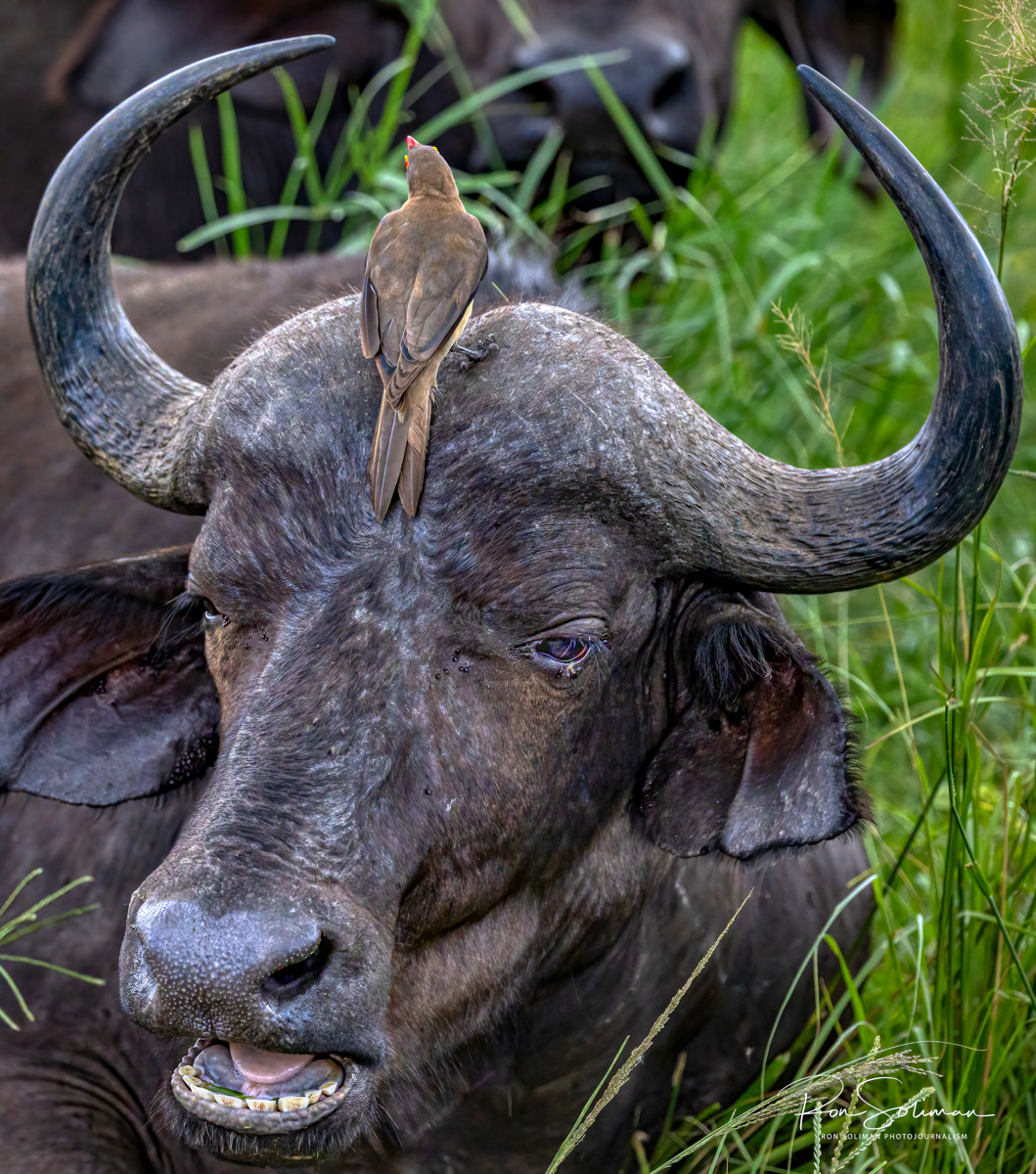
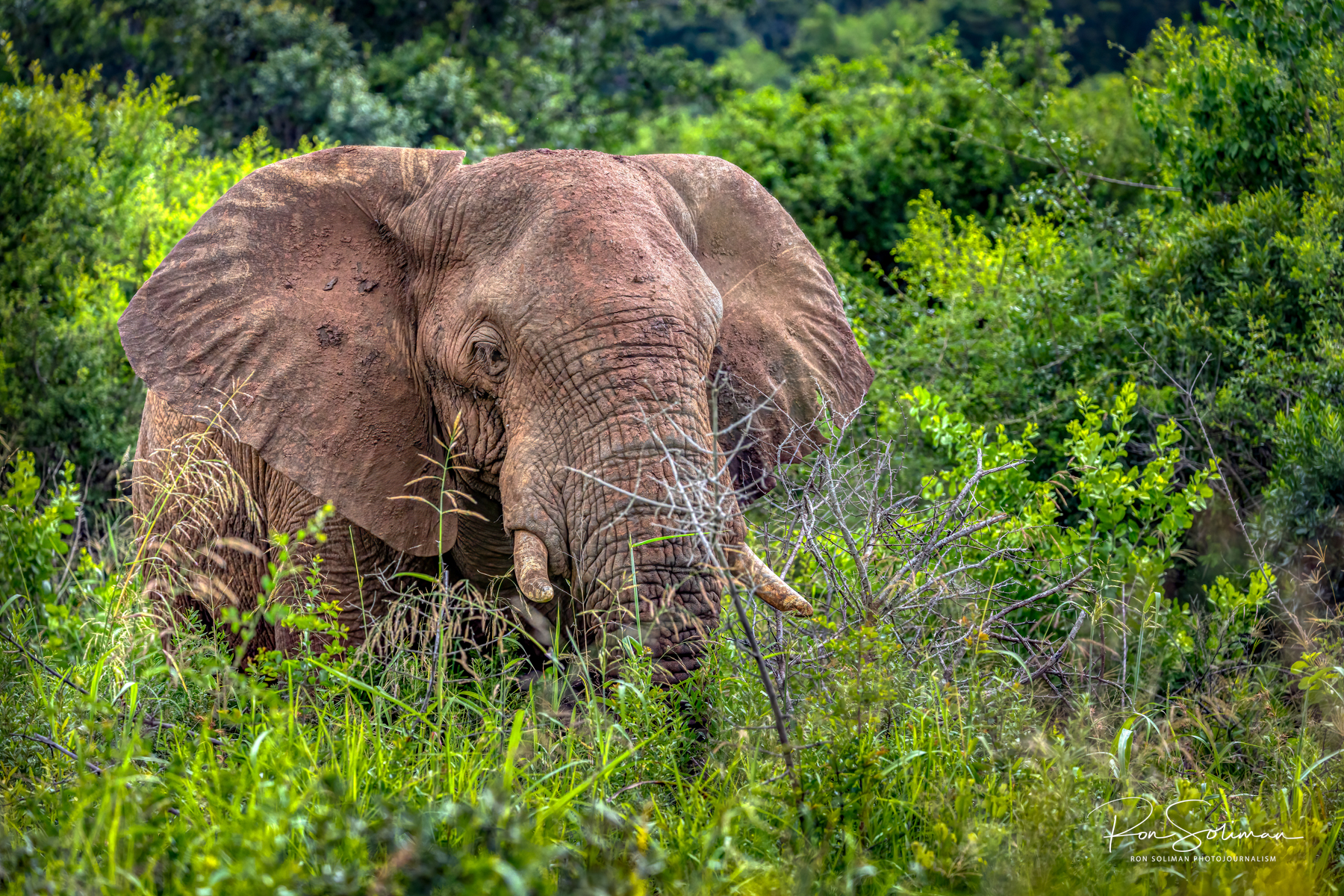
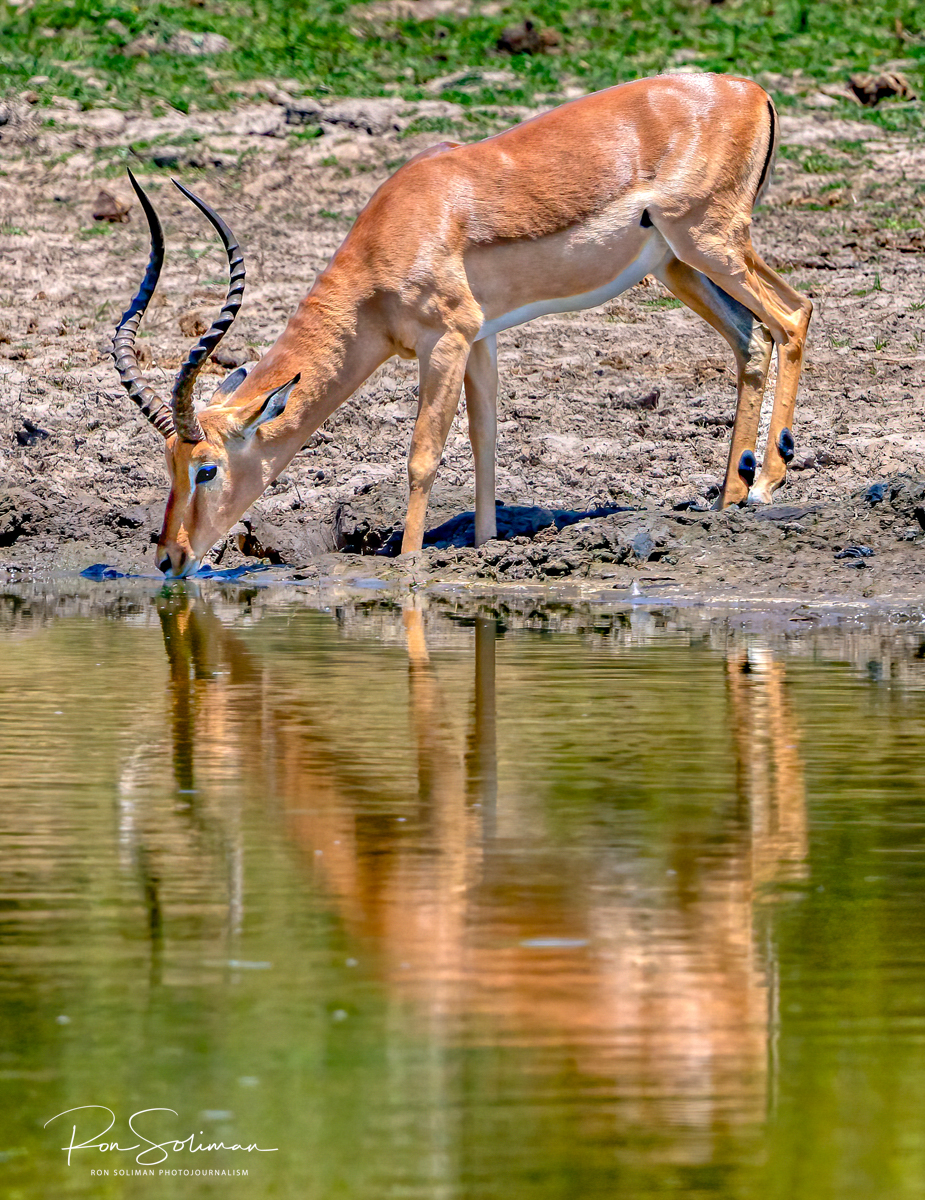
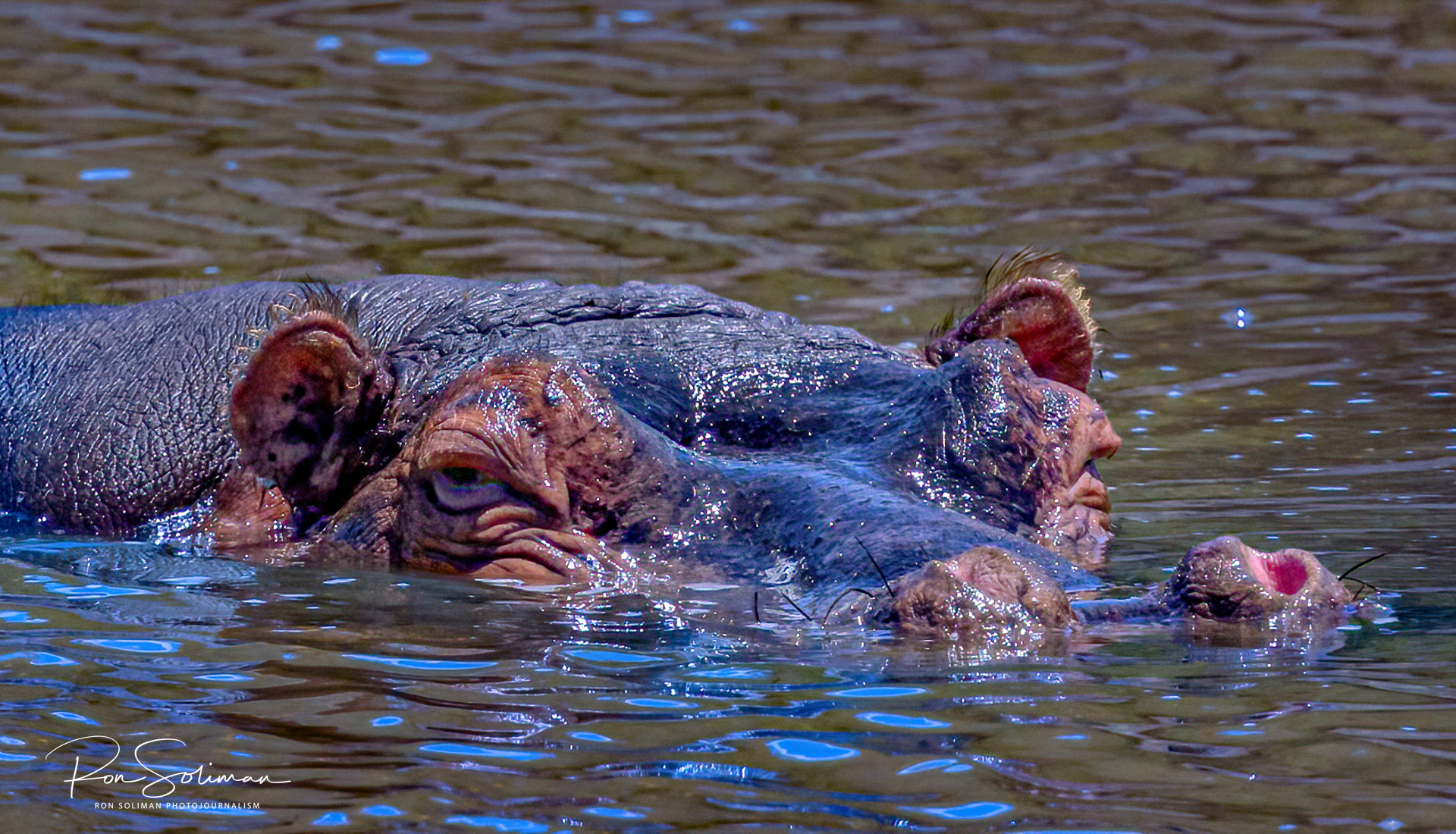
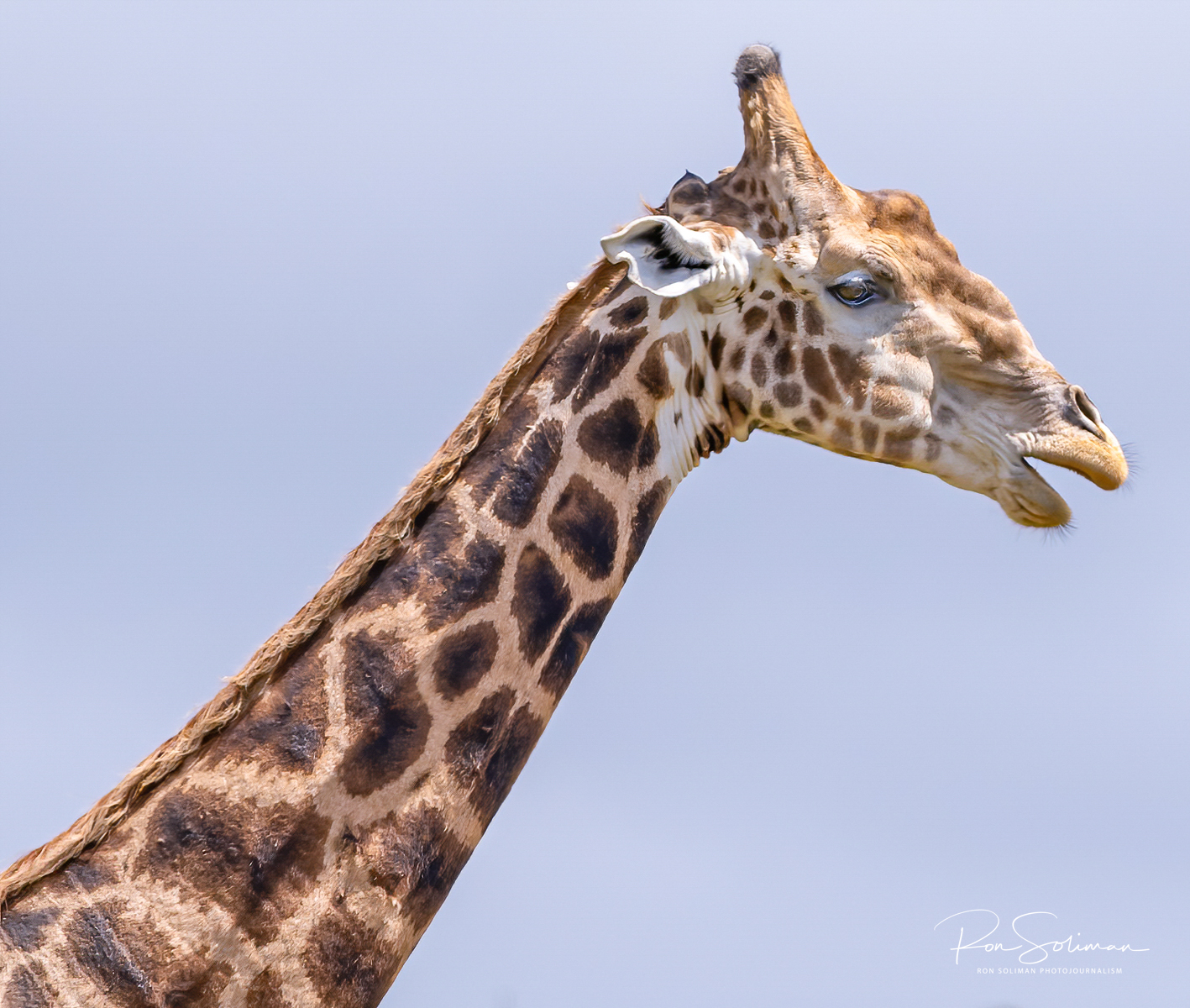
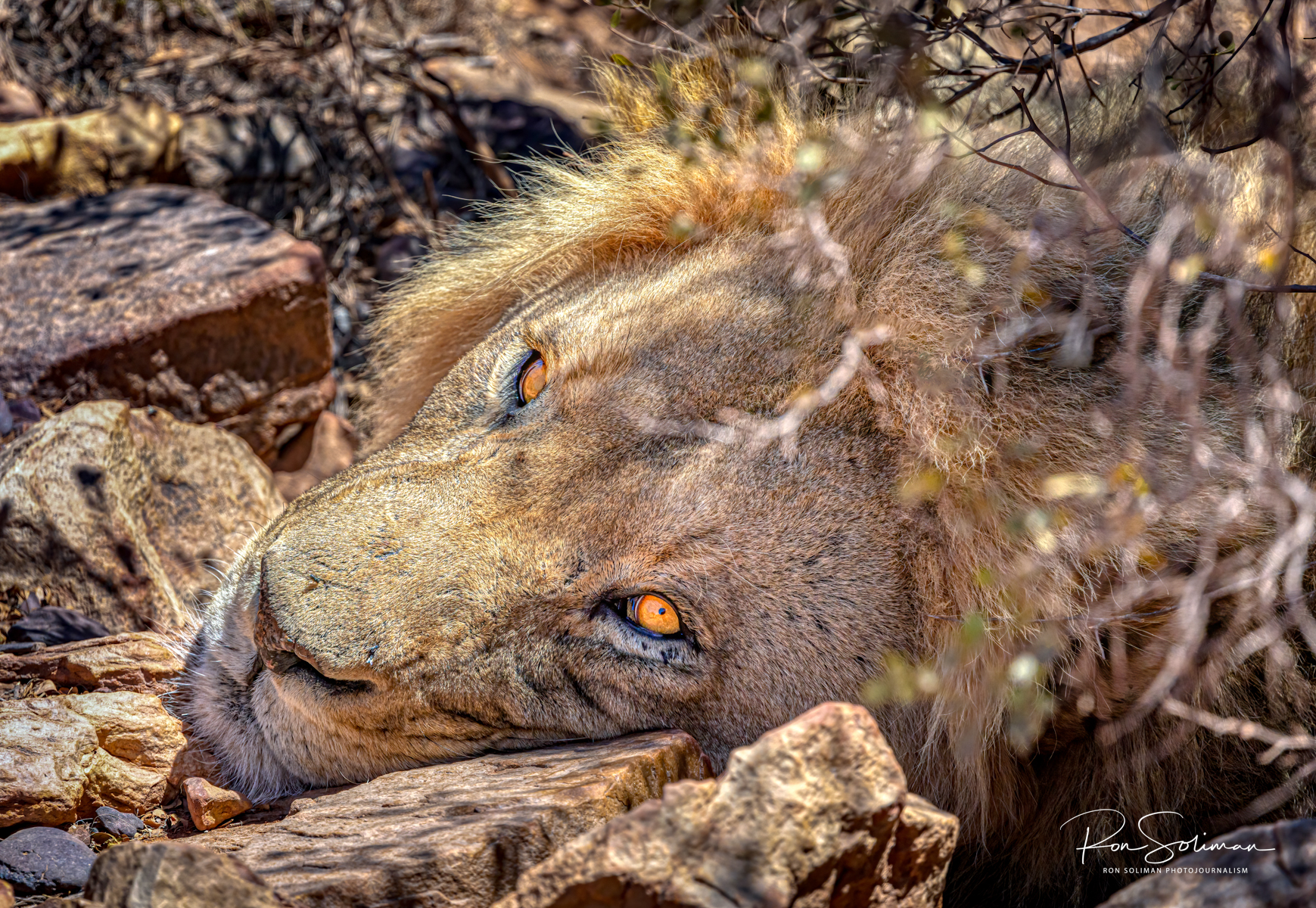
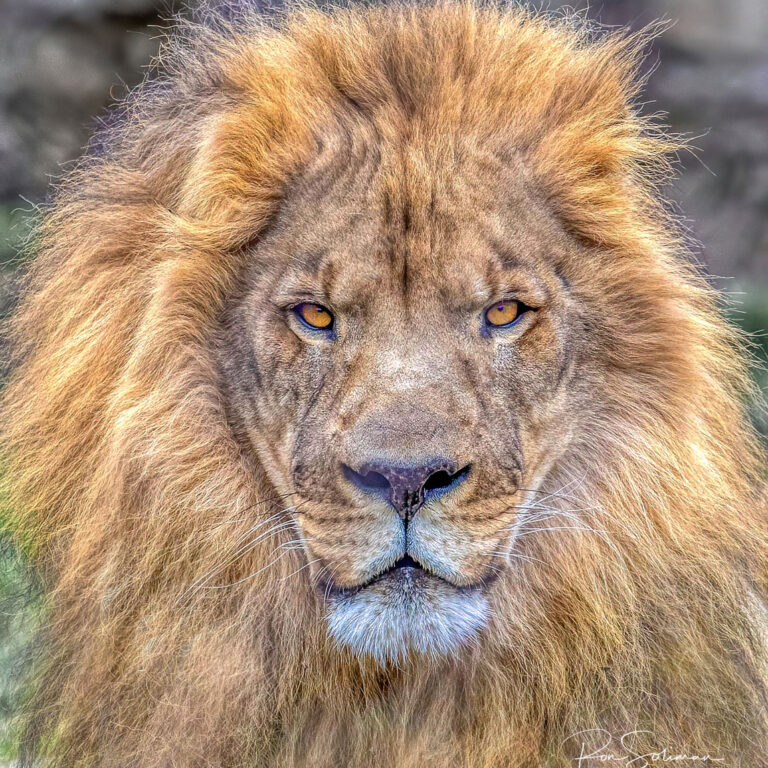
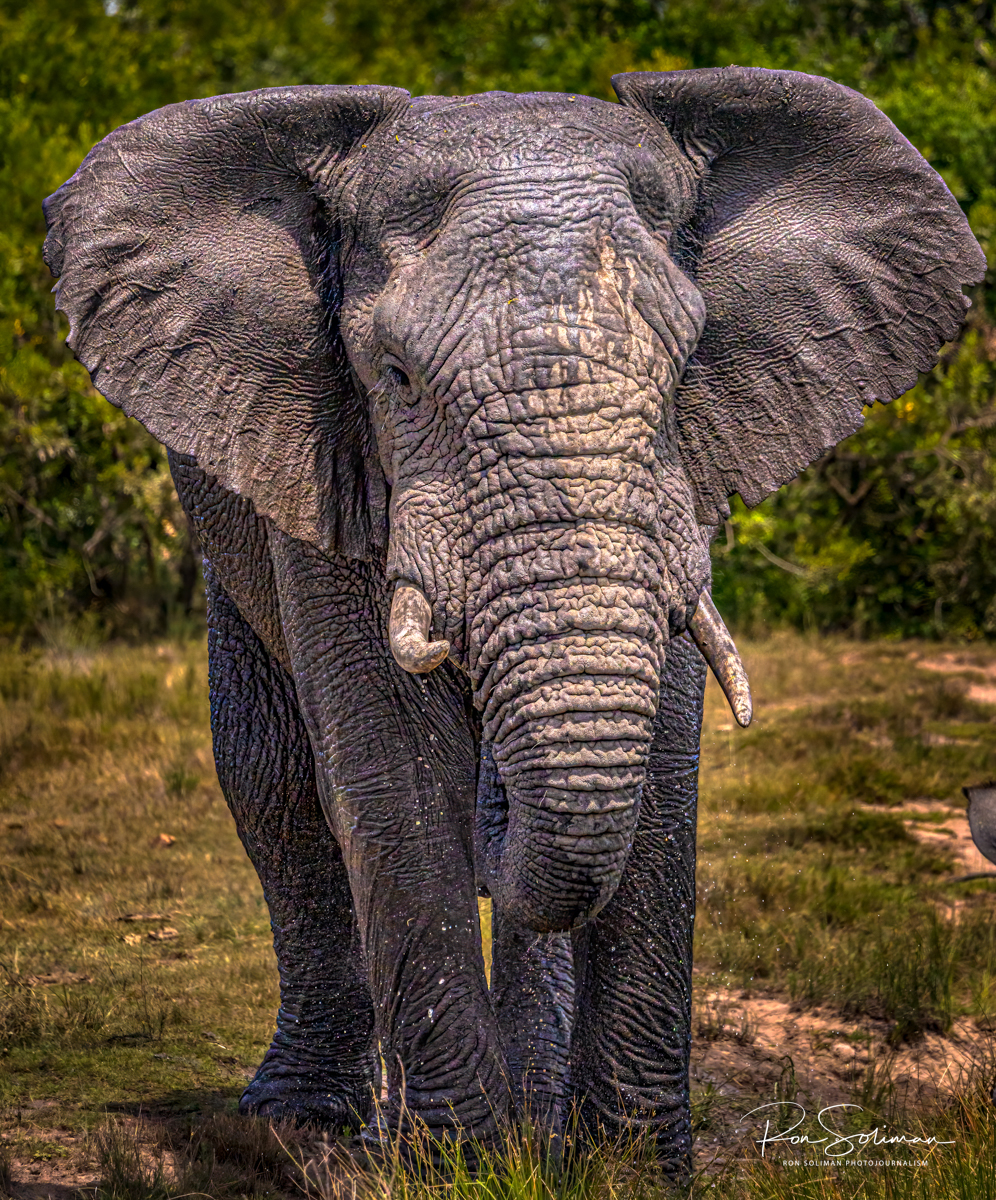
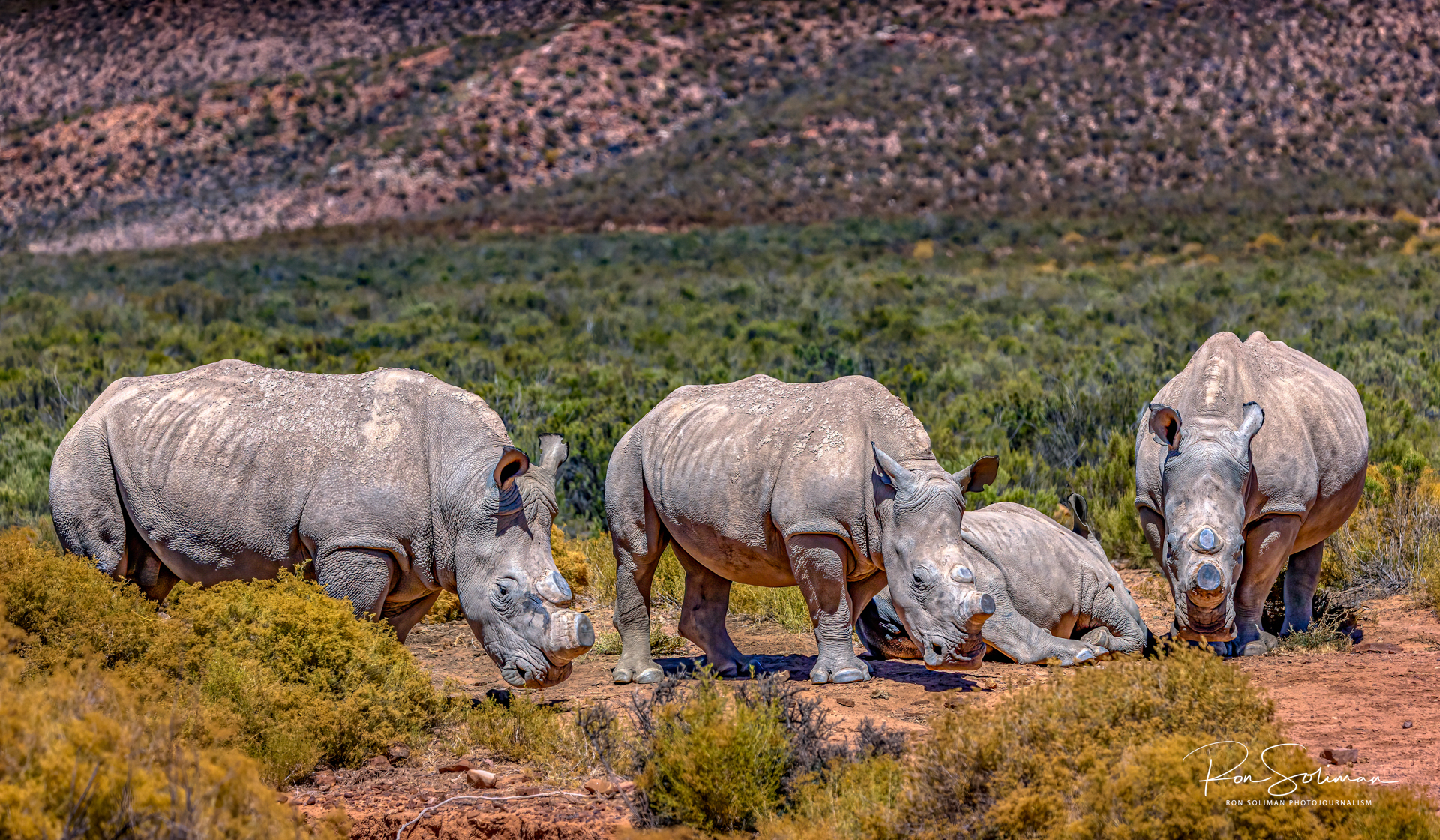
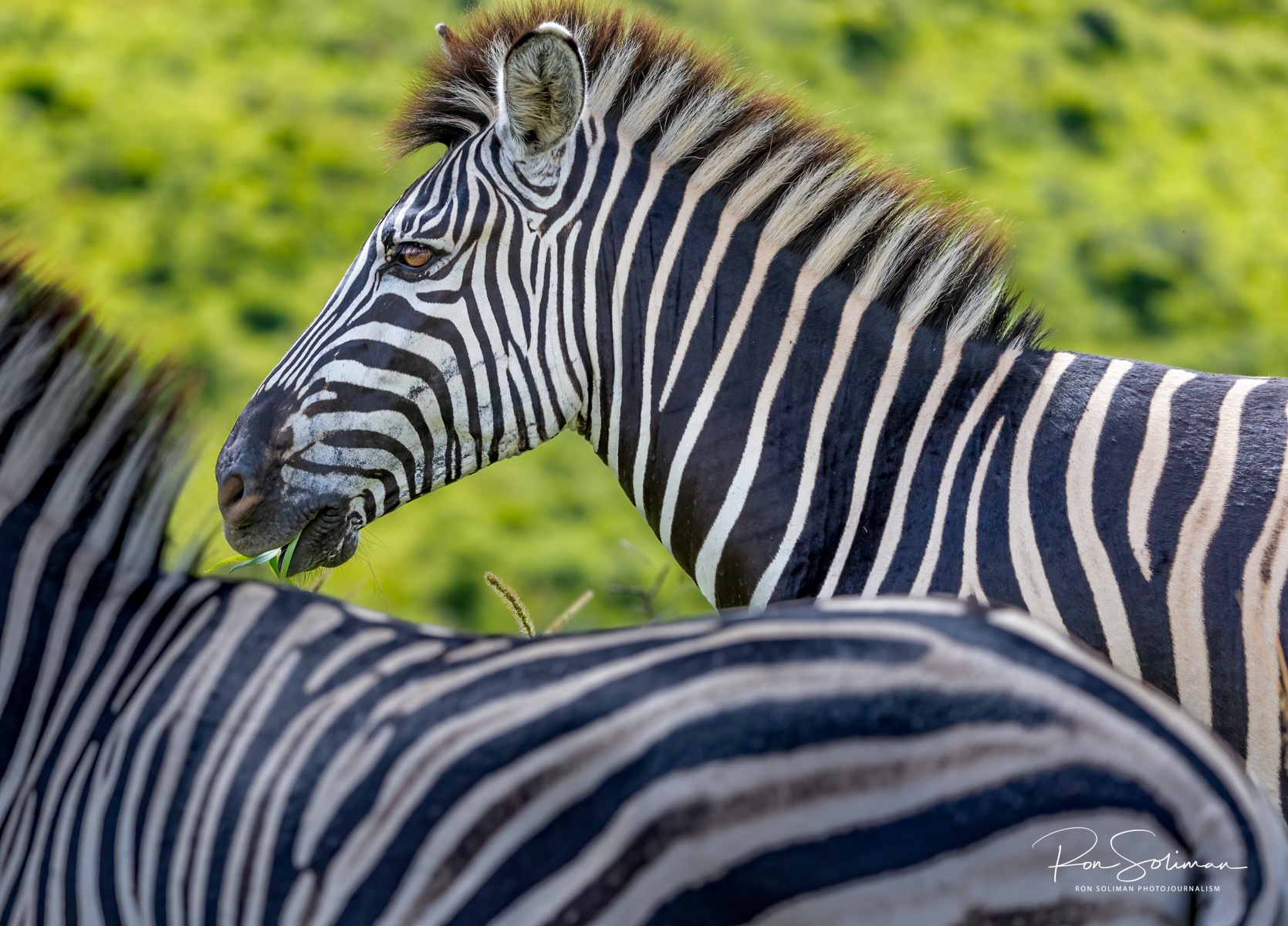
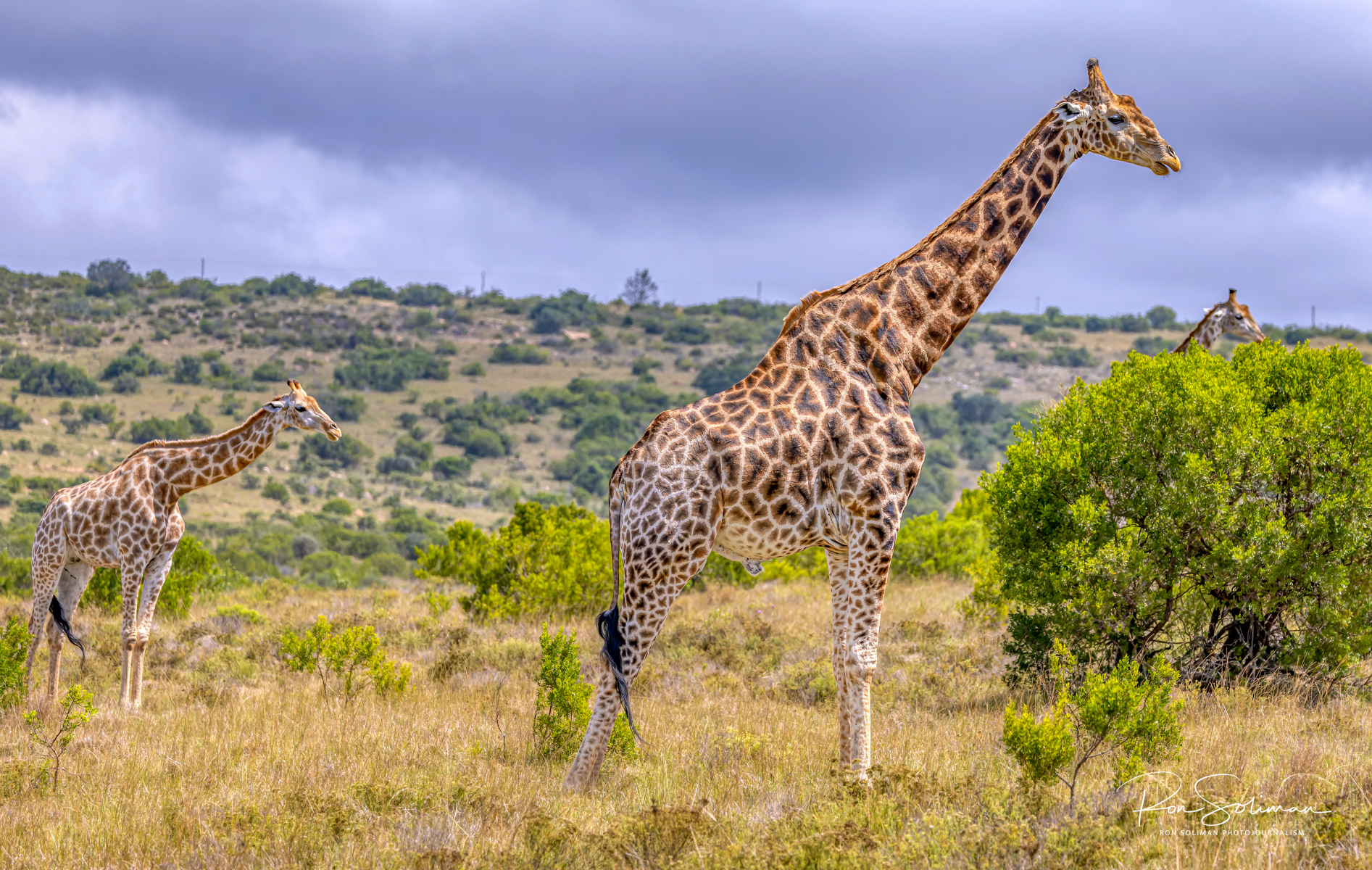
South Africa is a paradise for wildlife photographers, offering stunning landscapes and majestic creatures. Recently, I had the privilege of visiting a couple of private game reserves, where I captured breathtaking images of free-roaming animals like rhinos lions, elephants all while witnessing the important conservation efforts in place.
Private game reserves in South Africa play a crucial role in protecting wildlife. I was impressed by the dedication of the staff to ensure a balance between tourism and conservation. Seeing rhinos grazing peacefully was a poignant reminder of the need for organizations like “Saving Private Rhino,” a Cape Town NGO focused on safeguarding privately-owned rhinos against poaching.
Here are a few images I captured of Wild South Africa …Enjoy!
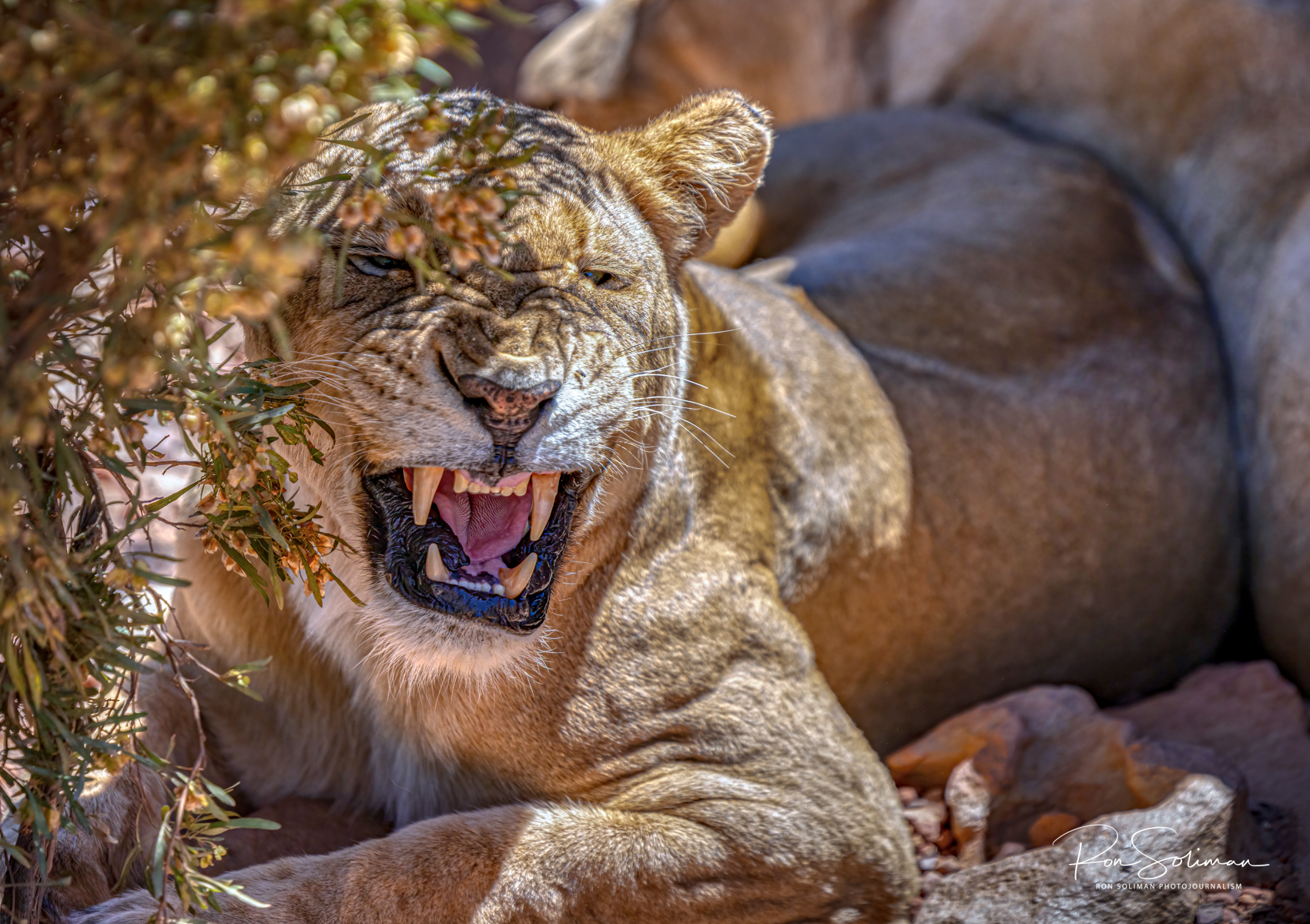
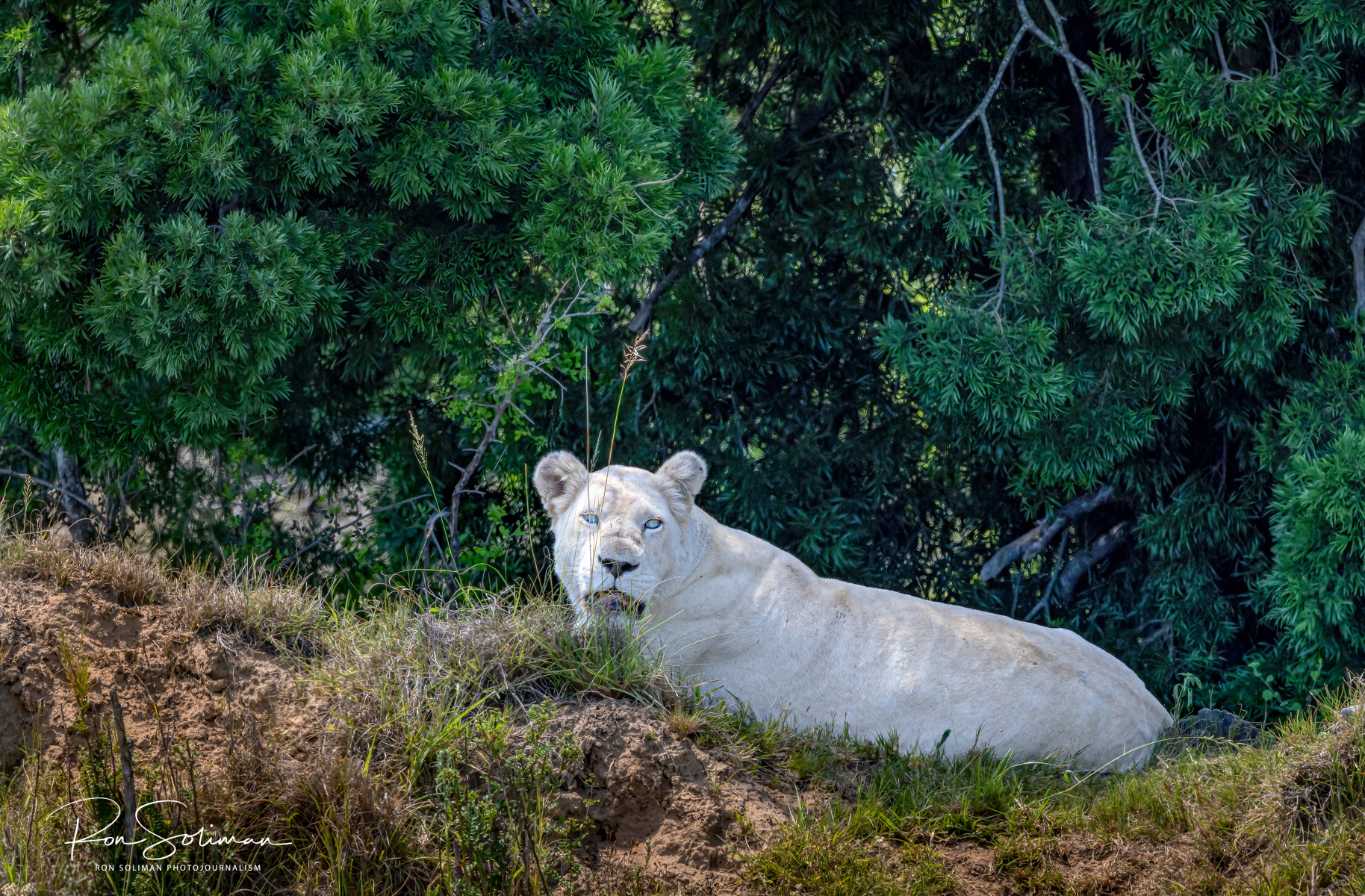
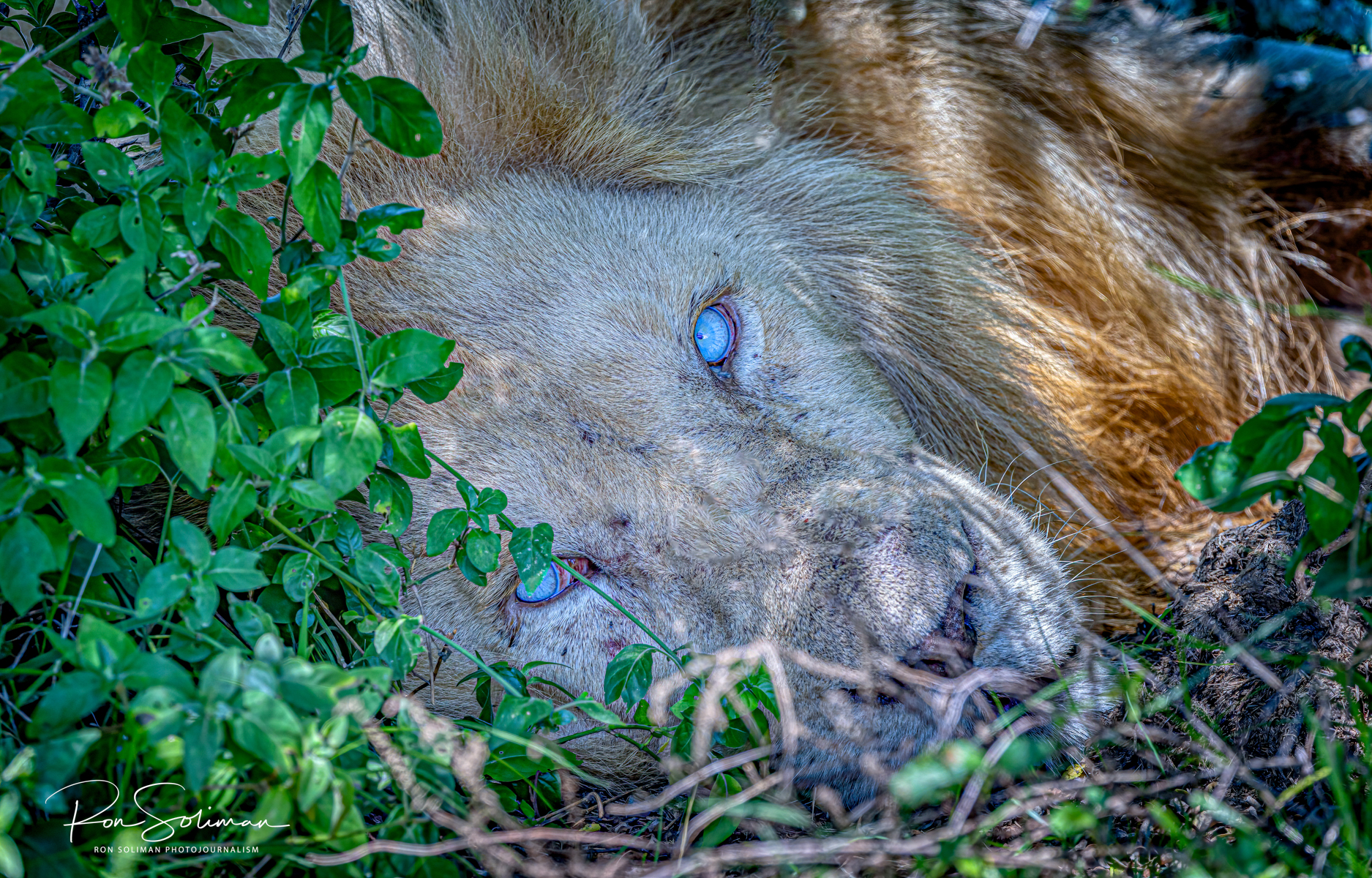
Rare White Lions
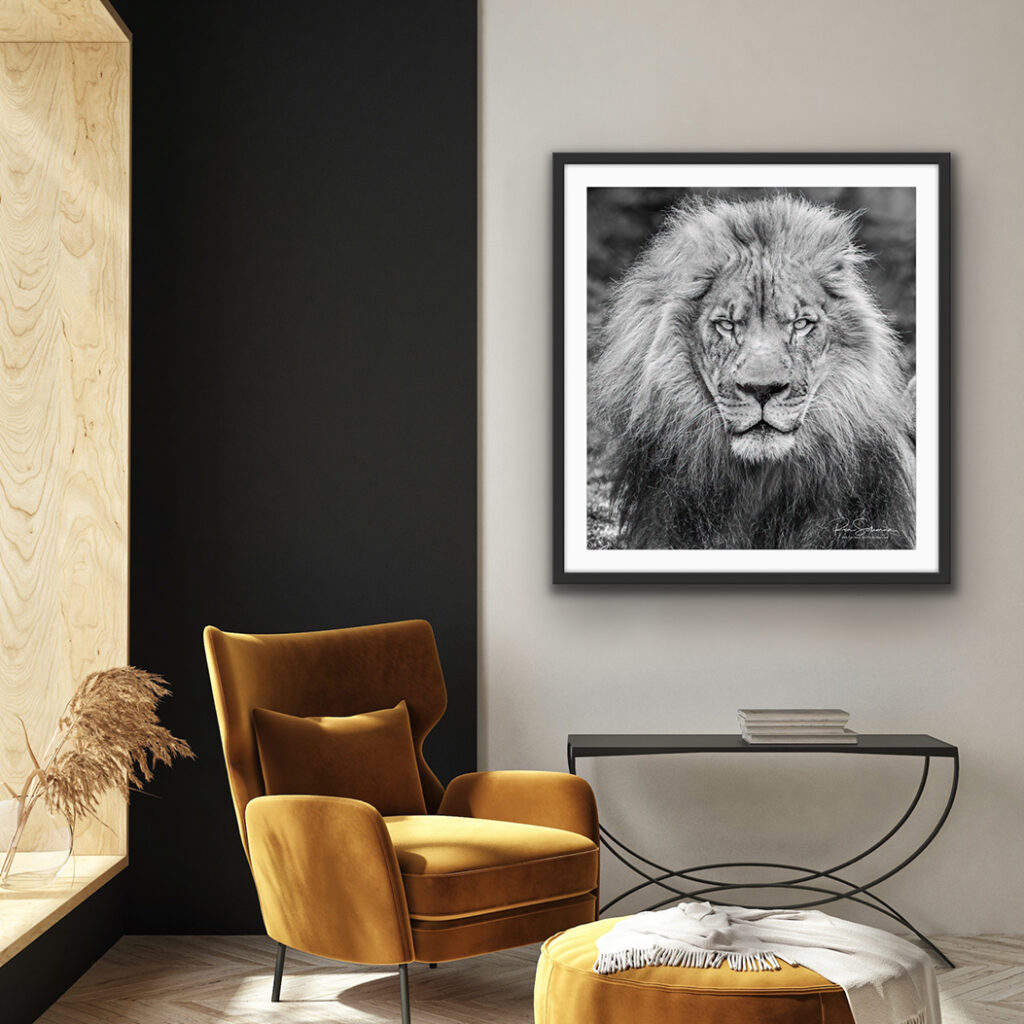
Among the highlights was photographing the rare white lions. Their striking appearance especially their striking bright blue eyes created a magical moment that I’ll never forget. Capturing these magnificent animals not only satisfied my passion for wildlife photography but also emphasized the importance of their conservation.
The Power to Inspire
Wildlife photography demands patience and respect for nature. My experience in the private game reserve reminded me that each photograph is a testament to the efforts of those working to protect these animals and their habitats. As photographers, we have the power to raise awareness and inspire action for wildlife conservation. Let’s use that power wisely to protect our planet’s natural heritage.
Wildlife photography demands patience and respect for nature. My experience in the private game reserve reminded me that each photograph is a testament to the efforts of those working to protect these animals and their habitats. As photographers, we have the power to raise awareness and inspire action for wildlife conservation. Let’s use that power wisely to protect our planet’s natural heritage.